menu

Flat Roofing Services in Tampa – Built to Withstand Gulf Coast Weather and Hurricane-Force Winds

Expert flat roof contractors delivering low slope roofing services engineered for Tampa's extreme heat, wind-driven rain, and hurricane exposure, protecting both commercial and residential properties across Hillsborough County.

Slider Image 1
Slider Image 2
Slider Image 3
Slider Image 4
Slider Image 5
Slider Image 7
Slider Image 8
Slider Image 9
Slider Image 10
Slider Image 11

Why Tampa's Climate Destroys Standard Flat Roofs in Under 10 Years

Tampa's relentless sun, violent afternoon thunderstorms, and salt-laden Gulf air create a perfect storm for flat roof failure. Most flat roofing companies install membranes designed for moderate climates. Those systems fail here.

The temperature on a flat roof surface in Tampa regularly exceeds 160 degrees during summer. That thermal stress causes expansion and contraction cycles that crack sealants, split membranes, and open seams. Add 60 inches of annual rainfall and you get ponding water that accelerates membrane degradation. The result is premature leaks, blistering, and complete system failure.

Hurricane season brings another threat. Wind uplift on low slope roofing systems during tropical storms can peel back improperly attached membranes like aluminum foil. Tampa sits in Zone 2 for wind loads, requiring specific attachment patterns and reinforcement details that many flat roof specialists ignore.

The neighborhoods around Bayshore Boulevard and Davis Islands face additional challenges from salt spray corrosion. Metal flashings, fasteners, and edge details corrode faster here than anywhere inland. Properties near the Hillsborough River deal with moisture migration from high water tables that pushes through poorly sealed roof penetrations.

Your flat roof is not just a horizontal surface. It is a complex waterproofing system that must handle UV exposure equivalent to a desert, rainfall volume like the Pacific Northwest, and wind loads from coastal hurricanes. Standard installations fail. Flat roofing solutions designed specifically for Tampa's Gulf Coast environment survive.

Understanding these local conditions separates professional flat roof contractors from installation crews following generic specs.

Why Tampa's Climate Destroys Standard Flat Roofs in Under 10 Years
How We Engineer Flat Roofing Systems for Tampa's Environmental Extremes

How We Engineer Flat Roofing Systems for Tampa's Environmental Extremes

We do not install generic flat roofing solutions. Every system we build accounts for Tampa's specific thermal movement, wind uplift zones, and moisture exposure patterns.

Membrane selection starts with heat resistance. We use reinforced TPO and PVC membranes rated for continuous exposure above 180 degrees. These materials maintain flexibility through temperature swings without becoming brittle or soft. The reinforcement layer prevents punctures from foot traffic and falling debris during storms.

Attachment method determines survival during hurricanes. We calculate wind uplift forces based on your building height, roof perimeter exposure, and distance from the coast. Edge zones and corners receive increased fastener density. Every seam gets heat-welded, not glued. Adhesive bonds fail in heat. Welded seams create a monolithic membrane.

Drainage design prevents the ponding water that kills flat roofs. We install tapered insulation systems that create positive slope to scuppers and drains, even on structurally flat decks. Water movement is not optional in Tampa. Standing water after rain accelerates membrane breakdown and adds structural load.

Flashing details receive marine-grade materials. Stainless steel or heavy gauge aluminum resists salt air corrosion. Every pipe penetration, rooftop unit curb, and parapet wall gets a two-part flashing system with a mechanically attached base and fully adhered cover. Single-layer flashings fail.

We reinforce seams in high-stress areas where thermal movement concentrates. Inside and outside corners, where membranes change direction, get additional reinforcing strips. These details prevent the splitting that occurs when materials expand and contract at different rates.

Crestline Roofing Tampa builds systems that function as integrated waterproofing assemblies, not just installed products.

What Happens During Your Flat Roof Installation

Flat Roofing Services in Tampa – Built to Withstand Gulf Coast Weather and Hurricane-Force Winds
01

Structural Assessment and Planning

We start by evaluating your existing roof deck for load capacity, drainage issues, and structural defects. Our team measures deck deflection, identifies soft spots, and documents every penetration. We pull core samples on occupied buildings to verify insulation condition and check for moisture intrusion. This data determines whether you need a recover system or complete tear-off, and identifies any deck repairs required before membrane installation.
02

Membrane Installation and Welding

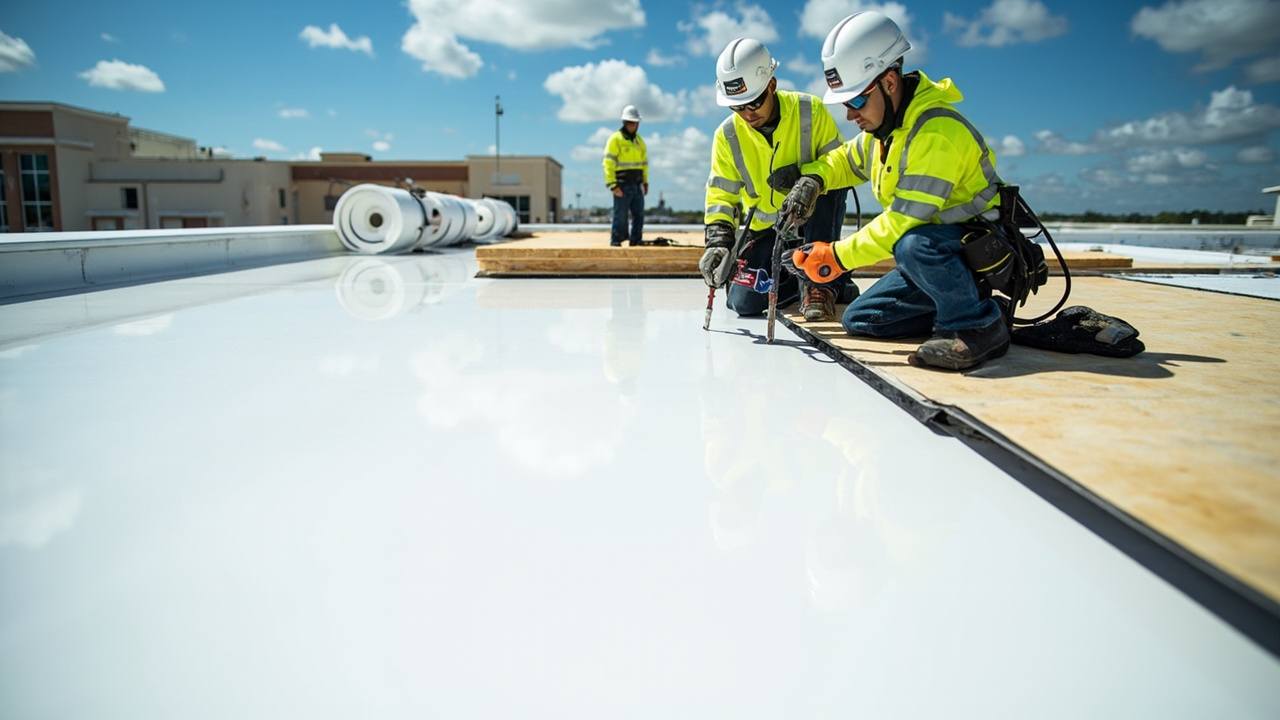
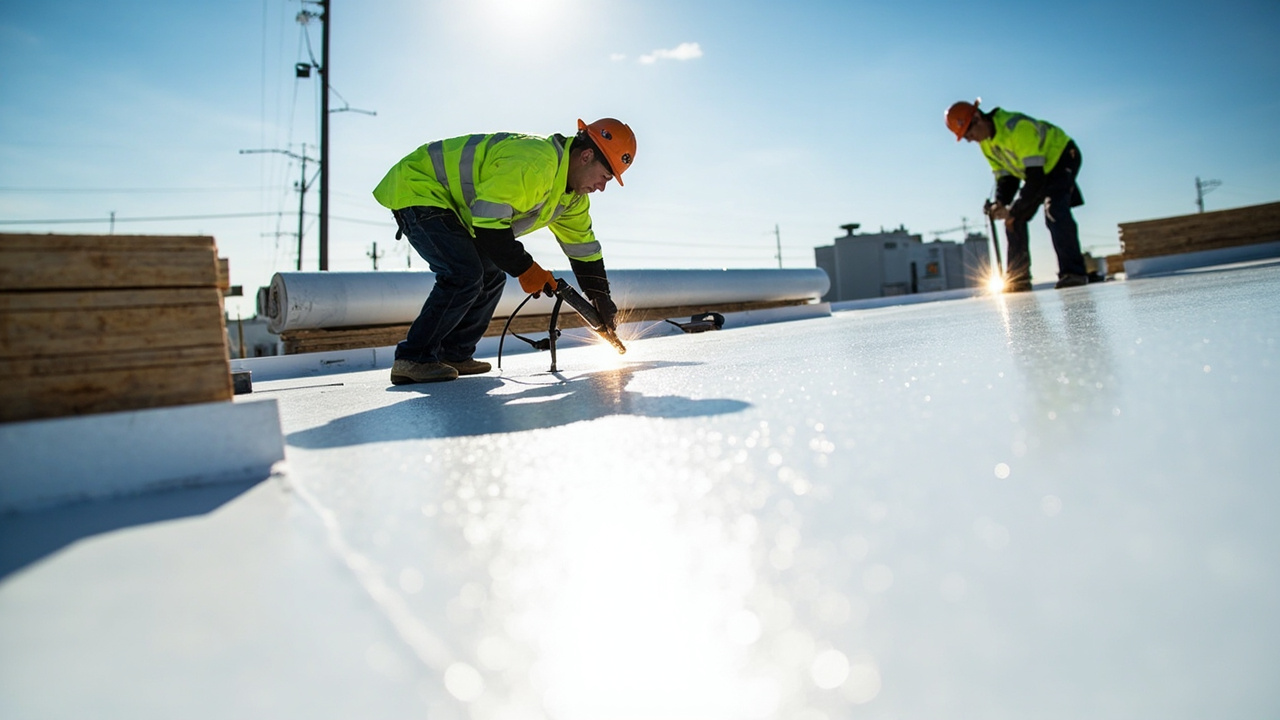
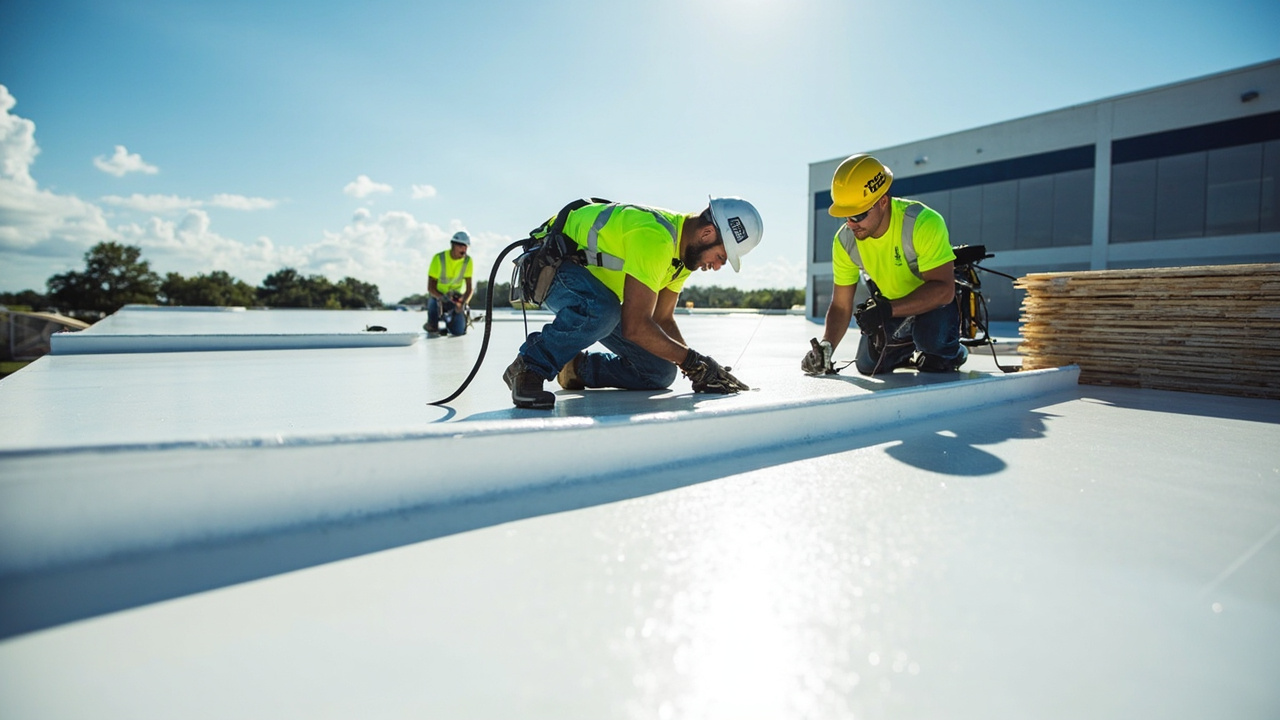
Installation begins with deck preparation and insulation placement, followed by membrane roll-out in planned sections. Our crews mechanically fasten or fully adhere the membrane based on wind zone requirements and substrate type. Every seam receives hot-air welding at precisely controlled temperatures. We probe-test 100% of seams with a blunt tool to verify bond integrity. Flashing installation follows, with all transitions receiving dual-layer protection and mechanical attachment.
03

Testing and Final Verification

After installation, we conduct a flood test on all flat areas to verify drainage function and detect any installation defects. Our quality control team walks the entire roof, checking fastener patterns, seam welds, and flashing details against engineering specifications. You receive detailed photos documenting critical details, a marked-up drawing showing all penetrations and drains, and maintenance guidelines specific to your membrane type and Tampa's climate conditions.

Why Tampa Building Owners Choose Local Flat Roof Specialists

Choosing flat roofing companies based on price alone costs you twice. The lowest bid usually means generic materials, undertrained crews, and details that fail in Tampa's environment.

We understand the Florida Building Code requirements for wind resistance in High Velocity Hurricane Zones. Hillsborough County requires specific attachment schedules and edge details that exceed standard practice in other regions. Our installations pass inspections the first time because we know what local building officials require.

Experience with Tampa's architectural variety matters. The historic bungalows in Seminole Heights have different structural considerations than the commercial warehouses in Westshore or the mid-rise buildings downtown. We have installed low slope roofing systems on all of them. We know which details work on wood decks versus concrete, and how to integrate new membranes with existing parapet walls without compromising the building envelope.

Our material suppliers are local. When you need a repair or addition, we can source matching membrane from the same production lot. National chains rotate through different product lines. In five years, they cannot match your roof color or find compatible materials.

We respond to storm damage within hours, not days. When a hurricane tears through Tampa, you need flat roof contractors who are already here, not a dispatch center in another state scheduling you behind 200 other claims. Crestline Roofing Tampa maintains emergency repair materials and crew availability specifically for post-storm response.

Local building relationships provide accountability. We work with the same property managers, facility directors, and building owners year after year. Our reputation depends on performance, not disappearing after installation.

You get technical expertise matched to Tampa's specific conditions, immediate response when problems occur, and a company invested in this community.

What to Expect When You Choose Professional Flat Roofing Services

Project Timeline and Scheduling

Most commercial flat roof installations complete in three to seven days, depending on square footage and complexity. Residential flat roofs typically finish in one to three days. We schedule around your operations to minimize disruption. For occupied buildings, we can section the work to maintain access and climate control. Weather delays happen during Tampa's summer storm season. We monitor forecasts and pause work before rain arrives to protect open deck areas. You receive a detailed schedule before we start, with clear communication about any changes. Emergency repairs get same-day response, with temporary waterproofing in place within hours.

Initial Inspection and Proposal

Your assessment starts with a complete roof inspection, including moisture scanning to detect hidden water damage. We measure the entire roof area, document all penetrations, and photograph existing conditions. For commercial properties, we provide infrared scanning to map wet insulation that looks dry on the surface. You receive a written proposal detailing the scope of work, specific materials by manufacturer and model number, and a breakdown of what the project includes. We explain options for insulation upgrades, drainage improvements, and membrane choices. The proposal includes engineering calculations for wind uplift resistance and a timeline from start to completion.

Quality of Installation

Our installations meet or exceed manufacturer specifications for material handling, seam welding, and fastener placement. Crew leads hold certifications from membrane manufacturers for proper installation techniques. We use calibrated welding equipment and verify seam strength throughout the day. Edge details receive mechanical attachment plus adhesive, not one or the other. All flashing materials get clamped and sealed before fastening to prevent water intrusion. You get a roof system engineered for Tampa's climate, not a basic installation following minimum standards. The difference shows up during the first hurricane season, when properly detailed roofs stay intact while cheap installations fail.

Post-Installation Support

After installation, you receive documentation including material certificates, installation photos, and a maintenance guide specific to your membrane type. We offer annual inspection services to catch small issues before they become leaks. These inspections include drain cleaning, seam checks, and flashing examination. For commercial properties, we provide roof asset management plans that track condition over time and plan for future repairs. If storm damage occurs, we prioritize existing clients for emergency response. Regular maintenance extends roof life significantly in Tampa's harsh environment. We keep detailed records of your roof configuration, making future repairs faster and more accurate.

Frequently Asked Questions

You Have Questions,
We Have Answers

How much does it cost to have a flat roof done? +

Flat roof costs in Tampa depend on roof size, material choice, and existing damage. TPO and modified bitumen systems typically range from mid-tier to premium pricing per square foot. EPDM rubber runs lower. Your building's accessibility, substrate condition, and drainage needs affect the total. Tampa's intense UV exposure and hurricane wind loads push many commercial owners toward thicker membranes or ballasted systems, which increase expense. Tear-off of multiple old layers adds labor costs. Always get an on-site inspection. Material alone tells you nothing without factoring in Tampa's climate demands and your building's specific conditions.

What's the average price for a flat roof? +

Average flat roof pricing in Tampa varies widely based on system type and square footage. Single-ply membranes like TPO or PVC sit in the middle range. Built-up roofing costs more due to labor intensity. Modified bitumen falls somewhere between. Small commercial buildings under 5,000 square feet often see higher per-square costs due to minimum job charges. Tampa's humidity and afternoon thunderstorms demand superior drainage and flashing details, which skilled contractors price into estimates. Comparing quotes without understanding scope differences leads to poor decisions. Focus on material warranties, contractor experience with flat roofs, and proper installation methods for Tampa's subtropical climate.

How to tell if a roofer is lying? +

Watch for red flags. A roofer who skips a physical roof inspection and quotes over the phone is guessing. If they push one solution without explaining why it fits Tampa's climate, walk away. Pressure tactics about limited-time pricing signal desperation. Ask specific questions about membrane thickness, fastening patterns for wind uplift, and flashing methods around penetrations. A knowledgeable contractor explains how Tampa's heat expansion affects seams and why proper drainage slope matters in heavy rain. Check their local references and verify they pull permits. If answers are vague or dismissive, you are dealing with someone cutting corners.

What does a new flat roof cost? +

A new flat roof in Tampa costs vary by material selection and building specifics. TPO and EPDM are common commercial choices. PVC costs more but resists Tampa's ponding water and chemical exposure better. Roof size, current decking condition, and required insulation all shift pricing. If your existing roof has multiple layers, tear-off labor adds expense. Tampa's hurricane building codes may require additional attachment methods or heavier materials, increasing costs. Proper flashing around HVAC units and parapet walls is non-negotiable in Florida's rain. Get detailed written estimates that specify material brands, warranties, and installation methods before committing.

What is the cheapest option for a flat roof? +

The cheapest flat roof option is rolled roofing or basic EPDM rubber, but cheap rarely means smart in Tampa. Florida's sun degrades low-grade materials fast. You will pay more in repairs within five years. A better approach balances upfront cost with longevity. Standard TPO or modified bitumen systems offer decent durability without premium pricing. Avoid contractors pushing the absolute lowest bid. They cut corners on substrate prep, flashing details, or membrane thickness. Tampa's heavy rains and heat cycles punish poor installations. Spending slightly more now on proper materials and skilled labor saves thousands in leak repairs and early replacement.

How much does it cost to roof a 3 bedroom flat? +

This question applies to residential apartments, not typical commercial flat roofs. If you are asking about a multi-family building with flat roofs in Tampa, costs depend on total square footage, not bedroom count. A three-unit building might have 3,000 to 5,000 square feet of roof surface. Material choice drives pricing. TPO or modified bitumen are common for Tampa multifamily properties. Factor in parapets, multiple penetrations for plumbing vents, and proper drainage to handle afternoon storms. Get an inspection to assess decking condition. Bedroom count does not translate to roof cost. Square footage and system type do.

What are common flat roof problems? +

Tampa flat roofs face ponding water, membrane blistering, and seam failures. Ponding occurs when drainage is inadequate or the roof settles unevenly. Standing water accelerates membrane breakdown and invites leaks. Blistering happens when moisture trapped under the membrane expands in Tampa's heat. Seam separation results from poor installation or thermal cycling. Flashing failures around HVAC units and parapet walls are common. Debris clogs drains during storm season. Alligator cracking shows up in older built-up roofs. UV degradation from relentless sun weakens membranes over time. Regular inspections catch these problems before small issues become catastrophic leaks.

How much is a roof for a 2000 sq foot house? +

A 2,000 square foot house in Tampa typically has a sloped roof, not a flat roof. If you mean a flat roof on a commercial building of that size, costs depend on material and condition. TPO, EPDM, or modified bitumen are standard choices. Expect variability based on roof accessibility, number of penetrations, and whether you need a full tear-off or overlay. Tampa's wind load requirements may demand additional fastening, increasing labor. Proper insulation and drainage add to costs but prevent future problems. Get three written estimates from contractors experienced with flat commercial roofs in Florida's climate.

What is the cheapest flat roof system? +

The cheapest flat roof system is basic rolled roofing or single-ply EPDM, but longevity suffers in Tampa. Low-grade materials fail faster under Florida's UV exposure and thermal cycling. A smarter budget choice is standard TPO or torch-down modified bitumen. Both offer reasonable durability without premium pricing. Avoid the temptation to choose based solely on lowest cost. Poor installation or thin membranes lead to leaks within years. Tampa's intense afternoon rains and heat demand materials that can handle moisture and expansion. Spending a bit more on mid-grade systems with proper installation saves you from costly emergency repairs.

What should you not say to a contractor? +

Never tell a contractor you have not gotten other bids. That invites inflated pricing. Do not mention your maximum budget upfront. Avoid saying you need the work done immediately unless it is a genuine emergency. That signals desperation. Never admit you do not understand roofing terms or processes. Ask questions instead. Do not badmouth previous contractors excessively. It makes you seem difficult. Avoid saying you will pay cash for a discount. Reputable Tampa roofers report income and prefer documented transactions. Do not ask them to skip permits. That is illegal and voids your warranty and insurance coverage.

How Tampa's Afternoon Thunderstorms Test Flat Roof Drainage Systems

Tampa receives more lightning strikes than any other metro area in the United States, with summer thunderstorms dropping two to three inches of rain in under an hour. That precipitation rate overwhelms undersized drainage systems on flat roofs. When scuppers and drains cannot handle flow volume, water ponds to dangerous depths. A one-inch pool of standing water across 1,000 square feet adds over 5,000 pounds of load to your roof structure. Properly designed low slope roofing services in Tampa include drainage capacity calculations based on local rainfall intensity, not national averages. The difference between adequate drainage and system failure is engineering specific to Gulf Coast storm patterns.

Hillsborough County enforces strict commercial roofing standards through the Building Code Compliance department. Inspectors verify wind uplift ratings, fastener schedules, and edge detail installations against approved plans. Flat roof specialists familiar with local code officials know exactly what documentation and installation details pass inspection. We maintain relationships with county inspectors and stay current on code amendments affecting commercial roofing in Tampa. That local knowledge prevents failed inspections, project delays, and costly reinstallation of non-compliant details. Choosing experienced Tampa flat roofing companies means your project moves forward without bureaucratic surprises or enforcement issues.

Roofing Services in The Tampa Area

We are proud to serve the entire area, providing exceptional roofing services to homeowners and businesses. While we travel directly to your location, you can view our main office on the map to get a sense of our central hub. Our local presence ensures we can respond quickly to your needs and provide the personalized service you deserve. We're always nearby, ready to help with your next roofing project.

Address:
Crestline Roofing Tampa, 2144 W Main St, Tampa, FL, 33607

Additional Services We Offer

Our news updates

Latest Articles & News from The Blogs

Why Pine Needles are Clogging the Roof Valleys of Your Cheval Home and Causing Rot Cheval’s abundant pine trees create…

Why Pine Needles are Clogging the Roof Valleys of Your Cheval Home and Causing Rot

Why Pine Needles are Clogging the Roof Valleys of Your Cheval Home and Causing Rot Cheval’s abundant pine trees create…

The Link Between Rotted Fascia Boards and Roof Leaks in Older North Port Tampa Homes

The Link Between Rotted Fascia Boards and Roof Leaks in Older North Port Tampa Homes North Port Tampa’s humid subtropical…

Should You Ever Pressure Wash Your Roof in Tampa? (The Short Answer is No)

Should You Ever Pressure Wash Your Roof in Tampa? (The Short Answer is No) Tampa homeowners often notice black streaks…

Contact Us

Your flat roof protects everything under it. Do not trust that protection to generic installations or out-of-town contractors. Call (656) 245-0955 now for a detailed inspection and honest assessment. We will show you exactly what your roof needs and why.