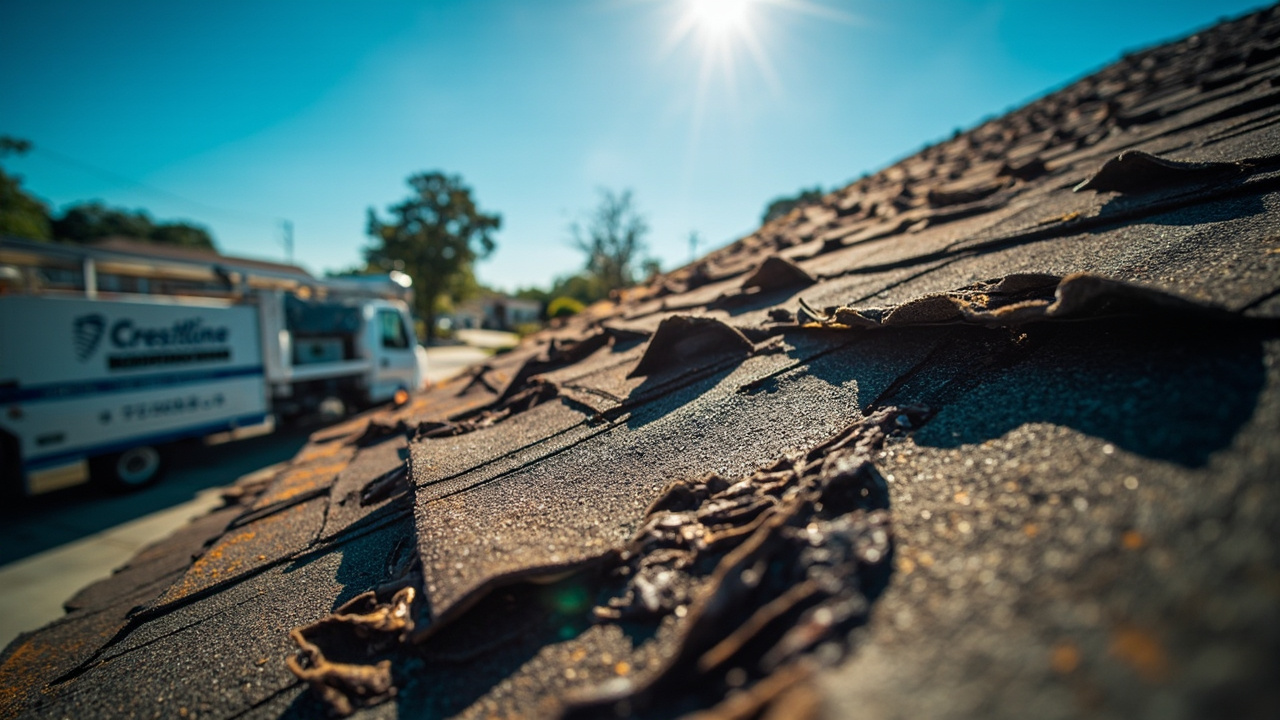
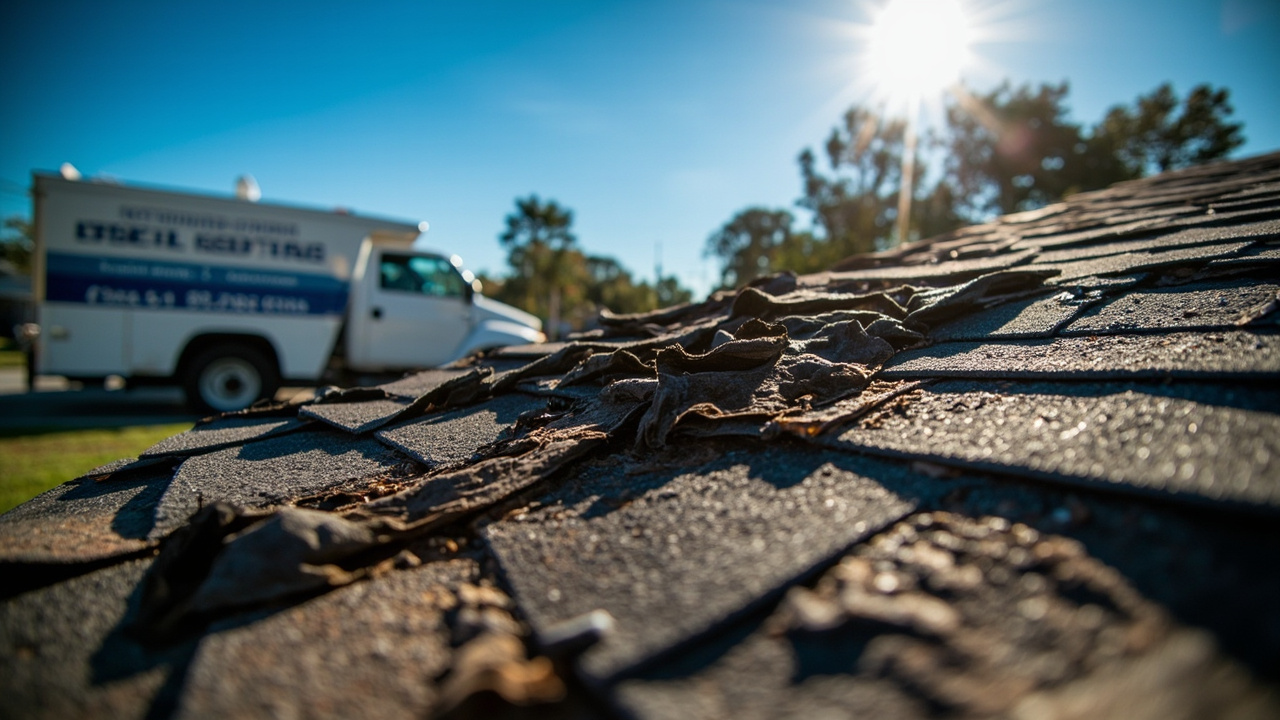
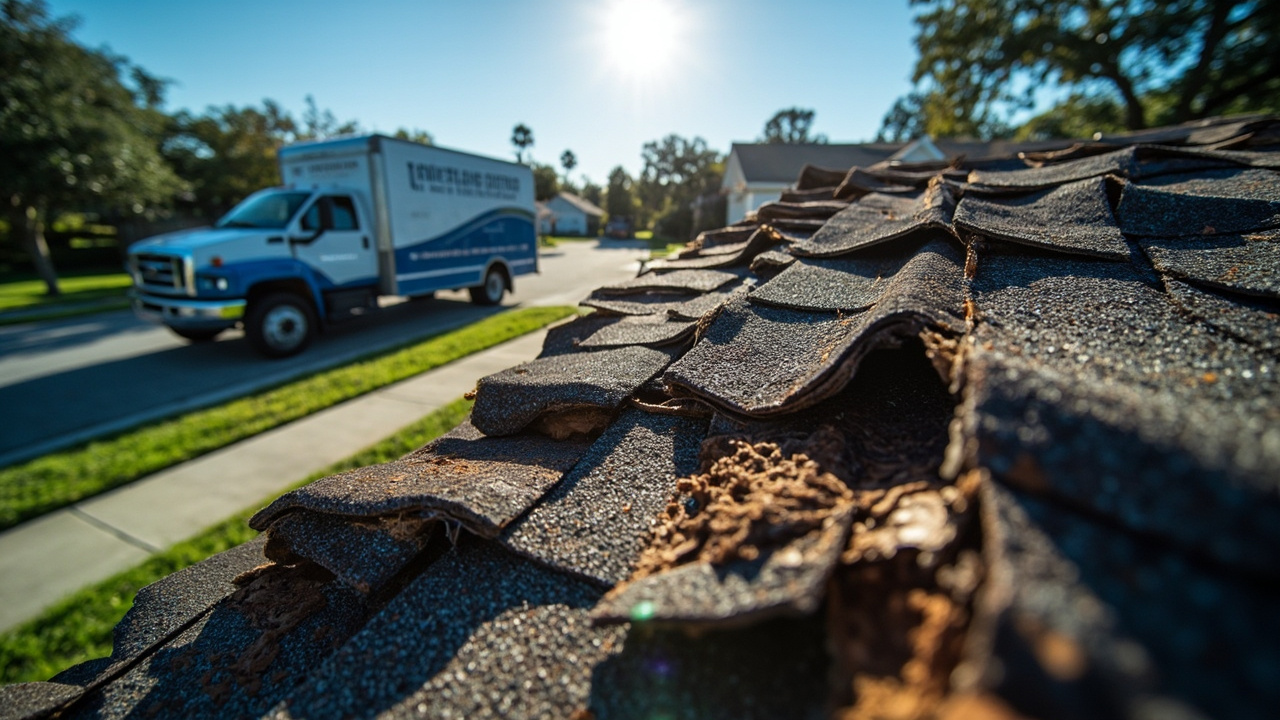
Tampa averages 75 percent relative humidity and 244 sunny days per year. This combination speeds up the oxidation of asphalt shingles and softens the adhesive bonds that hold tabs down. When shingles heat to 160 degrees under direct sun, the asphalt becomes pliable. Afternoon thunderstorms drop temperatures 30 degrees in 15 minutes, causing rapid contraction. This cycle repeats daily from May through September. Over time, the shingle mat fatigues and loses its ability to lay flat. Homes near Tampa Bay or inland retention ponds face even higher humidity, which increases condensation risk in poorly ventilated attics.
Tampa's roofing environment also demands familiarity with the Florida Building Code's High Velocity Hurricane Zone requirements. Shingles installed after 2001 must meet wind resistance standards that affect nailing patterns and adhesive application. Inspectors check for compliance during reroof permits. Contractors unfamiliar with these code sections may install shingles using generic methods that fail within years. Crestline Roofing knows the local inspection process and installs to the higher standard required in Hillsborough County. We also understand how Tampa's rapid development has created neighborhoods with varied construction quality, which affects how we approach each repair.