


Largo sits in the heart of Pinellas County, surrounded by water on three sides. This Gulf Coast location means your roof battles salt air, hurricane-force winds, and year-round humidity that most inland areas never experience. The combination of tropical storms sweeping up from the Gulf and afternoon thunderstorms packing 60 mph winds creates a punishing environment for roofing systems.
Florida's building codes changed after Hurricane Andrew, but many Largo homes were built before these stricter standards took effect. Older roofs in neighborhoods near Seminole and East Bay Drive often lack proper wind resistance and suffer from granule loss accelerated by our intense UV exposure. The constant expansion and contraction from temperature swings between air-conditioned interiors and 95-degree attic spaces stress roofing materials beyond their designed limits.
Salt spray from Tampa Bay and the Gulf carries miles inland, corroding flashing and fasteners while promoting algae growth that degrades shingles. When summer humidity hits, trapped moisture in poorly ventilated attics rots decking from the inside. These conditions make roof inspections after every major storm essential for Largo homeowners, yet most damage goes unnoticed until leaks appear inside the home.
Crestline Roofing Tampa built our reputation responding to roofing emergencies across Pinellas County when other contractors were booked solid or slow to respond. We maintain ready crews and materials specifically for rapid deployment when storms hit Largo, because we know roof damage never waits for convenient timing. Our trucks carry emergency tarping supplies, and our estimators work directly with insurance adjusters to document damage properly the first time.
We focus exclusively on roofing, which means our crews have seen every failure mode that occurs in Florida's climate. That specialization matters when diagnosing whether a leak stems from failed flashing around your AC platform, damaged valley metal, or compromised pipe boots. Generic handyman services miss the subtle signs of underlying problems that lead to callback after callback.
Our relationships with local building inspectors and supply yards mean we pull permits faster and source materials without the delays that plague roofing companies operating from outside Pinellas County. We stock the specific products that perform in our coastal environment, not whatever happens to be on a distributor's truck that week. When we say a repair will last, we back it with warranties that actually mean something because we'll still be here to honor them.
Every roof project in Largo gets assigned a dedicated project manager who answers their phone. No call centers, no runaround. You get a real person who knows your specific job and can make decisions immediately when weather threatens or unexpected damage appears during repairs.

Our crews deploy within hours when your roof is actively leaking or damaged. We carry commercial-grade tarps and emergency materials to stop water intrusion immediately, then assess the full scope of damage for permanent repairs. Available around the clock because roof emergencies do not wait for business hours.

We document damage using the same software insurance adjusters use, photograph every issue thoroughly, and provide detailed estimates that match adjuster terminology. Our experience with Florida insurance claims means fewer disputes, faster approvals, and maximum coverage for your roof damage without the usual back-and-forth delays.
Every crew member carries proper Florida licensing and receives ongoing training in current building codes and installation standards. We maintain all required insurance coverage and pull permits for every job that requires them, protecting you from liability and ensuring work meets inspection requirements the first time.
We work exclusively in this coastal region and understand the specific challenges Largo roofs face from salt air, humidity, and Gulf weather patterns. Our material selections and installation methods account for these conditions, using products and techniques that perform in our environment, not generic solutions designed for climates nothing like ours.
Crestline Roofing Tampa handles everything from emergency leak repairs to complete roof replacements across Largo. Our service range covers immediate damage mitigation, comprehensive roof restoration, and preventive maintenance that extends the life of your roofing system. We work with all roofing materials common to Pinellas County homes, including asphalt shingles, tile, metal, and flat roof systems.
Roof problems present differently depending on severity and timing. A small leak during a thunderstorm requires different response than widespread damage after a hurricane. Some situations demand immediate temporary protection followed by permanent repairs, while others benefit from comprehensive replacement that addresses underlying ventilation or structural issues. We assess each situation individually and recommend solutions appropriate to the specific damage, your home's age, and your long-term goals.
Our roofing repair specialists evaluate not just the visible damage but the conditions that caused failure in the first place. Patching a leak without addressing inadequate flashing or failed underlayment just creates recurring problems. We explain what went wrong, what needs fixing now, and what preventive steps protect your investment going forward.
When your roof is actively leaking or damaged from storms, we dispatch crews immediately to prevent further water intrusion. Emergency services include temporary tarping, water diversion, emergency flashing repairs, and damage containment. We secure your property quickly, then develop a plan for permanent repairs. Our trucks carry materials for immediate fixes that stop damage from spreading while insurance claims process. Available around the clock because roof emergencies escalate fast in Florida weather.
Full roof replacement addresses damage too extensive for patching and upgrades aging systems to current Florida building codes. We remove old roofing down to decking, replace any damaged wood, install proper underlayment and ice-and-water shield, then apply new roofing materials rated for coastal wind zones. Projects include upgraded ventilation systems, improved flashing details, and enhanced fastening patterns that exceed minimum code requirements. Complete tear-offs eliminate hidden damage and provide warranty protection.
Regular roof inspections catch small problems before they become expensive emergencies. Our maintenance programs include biannual inspections, debris removal, minor seal repairs, flashing adjustments, and gutter cleaning. We document roof condition over time, tracking wear patterns and identifying components nearing end of life. Preventive maintenance extends roof lifespan significantly in Florida's harsh climate and maintains insurance coverage requirements. Small investments in ongoing care prevent major unexpected expenses.
Largo's location between Tampa Bay and the Gulf creates specific roofing challenges that differ from inland areas. The combination of salt air, extreme humidity, intense UV exposure, and frequent severe weather accelerates roof deterioration and creates failure patterns rarely seen elsewhere. Understanding these regional issues helps homeowners recognize warning signs before minor problems escalate into major damage.
Wind-driven rain is particularly problematic in coastal Pinellas County. Rain does not fall straight down during tropical storms and hurricanes. Instead, horizontal rain driven by 60 mph gusts finds every gap in flashing and penetrates beneath shingles designed only for vertical water flow. Areas around roof penetrations, valleys, and eaves suffer the most damage. Many Largo homes also battle ongoing issues with trapped moisture in attics where inadequate ventilation combines with air conditioning systems running constantly to create condensation that rots decking from above.
Gulf storms generate sustained winds that lift shingles, tear flashing, and drive rain beneath roofing materials. Largo experiences multiple tropical systems yearly, each stressing roof fasteners and seals. Cumulative damage from repeated wind events weakens roofing systems gradually until catastrophic failure occurs during a major storm. Wind damage often goes unnoticed until leaks develop.
Roof penetrations for plumbing vents, AC platforms, and exhaust fans create vulnerable points where water intrusion occurs. Flashing around these penetrations deteriorates from UV exposure and thermal cycling. Sealants dry out and crack in Florida heat. Improperly installed flashing fails within years rather than decades. Most leak calls we receive trace back to failed flashing rather than damaged shingles.
Black streaks on Largo roofs indicate algae feeding on limestone filler in shingles. This growth accelerates granule loss and reduces shingle lifespan significantly. Humidity and shade from nearby trees create perfect conditions for algae and moss. Once established, biological growth traps moisture against roofing materials and accelerates deterioration. Regular cleaning extends roof life but must be done carefully to avoid damage.
Inadequate attic ventilation combined with constant air conditioning creates condensation on the underside of roof decking. This moisture rots plywood sheathing even when the exterior roof shows no visible damage. Many Largo homes built before improved building codes lack proper soffit and ridge venting. Water stains on ceilings sometimes indicate condensation problems rather than external leaks requiring different solutions.
We understand that calling a roofer usually means something has gone wrong. Your ceiling is staining, shingles blew off during the last storm, or your insurance company demanded an inspection. Whatever brings you to us, you can expect straight answers about what is actually wrong and what it will take to fix it properly. No pressure, no games, no inflated estimates designed to get lowered during negotiations.
Our process starts with understanding your specific situation. Are you dealing with active damage that needs immediate attention, or planning ahead to replace an aging roof before problems start? Different situations require different approaches. Emergency repairs prioritize stopping damage quickly. Planned replacements allow time for insurance consultation, multiple material options, and scheduling around your timeline. We adapt our service to match your actual needs rather than forcing every job through an identical process.
Communication matters most when your home is at risk. You get a single point of contact who knows your job and answers your calls. We explain what we find, show you photos of problem areas, and discuss options in plain language. No roofing jargon, no technical runaround. Just clear information about condition, required repairs, and realistic costs.
We schedule inspections quickly and arrive prepared to diagnose problems thoroughly. Our estimators climb on your roof with cameras to document every issue, measure damaged areas, and identify underlying problems contributing to visible damage. You receive photos showing exactly what we found, written explanations of required repairs, and detailed estimates breaking down materials and labor. No surprise charges, no vague line items, no pressure to decide immediately.
If you are filing an insurance claim, we provide documentation in the format adjusters expect. Our estimates match industry software and terminology used by insurance companies. We photograph damage from multiple angles, note wind speeds and storm dates, and detail everything needed for claim approval. Many customers have us meet their adjuster on-site to ensure nothing gets missed. We know what Florida insurance companies require and document accordingly.
Our crews treat your property carefully. We protect landscaping with plywood walkways, use tarps to catch debris, and magnet-sweep for nails multiple times during cleanup. Work happens efficiently without shortcuts. We follow manufacturer installation requirements exactly because improper installation voids warranties and creates future problems. Projects stay on schedule, and we communicate immediately if weather or unforeseen damage changes timelines. Your property gets left clean every day.
We streamlined our process to eliminate confusion and keep you informed at every stage. From initial contact through final inspection, you know exactly what happens next and when to expect it.
Your project starts with a thorough roof inspection scheduled at your convenience. Our estimator photographs all damage, checks attic ventilation and decking condition, and measures the roof precisely. You receive a detailed written estimate within 24 hours showing required repairs, material options, and total costs. We explain what we found, answer questions, and provide recommendations based on your roof's age and condition. No obligation, no pressure.
Once you approve the estimate, we schedule your project and order materials. Our crews arrive on time with everything needed to complete the job. We protect your property, remove old roofing if needed, replace damaged decking, install new underlayment and flashing, then apply roofing materials according to manufacturer specifications. Your project manager stays in contact throughout the job and addresses any questions immediately as work progresses.
After installation completes, we conduct a final quality inspection and walk through the finished work with you. We verify every detail meets our standards and your expectations. The site gets cleaned thoroughly, all debris removed, and your property left better than we found it. You receive warranty documentation, care instructions, and our contact information for any future questions. We stay available long after the job ends.
Florida maintains the strictest building codes in the nation for roofing because our state faces hurricane threats that other regions never experience. The Florida Building Code specifies wind load requirements based on geographic wind zones, with Largo falling into a high velocity hurricane zone requiring enhanced fastening patterns and approved materials. These requirements changed significantly after Hurricane Andrew devastated South Florida in 1992, and again after the 2004 hurricane season.
Pinellas County requires permits for most roofing work, and inspectors verify compliance with current code regardless of when your home was originally built. This means roof replacements must meet today's standards even if your house was constructed decades ago under less stringent requirements. Proper permitting protects homeowners from liability and ensures insurance coverage remains valid. Unpermitted work discovered during insurance inspections can result in coverage denial when you need it most.
Wind rating matters tremendously in coastal areas. Shingles carry ratings indicating the wind speeds they can withstand when properly installed. Basic three-tab shingles rated for 60 mph winds are inadequate for Largo despite being legal in many parts of the country. We recommend and install products rated for 130 mph winds or higher, matching the specifications insurance companies increasingly require for coverage in coastal zones.
Proper installation technique matters as much as material quality. The Florida Building Code specifies fastener placement, the number of nails per shingle, starter strip requirements, and underlayment specifications. Cutting corners on any of these details compromises wind resistance and creates liability. We follow the code exactly and often exceed minimum requirements because we have seen what happens to improperly installed roofs when major storms hit.
Largo sits in Wind Zone 3, requiring roofing systems designed for 140 mph sustained winds. This classification determines everything from fastener spacing to edge flashing details. Products approved for inland areas often lack the necessary ratings for coastal installation. We use only materials tested and approved for high velocity hurricane zones, ensuring your roof meets code and insurance requirements.
Roof replacement costs vary based on size, pitch, material selection, and existing damage. Steep roofs require additional safety equipment and labor. Tile costs more than shingles but lasts longer. Decking replacement adds expense but cannot be avoided when wood has rotted. We provide detailed breakdowns showing exactly where costs come from, helping you understand the investment rather than just seeing a total number.
Most residential roof replacements in Largo complete in two to four days depending on size and complexity. Weather delays are common during summer storm season. Material delivery sometimes takes longer after major hurricanes when demand spikes. We provide realistic schedules and update you immediately if circumstances change. Emergency repairs happen within hours, but complete replacements require proper planning and cannot be rushed without sacrificing quality.
Pinellas County requires permits for roof replacements and major repairs. The permitting process takes several days and includes plan review and on-site inspections during and after installation. We handle all permit applications, coordinate inspector access, and ensure work passes inspection the first time. Proper permitting protects your property value and maintains insurance coverage validity throughout the life of your roof.
This video explains common roofing problems affecting Largo, Florida homes due to coastal weather conditions. Crestline Roofing Tampa discusses wind damage from tropical systems, failed flashing issues, algae growth on shingles, and attic condensation problems. The video covers emergency repair services, roof replacement processes, and insurance claim documentation for storm damage. Viewers learn about Florida building code requirements, wind rating specifications, and preventive maintenance strategies for extending roof lifespan in Pinellas County's harsh climate.
Crestline Roofing Tampa serves all of Largo and the surrounding Pinellas County area with the same rapid response and quality workmanship. Our central location allows us to reach properties throughout the region quickly, whether you are near Largo Central Park, down by the Pinellas Trail, or anywhere in between.
Homes in East Largo near Seminole face direct exposure to winds sweeping across Tampa Bay, creating intense stress on roof systems during tropical storms. These neighborhoods see more wind damage than areas further inland, and salt spray from the bay accelerates corrosion of metal components. We respond frequently to the communities along East Bay Drive and Seminole Boulevard where older homes built before current wind codes require careful assessment after every major weather event.
The neighborhoods surrounding Largo Medical Center and heading west toward Indian Rocks Beach experience similar coastal challenges. Properties near Belleair and the areas around Largo Community Park sit in the direct path of Gulf weather systems. The combination of mature tree canopy providing shade and humidity from nearby water bodies creates perfect conditions for algae growth and organic debris accumulation that damages roofing materials over time.
North Largo properties extending toward Safety Harbor and Clearwater deal with different drainage patterns and slightly varied weather exposure, but face the same fundamental challenges from Florida's climate. The communities around Lake Seminole and moving north toward Tampa Road require the same wind-resistant installation techniques and coastal-rated materials as waterfront properties. We maintain familiarity with the specific architectural styles and common construction methods found throughout these areas, from mid-century ranch homes to newer Mediterranean-style construction.
Our service area extends throughout Pinellas County, reaching properties in Clearwater, Pinellas Park, and the beach communities. We know the back roads and can navigate to your property quickly whether you are on a main thoroughfare like Ulmerton Road or tucked into a quiet residential street. Local knowledge means faster response times and better understanding of the specific conditions affecting your neighborhood.
A 2000 sq ft roof in Largo typically ranges from moderate to higher cost depending on material choice and complexity. Asphalt shingle roofs are the most budget-friendly option, while metal or tile roofs cost more but last longer in Florida's intense sun and hurricane conditions. Your final cost depends on roof pitch, number of penetrations, underlayment type, and whether you need decking repairs. Largo's coastal humidity and frequent storms often require upgraded underlayment and flashing. Get multiple written estimates from licensed contractors who factor in your specific roof design and local building codes.
Roofing a 20x20 garage in Largo depends on material selection and structural condition. A basic asphalt shingle installation costs less than metal or tile. Factor in decking condition, ventilation needs, and whether you need new flashing or trim work. Largo's building codes require proper wind rating for hurricane resistance, which can add to material costs. Detached garages sometimes need permit inspections. Your garage's roof pitch and access also affect labor costs. Request itemized quotes that specify materials, underlayment quality, and warranty coverage to compare accurately.
Florida's 25% reroofing rule states that if you replace more than 25% of your roof surface within a 12-month period, you must bring the entire roof up to current building code. This affects Largo homeowners doing partial repairs after storm damage. You cannot just patch sections indefinitely. Once you cross that 25% threshold, you need full code compliance including updated underlayment, proper ventilation, and hurricane-rated fastening patterns. This rule protects homeowners by preventing weak roofs during hurricanes. Plan repairs carefully and consult with your contractor about code requirements before starting work.
A 2000 sq ft roof in Largo typically ranges from moderate to higher cost depending on material choice and complexity. Asphalt shingle roofs are the most budget-friendly option, while metal or tile roofs cost more but last longer in Florida's intense sun and hurricane conditions. Your final cost depends on roof pitch, number of penetrations, underlayment type, and whether you need decking repairs. Largo's coastal humidity and frequent storms often require upgraded underlayment and flashing. Get multiple written estimates from licensed contractors who factor in your specific roof design and local building codes.
Roofing a 20x20 garage in Largo depends on material selection and structural condition. A basic asphalt shingle installation costs less than metal or tile. Factor in decking condition, ventilation needs, and whether you need new flashing or trim work. Largo's building codes require proper wind rating for hurricane resistance, which can add to material costs. Detached garages sometimes need permit inspections. Your garage's roof pitch and access also affect labor costs. Request itemized quotes that specify materials, underlayment quality, and warranty coverage to compare accurately.
Florida's 25% reroofing rule states that if you replace more than 25% of your roof surface within a 12-month period, you must bring the entire roof up to current building code. This affects Largo homeowners doing partial repairs after storm damage. You cannot just patch sections indefinitely. Once you cross that 25% threshold, you need full code compliance including updated underlayment, proper ventilation, and hurricane-rated fastening patterns. This rule protects homeowners by preventing weak roofs during hurricanes. Plan repairs carefully and consult with your contractor about code requirements before starting work.
A 2000 sq ft roof replacement in Florida varies based on material, complexity, and hurricane protection requirements. Largo homeowners face specific challenges including salt air exposure, intense UV radiation, and wind uplift requirements. Asphalt shingles are affordable but have shorter lifespans in Florida's climate. Metal roofs cost more upfront but resist corrosion and hurricane damage better. Tile roofs offer excellent durability but require proper structural support. Your cost includes removal, disposal, underlayment, flashing, ventilation, and compliance with Florida Building Code wind ratings. Most contractors provide free estimates.
The most expensive part of roof replacement is typically the labor and material combination for proper installation. In Largo, underlayment and decking repairs often drive up costs because humidity causes wood rot. Quality underlayment protects against Florida's driving rains and is non-negotiable under building code. If your decking has moisture damage or termite issues, replacement adds significant cost before new roofing goes down. Complex roof designs with multiple valleys, dormers, or steep pitches increase labor hours. Flashing around chimneys and vents requires skilled work. Cutting corners on these elements leads to leaks.
Replacing a 2000 sq ft roof in Largo typically takes two to four days for an experienced crew under good weather conditions. Simple gable roofs with asphalt shingles move faster than complex hip roofs with tile. Florida's afternoon thunderstorms can delay work, so contractors often start early morning. Unexpected decking repairs add time. Metal roofs take longer due to precise cutting and fastening requirements. Your contractor should provide a realistic timeline based on your specific roof design, material choice, and current workload. Rush jobs compromise quality, so allow proper time for careful installation.
Roofing prices in 2025 depend on material costs, labor availability, and insurance claim volume after storm seasons. Largo's market fluctuates based on hurricane activity. If 2024 brings major storms, 2025 prices may stay elevated due to high demand and material shortages. Manufacturing costs for shingles and metal remain tied to oil prices and tariffs. Labor shortages continue affecting the trades. Prices rarely drop significantly in coastal Florida markets. Your best strategy is getting quotes now, comparing contractors based on quality rather than just price, and planning replacements before emergency situations force rushed decisions.
This question relates to concrete work, not roofing. A 20x20 concrete slab involves site preparation, grading, gravel base, rebar installation, pouring, and finishing. Largo's sandy soil and high water table affect foundation work differently than roofing projects. If you need concrete work related to a roofing project, like replacing a damaged patio under a roof valley, discuss it separately with contractors. Mixing trades can complicate warranties and permits. Focus your roofing contractor selection on their roof expertise, not concrete services. Get specialized contractors for each trade.
Save money on roof replacement by timing work during slower seasons when contractors offer better rates. Get multiple written estimates from licensed Largo contractors. Choose durable mid-range materials rather than cheapest options that fail quickly in Florida's climate. Address small repairs before they become total replacements. Check if your insurance covers storm damage before paying out of pocket. Avoid unnecessary upgrades like premium color shingles if budget is tight. Never sacrifice proper underlayment or flashing to cut costs. Those components prevent leaks. Financing options spread costs over time without compromising quality or code compliance.
Free roof replacement in Florida typically comes through insurance claims after covered events like hurricanes or verified storm damage. Largo homeowners should document damage immediately and file claims promptly. Some government programs assist low-income homeowners with critical repairs, but eligibility is limited. Beware of contractors promising free roofs through insurance fraud schemes. Legitimate contractors help you navigate insurance claims but do not guarantee free replacements. Your policy deductible still applies. If you have verifiable storm damage, contact your insurance company first, then hire a reputable contractor who works with insurers honestly and follows proper claim procedures.
A 2000 sq ft roof replacement in Florida varies based on material, complexity, and hurricane protection requirements. Largo homeowners face specific challenges including salt air exposure, intense UV radiation, and wind uplift requirements. Asphalt shingles are affordable but have shorter lifespans in Florida's climate. Metal roofs cost more upfront but resist corrosion and hurricane damage better. Tile roofs offer excellent durability but require proper structural support. Your cost includes removal, disposal, underlayment, flashing, ventilation, and compliance with Florida Building Code wind ratings. Most contractors provide free estimates.
The most expensive part of roof replacement is typically the labor and material combination for proper installation. In Largo, underlayment and decking repairs often drive up costs because humidity causes wood rot. Quality underlayment protects against Florida's driving rains and is non-negotiable under building code. If your decking has moisture damage or termite issues, replacement adds significant cost before new roofing goes down. Complex roof designs with multiple valleys, dormers, or steep pitches increase labor hours. Flashing around chimneys and vents requires skilled work. Cutting corners on these elements leads to leaks.
Replacing a 2000 sq ft roof in Largo typically takes two to four days for an experienced crew under good weather conditions. Simple gable roofs with asphalt shingles move faster than complex hip roofs with tile. Florida's afternoon thunderstorms can delay work, so contractors often start early morning. Unexpected decking repairs add time. Metal roofs take longer due to precise cutting and fastening requirements. Your contractor should provide a realistic timeline based on your specific roof design, material choice, and current workload. Rush jobs compromise quality, so allow proper time for careful installation.
Roofing prices in 2025 depend on material costs, labor availability, and insurance claim volume after storm seasons. Largo's market fluctuates based on hurricane activity. If 2024 brings major storms, 2025 prices may stay elevated due to high demand and material shortages. Manufacturing costs for shingles and metal remain tied to oil prices and tariffs. Labor shortages continue affecting the trades. Prices rarely drop significantly in coastal Florida markets. Your best strategy is getting quotes now, comparing contractors based on quality rather than just price, and planning replacements before emergency situations force rushed decisions.
This question relates to concrete work, not roofing. A 20x20 concrete slab involves site preparation, grading, gravel base, rebar installation, pouring, and finishing. Largo's sandy soil and high water table affect foundation work differently than roofing projects. If you need concrete work related to a roofing project, like replacing a damaged patio under a roof valley, discuss it separately with contractors. Mixing trades can complicate warranties and permits. Focus your roofing contractor selection on their roof expertise, not concrete services. Get specialized contractors for each trade.
Save money on roof replacement by timing work during slower seasons when contractors offer better rates. Get multiple written estimates from licensed Largo contractors. Choose durable mid-range materials rather than cheapest options that fail quickly in Florida's climate. Address small repairs before they become total replacements. Check if your insurance covers storm damage before paying out of pocket. Avoid unnecessary upgrades like premium color shingles if budget is tight. Never sacrifice proper underlayment or flashing to cut costs. Those components prevent leaks. Financing options spread costs over time without compromising quality or code compliance.
Free roof replacement in Florida typically comes through insurance claims after covered events like hurricanes or verified storm damage. Largo homeowners should document damage immediately and file claims promptly. Some government programs assist low-income homeowners with critical repairs, but eligibility is limited. Beware of contractors promising free roofs through insurance fraud schemes. Legitimate contractors help you navigate insurance claims but do not guarantee free replacements. Your policy deductible still applies. If you have verifiable storm damage, contact your insurance company first, then hire a reputable contractor who works with insurers honestly and follows proper claim procedures.
We are proud to serve the entire area, providing exceptional roofing services to homeowners and businesses. While we travel directly to your location, you can view our main office on the map to get a sense of our central hub. Our local presence ensures we can respond quickly to your needs and provide the personalized service you deserve. We're always nearby, ready to help with your next roofing project.
Address:
Largo, FL, 33756
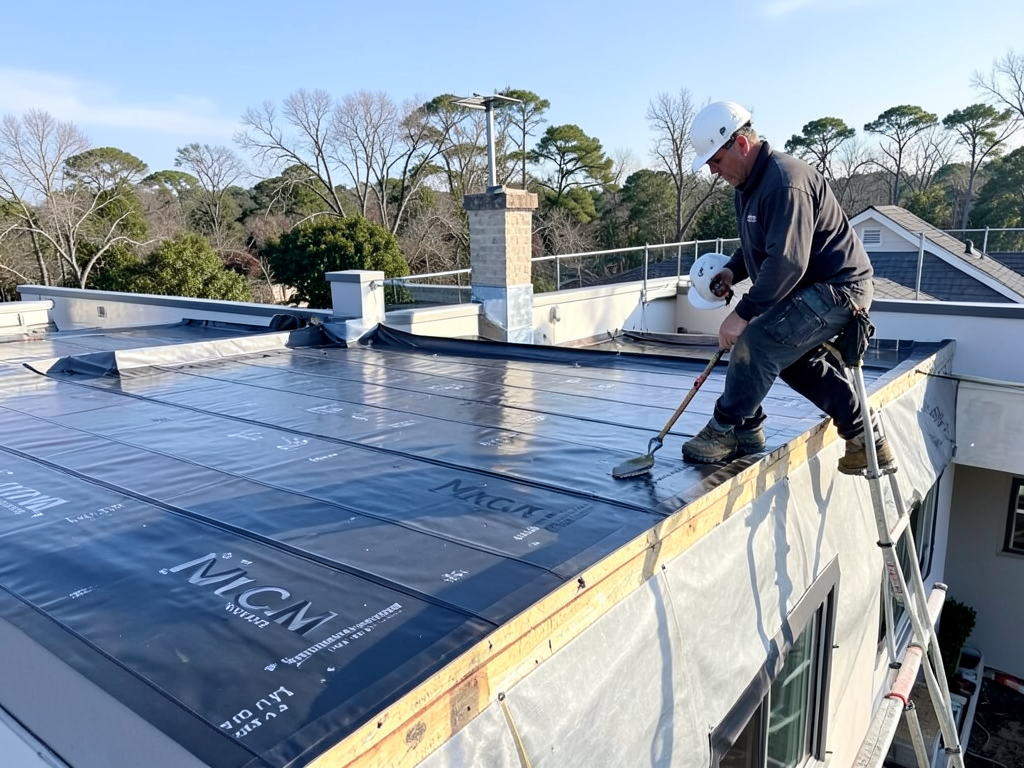
Why Mid-Century Modern Homes in West Terrace Require Specialized Roofing Care Mid-Century Modern homes in West Terrace represent a unique architectural heritage that demands specialized roofing expertise. These distinctive homes built between the 1940s and…
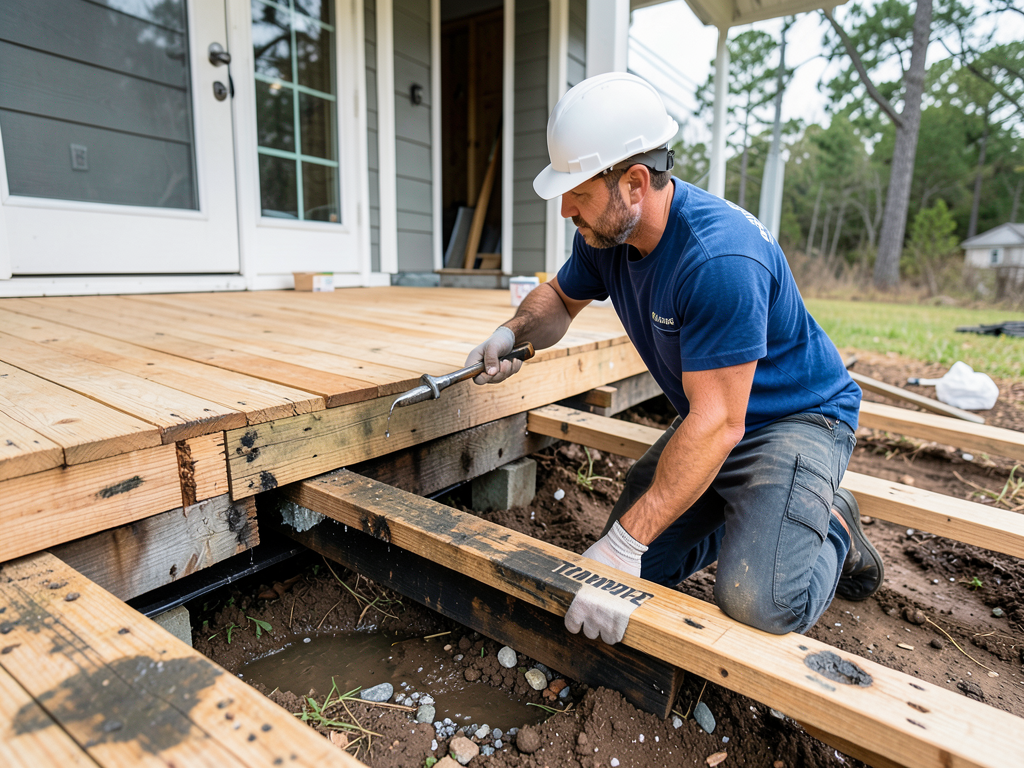
What to Do When Your Roofing Contractor Disappears Before the Job is Done Your roofer…
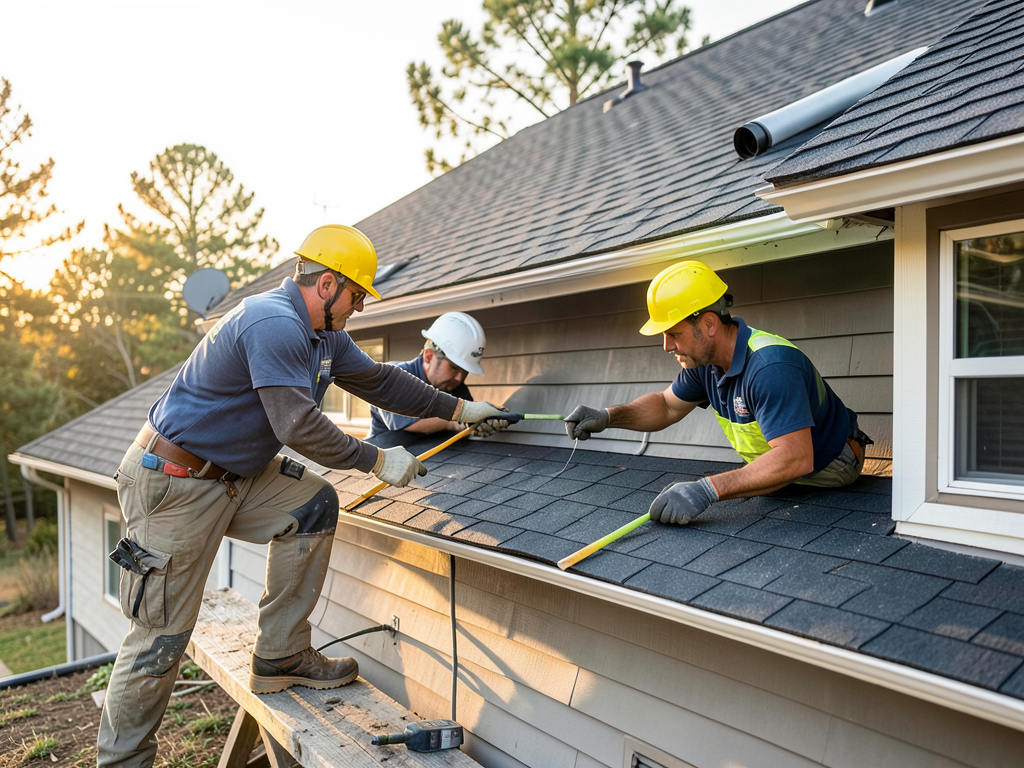
Florida’s summer heat transforms every roofing project in Pebble Creek into a carefully choreographed operation.…
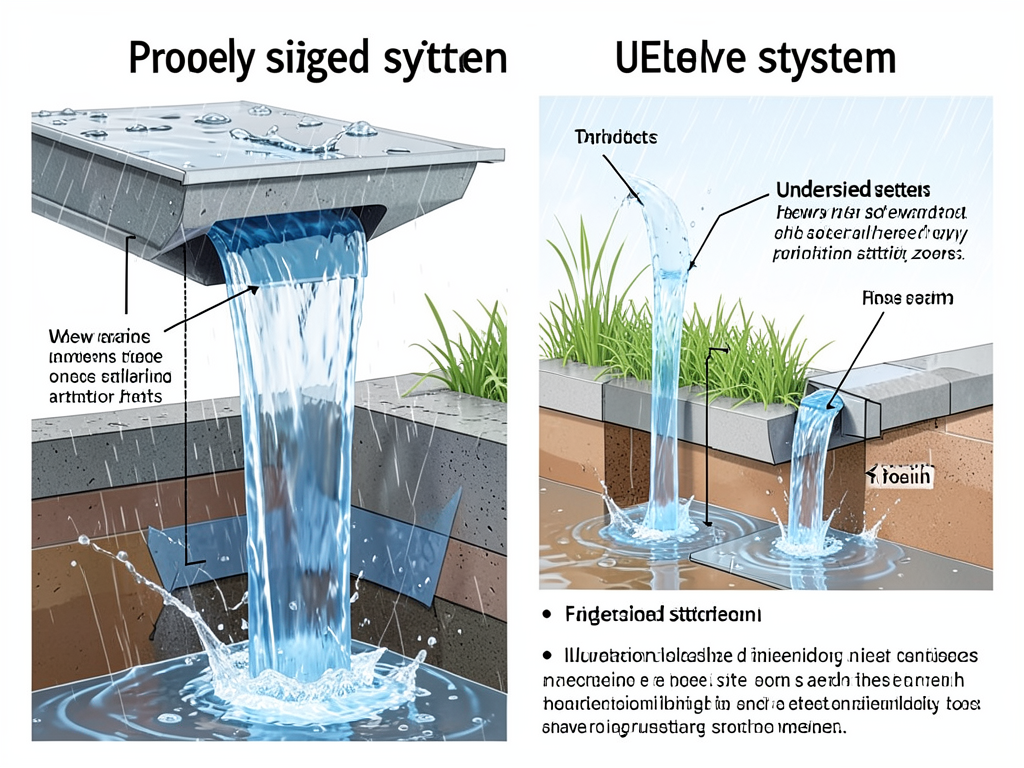
Why Your Gutters Are Overwhelming Your Foundation Even When They Aren't Clogged Heavy rain pounds…
Your roof protects everything inside your home. When damage occurs, fast action prevents expensive complications. Call Crestline Roofing Tampa now at (656) 245-0955 for immediate dispatch or schedule a free inspection. Our crews are ready to respond.