menu

Granules in Gutter in Tampa – Get an Expert Roof Diagnosis Before Minor Wear Becomes Major Damage

If you see shingle grit in gutters or loose granules in downspouts, your roof is warning you about accelerated aging. Our Tampa-based inspections pinpoint the exact cause and tell you what action to take before leaks start.

Slider Image 1
Slider Image 2
Slider Image 3
Slider Image 4
Slider Image 5
Slider Image 7
Slider Image 8
Slider Image 9
Slider Image 10
Slider Image 11

Why Tampa Roofs Shed Granules Faster Than You Think

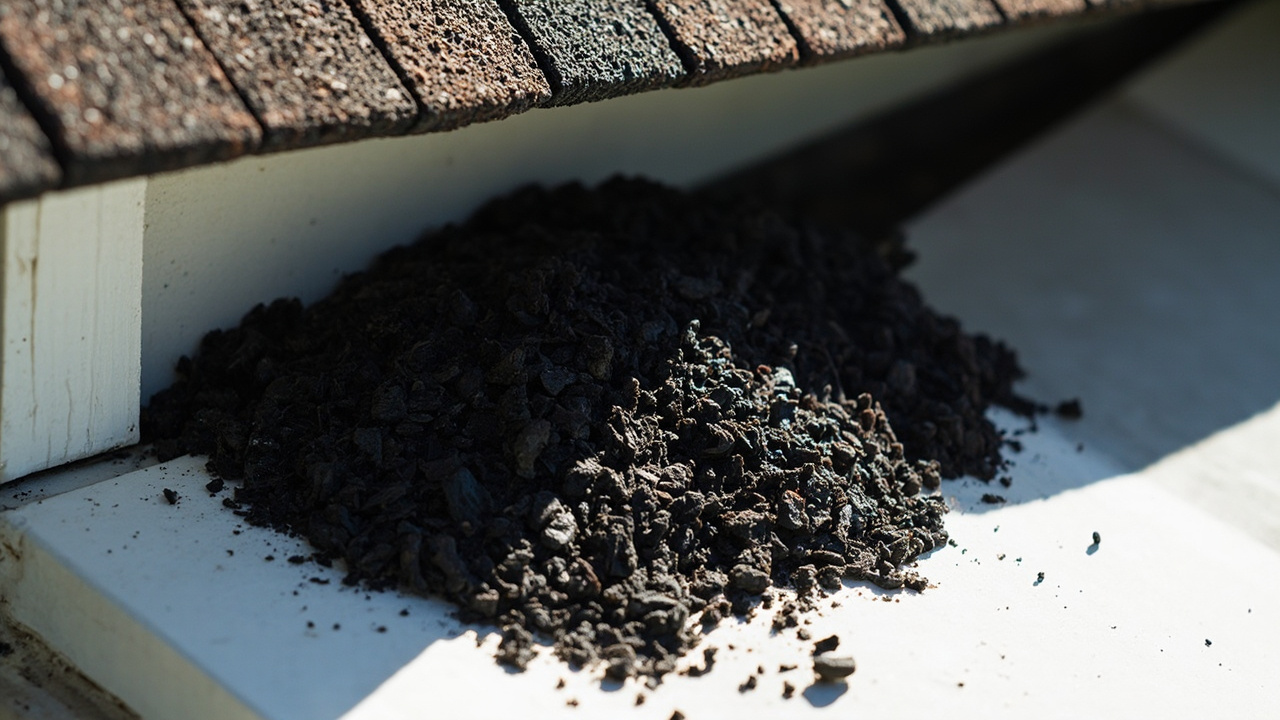
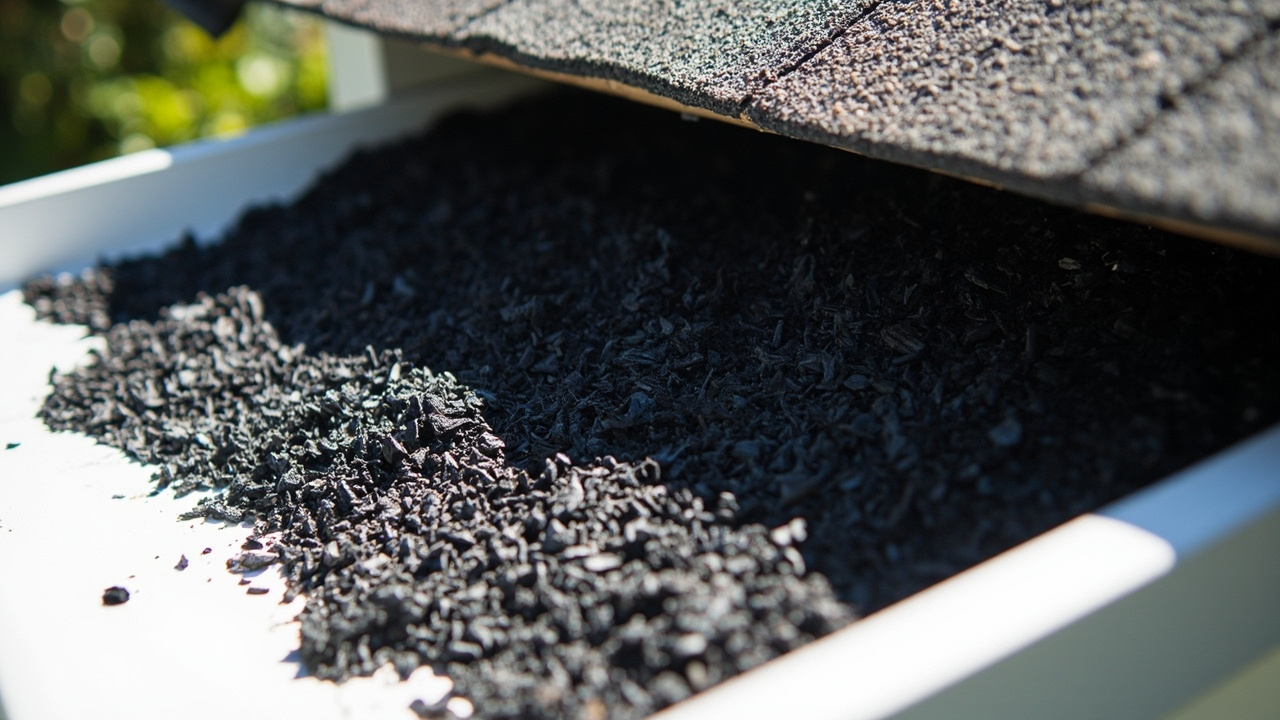
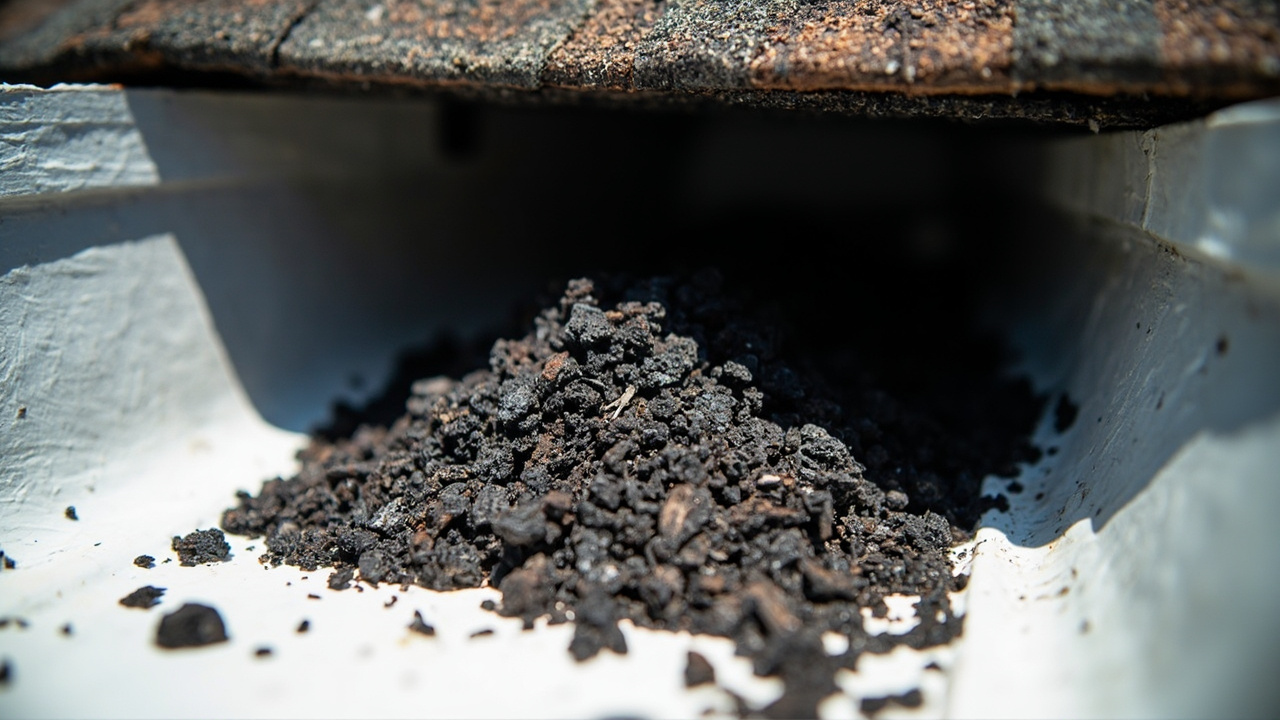
You cleaned your gutters and found a gritty, sand-like residue at the bottom. That is not dirt. Those are protective granules from your asphalt shingles, and they are supposed to stay attached to the roof surface.

Tampa's climate accelerates granule loss in ways most homeowners do not anticipate. Intense UV exposure during nine months of brutal sun degrades the asphalt binder that holds granules in place. Afternoon thunderstorms pummel roofs with high-velocity rain up to 140 days per year, dislodging loose particles and flushing shingle sediment into your gutter system. The cycle of scorching heat followed by sudden cooling from storms creates expansion and contraction that weakens the shingle matrix.

When you see asphalt shingle particles collecting in gutters or downspouts, you are looking at the first visible sign of shingle deterioration. Granules protect the asphalt layer beneath from UV damage. Without that shield, the shingle substrate breaks down rapidly. What starts as cosmetic wear becomes structural failure in months, not years.

Neighborhoods near the bay or Gulf see even faster degradation due to salt-laden air that accelerates oxidation. Older Tampa homes with original three-tab shingles from the 1990s or early 2000s are especially vulnerable. If your roof is over 15 years old and you are finding roof sand in gutters during every cleaning, you are past the early warning phase.

The question is not whether you have granule loss. The question is how much substrate damage already exists beneath the surface.

Why Tampa Roofs Shed Granules Faster Than You Think
How We Diagnose the Real Problem Behind Granule Shedding

How We Diagnose the Real Problem Behind Granule Shedding

Most roofers will tell you that granule loss means you need a full replacement. That is not always true. At Crestline Roofing Tampa, we perform a forensic-level inspection to determine whether you are seeing normal aging, manufacturing defect, storm damage, or premature failure.

We start by examining the distribution pattern of the granule loss. Uniform shedding across the entire roof plane usually indicates natural wear. Concentrated loss in valleys, along ridge caps, or on south-facing slopes points to specific failure points. We check for blistering, which occurs when moisture trapped under the shingle turns to steam and breaks the granule bond. We inspect for hail dimples, which fracture the ceramic coating and cause accelerated shedding in circular patterns.

We also assess the substrate integrity. Granules protect the fiberglass mat and asphalt coating beneath. Once they are gone, UV radiation bakes the asphalt into a brittle, cracked shell. We look for shingle curling, edge lifting, and露exposed fiberglass mat, which are the direct consequences of prolonged granule loss.

In Tampa, we also check for algae growth and fungal colonization. Dark streaks are not just cosmetic. Algae roots penetrate the shingle surface and disrupt granule adhesion, accelerating the shedding process.

Our inspection includes a gutter and downspout examination. If we find shingle grit concentrated near specific downspouts, we can map the damage to exact roof sections. We also test shingle flexibility. Brittle shingles snap under light pressure, while healthy shingles remain pliable.

You get a written report that explains what we found, what caused it, and what your options are. No pressure, no guessing.

What Happens When You Call Us About Shingle Grit in Your Gutters

Granules in Gutter in Tampa – Get an Expert Roof Diagnosis Before Minor Wear Becomes Major Damage
01

Roof Surface Assessment

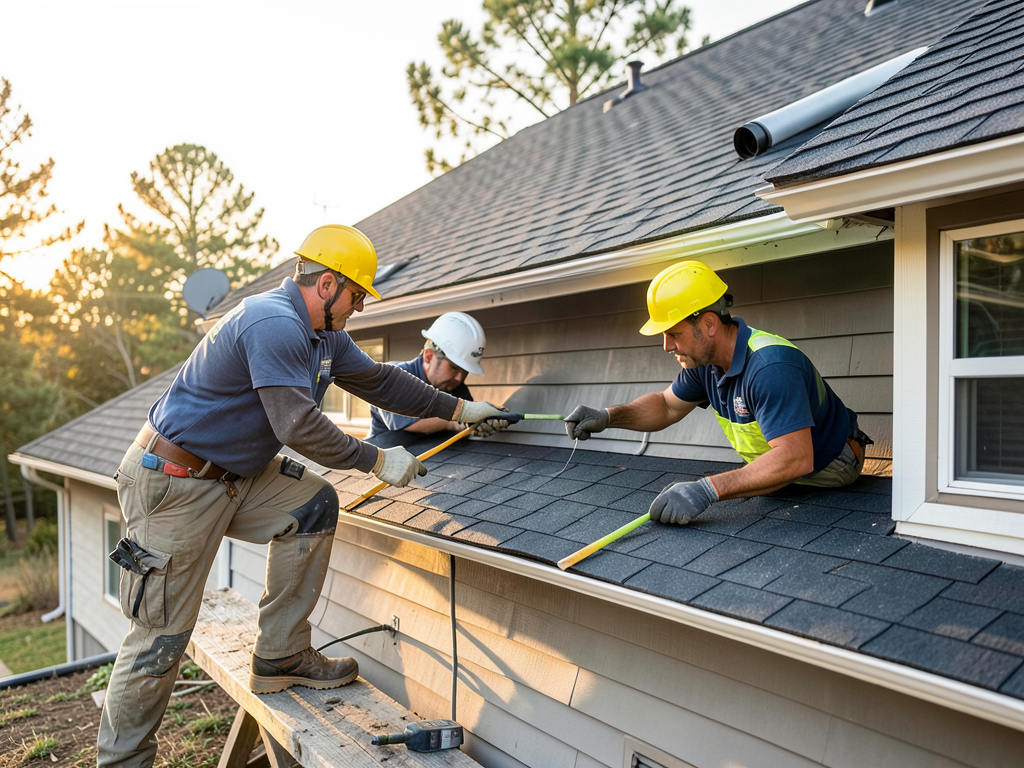
We climb onto your roof and visually inspect every section for granule loss patterns, substrate exposure, and shingle integrity. We photograph problem areas and document the extent of wear. You get a clear picture of what is happening on your roof, not a sales pitch. This step takes 30 to 45 minutes depending on roof complexity and pitch.
02

Cause Identification

We determine whether granule shedding results from age, storm damage, manufacturing defect, or improper ventilation. We check attic ventilation and insulation levels because excessive heat buildup accelerates shingle breakdown from below. We also review your roof's age and compare current condition against expected lifespan. This tells you whether you are on a normal wear curve or experiencing premature failure.
03

Action Plan Delivery

You receive a detailed report outlining the severity of granule loss, remaining roof lifespan, and recommended next steps. If repairs are sufficient, we explain exactly what needs fixing. If replacement is the smarter investment, we explain why. You get honest guidance based on what we found, not what generates the highest invoice. No surprises, no upselling.

Why Tampa Homeowners Trust Us to Call It Straight

Roofing companies in Tampa fall into two camps. The first group tells every homeowner they need a full replacement the moment they see granules in the gutter. The second group downplays obvious damage to avoid uncomfortable conversations. Neither approach serves you.

We built Crestline Roofing Tampa on a different principle. You get the truth, even when it is inconvenient. If your roof has five good years left, we tell you. If it needs replacement now to avoid interior damage, we explain exactly why waiting is a financial mistake.

Our team has inspected thousands of roofs across Tampa, from historic bungalows in Seminole Heights to newer construction in New Tampa. We know how Florida building codes evolved and how roofs from different decades perform under Tampa's unique weather patterns. We understand that homes near Hillsborough Bay face different challenges than properties inland near the interstate.

We also know how to work with insurance adjusters when storm damage is involved. Granule loss from hail impact looks different than age-related wear. We document the difference and provide the evidence your insurer needs to process legitimate claims. We do not inflate damage, and we do not ignore it.

You are not hiring a salesperson. You are hiring a diagnostician who happens to also install roofs. Our job is to tell you what is wrong, what caused it, and what fixes it. Your job is to decide what to do with that information.

Most of our business comes from referrals because homeowners remember who told them the truth when they needed it most.

What You Can Expect When We Inspect Your Roof for Granule Loss

Response Time and Scheduling

We schedule most inspections within 48 to 72 hours of your initial call. If you suspect storm damage or see active leaking, we move faster. Inspections typically take 45 minutes to an hour, depending on roof size and accessibility. We work around your schedule, including weekends. You do not need to be home during the inspection, but we recommend it so you can ask questions immediately after we come down from the roof.

How the Inspection Works

We perform a complete walk of your roof surface, checking every plane, valley, and transition point. We examine flashing around chimneys, vents, and skylights. We inspect attic ventilation and look for signs of moisture intrusion or inadequate airflow. We take photos of problem areas and measure the extent of granule loss using industry-standard assessment methods. You get a written report with photos that explains what we found in plain language.

The Diagnosis You Receive

Your report includes a condition rating, an estimate of remaining useful life, and a prioritized list of issues. If we find localized damage, we explain what repair options exist. If we find systemic failure, we explain why patchwork repairs waste money. You also get cost guidance so you can plan appropriately. We never pressure you to sign a contract the same day. You get time to review the findings and make an informed decision.

What Happens After the Inspection

If you choose to move forward with repairs or replacement, we provide a detailed proposal outlining scope, materials, timeline, and cost. If you decide to wait, we document current conditions so you have a baseline for future reference. We also provide maintenance recommendations to extend your roof's remaining lifespan. There is no obligation and no follow-up sales pressure. You call us when you are ready to proceed.

Frequently Asked Questions

You Have Questions,
We Have Answers

Is it normal to have shingle granules in the gutter? +

Yes, some granule shedding is normal, especially on new roofs. Fresh asphalt shingles shed loose granules during the first few months after installation. You will see a small amount in your gutters. This is not a problem. However, heavy granule loss after the first year signals accelerated shingle wear. Tampa's intense UV exposure and afternoon thunderstorms speed up this degradation. If your gutters fill with granules or you see bald spots on shingles, the protective layer is failing. This exposes the asphalt mat to direct sunlight and moisture, shortening your roof's lifespan significantly.

How much granule loss is too much? +

Excessive granule loss happens when you see consistent accumulation in gutters after the first year, bald patches on shingles, or dark streaks where the asphalt backing shows through. A few granules washing down during heavy rain is fine. If you can scoop handfuls from your gutters or notice shingles looking worn and discolored, you have a problem. Tampa's humidity and heat accelerate this wear. Check your gutters twice yearly. If granule buildup increases between inspections or shingles feel rough and bare to the touch, schedule a professional roof inspection immediately to assess remaining lifespan.

Are gutter hedgehogs a good idea? +

Gutter hedgehogs can reduce debris buildup but do not solve the underlying issue of granule loss. These cylindrical brushes sit inside gutters and let water flow while blocking leaves and twigs. They work for general debris control in Tampa's oak and pine-heavy neighborhoods. However, fine shingle granules pass right through the bristles and still accumulate. If you see granules, the problem is your roof, not your gutters. Hedgehogs also trap organic matter, which holds moisture and can encourage mold growth in Tampa's humid climate. Focus on fixing the roof first.

Why is there gravel in my gutters? +

That gravel is actually granules from your asphalt shingles. Manufacturers embed ceramic-coated mineral granules into the shingle surface to reflect UV rays and protect the underlying asphalt. Over time, the adhesive bond weakens from Tampa's relentless sun, high humidity, and thermal cycling. Granules wash off during rainstorms and collect in gutters. You might also see sand-like material if you have concrete or clay tile, though this is less common. The presence of gravel-like granules in your gutters means your shingles are aging and losing their protective coating, which leaves the asphalt exposed to damage.

Is granular loss covered by insurance? +

Granule loss from normal wear and aging is typically not covered by homeowners insurance. Insurance covers sudden, accidental damage like hail impact, windstorm tears, or fallen tree limbs. If a storm caused the granule loss, you may have coverage. Document the damage with photos and note the date of the storm event. Tampa homeowners should review their policy's roof coverage carefully. Some insurers limit payouts on roofs older than 15 years or apply actual cash value depreciation instead of replacement cost. File claims promptly after storm events and request a professional inspection to document storm-related damage versus wear.

How to tell if a roofer is lying? +

A dishonest roofer pressures you to file an insurance claim for normal wear, offers to waive your deductible, or finds hail damage when no storms occurred recently. Red flags include refusing to provide a detailed written estimate, asking for full payment upfront, or claiming your entire roof needs replacement when only minor repairs are needed. In Tampa, watch for contractors who appear after hurricanes offering free inspections but then inflate damage reports. Verify licensing through the state, check references, and get multiple opinions. Legitimate roofers explain findings clearly, provide documentation, and never push unnecessary work.

Does granular loss mean I need a new roof? +

Not always. The extent and location of granule loss determine whether you need replacement or repair. Localized loss from a single damaged shingle can be repaired. Widespread granule loss across the entire roof, especially if shingles are curling or cracking, means the roof is failing. In Tampa, asphalt shingles last 15 to 20 years due to extreme heat and UV exposure. If your roof is approaching this age and shedding granules heavily, replacement makes sense. A professional inspection identifies whether the decking, underlayment, and flashing also need work. Address granule loss early to prevent leaks and interior damage.

What does granular loss look like? +

Granule loss appears as dark or discolored patches on shingles where the black asphalt backing shows through. Shingles look worn, faded, or streaked. You will notice granules collecting in gutters and downspouts, sometimes forming piles near downspout exits. Run your hand across the shingle surface. Healthy shingles feel coarse and gritty. Shingles losing granules feel smooth or slick. From the ground, look for uneven coloring or shiny spots on your roof. Tampa's bright sunlight makes bald spots easier to see. Check gutters after rainstorms for accumulation of sand-like material, a clear sign of active shedding.

How old may a roof be before insurance claims it's too old? +

Most Tampa insurers scrutinize roofs older than 15 years and may deny coverage or require inspection for roofs over 20 years old. Policies vary widely. Some carriers will not insure homes with roofs older than 15 to 20 years unless recently inspected and certified. Others apply actual cash value depreciation, which reduces payouts based on age. Florida's competitive insurance market means rules change frequently. Review your policy annually and ask your agent about age limits. If your roof approaches 15 years, consider proactive replacement to maintain full coverage and avoid claim denials or policy non-renewal.

Do roofers recommend gutter guards? +

Most roofers support quality gutter guards to reduce maintenance and protect fascia boards from water overflow. Guards prevent clogs from leaves, pine needles, and debris common in Tampa's tree-covered neighborhoods. However, guards do not stop granule accumulation. Fine granules wash through mesh systems and still collect in gutters. Roofers recommend guards as a convenience feature, not a roof protection measure. If you install guards, choose systems that allow periodic cleaning access. Micro-mesh or perforated metal guards work better in Tampa's heavy rain than foam inserts, which trap moisture and encourage mold growth in the humid climate.

How Tampa's Rain Intensity Turns Minor Granule Loss Into a Leak Risk

Tampa receives an average of 46 inches of rainfall per year, but the delivery method matters more than the total volume. Afternoon thunderstorms dump high-velocity rain in short bursts, often exceeding two inches per hour. When shingle granules are missing, these intense downpours hammer exposed asphalt directly. The fiberglass mat beneath absorbs water, swells, and loses structural integrity. What started as cosmetic granule shedding becomes a penetration point for moisture within one storm season. Homes in South Tampa and along Bayshore Boulevard face additional wind-driven rain during tropical storms, which accelerates the progression from surface wear to active leak.

Tampa's building codes have evolved significantly over the past two decades, especially after the 2004 hurricane season. Roofs installed before these updates often lack the wind resistance and water-shedding features required today. If your roof predates the Florida Building Code's High Velocity Hurricane Zone requirements, granule loss may signal deeper compliance issues. Local roofers who understand these code transitions can identify whether your roof meets current standards or requires upgrades during replacement. Crestline Roofing Tampa has worked with city inspectors and understands the permitting process for roof replacements across Hillsborough County, which means fewer delays and fewer surprises during your project.
Roofing Services in The Tampa Area

We are proud to serve the entire area, providing exceptional roofing services to homeowners and businesses. While we travel directly to your location, you can view our main office on the map to get a sense of our central hub. Our local presence ensures we can respond quickly to your needs and provide the personalized service you deserve. We're always nearby, ready to help with your next roofing project.

Address:
Crestline Roofing Tampa, 2144 W Main St, Tampa, FL, 33607

Additional Services We Offer

Our news updates

Latest Articles & News from The Blogs

What to Do When Your Roofing Contractor Disappears Before the Job is Done Your roofer vanished mid-project and now your…

What to Do When Your Roofing Contractor Disappears Before the Job is Done

What to Do When Your Roofing Contractor Disappears Before the Job is Done Your roofer vanished mid-project and now your…

How the Florida Heat Impacts the Installation Process of Your Pebble Creek Roof

Florida’s summer heat transforms every roofing project in Pebble Creek into a carefully choreographed operation. Asphalt shingles soften at temperatures…

Why Your Gutters Are Overwhelming Your Foundation Even When They Aren't Clogged

Why Your Gutters Are Overwhelming Your Foundation Even When They Aren't Clogged Heavy rain pounds Tampa rooftops during summer afternoons,…

Contact Us

Call (656) 245-0955 now to schedule your roof inspection. We will tell you exactly what is causing the granule loss, how serious it is, and what your best options are. No sales games, just honest answers.