


Citrus Park sits in the heart of Hillsborough County, where roof systems face constant assault from Florida's subtropical climate. Summer temperatures exceed 90 degrees for months, baking asphalt shingles and degrading sealants faster than in cooler regions. Afternoon thunderstorms dump heavy rain while producing sudden wind gusts that lift shingles and expose underlayment. The combination of heat and humidity accelerates algae growth on north-facing slopes, creating dark streaks that indicate moisture retention.
Local building codes require wind resistance ratings of 130 mph minimum for new installations, reflecting the region's hurricane exposure. Homes near Lake Keystone and around Citrus Park Town Center experience different drainage patterns than properties closer to the Veterans Expressway corridor, affecting how water sheets off roofs and where pooling occurs. Tile roofs common in newer developments require different maintenance than the architectural shingles found throughout established neighborhoods off Gunn Highway.
The sandy soil throughout Citrus Park allows homes to settle unevenly, creating stress points where roof planes meet. This settlement can break sealant bonds and create gaps where water infiltrates. Properties shaded by mature oak trees face additional challenges from falling branches, accumulated debris, and constant moisture from overhanging canopies. Understanding these specific conditions determines whether your roof gets repaired correctly or fails again within months.
Crestline Roofing Tampa has repaired and replaced roofs throughout Citrus Park's neighborhoods for years, building a reputation based on rapid response and quality workmanship. We understand how quickly a small leak becomes major water damage in Florida's climate, which is why we prioritize emergency calls and arrive prepared to stop active damage immediately.
Our crews know the architectural styles throughout Citrus Park, from the hip roofs common in older ranch homes to the complex valley systems in newer two-story constructions. We stock materials that match existing installations and meet current Florida Building Code requirements, eliminating delays waiting for special orders. When insurance companies require documentation after storm damage, we provide detailed assessments with photos and measurements that support your claim.
We approach every job understanding that your roof protects everything underneath. A patch that fails in three months wastes your money and risks interior damage. We remove damaged materials completely, inspect the decking underneath for hidden rot, and install new components using proper techniques that ensure water runs off as designed. Our installation crews follow manufacturer specifications exactly because shortcuts create callback problems we refuse to deal with.
Citrus Park homeowners face constant marketing from out-of-area contractors who appear after every storm, take deposits, and disappear. We maintain a local presence, stand behind our work, and answer our phone when you call months later with questions. Our reputation depends on roofs that perform through multiple hurricane seasons, not quick installations that generate fast cash.

We dispatch crews quickly when storm damage or sudden leaks threaten your home. Our trucks carry tarps, sealants, and emergency patching materials to stop active water intrusion immediately. We protect your property first, then develop a complete repair plan once the emergency is controlled and you can make informed decisions without panic.

We document storm damage thoroughly with measurements, photos, and detailed notes that insurance adjusters require. Our estimates break down material and labor costs clearly, helping you understand what your policy should cover. We work directly with adjusters, answer their questions, and provide additional documentation when claims face resistance, protecting your interests throughout the process.
We install roofing products rated for Florida's climate and wind requirements. Our material suppliers provide products with proven performance records in coastal conditions, backed by manufacturer warranties we help you understand and maintain. We match existing materials for repairs and recommend upgrades when replacement makes more sense than continued patching of failing systems.
We know Citrus Park's neighborhoods, drainage patterns, and common roof configurations. Our experience with local soil conditions, tree coverage, and weather patterns informs our assessment of what's causing your problems and how to fix them permanently. We understand permit requirements in Hillsborough County and maintain relationships with inspectors who verify our work meets code.
Crestline Roofing Tampa handles every aspect of residential roofing, from emergency leak repairs to complete tear-offs and replacements. Our service range covers urgent storm damage response, scheduled maintenance that prevents problems, and full system replacements when repair costs exceed replacement value. We work on all common roof types found throughout Citrus Park, including asphalt shingle systems, tile installations, and flat roof applications on additions and covered patios.
Our approach starts with accurate diagnosis of what's actually wrong. A leak in your ceiling doesn't always originate directly above the water stain. We trace water paths through attic spaces, identify entry points, and determine whether you need targeted repair or if surrounding materials have degraded beyond effective patching. This diagnostic process prevents wasted money on repairs that don't solve the underlying problem.
We break our services into three main categories based on urgency and scope. Emergency repairs address active damage that threatens your property right now. Scheduled repairs and maintenance handle known issues before they become emergencies. Complete replacements make sense when your roof system has reached the end of its service life or when damage is too extensive for cost-effective repair. Each category requires different planning, materials, and execution approaches.
When storms rip shingles off your roof or falling branches puncture the surface, water enters your home within minutes. We dispatch crews rapidly to install temporary protection, stop active leaks, and prevent further damage while we assess the full scope. Our emergency service includes tarping exposed areas, securing loose materials that could blow off completely, and documenting damage for insurance claims. We arrive with materials to make permanent repairs when possible or protect your home until complete restoration can be scheduled.
Not every roof problem requires complete replacement. We repair specific damaged areas, replace deteriorated flashing around chimneys and vents, reseal valleys where water concentrates, and fix improperly installed components from previous work. Regular maintenance includes cleaning debris from valleys and gutters, treating algae growth, inspecting sealants and caulking, and identifying minor issues before they become major leaks. These scheduled services cost far less than emergency repairs and protect your investment by maximizing the life of your current system.
When your roof reaches 15 to 20 years old, or when repair costs approach replacement value, complete tear-off and installation makes financial sense. We remove all existing materials down to the decking, inspect and repair structural components, install proper underlayment and ice-and-water shield, and put on a completely new system with updated ventilation. Full replacements include permits, inspections, and manufacturer warranties that give you decades of protection. We coordinate with you to minimize disruption and protect landscaping throughout the process.
Citrus Park's climate and vegetation create specific challenges that damage roofs faster than in drier regions. The combination of intense sun, heavy rain, and high humidity breaks down roofing materials through constant expansion and contraction cycles. Properties throughout neighborhoods like Woodmont and around Lake Keystone face additional stress from mature tree canopies that shade roofs, keeping them damp and promoting organic growth.
Understanding these common problems helps you identify damage early, when repairs cost less and prevent interior damage. Many homeowners ignore minor issues until water stains appear on ceilings, by which point rot may have spread through decking and framing. The problems below represent the most frequent calls we receive from Citrus Park residents, along with the underlying causes we find during inspections.
Afternoon thunderstorms and tropical weather produce sudden wind gusts that lift shingles, break sealant bonds, and sometimes remove entire sections. Once underlayment is exposed, the next rain enters your attic. We see this most commonly on west-facing slopes that take the brunt of prevailing winds and on roof edges where wind pressure is highest during storms.
Valleys where two roof planes meet concentrate water flow, putting stress on sealants and metal flashing. Improper installation or degraded materials allow water to slip under shingles. Flashing around chimneys, vents, and skylights experiences similar problems when sealants dry out and crack. These leaks often appear during heavy rain but stop when weather clears, making them harder to diagnose.
Dark streaks running down your roof indicate algae feeding on limestone filler in shingles. While primarily cosmetic, heavy growth retains moisture against the surface, accelerating deterioration. Properties with overhanging trees experience worse problems as shade keeps shingles damp and falling debris provides nutrients. Left untreated, this growth shortens roof life by years.
Drip edge at roof perimeters directs water into gutters and protects fascia boards from moisture. When missing or improperly installed, water runs behind gutters and rots fascia and soffit. We find this problem frequently on older homes where drip edge was never installed or has corroded away. The resulting wood rot requires carpentry repair before we can secure new edge properly.
We structure our service around clear communication and realistic expectations. Roofing work involves weather dependencies, permit requirements, and material coordination that can affect scheduling. We explain these factors upfront so you understand the timeline and what's happening at each stage.
Our process starts with thorough inspection, either as emergency assessment after storm damage or scheduled evaluation of known problems. We access your roof safely, photograph problem areas, and measure damaged sections. This documentation supports our estimate and helps you understand what we found. For insurance claims, these photos become critical evidence of storm damage versus pre-existing wear.
Once you approve our estimate, we schedule work based on weather, material availability, and permit requirements when needed. We protect your property during installation, clean up debris daily, and conduct final inspections before asking for payment. Our goal is completing quality work without surprises or drama, giving you a roof that performs correctly for years.
We inspect your roof thoroughly and explain what we find in plain language. Our estimates break down material and labor costs separately, identify what requires immediate repair versus what can wait, and give you options when multiple approaches could work. We never pressure you to buy services you don't need, and we answer questions until you understand the scope completely. If your damage qualifies for insurance coverage, we explain the claims process and what documentation you need.
Our crews follow manufacturer specifications and Florida Building Code requirements exactly. We install proper underlayment, use correct fastener patterns, seal all penetrations, and ensure adequate ventilation. When permits are required, we handle the paperwork and coordinate inspections. We protect your landscaping with tarps, use magnetic tools to collect fallen nails, and remove all debris daily. You get professional workmanship without shortcuts that create future problems.
We provide warranty information for materials and guarantee our labor. If problems appear after installation due to our workmanship, we return and fix them at no charge. We maintain detailed records of your project, making warranty service straightforward if needed. Our business depends on reputation, which means we can't afford callbacks from poor quality work. You get our phone number and can reach us if questions arise months or years later.
We keep the process simple and efficient. From your first call to final cleanup, you know what happens next and when to expect it. No mystery, no runaround.
We schedule a convenient time to inspect your roof, either as emergency response or planned evaluation. Our inspector photographs damage, measures affected areas, and identifies underlying causes. We provide a detailed written estimate explaining what needs repair, why it's necessary, and how much it costs. For insurance claims, we document everything adjusters require. You receive this estimate typically within 24 hours of inspection, giving you time to review and ask questions before committing.
Once you approve the estimate, we schedule work based on weather forecasts and material availability. We protect your property with tarps and ground coverings, complete the work according to code requirements, and maintain a clean job site. Our crew supervisor communicates progress and alerts you to any unexpected findings that require decisions. Most repairs complete in one day. Full replacements typically take two to four days depending on roof size and complexity.
We conduct a thorough cleanup using magnetic tools to collect nails and metal debris, haul away all removed materials, and inspect the completed work. For jobs requiring permits, we coordinate final inspection with the county. We walk you through the finished project, explain maintenance recommendations, and provide warranty documentation. Payment is due upon satisfactory completion. You receive our contact information for any future questions or service needs.
Hillsborough County enforces Florida Building Code requirements that reflect the region's exposure to hurricanes and severe weather. These codes specify minimum standards for wind resistance, fastener patterns, underlayment types, and flashing installation. Compliance isn't optional, and improper installation voids manufacturer warranties while creating liability if your roof fails during a storm.
The High Velocity Hurricane Zone designation that covers coastal areas doesn't extend to Citrus Park, but wind requirements remain strict. Asphalt shingles must meet ASTM D3161 Class F wind resistance standards, which test performance in 110 mph winds. Most insurance companies require Class 4 impact-resistant shingles for new installations, which resist hail damage and often qualify for premium discounts. These specifications affect material selection and installation methods.
Underlayment requirements have changed significantly over the past decade. Standard felt paper no longer meets code for most applications. Synthetic underlayment provides superior tear resistance and moisture protection, while self-adhering membranes are required in valleys and around penetrations. These materials cost more than old-style felt but perform dramatically better in Florida's climate.
Proper ventilation might be the most overlooked aspect of roofing systems. Inadequate attic ventilation traps heat and moisture, cooking shingles from underneath and promoting mold growth. Code requires specific intake and exhaust ventilation ratios based on attic square footage. We calculate these requirements for every installation and add vents when existing systems fall short. The upfront cost is minimal compared to the extended roof life proper ventilation provides.
Permit requirements vary based on project scope. Simple repairs under 100 square feet typically don't require permits, but complete tear-offs always do. Permit costs include plan review and two inspections, one after decking is exposed and another after installation completes. Some homeowners want to skip permits to save money, but unpermitted work creates problems when you sell your home and leaves you liable if problems occur. We pull permits for all work that requires them, ensuring your project is legal and documented.
Florida requires shingles rated for minimum 110 mph winds through proper fastening patterns and approved materials. Impact-resistant Class 4 shingles cost more but resist hail damage and qualify for insurance discounts. We install only products that meet or exceed code requirements, using fastener patterns the manufacturer specifies. Proper installation determines whether your roof survives the next major storm or becomes a blue tarp neighborhood.
Roof complexity affects installation costs more than square footage alone. Multiple valleys, numerous penetrations, steep slopes, and tile or metal materials require more labor than simple gable roofs with asphalt shingles. Decking repair adds cost when we find rot during tear-off. Material quality varies significantly, with premium shingles lasting 30 years compared to 15 for basic options. We explain these variables so you understand what drives your estimate.
Asphalt shingle roofs last 15 to 25 years in Florida depending on quality, ventilation, and maintenance. Tile roofs can last 50 years, but underlayment beneath tiles requires replacement every 20 years. We assess remaining service life during inspections, helping you plan replacement before emergency failures occur. Weather delays are common during summer storm season, so scheduling flexibility is important when planning major projects.
Material warranties range from 20 years to lifetime depending on product line. These warranties cover manufacturing defects but exclude damage from improper installation, inadequate ventilation, or failure to maintain the roof. We install according to manufacturer specifications so your warranty remains valid. Labor warranties are separate and vary by contractor. We provide written guarantees on our workmanship, protecting you from installation defects.
Educational video explaining common roofing problems affecting Citrus Park homeowners, including wind damage, valley leaks, algae growth, and flashing failures. Covers when to repair versus replace, Florida Building Code requirements, and what proper installation includes. Provides guidance on selecting qualified roofing contractors and understanding material options for Florida's climate. Includes information about emergency storm response, scheduled maintenance services, and complete roof replacement processes for residential properties.
Crestline Roofing Tampa serves all of Citrus Park and the surrounding communities in northwest Hillsborough County. Our service area extends from the established neighborhoods along Gunn Highway west to the newer developments near Citrus Park Town Center. We regularly work on homes throughout the Citrus Park community, including properties around Lake Keystone where mature landscaping and waterfront exposure create unique drainage challenges.
The neighborhoods north of West Linebaugh Avenue contain many original Citrus Park homes built in the 1980s and 1990s, now reaching the age where complete roof replacement makes more sense than continued repairs. These properties often feature hip roof designs with moderate slopes and architectural shingles that have weathered 20 to 25 Florida summers. South of Linebaugh, newer construction includes more complex roof lines with multiple valleys and tile installations that require specialized repair techniques.
Properties near the Veterans Expressway corridor experience different wind patterns than homes deeper in residential areas, affecting how storms impact roofs. The western sections of Citrus Park, closer to the Suncoast Parkway, include both established communities and active new construction, creating demand for both replacement services and new installation. We know these areas well, understanding how local topography, vegetation density, and building styles affect roofing needs.
Our service extends into adjacent communities including Cheval to the north, where larger estate homes feature complex roof systems with extensive square footage. To the south, we serve areas around Town 'N' Country and Carrollwood, where urban density and mature tree coverage create maintenance challenges. East toward Tampa, we work throughout the Northdale and University areas where commercial and residential properties mix.
We maintain familiarity with neighborhood architectural styles, common construction methods from different eras, and how local conditions affect roof performance. This knowledge helps us diagnose problems accurately and recommend solutions appropriate for your specific location. Whether you're near the shops and restaurants around Sheldon Road or in the quieter residential streets north of Ehrlich Road, we know your area and how roofs perform there.
Citrus Park experiences intense sun exposure, high humidity, and frequent storms. Your roof faces constant thermal cycling as temperatures shift between hot days and cooler nights. This climate accelerates wear on shingles and flashing. Hurricane season brings wind-driven rain and debris impacts. You need materials rated for high winds and moisture resistance. Asphalt shingles typically last 15-20 years here, while metal and tile roofs offer longer lifespans. Regular inspections help you catch problems early. Check for missing granules, cracked shingles, and damaged flashing after storms. Proper attic ventilation prevents moisture buildup and extends roof life.
Start with visual inspections from the ground twice yearly. Look for missing or damaged shingles, sagging areas, and debris accumulation. Check your attic for water stains, mold growth, and daylight showing through boards. Inspect flashing around chimneys, vents, and skylights for gaps or corrosion. Clean gutters quarterly to prevent water backup. Remove moss and algae growth promptly. Trim overhanging branches to reduce debris and prevent damage. After major storms, walk your property and document visible damage. Schedule professional inspections every three years or after severe weather. Address minor issues immediately to prevent expensive repairs.
Asphalt shingles offer affordability and adequate performance for most homes. Architectural shingles provide better wind resistance and aesthetics than three-tab versions. Metal roofing excels in durability and reflects heat, reducing cooling needs. Concrete and clay tiles withstand harsh weather and last decades. Each material has different wind ratings, maintenance needs, and appearance options. Consider your home style, budget, and long-term plans. Impact-resistant shingles help protect against hail and debris. Your choice affects energy efficiency, resale value, and replacement frequency. Get multiple material options during estimates to compare features and longevity.
Citrus Park experiences intense sun exposure, high humidity, and frequent storms. Your roof faces constant thermal cycling as temperatures shift between hot days and cooler nights. This climate accelerates wear on shingles and flashing. Hurricane season brings wind-driven rain and debris impacts. You need materials rated for high winds and moisture resistance. Asphalt shingles typically last 15-20 years here, while metal and tile roofs offer longer lifespans. Regular inspections help you catch problems early. Check for missing granules, cracked shingles, and damaged flashing after storms. Proper attic ventilation prevents moisture buildup and extends roof life.
Start with visual inspections from the ground twice yearly. Look for missing or damaged shingles, sagging areas, and debris accumulation. Check your attic for water stains, mold growth, and daylight showing through boards. Inspect flashing around chimneys, vents, and skylights for gaps or corrosion. Clean gutters quarterly to prevent water backup. Remove moss and algae growth promptly. Trim overhanging branches to reduce debris and prevent damage. After major storms, walk your property and document visible damage. Schedule professional inspections every three years or after severe weather. Address minor issues immediately to prevent expensive repairs.
Asphalt shingles offer affordability and adequate performance for most homes. Architectural shingles provide better wind resistance and aesthetics than three-tab versions. Metal roofing excels in durability and reflects heat, reducing cooling needs. Concrete and clay tiles withstand harsh weather and last decades. Each material has different wind ratings, maintenance needs, and appearance options. Consider your home style, budget, and long-term plans. Impact-resistant shingles help protect against hail and debris. Your choice affects energy efficiency, resale value, and replacement frequency. Get multiple material options during estimates to compare features and longevity.
Most asphalt shingle roofs need replacement every 15-20 years in Florida's climate. Signs include widespread granule loss, multiple leaks, curling shingles, and visible wear. Missing shingles after storms indicate declining adhesive strength. Check your attic for water damage and inadequate insulation during replacement. The process takes 1-3 days for average homes. Contractors remove old materials, inspect decking, make repairs, and install new roofing. Timing matters. Schedule during dry months when possible. Replacement improves energy efficiency and increases home value. Keep records of work completed and materials used for future reference and warranty claims.
Watch for water stains on ceilings or walls. Missing, cracked, or curling shingles signal deterioration. Granules collecting in gutters mean shingle breakdown. Sagging roof sections indicate structural problems. Light visible through attic boards shows gaps. Moss or algae growth traps moisture and damages materials. Higher energy bills suggest poor insulation or ventilation. Damaged flashing around chimneys and vents creates leak points. Age matters. Roofs approaching 20 years need closer monitoring. After severe weather, inspect for wind damage and debris impacts. Address these signs quickly to prevent interior damage and costly structural repairs.
Get three written estimates from established local contractors. Check online reviews and ask for recent references. Verify they work regularly in Citrus Park and understand local building codes. Review their material options and warranty terms. Ask about their inspection process and how they handle unexpected damage. Request detailed written contracts before work begins. Good contractors communicate clearly about timelines and potential issues. They provide proper documentation for permits and inspections. Avoid those demanding full payment upfront or offering deals requiring immediate decisions. Compare proposals carefully, focusing on material quality and workmanship rather than lowest price alone.
The dry season from October through May offers the most reliable weather windows. Avoid summer months when afternoon thunderstorms disrupt work schedules. Hurricane season from June through November brings added risks. Scheduling during dry periods ensures proper installation and adhesive curing. Contractors often have better availability in fall and winter. Plan ahead. Popular contractors book weeks in advance. Emergency repairs happen year-round regardless of weather. If you need immediate work, temporary measures protect your home until permanent repairs occur. Consider your schedule too. Roofing creates noise and limits certain home access during installation.
Florida wind mitigation inspections reduce insurance premiums by documenting roof strength features. Inspectors examine roof-to-wall connections, roof deck attachment, roof covering type, and secondary water barriers. Proper installation of hurricane straps, sealed roof decking, and impact-resistant materials earn discounts. Your contractor should install these features during roof replacement. Keep all permits, receipts, and inspection reports. Submit documentation to your insurance company after work completes. Premium savings accumulate year after year. Qualified inspectors provide official forms your insurer needs. Schedule inspections soon after roof replacement to start saving immediately on insurance payments.
Schedule inspections after major storms and twice yearly otherwise. Clean gutters four times annually to prevent water backup. Remove debris and leaves promptly. Trim trees near your roof to prevent branch damage. Address minor repairs immediately before they worsen. Check attic ventilation stays clear and functional. Clean algae and moss growth when visible. Inspect and maintain flashing around chimneys and vents. Replace damaged or missing shingles quickly. Ensure soffit vents remain unblocked for proper airflow. Document maintenance activities with photos and dates. Regular attention extends roof life and maintains warranty coverage. Small investments in maintenance prevent major replacement expenses.
Standard homeowners insurance covers sudden storm damage like wind and hail. Policies exclude wear, age-related deterioration, and deferred maintenance. Document storm damage with photos immediately. File claims promptly after qualifying events. Insurance adjusters inspect damage and determine coverage. Your contractor provides repair estimates for comparison. Understand your deductible and coverage limits before filing. Keep maintenance records to prove proper care. Some insurers require periodic roof inspections for older roofs. Impact-resistant materials and proper installation reduce premiums. Review your policy annually. Consider replacement cost coverage rather than actual cash value for better protection. Insurance covers repairs, not upgrades.
Most asphalt shingle roofs need replacement every 15-20 years in Florida's climate. Signs include widespread granule loss, multiple leaks, curling shingles, and visible wear. Missing shingles after storms indicate declining adhesive strength. Check your attic for water damage and inadequate insulation during replacement. The process takes 1-3 days for average homes. Contractors remove old materials, inspect decking, make repairs, and install new roofing. Timing matters. Schedule during dry months when possible. Replacement improves energy efficiency and increases home value. Keep records of work completed and materials used for future reference and warranty claims.
Watch for water stains on ceilings or walls. Missing, cracked, or curling shingles signal deterioration. Granules collecting in gutters mean shingle breakdown. Sagging roof sections indicate structural problems. Light visible through attic boards shows gaps. Moss or algae growth traps moisture and damages materials. Higher energy bills suggest poor insulation or ventilation. Damaged flashing around chimneys and vents creates leak points. Age matters. Roofs approaching 20 years need closer monitoring. After severe weather, inspect for wind damage and debris impacts. Address these signs quickly to prevent interior damage and costly structural repairs.
Get three written estimates from established local contractors. Check online reviews and ask for recent references. Verify they work regularly in Citrus Park and understand local building codes. Review their material options and warranty terms. Ask about their inspection process and how they handle unexpected damage. Request detailed written contracts before work begins. Good contractors communicate clearly about timelines and potential issues. They provide proper documentation for permits and inspections. Avoid those demanding full payment upfront or offering deals requiring immediate decisions. Compare proposals carefully, focusing on material quality and workmanship rather than lowest price alone.
The dry season from October through May offers the most reliable weather windows. Avoid summer months when afternoon thunderstorms disrupt work schedules. Hurricane season from June through November brings added risks. Scheduling during dry periods ensures proper installation and adhesive curing. Contractors often have better availability in fall and winter. Plan ahead. Popular contractors book weeks in advance. Emergency repairs happen year-round regardless of weather. If you need immediate work, temporary measures protect your home until permanent repairs occur. Consider your schedule too. Roofing creates noise and limits certain home access during installation.
Florida wind mitigation inspections reduce insurance premiums by documenting roof strength features. Inspectors examine roof-to-wall connections, roof deck attachment, roof covering type, and secondary water barriers. Proper installation of hurricane straps, sealed roof decking, and impact-resistant materials earn discounts. Your contractor should install these features during roof replacement. Keep all permits, receipts, and inspection reports. Submit documentation to your insurance company after work completes. Premium savings accumulate year after year. Qualified inspectors provide official forms your insurer needs. Schedule inspections soon after roof replacement to start saving immediately on insurance payments.
Schedule inspections after major storms and twice yearly otherwise. Clean gutters four times annually to prevent water backup. Remove debris and leaves promptly. Trim trees near your roof to prevent branch damage. Address minor repairs immediately before they worsen. Check attic ventilation stays clear and functional. Clean algae and moss growth when visible. Inspect and maintain flashing around chimneys and vents. Replace damaged or missing shingles quickly. Ensure soffit vents remain unblocked for proper airflow. Document maintenance activities with photos and dates. Regular attention extends roof life and maintains warranty coverage. Small investments in maintenance prevent major replacement expenses.
Standard homeowners insurance covers sudden storm damage like wind and hail. Policies exclude wear, age-related deterioration, and deferred maintenance. Document storm damage with photos immediately. File claims promptly after qualifying events. Insurance adjusters inspect damage and determine coverage. Your contractor provides repair estimates for comparison. Understand your deductible and coverage limits before filing. Keep maintenance records to prove proper care. Some insurers require periodic roof inspections for older roofs. Impact-resistant materials and proper installation reduce premiums. Review your policy annually. Consider replacement cost coverage rather than actual cash value for better protection. Insurance covers repairs, not upgrades.
We are proud to serve the entire area, providing exceptional roofing services to homeowners and businesses. While we travel directly to your location, you can view our main office on the map to get a sense of our central hub. Our local presence ensures we can respond quickly to your needs and provide the personalized service you deserve. We're always nearby, ready to help with your next roofing project.
Address:
Citrus Park, FL, 33625
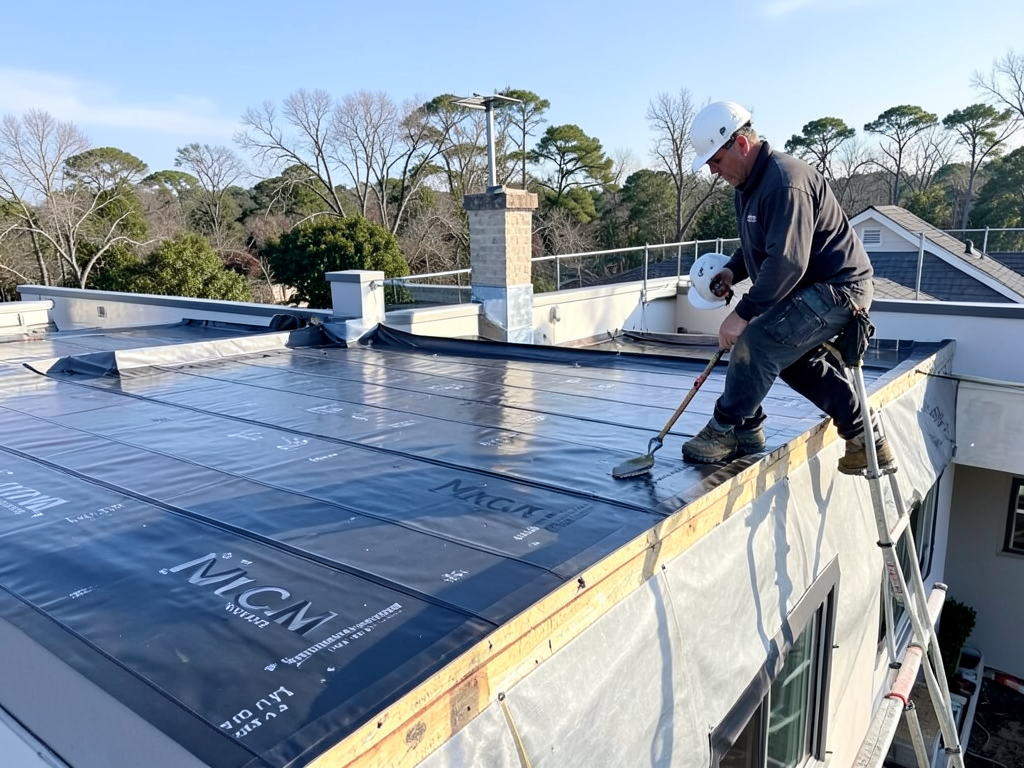
Why Mid-Century Modern Homes in West Terrace Require Specialized Roofing Care Mid-Century Modern homes in West Terrace represent a unique architectural heritage that demands specialized roofing expertise. These distinctive homes built between the 1940s and…
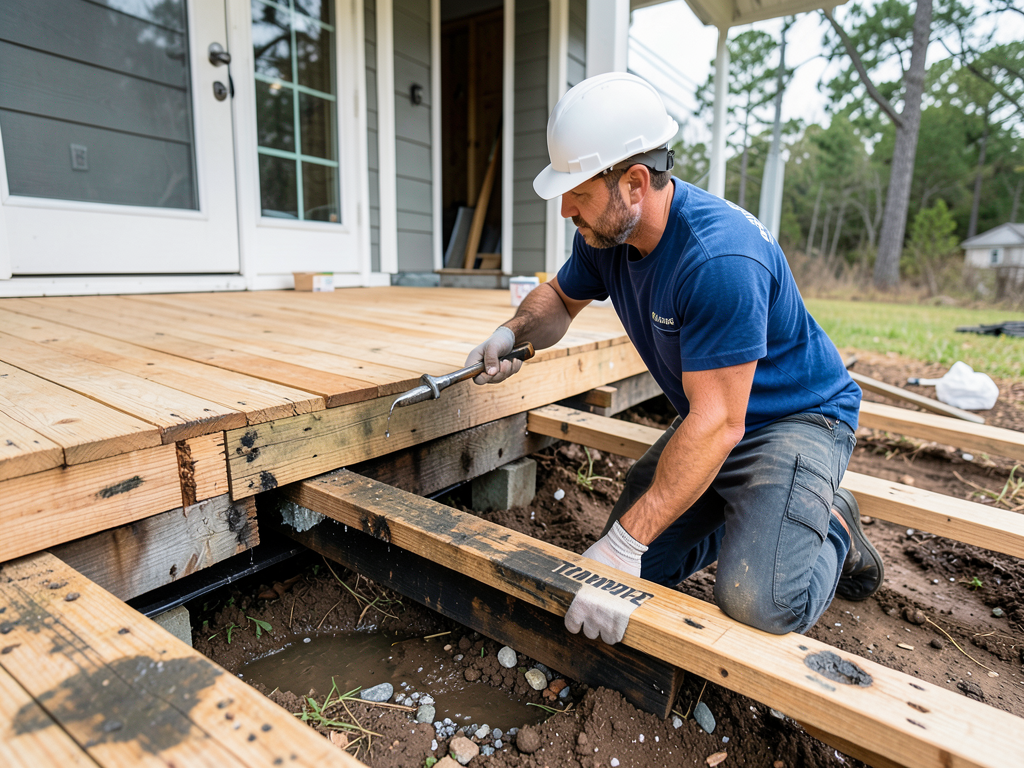
What to Do When Your Roofing Contractor Disappears Before the Job is Done Your roofer…
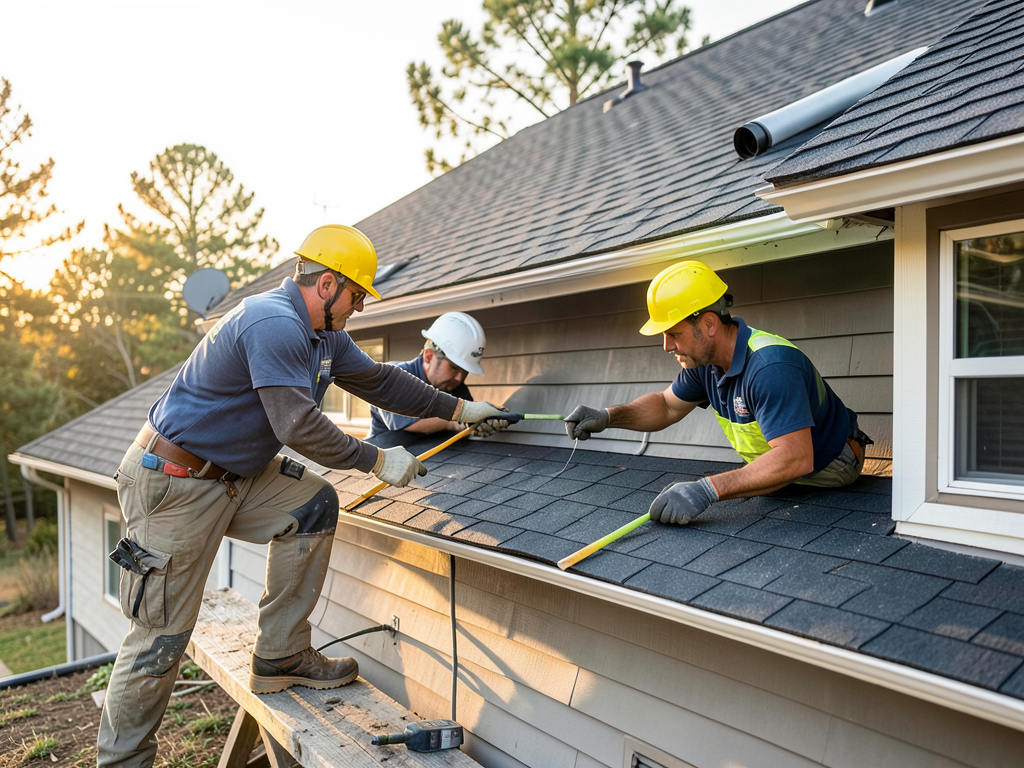
Florida’s summer heat transforms every roofing project in Pebble Creek into a carefully choreographed operation.…
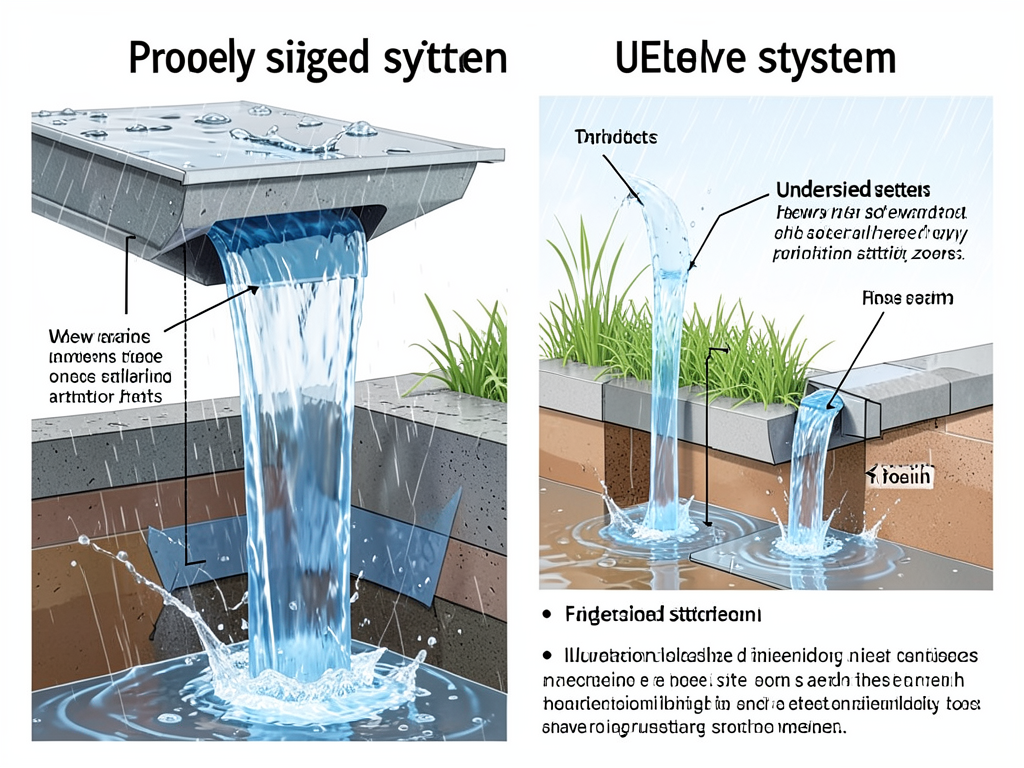
Why Your Gutters Are Overwhelming Your Foundation Even When They Aren't Clogged Heavy rain pounds…
Don't wait until small leaks become major water damage. Call Crestline Roofing Tampa at (656) 245-0955 right now for fast inspection and honest estimates. We respond quickly throughout Citrus Park, providing emergency repairs and scheduled service that protects your home and your investment.