menu

Can You Roof Over Existing Shingles in Tampa? – Expert Code Compliance & Structural Integrity Assessment

Get a professional structural evaluation to determine if adding a second layer of shingles is viable for your Tampa home, or if a full tear-off is required to meet Florida Building Code and prevent structural damage.

Slider Image 1
Slider Image 2
Slider Image 3
Slider Image 4
Slider Image 5
Slider Image 7
Slider Image 8
Slider Image 9
Slider Image 10
Slider Image 11

Why Tampa Homeowners Ask About Installing New Shingles Over Old Ones

You see neighbors getting new roofs without the mess of a full tear-off, and you wonder if a shingle overlay could save you time and money. The short answer is that reroofing over existing shingles is sometimes possible in Tampa, but it is rarely the best choice for long-term roof health.

Tampa's climate creates specific challenges for roof layovers. High humidity accelerates moisture trapping between shingle layers, which speeds up granule loss and mat deterioration. When you add a second layer of shingles over a roof that has already endured years of intense UV exposure, afternoon thunderstorms, and occasional tropical systems, you are doubling the weight on a deck that may already show signs of fatigue.

Florida Building Code limits residential structures to two layers of asphalt shingles maximum. If your home already has two layers, a tear-off is mandatory. Even if you only have one layer, the existing shingles must be in good structural condition with no curling, cupping, or soft spots. The deck underneath must be sound, with no sagging or water damage.

Most Tampa homes built before 2000 have roof decking that was not designed to carry the additional load of a roof layover. Adding 250 to 300 pounds per square of new material on top of old shingles increases the risk of deck failure, particularly around unsupported spans or areas weakened by previous leaks. The decision to install new shingles over old ones should never be made without a thorough structural inspection and an honest assessment of your existing roof condition.

Why Tampa Homeowners Ask About Installing New Shingles Over Old Ones
How We Determine if a Shingle Overlay is Structurally and Legally Viable

How We Determine if a Shingle Overlay is Structurally and Legally Viable

We start every roof evaluation with a deck inspection from the attic. We look for sagging rafters, water staining on the underside of the decking, and any signs of previous moisture intrusion. If the decking shows soft spots, mold growth, or structural deflection, a roof layover is not an option.

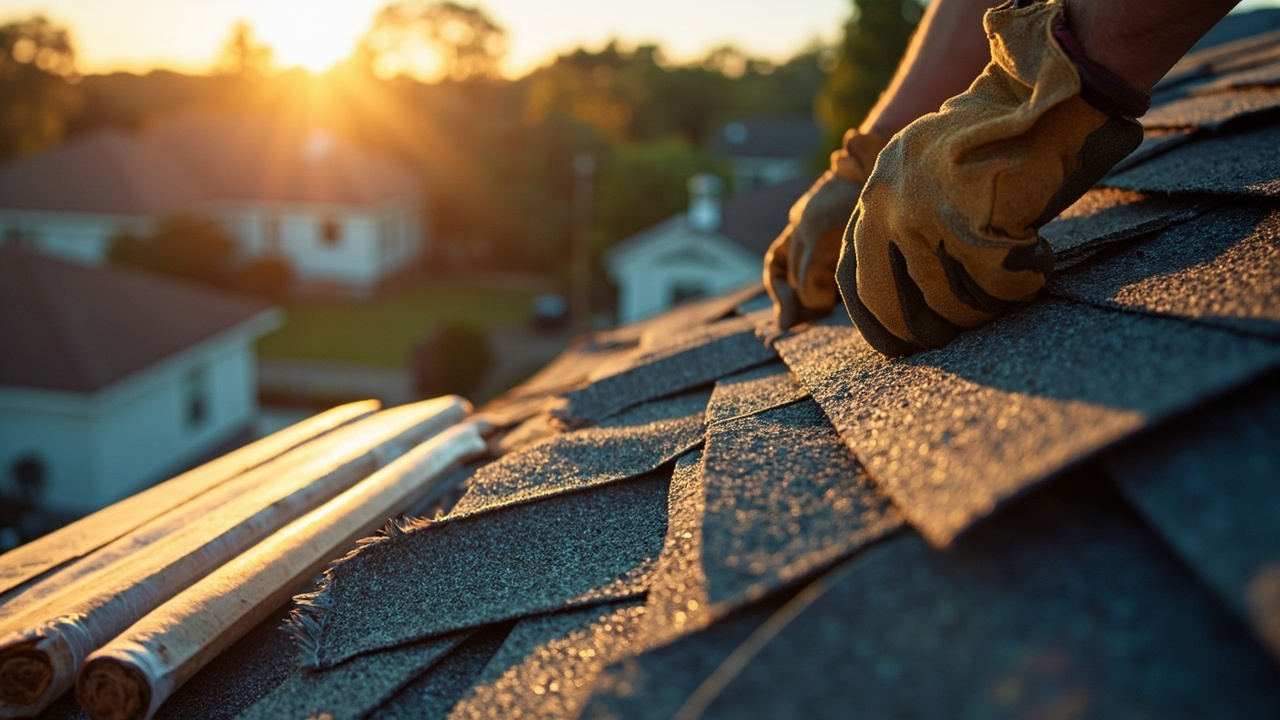
Next, we walk the roof surface to assess the condition of the existing shingles. We check for granule loss, which exposes the asphalt mat to UV degradation. We look for curling at the edges, which indicates thermal cycling damage. We inspect for missing shingles, lifted tabs, and areas where fasteners have backed out due to deck movement. If more than 20 percent of the existing shingles show these signs, adding a second layer will only trap failing material underneath and shorten the lifespan of your new roof.

We also evaluate the current layer count. We use a small pry bar to lift a shingle edge at the eave or rake to confirm how many layers are already in place. If we find two layers, the conversation shifts immediately to a full tear-off and replacement.

For homes that pass the structural and layer-count test, we measure the roof pitch. Any roof with a pitch below 4:12 is at higher risk for water infiltration and is generally not a good candidate for a shingle overlay. Steeper pitches shed water more effectively and reduce the risk of moisture trapping between layers.

We review your permit history with Hillsborough County to ensure that any previous roofing work was done with proper permits and inspections. Unpermitted work can complicate future roof layovers and create liability issues if you sell your home.

What Happens During Your Roof Layover Evaluation in Tampa

Can You Roof Over Existing Shingles in Tampa? – Expert Code Compliance & Structural Integrity Assessment
01

Attic and Deck Inspection

We access your attic to inspect the underside of the roof deck for water staining, mold, sagging, or previous repairs. We measure rafter spacing and evaluate whether the framing was engineered to support additional shingle weight. We document any ventilation deficiencies that could trap heat and moisture between shingle layers. This step determines if your structure can physically handle a roof layover without risking long-term damage or premature failure.
02

Surface Condition Assessment

We walk the entire roof surface to evaluate shingle condition, checking for granule loss, curling, cupping, blistering, and fastener failure. We confirm the current layer count by lifting shingle edges at multiple locations. We inspect all penetrations, valleys, and transition points where a second layer could create installation challenges. We photograph problem areas and provide a detailed assessment of whether reroofing over existing shingles is viable or if a full tear-off is required to meet code and protect your investment.
03

Code Compliance and Recommendation

We review Florida Building Code requirements and Hillsborough County permit history for your property. We provide a written recommendation that clearly states whether a shingle overlay is structurally sound and legally compliant. If a tear-off is required, we explain why and provide a transparent cost comparison. If a roof layover is viable, we outline the limitations, including reduced lifespan and potential warranty restrictions. You receive a clear path forward with no ambiguity about the best long-term solution for your Tampa home.

Why Tampa Homeowners Trust Crestline Roofing Tampa for Honest Roof Assessments

We do not push roof layovers to close deals faster. We evaluate every roof with the understanding that Tampa's climate demands durability, not shortcuts. A roof layover might save you money upfront, but if the underlying deck or existing shingles are compromised, you are buying a problem that will cost more to fix in three to five years.

We have seen too many homes in South Tampa, Seminole Heights, and Westchase where a previous contractor installed a second layer over failing shingles to avoid the cost of a dumpster and disposal fees. Those homeowners ended up with trapped moisture, accelerated granule loss, and deck rot that required a full replacement within a few years. We do not operate that way.

We pull permits for every job, even when a roof layover is technically allowed without one. Permits ensure that your work is inspected and documented, which protects your home value and gives you recourse if something goes wrong. Hillsborough County requires compliance with the Florida Building Code, and we make sure every installation meets or exceeds those standards.

We also understand that Tampa's wind exposure and frequent storm activity put additional stress on layered roofs. A second layer of shingles is heavier and more prone to uplift in high winds because the fasteners are not directly anchored into the deck. They are anchored into the old shingles, which may already be brittle and losing their hold. We factor wind load and fastener pull-through into every recommendation.

If a tear-off is necessary, we explain the benefits clearly. You get a clean deck inspection, the opportunity to upgrade underlayment to a high-performance synthetic, and the ability to install new flashing at every penetration and transition. You also get a roof that will last 20 to 25 years instead of 10 to 12.

What to Expect When You Call Crestline Roofing Tampa About a Roof Layover

Same-Week Roof Inspection

We schedule your roof evaluation within three to five business days of your call. Our inspection takes 45 to 90 minutes, depending on roof size and complexity. We access your attic, walk the roof surface, and document current conditions with photos. You receive a written assessment within 24 hours that clearly states whether a shingle overlay is viable or if a full tear-off is required. We do not leave you guessing about the best path forward.

Transparent Code and Structural Assessment

We explain Florida Building Code layer limits, wind load requirements, and deck capacity in plain language. We show you exactly where your roof passes or fails the criteria for a roof layover. We provide side-by-side cost comparisons between a shingle overlay and a full tear-off, including the lifespan difference and warranty implications. We do not use scare tactics, and we do not push unnecessary work. You get the information you need to make a confident decision about your Tampa home.

High-Quality Installation if a Layover is Approved

If your roof qualifies for a shingle overlay, we install the new layer with the same attention to detail as a full replacement. We use proper fastener lengths to ensure penetration through both shingle layers into solid deck. We install new drip edge, ridge vents, and pipe boots to prevent future leaks. We clean the roof surface before installation to remove debris and ensure proper adhesion. The result is a clean, watertight roof that meets code and performs reliably in Tampa's climate, even if it does not last as long as a full tear-off would.

Follow-Up and Maintenance Guidance

We provide clear maintenance guidelines for layered roofs, including the importance of annual inspections and prompt repair of any lifted or damaged shingles. We explain how to monitor for signs of trapped moisture or granule loss that could indicate premature failure. We offer scheduled maintenance plans to extend the life of your roof layover and catch small problems before they require costly repairs. If issues arise, we respond quickly and stand behind our work with documented service records and transparent communication.

Frequently Asked Questions

You Have Questions,
We Have Answers

Should you roof over existing shingles? +

Roofing over existing shingles can work in specific situations, but it is rarely the best choice in Tampa. The decision depends on your current roof condition. If the decking underneath is solid and you have only one layer of shingles, an overlay might be possible. However, Tampa's intense heat, high humidity, and hurricane exposure make tear-offs the smarter option. Overlays trap moisture between layers, accelerate deterioration, and can void manufacturer warranties. They also add weight, which matters during wind events. Most Tampa roofers recommend full removal to inspect the decking for hidden damage.

Do roofers always remove old shingles? +

Most professional roofers in Tampa remove old shingles before installing a new roof. This practice allows them to inspect the roof decking for rot, mold, or structural damage caused by moisture infiltration. Tampa's humidity and frequent afternoon storms create conditions where hidden problems go unnoticed under old shingles. Removing the old layer also ensures proper installation of underlayment and drip edge, which are critical for wind and water resistance. While overlays are possible in limited cases, reputable contractors prefer tear-offs because they extend roof lifespan and maintain warranty coverage.

Are roof overs a good idea? +

Roof overs are generally not a good idea in Tampa. They might save money upfront, but they create long-term problems. The extra layer adds weight to your structure, which matters during hurricane-force winds. Overlays also trap heat and moisture between shingle layers, causing premature aging and mold growth in Tampa's humid climate. You cannot inspect the roof decking for damage, which means hidden rot or structural issues go unaddressed. Most manufacturers will not honor warranties on overlays, and insurance companies often deny claims when problems arise. A proper tear-off protects your investment better.

Is it okay to put a new roof on top of an old roof? +

Putting a new roof on top of an old roof is technically possible but not recommended in Tampa. Building codes allow up to two layers of asphalt shingles, but that does not mean it is wise. The practice hides potential problems like rotted decking, damaged flashing, or inadequate ventilation. In Tampa's climate, moisture gets trapped between layers and accelerates decay. The added weight also stresses your roof structure during high winds. Insurance adjusters scrutinize overlays closely, and claims can be denied if damage stems from pre-existing conditions hidden beneath the old layer.

How long will a roof overlay last? +

A roof overlay typically lasts 10 to 15 years in Tampa, which is shorter than a properly installed tear-off replacement. The reduced lifespan happens because trapped heat and moisture between shingle layers accelerate deterioration. Tampa's brutal summer sun heats overlays faster, causing shingles to curl and crack prematurely. You also lose the protection of fresh underlayment and updated flashing details that defend against wind-driven rain. If the decking underneath has hidden damage, the overlay will fail even faster. Most roofing professionals recommend investing in a full replacement for better longevity.

Is it cheaper to put new shingles over old shingles? +

Yes, installing new shingles over old shingles costs less initially because you skip tear-off labor and disposal fees. You might save 20 to 25 percent on the project. However, this upfront savings often backfires in Tampa. Overlays wear out faster due to trapped moisture and heat, meaning you replace the roof sooner. They also add weight, increase cooling costs, and can void warranties. When you eventually do a full replacement, you pay to remove two layers instead of one. The long-term cost often exceeds doing it right the first time.

How much does it cost to overlay a roof? +

A roof overlay in Tampa typically costs 20 to 25 percent less than a full tear-off and replacement. The savings come from reduced labor and avoiding disposal fees for the old shingles. However, the final cost depends on your roof size, pitch, and material choice. Keep in mind that overlays often require more repairs down the line, which eats into your savings. Many contractors will not warranty overlay work as strongly as a full replacement. Before choosing an overlay based on price alone, consider the hidden costs and shorter lifespan in Tampa's demanding climate.

How old may a roof be before insurance claims it's too old? +

Most insurance companies in Florida view roofs over 15 years old with scrutiny, and many will not cover roofs over 20 years old without a professional inspection. Some carriers have stricter policies, denying coverage or requiring full replacement for roofs older than 10 to 15 years. Age limits vary by insurer and roof type. If you file a claim on an older roof, expect the payout to reflect depreciation. Tampa homeowners should check their policy annually and plan for replacement before hitting age thresholds. A roof inspection can help you understand where you stand.

Is it illegal to put shingles over shingles? +

No, it is not illegal to put shingles over shingles in Tampa, but building codes limit you to two total layers of asphalt shingles. If you already have two layers, you must remove everything before installing new roofing. The restriction exists because excessive weight stresses the roof structure, especially during high winds or heavy rain. Even though overlays are legal in some cases, many municipalities require permits and inspections. Always check with Hillsborough County building officials before starting work. Just because something is legal does not make it the right choice for your home.

Why not put metal roof over shingles? +

Installing a metal roof over shingles is not recommended in Tampa because it traps moisture and heat against the old shingles, accelerating rot and mold growth. Metal roofing requires proper ventilation and a clean, flat substrate for effective installation. Old shingles create an uneven surface that can cause fastening problems and noise issues during rain or wind events. Trapped moisture also voids most metal roof warranties. Additionally, you miss the chance to inspect and repair the roof decking. For metal roofing to perform well in Tampa's climate, a full tear-off is necessary.

How Tampa's Hurricane Wind Loads Affect Shingle Overlay Decisions

Tampa sits in a high wind zone that requires roofing systems to meet strict uplift resistance standards. A roof layover creates a heavier system with fasteners anchored through old, potentially brittle shingles rather than directly into solid decking. During tropical storms or hurricanes, this double-layer configuration increases the risk of fastener pull-through and shingle blow-off. Wind-driven rain can also infiltrate between layers more easily if the old shingles have curled edges or gaps. Any home near the coast, in South Tampa, or along the Hillsborough River faces elevated wind exposure that makes a full tear-off the safer long-term choice for storm resilience.

Hillsborough County enforces Florida Building Code requirements for all roofing work, and inspectors are trained to identify code violations, including improper layering and insufficient fastener penetration. Choosing a contractor who pulls permits and understands local wind load tables protects your home value and ensures that your roof will pass inspection if you sell. We work with local building officials regularly and know exactly what they look for during final inspections. That experience translates into installations that meet code the first time, with no delays or costly rework.
Roofing Services in The Tampa Area

We are proud to serve the entire area, providing exceptional roofing services to homeowners and businesses. While we travel directly to your location, you can view our main office on the map to get a sense of our central hub. Our local presence ensures we can respond quickly to your needs and provide the personalized service you deserve. We're always nearby, ready to help with your next roofing project.

Address:
Crestline Roofing Tampa, 2144 W Main St, Tampa, FL, 33607

Additional Services We Offer

Our news updates

Latest Articles & News from The Blogs

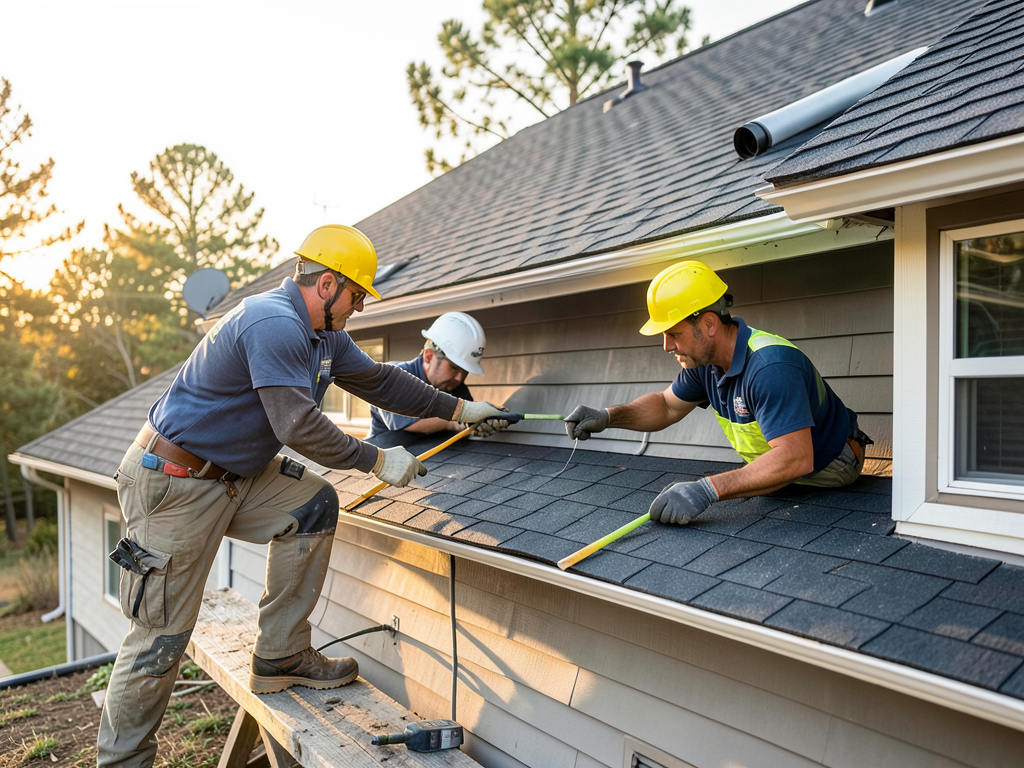
What to Do When Your Roofing Contractor Disappears Before the Job is Done Your roofer vanished mid-project and now your…

What to Do When Your Roofing Contractor Disappears Before the Job is Done

What to Do When Your Roofing Contractor Disappears Before the Job is Done Your roofer vanished mid-project and now your…

How the Florida Heat Impacts the Installation Process of Your Pebble Creek Roof

Florida’s summer heat transforms every roofing project in Pebble Creek into a carefully choreographed operation. Asphalt shingles soften at temperatures…

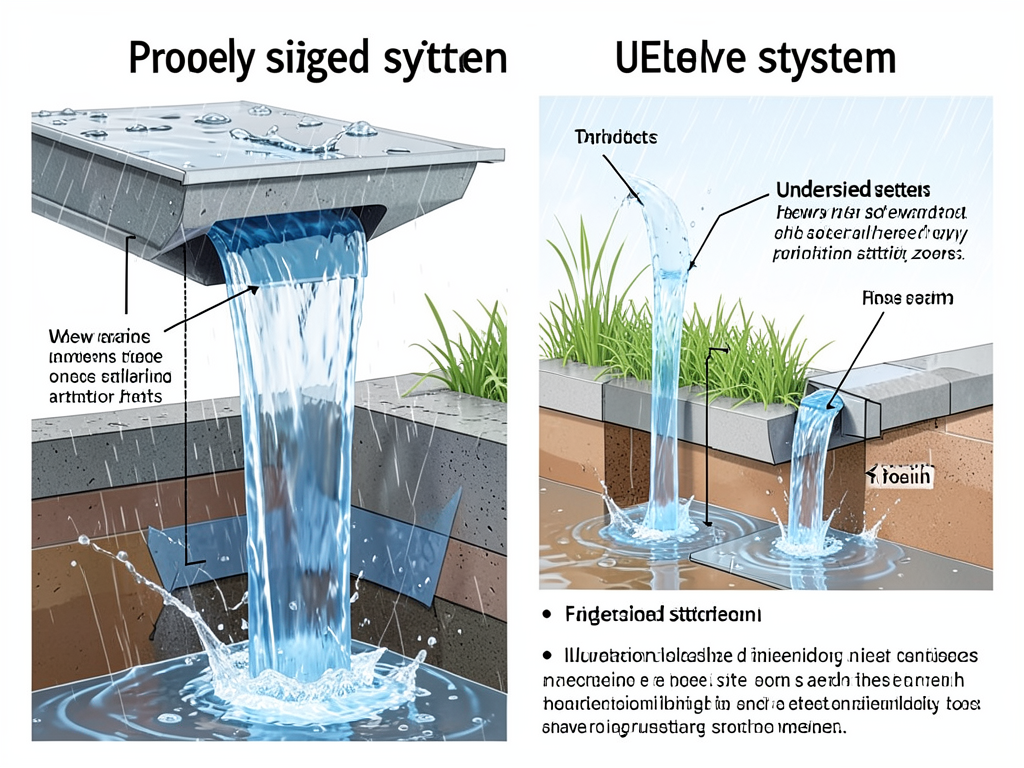
Why Your Gutters Are Overwhelming Your Foundation Even When They Aren't Clogged

Why Your Gutters Are Overwhelming Your Foundation Even When They Aren't Clogged Heavy rain pounds Tampa rooftops during summer afternoons,…

Contact Us

Find out if a shingle overlay is the right choice for your Tampa home or if a full tear-off will save you money in the long run. Call Crestline Roofing Tampa at (656) 245-0955 to schedule your inspection and get a clear, code-compliant recommendation.