menu

Homeowner's Guide to Roofing in Tampa – Everything You Need to Know Before Your Next Roof Project

This residential roofing guide breaks down Tampa's unique climate challenges, from hurricane-force winds to year-round UV exposure, helping you make informed decisions about materials, maintenance, and when to call a professional.

Slider Image 1
Slider Image 2
Slider Image 3
Slider Image 4
Slider Image 5
Slider Image 7
Slider Image 8
Slider Image 9
Slider Image 10
Slider Image 11

Why Tampa Roofs Fail Faster Than Most

Your roof takes a beating in Tampa. The combination of intense UV radiation, near-daily afternoon thunderstorms, and salt-laden air from Tampa Bay accelerates wear on every roofing material installed here. What lasts 25 years in Colorado might only give you 15 in Tampa.

The subtropical climate creates three primary threats. First, the constant heat causes asphalt shingles to become brittle and crack. Second, high humidity encourages algae growth, particularly the black streaks you see on older roofs throughout Carrollwood and Westchase. Third, the annual hurricane season brings sustained winds that test every fastener, flashing detail, and ridge cap on your home.

This residential roofing guide exists because Tampa homeowners face decisions that residents in drier, calmer climates never consider. You need to understand wind ratings, impact resistance, and ventilation requirements specific to Florida Building Code. The roofing basics for homeowners in Michigan do not apply here.

Most Tampa homes feature architectural shingles, concrete tile, or metal roofing. Each performs differently under our weather extremes. Architectural shingles are affordable but require vigilant maintenance. Concrete tile handles heat well but adds significant weight to your structure. Metal roofing reflects heat and resists wind, but installation quality matters more than the material itself.

This home roofing handbook will walk you through what you actually need to know, stripped of industry jargon and sales tactics, so you can protect your largest investment intelligently.

Why Tampa Roofs Fail Faster Than Most
How to Evaluate Your Roof's Current Condition

How to Evaluate Your Roof's Current Condition

Start with a visual inspection from the ground. Use binoculars to check for three critical indicators: missing or lifted shingles, damaged flashing around chimneys and vents, and granule loss that exposes the black asphalt underneath. If you see daylight through gaps in the ridge line or notice sagging between trusses, you have structural concerns that require immediate professional assessment.

Check your attic during daylight hours. Look for light penetration through the roof deck, water stains on the underside of sheathing, and inadequate ventilation. Tampa's heat builds up in poorly ventilated attics, reaching 150 degrees or higher, which cooks your shingles from below and dramatically shortens their lifespan. Proper soffit intake and ridge exhaust ventilation is not optional here.

This residential roofing 101 principle applies everywhere: water always finds the path of least resistance. In Tampa, that means examining valley flashing closely. Valleys channel tremendous water volume during our intense rainfall events. Improperly installed valley flashing causes 60 percent of the leak calls we receive in Temple Terrace and New Tampa.

Inspect the condition of pipe boots, which are the rubber seals around plumbing vents. UV exposure makes these crack within 7 to 10 years in Tampa. A $15 boot failure can cause thousands in water damage to ceilings and insulation below.

Document everything with photos. Note the installation date if you know it. Florida requires specific wind rating certifications for insurance purposes, so locate your roof permit and inspection records. This homeowner roofing manual approach gives you leverage during contractor conversations and helps you avoid unnecessary replacement recommendations when targeted repairs would suffice.

What Happens During a Professional Roof Evaluation

Homeowner's Guide to Roofing in Tampa – Everything You Need to Know Before Your Next Roof Project
01

Initial Documentation Review

A qualified roofing contractor reviews your property records, previous permits, and insurance documentation before stepping on your property. They verify the roof age, check for open permits, and confirm whether your current system meets the Florida Building Code requirements that were in effect at installation. This prevents surprises during insurance claims and ensures any recommended work complies with current wind load requirements for Hillsborough County.
02

Comprehensive Physical Inspection

The inspector physically walks your roof to assess shingle adhesion, flashing integrity, and fastener patterns. They use moisture meters to detect hidden water intrusion in the decking and thermal imaging to identify ventilation failures. In Tampa, they pay particular attention to south and west-facing slopes where UV damage concentrates. They photograph every deficiency and measure remaining shingle granule coverage to estimate your roof's remaining service life accurately.
03

Detailed Reporting and Options

You receive a written report that separates immediate safety concerns from maintenance items and cosmetic issues. The report includes repair cost estimates, replacement options with different material comparisons, and a realistic timeline for each approach. For Tampa homeowners, this includes wind rating certifications needed for insurance discounts and an analysis of whether your current decking can support heavier tile if you want to upgrade from shingles.

Why Local Roofing Knowledge Matters in Tampa

Tampa operates under the Florida Building Code, which incorporates wind speed requirements that most of the country never considers. Your roof must withstand 140 mph wind speeds in a hurricane. That requirement dictates everything from fastener spacing to underlayment type to edge metal installation. A contractor from Atlanta or Charlotte does not understand these specifications because their local codes do not require them.

The difference shows up during storms. Properly installed roofs in Tampa use ring shank nails with specific penetration depths, not the smooth shank fasteners that pass inspection in calmer climates. They use high-temperature underlayment that will not melt during our summer heat. They install drip edge and starter strips that meet Miami-Dade protocols, even though Hillsborough County does not mandate them, because physics does not care about jurisdiction boundaries.

First Choice Roofing Atlanta brings this technical precision to every residential roofing guide consultation in the greater Tampa metro. We understand that South Tampa's historic bungalows require different flashing details than the newer construction in Fishhawk Ranch. We know which tile manufacturers can supply matching replacements for the discontinued profiles common in Palma Ceia. We maintain relationships with inspectors who understand the nuances of retrofit applications on older homes in Seminole Heights.

This local expertise extends to insurance claims. Tampa homeowners deal with wind damage and water intrusion claims regularly. We document damage using the terminology and photography standards that insurance adjusters expect. We understand which damage qualifies for full replacement coverage versus partial repair reimbursement. We know how to supplement initial estimates when hidden damage appears during tearoff.

You need a roofing basics for homeowners partner who understands that Tampa is not a generic subtropical market. The salt air, the afternoon thermal cycles, and the building department requirements create a unique operating environment that demands specialized knowledge.

What to Expect When You Contact a Roofing Professional

Response Time and Scheduling

Reputable contractors in Tampa typically schedule initial inspections within 48 to 72 hours of your call, though emergency leak assessments happen same-day when weather permits. The inspection itself takes 45 minutes to 90 minutes depending on roof complexity and home size. You receive a detailed written estimate within three business days. During hurricane season, expect longer lead times for non-emergency work as contractors prioritize storm damage repairs. Plan roof replacements during the dry season between November and April when afternoon thunderstorms are less frequent and installation conditions are optimal.

The Inspection and Estimate Process

The contractor measures your roof accurately using either manual measurements or aerial imaging software. They calculate pitch, document all penetrations, and assess accessibility for material delivery and debris removal. They inspect your attic ventilation system and check for adequate insulation. The written estimate breaks down material costs separately from labor, itemizes all flashing and underlayment components, and specifies manufacturer warranties. Ask about wind rating certifications and request confirmation that all work will be permitted through Hillsborough County. A thorough estimate for a Tampa home includes ventilation upgrades if your current system falls below the one square foot of ventilation per 150 square feet of attic space standard.

Installation Quality Standards

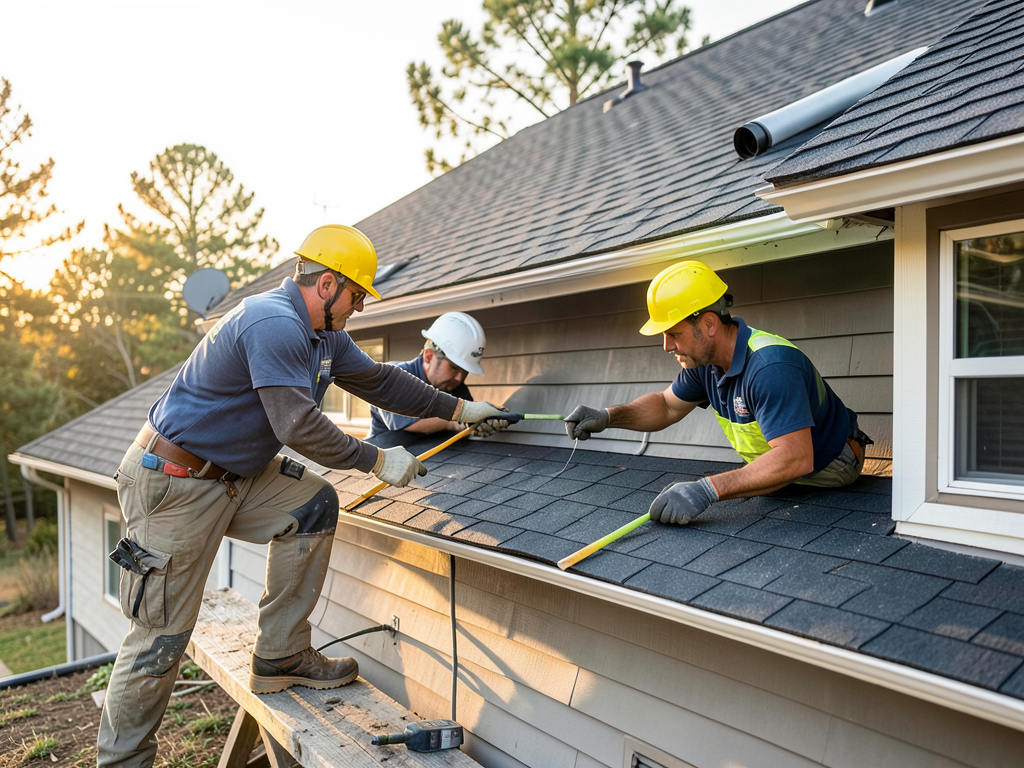
Professional installation in Tampa follows strict protocols. Crews protect your landscaping with plywood walkways and tarps. They use roofing magnets to collect fasteners from your yard daily. They install ice and water shield in valleys and around all penetrations, even though ice dams do not occur here, because this self-sealing membrane prevents wind-driven rain intrusion. They hand-seal every shingle tab in the perimeter three rows to meet wind uplift requirements. They install ridge vent properly with external baffles to prevent rain infiltration during wind-driven events. Quality contractors complete tearoff and installation in one to three days for typical single-family homes, minimizing your exposure to sudden afternoon thunderstorms.

Post-Installation Support

Your contractor provides copies of all permits, final inspection certificates, and manufacturer warranty registration documents. They walk you through proper maintenance procedures specific to your roofing material. For Tampa homes, this includes annual inspections before hurricane season, immediate post-storm assessments, and quarterly cleaning of debris from valleys and behind chimneys. They explain your manufacturer warranty coverage, which typically includes material defects, versus workmanship warranties that cover installation errors. Schedule a complimentary one-year follow-up inspection to catch any fastener back-out or sealant failures before they become leak sources. Keep all documentation organized for future insurance claims and home sale disclosure requirements.

Frequently Asked Questions

You Have Questions,
We Have Answers

How Tampa's Hurricane Exposure Changes Your Roofing Decisions

Tampa sits in a hurricane vulnerability zone that demands specific material choices and installation techniques. Every roofing decision you make must account for sustained winds above 100 mph and wind-driven rain that penetrates standard installation methods. This home roofing handbook reality means you cannot simply choose the cheapest shingle option or skip proper underlayment installation. Insurance companies in Hillsborough County require wind mitigation inspections that verify your roof-to-wall connections, roof deck attachment, and roof covering wind rating. These factors directly affect your insurance premiums, sometimes reducing them by 40 percent when proper hurricane-rated systems are installed and documented correctly.

Working with a local roofing contractor who understands Tampa's specific permitting and inspection requirements protects you from costly mistakes. Hillsborough County building inspectors verify fastener patterns, flashing installation, and ventilation adequacy during rough and final inspections. Out-of-area contractors frequently fail inspections because they install to their home market standards, not Florida Building Code requirements. This homeowner roofing manual emphasizes local expertise because the technical requirements here exceed most of the country. First Choice Roofing Atlanta maintains direct relationships with local suppliers who stock hurricane-rated materials and local inspectors who know our work meets or exceeds code on every installation.
Roofing Services in The Tampa Area

We are proud to serve the entire area, providing exceptional roofing services to homeowners and businesses. While we travel directly to your location, you can view our main office on the map to get a sense of our central hub. Our local presence ensures we can respond quickly to your needs and provide the personalized service you deserve. We're always nearby, ready to help with your next roofing project.

Address:
Crestline Roofing Tampa, 2144 W Main St, Tampa, FL, 33607

Additional Services We Offer

Our news updates

Latest Articles & News from The Blogs

What to Do When Your Roofing Contractor Disappears Before the Job is Done Your roofer vanished mid-project and now your…

What to Do When Your Roofing Contractor Disappears Before the Job is Done

What to Do When Your Roofing Contractor Disappears Before the Job is Done Your roofer vanished mid-project and now your…

How the Florida Heat Impacts the Installation Process of Your Pebble Creek Roof

Florida’s summer heat transforms every roofing project in Pebble Creek into a carefully choreographed operation. Asphalt shingles soften at temperatures…

Why Your Gutters Are Overwhelming Your Foundation Even When They Aren't Clogged

Why Your Gutters Are Overwhelming Your Foundation Even When They Aren't Clogged Heavy rain pounds Tampa rooftops during summer afternoons,…

Contact Us

Call (656) 245-0955 now to schedule your comprehensive roof inspection. Our team will assess your current system, explain your options clearly, and provide a detailed written estimate with no obligation. Do not wait until the next storm exposes a problem that could have been prevented.