menu

Nail Pop Repair in Tampa – Stop Shingle Damage Before Leaks Start

Expert Shingle Nail Pop Repair That Prevents Water Intrusion and Extends Your Roof's Lifespan in Tampa's High-Wind, High-Humidity Climate

Slider Image 1
Slider Image 2
Slider Image 3
Slider Image 4
Slider Image 5
Slider Image 7
Slider Image 8
Slider Image 9
Slider Image 10
Slider Image 11

Why Roof Nail Pops Are a Serious Problem in Tampa

You spot a small bump on your shingle. It looks harmless. But that bump is a nail pushing through the surface, and in Tampa, it becomes a serious threat fast.

Roof nail pops happen when fasteners back out of the decking and push through the shingle above. Tampa's extreme weather accelerates this. Thermal cycling from scorching summer heat and sudden afternoon thunderstorms causes your roof deck to expand and contract daily. Add in hurricane-force winds that lift shingles, and you create the perfect conditions for nails to loosen and pop.

Once a nail pops, the shingle loses its hold. Wind can tear it off. Rain can infiltrate through the puncture hole. In humid Tampa air, that moisture does not evaporate quickly. It sits in your decking, breeding mold and rotting the plywood beneath your shingles.

Fixing roof nail pops is not cosmetic work. Each popped nail creates a weak point in your roof's defense system. During hurricane season, these weak points turn into failure zones. Shingle nail pop repair stops small problems from becoming emergency roof replacements.

The issue compounds over time. One popped nail stresses adjacent fasteners. They loosen. More nails pop. What starts as repairing popped roofing nails in one area spreads across an entire roof plane if you ignore it. Tampa's wind-driven rain does not need a large opening to cause thousands in water damage. A nail hole is enough.

You need roof nail backout repair done correctly, by professionals who understand how Tampa's climate attacks your roof, before the next storm tests every fastener on your home.

Why Roof Nail Pops Are a Serious Problem in Tampa
How We Fix Nail Pops the Right Way

How We Fix Nail Pops the Right Way

Reseating popped roof nails is not about hammering them back down. That fails within weeks. The nail hole is already oversized. The decking is compromised. Simply pounding the same fastener into degraded wood does nothing.

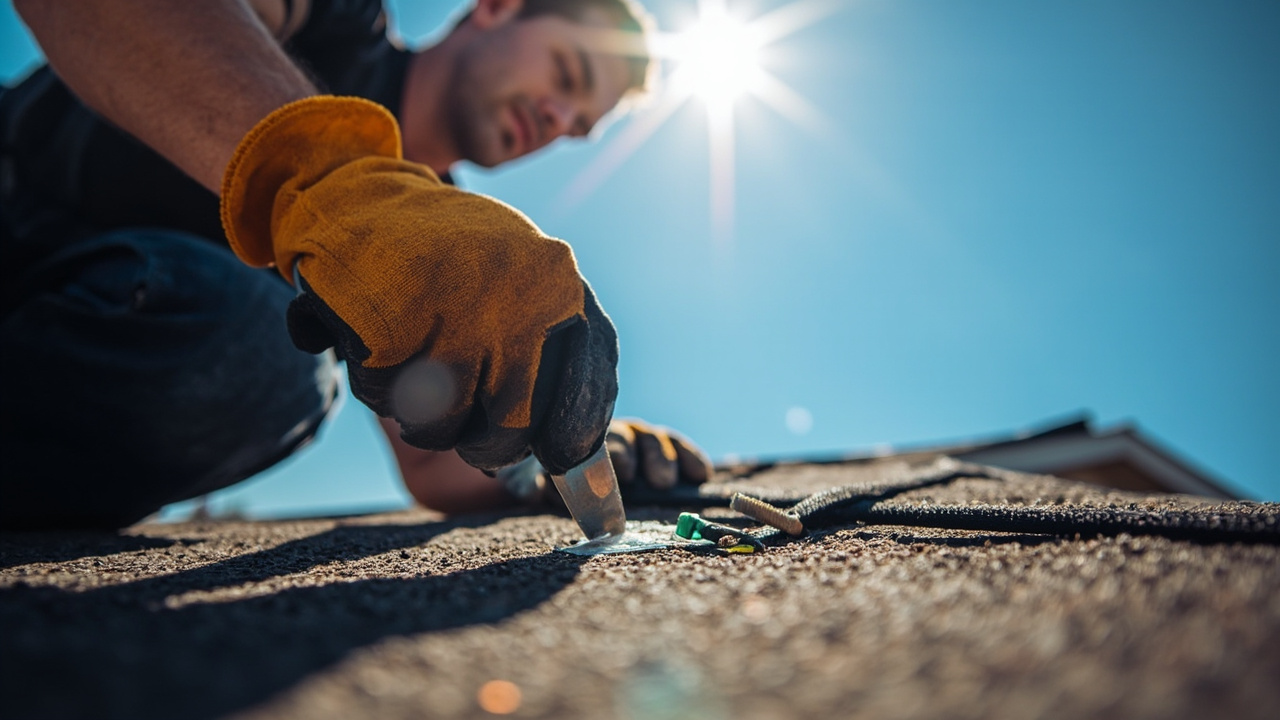
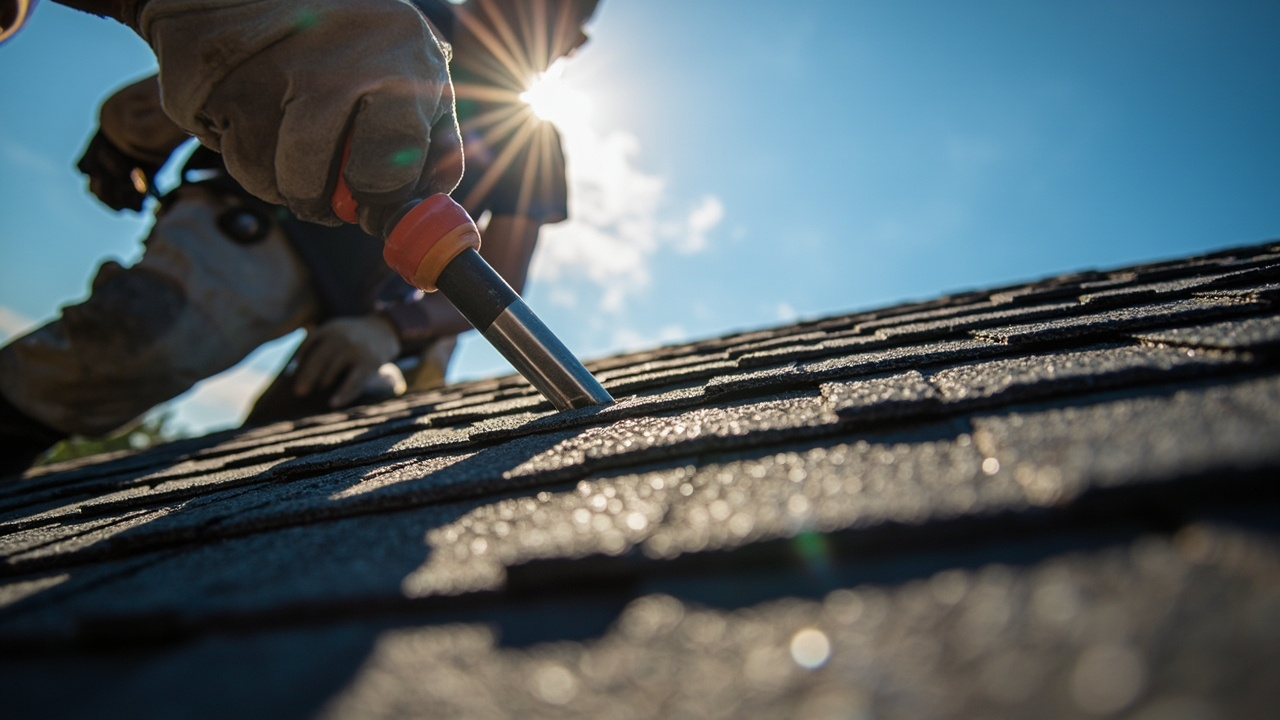
We remove the failed fastener completely. We inspect the decking around the original penetration to determine if the plywood has delaminated or if moisture has softened the substrate. If the deck is sound, we install a new roofing nail offset by two inches from the original hole, driving it into solid wood. If the deck shows rot, we replace the affected section before any fastener goes in.

The shingle above gets treated with roofing sealant at the old puncture to prevent water intrusion. If the shingle tore during the pop, we replace it entirely. Patching a torn shingle invites leaks. We do not take shortcuts.

For widespread nail pops, we map the affected zones and assess the root cause. Improperly installed decking, incorrect nail length, or structural movement can all cause systemic failure. If your roof has dozens of pops, the problem is not the nails. It is how the roof was built or how the house has settled. We identify these issues during inspection so you understand what you are dealing with.

Tampa roofs face 150-mile-per-hour wind loads during major hurricanes. Every fastener must meet or exceed code pull-out resistance. We use ring-shank nails or screws in high-wind zones, not smooth-shank fasteners that pull out easily. The correct fastener, in the correct location, driven to the correct depth, is the only repair that lasts.

Crestline Roofing Tampa does not guess. We follow Florida Building Code requirements for fastener placement and shingle installation because your roof depends on precision, not speed.

What Happens During Your Nail Pop Repair

Nail Pop Repair in Tampa – Stop Shingle Damage Before Leaks Start
01

Roof Surface Inspection

We walk your entire roof to identify every popped fastener and document shingle condition. You get a photo report showing each problem area, nail type, and surrounding damage. This step catches hidden issues like lifting flashing or compromised valleys that contribute to fastener failure. We also check attic decking from below for moisture stains or sagging that indicate deeper structural problems. You know exactly what needs repair before any work starts.
02

Fastener Replacement and Sealing

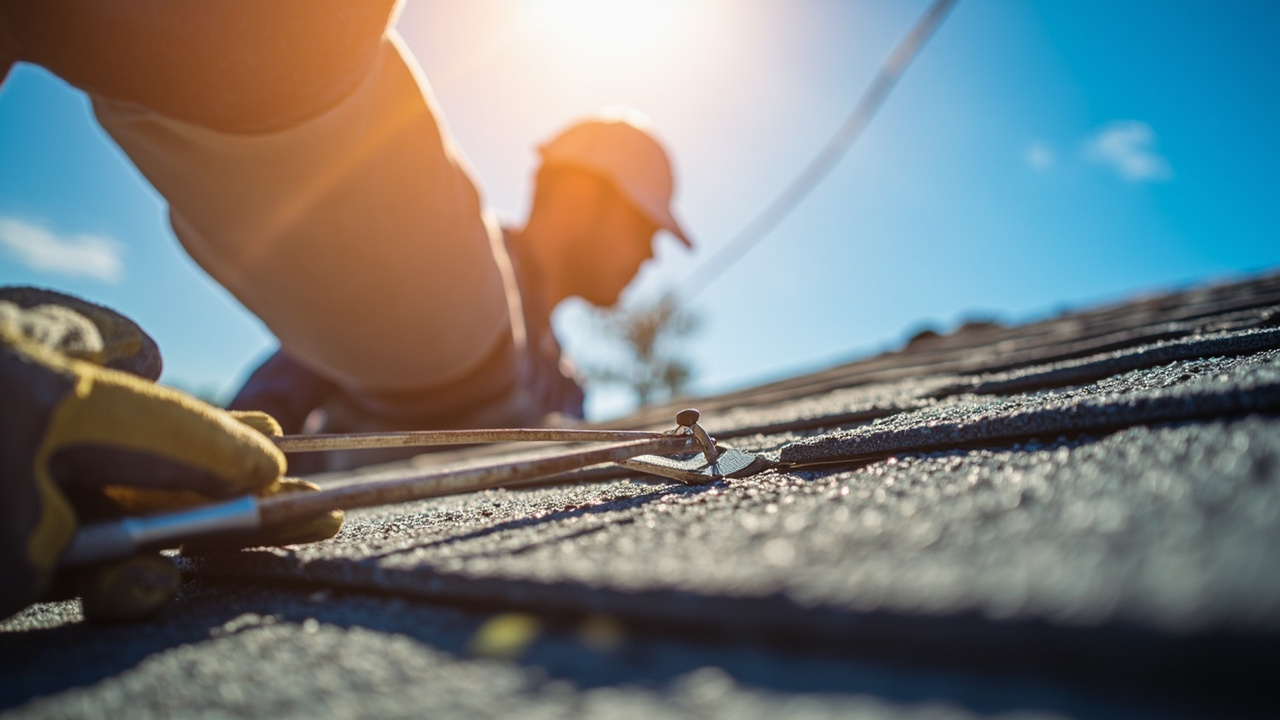
We extract failed nails, install new fasteners in solid decking, and seal all penetrations with premium roofing mastic. Each new nail is driven flush, not overdriven, to avoid damaging the shingle or creating future pops. We match your existing shingle color and style for replacements so repairs blend invisibly. If wind damage exposed underlayment, we address that too. Every repair meets wind uplift standards for Tampa's High Velocity Hurricane Zone so your roof can handle the next storm.
03

Final Walkthrough and Cleanup

You walk the property with us after repairs. We show you every fixed nail pop, replaced shingle, and sealed penetration. Magnetic sweepers collect loose fasteners from your yard and driveway. You receive maintenance guidelines specific to Tampa's climate, including when to inspect your roof before hurricane season. We document the work with dated photos for your records and insurance files. Your roof is structurally sound, watertight, and ready for Florida weather.

Why Tampa Homeowners Trust Us With Nail Pop Repairs

Nail pops are a symptom. The real question is why your fasteners are failing. Crestline Roofing Tampa has repaired thousands of roofs across Hillsborough County, from historic Hyde Park bungalows to new construction in New Tampa. We know how different roof ages, deck materials, and installation methods respond to Tampa's punishing climate.

We understand Florida Building Code fastener schedules for High Velocity Hurricane Zones. Most roofers do not. Code requires specific nail patterns in perimeter zones, field zones, and ridge areas. If your original installer missed these requirements, your roof will shed shingles during the next hurricane. We identify code violations during inspection and fix them properly.

Tampa's soil composition causes foundation settlement that stresses roof structures. Homes near the Hillsborough River or in low-lying areas like Seminole Heights experience more movement than homes on higher ground. That movement translates to fastener stress. We recognize settlement-related damage and recommend structural solutions when needed, not just cosmetic patches.

You will not get a pressure sales pitch. You get a detailed explanation of what failed, why it failed, and what it takes to fix it permanently. We provide written estimates with line-item pricing so you understand exactly what you are paying for. No surprise charges. No upselling services you do not need.

Our crews arrive on time, work efficiently, and leave your property cleaner than they found it. We carry full liability coverage and workers' compensation because accidents happen, and you should never be liable for someone else's mistake on your property.

Crestline Roofing Tampa has built our reputation on doing the work right the first time. That means proper fasteners, proper placement, and proper sealing, every single repair.

What You Can Expect From Our Service

Fast Response Times

We schedule most inspections within 48 hours of your call. If you have active leaking from popped nails, we prioritize emergency appointments to prevent interior damage. Small repairs with under 20 fastener replacements often finish in a single day. Larger projects involving decking replacement or widespread shingle damage take two to three days depending on roof size and weather conditions. We provide a timeline during your estimate so you can plan accordingly. Tampa's afternoon thunderstorms can delay work, but we communicate schedule changes immediately and never leave your roof exposed overnight.

Thorough Roof Assessment

Your inspection includes more than counting popped nails. We check flashing integrity, examine pipe boots and vent seals, and test shingle adhesion in multiple zones. We probe decking around each fastener failure to detect soft spots that indicate water intrusion or rot. You receive a written report with photos, repair recommendations, and cost breakdowns for each issue. If your nail pops stem from improper ventilation causing deck movement, we identify that and explain how to fix the root cause. The goal is giving you complete information so you make informed decisions about your roof.

Quality Workmanship and Materials

We use fasteners rated for Florida's wind loads and corrosion resistance. Ring-shank nails and hot-dipped galvanized screws resist pull-out far better than smooth-shank fasteners. Sealants are premium polyurethane or rubberized asphalt compounds that remain flexible in heat and do not crack in UV exposure. Replacement shingles match your existing product as closely as possible. If your shingles are discontinued, we source the nearest equivalent in color and texture. Every repair meets manufacturer specifications so you do not void existing warranties. Work is clean, precise, and built to last through multiple hurricane seasons.

Post-Repair Support

You get documentation of all work completed, including materials used and fastener locations. We provide a maintenance checklist specific to Tampa conditions, like cleaning gutters before June and inspecting flashing after windstorms. If you experience any issues with repaired areas, we return to assess the problem at no charge. Most nail pop repairs hold up for the remaining life of your roof when done correctly. We also offer annual roof inspections to catch new problems early, before they require expensive fixes. Staying ahead of damage is always cheaper than emergency repairs after a storm.

Frequently Asked Questions

You Have Questions,
We Have Answers

Can nail pops be fixed? +

Yes, nail pops can be fixed. The repair involves removing the protruding nail, securing the drywall or sheathing with a screw placed slightly offset from the original hole, and patching the damaged area. For roofing, contractors replace the compromised fastener and reseal the shingle. In Tampa's humid climate, nail pops often result from wood expansion and contraction or poor initial installation. The fix is straightforward, but ignoring multiple pops can signal a bigger structural issue. A professional inspection helps determine whether you need spot repairs or a more comprehensive evaluation of your roof deck or wall framing.

How much does it cost to fix a nail pop? +

Most interior nail pop repairs cost between $75 and $200 per location, depending on accessibility and the number of pops. Roof nail pop repairs vary based on shingle type, roof pitch, and how many fasteners failed. Tampa contractors often bundle multiple repairs into one service call to reduce trip charges. Costs increase if the underlying cause involves wood rot, improper framing, or moisture damage common in Florida's wet season. Always get a written estimate that includes materials, labor, and any necessary prep work. Patch-only quotes miss the root cause and lead to repeat failures.

Can you hammer nail pops back in? +

You can temporarily hammer a nail pop back in, but it will likely resurface within weeks. The nail has already lost its holding power, and simply driving it flush does not restore grip in the same hole. Tampa's temperature swings and high humidity make wood move, pushing the nail back out. The correct fix involves removing the old fastener and installing a drywall screw or ring-shank nail one to two inches away from the original hole. Then patch and paint the area. Hammering alone is a quick cosmetic fix that fails under stress.

Can you leave nail pops? +

You should not leave nail pops unaddressed. On roofs, exposed fasteners compromise the waterproof seal and allow moisture infiltration, which accelerates wood rot and mold growth in Tampa's humid environment. Interior nail pops create weak points in drywall that crack and expand over time. Multiple pops often indicate ongoing framing movement, improper fastening, or moisture issues that worsen without intervention. Leaving them invites bigger repair bills down the line. A few isolated pops are manageable, but clusters or recurring pops demand a professional inspection to identify the underlying cause before damage spreads.

Is it safe to ignore nail pops? +

Ignoring nail pops is not safe if they appear on your roof or in clusters indoors. Roof nail pops create entry points for water, leading to deck rot, insulation damage, and interior leaks during Tampa's frequent storms. Inside, multiple pops can signal foundation settling, truss uplift, or moisture-related wood movement that threatens structural integrity. A single cosmetic pop in a low-stress area poses minimal risk, but recurring or spreading pops require attention. Delaying repairs turns minor fastener failures into major water damage, mold remediation, or framing replacement, especially in Florida's wet climate.

Does insurance cover nail pops? +

Insurance coverage for nail pops depends on the cause. If wind, hail, or storm damage caused the fasteners to fail, your homeowners policy may cover repairs. Tampa homeowners should document the pops with photos and contact their insurer promptly after a weather event. Normal wear, poor installation, or gradual wood movement typically falls outside coverage. An experienced roofing contractor can assess whether the damage qualifies as storm-related and help you navigate the claims process. Always review your policy's exclusions and deductible before filing, as minor repairs may cost less than your out-of-pocket deductible.

When to worry about nail pops? +

Worry about nail pops when you see multiple occurrences in the same area, pops that recur after repair, or pops paired with other symptoms like sagging ceilings, water stains, or cracked drywall. On roofs, worry if pops appear along ridges, valleys, or after high winds, as these indicate fastener failure under stress. In Tampa, sudden clusters after a storm or during the rainy season suggest structural movement or water intrusion. A few isolated pops are normal settling, but patterns or spreading damage require a professional inspection to rule out framing issues or improper installation.

Who to call to fix nail pops? +

For interior nail pops, call a drywall contractor or handyman who can patch and refinish the area. For roof nail pops, call a licensed roofing contractor familiar with Tampa's building codes and wind load requirements. A qualified roofer will inspect the sheathing, check for moisture damage, and properly reseal the fasteners. Avoid general handymen for roof repairs, as improper sealing leads to leaks. If you notice widespread pops or structural concerns, a structural engineer can evaluate whether the issue stems from framing, foundation movement, or installation defects that require more than surface-level fixes.

How do contractors fix nail pops? +

Contractors fix nail pops by first removing the failed fastener. They drive a new screw or ring-shank nail one to two inches away from the original hole to secure the material into solid framing. For drywall, they apply joint compound over the new fastener and the old hole, sand smooth, prime, and paint to match. For roofing, they install a new fastener, seal it with roofing cement, and inspect surrounding shingles for damage. Tampa contractors often check for underlying moisture or framing movement that caused the pop, ensuring the repair lasts through Florida's heat and storm cycles.

Are nail pops wind damage? +

Nail pops can result from wind damage, especially after hurricanes or severe storms common in Tampa. High winds create uplift pressure that stresses roof fasteners, pulling them loose or breaking the seal. If pops appear after a named storm or significant wind event, they may qualify as insurable wind damage. However, many nail pops stem from thermal expansion, improper installation, or normal wood movement unrelated to weather. A roofing contractor can assess whether the pattern and timing align with storm damage. Document the date and weather conditions to support an insurance claim if wind caused the failure.

How Tampa's Thermal Cycling Causes Chronic Nail Pops

Tampa roofs endure some of the most extreme daily temperature swings in Florida. Your shingles can hit 160 degrees in July afternoon sun, then drop 40 degrees during an evening thunderstorm. This constant expansion and contraction cycles your roof deck dozens of times each summer. Plywood and OSB decking expand when hot and contract when cool, working fasteners loose over time. Combine that with Tampa's average of 100 days per year with thunderstorms, and you create relentless stress on every nail. Older homes in neighborhoods like Palma Ceia and Beach Park, built with thinner decking and shorter fasteners, show the most nail pops because the substrate cannot hold under repeated thermal cycling.

Repairing popped roofing nails correctly requires understanding Tampa's unique building challenges. Homes built before the 2001 Florida Building Code often used substandard fastening patterns that fail in high winds. Properties near Tampa Bay face salt air corrosion that degrades galvanization on cheap fasteners. Crestline Roofing Tampa has worked on roofs across every Tampa zip code, from Channelside condos to Carrollwood single-family homes. We know which fastener types hold in different decking materials and which sealants survive Florida heat without breaking down. Choosing a local contractor means you get someone who has fixed the exact problem you have, in the exact conditions your roof faces, hundreds of times before.
Roofing Services in The Tampa Area

We are proud to serve the entire area, providing exceptional roofing services to homeowners and businesses. While we travel directly to your location, you can view our main office on the map to get a sense of our central hub. Our local presence ensures we can respond quickly to your needs and provide the personalized service you deserve. We're always nearby, ready to help with your next roofing project.

Address:
Crestline Roofing Tampa, 2144 W Main St, Tampa, FL, 33607

Additional Services We Offer

Our news updates

Latest Articles & News from The Blogs

What to Do When Your Roofing Contractor Disappears Before the Job is Done Your roofer vanished mid-project and now your…

What to Do When Your Roofing Contractor Disappears Before the Job is Done

What to Do When Your Roofing Contractor Disappears Before the Job is Done Your roofer vanished mid-project and now your…

How the Florida Heat Impacts the Installation Process of Your Pebble Creek Roof

Florida’s summer heat transforms every roofing project in Pebble Creek into a carefully choreographed operation. Asphalt shingles soften at temperatures…

Why Your Gutters Are Overwhelming Your Foundation Even When They Aren't Clogged

Why Your Gutters Are Overwhelming Your Foundation Even When They Aren't Clogged Heavy rain pounds Tampa rooftops during summer afternoons,…

Contact Us

Nail pops do not fix themselves. They multiply. Call Crestline Roofing Tampa at (656) 245-0955 right now to schedule your inspection. We will show you exactly what is happening on your roof and what it takes to fix it permanently.