menu

Blistering Shingles in Tampa – Expert Diagnosis and Permanent Repair Solutions

Stop roof blisters before they become leaks. Our certified team identifies the root cause of asphalt shingle blisters and delivers proper repair that protects your home from Tampa's extreme heat and humidity.

Slider Image 1
Slider Image 2
Slider Image 3
Slider Image 4
Slider Image 5
Slider Image 7
Slider Image 8
Slider Image 9
Slider Image 10
Slider Image 11

Why Tampa Roofs Develop Shingle Blisters Fast

You walk outside and notice raised bubbles on your shingles. Those are asphalt shingle blisters, and they are not cosmetic. Shingle bubbles form when moisture or air gets trapped under or within the shingle layers and then expands under heat. In Tampa, where summer roof surface temperatures can exceed 160 degrees Fahrenheit, this problem accelerates fast.

Tampa's combination of intense UV exposure, high humidity, and sudden afternoon thunderstorms creates a pressure cooker environment for your roof. Heat blisters on shingles often start small but grow as trapped moisture vaporizes and expands. Once the blister breaks, you have exposed underlayment and an open pathway for water intrusion. During Tampa's six-month rainy season, that exposed area can turn into a full leak in days.

Bubbling roof shingles also signal installation problems. If your roof was installed during high humidity without proper ventilation or if shingles were laid over damp decking, trapped moisture will create roof blisters. Tampa's coastal air makes this worse. Salt-laden moisture accelerates degradation once the protective granule layer is compromised.

Ignoring roof blisters is expensive. What starts as a surface defect becomes a decking replacement project once water penetrates the underlayment. You need someone who understands how Tampa's climate attacks asphalt shingles and can trace the blister back to its source, whether it is poor ventilation, defective materials, or improper installation during humid conditions.

Why Tampa Roofs Develop Shingle Blisters Fast
How We Fix Blistering Shingles the Right Way

How We Fix Blistering Shingles the Right Way

We do not patch over symptoms. Our process starts with a thermal scan to detect moisture pockets in the decking that standard visual inspections miss. Infrared imaging shows us if moisture has migrated beyond the visible blister, which happens often in Tampa's humid climate. This step prevents you from paying for a repair that only addresses surface damage while hidden rot spreads underneath.

Next, we assess attic ventilation. Most shingle blisters originate from inadequate airflow in the attic space. When hot air cannot escape, it superheats the roof deck from below, baking moisture into the shingle layers. We measure intake and exhaust vent ratios and check for blocked soffit vents, a common issue in older Tampa homes where insulation has been added without updating ventilation. Proper ventilation drops attic temperatures by 30 to 40 degrees, which stops new blisters from forming.

For the repair itself, we remove damaged shingles and inspect the underlayment and decking. If the decking shows soft spots or discoloration, we replace those sections. Wet decking under a new shingle guarantees another blister within months. We also verify that the replacement shingles match your roof's exposure rating. Tampa requires shingles rated for high wind and UV exposure. Installing standard three-tab shingles in this climate is asking for premature failure.

We time repairs around Tampa's weather patterns. Shingle adhesive requires specific temperature and humidity ranges to cure properly. Installing during a humid morning or right before an afternoon storm compromises the seal and traps more moisture. We monitor forecasts and schedule work during optimal conditions to ensure the repair lasts.

What Happens During Your Blister Repair

Blistering Shingles in Tampa – Expert Diagnosis and Permanent Repair Solutions
01

Comprehensive Roof Inspection

We start with a detailed roof and attic inspection to locate all existing blisters and identify the moisture source. Our team uses thermal imaging to detect hidden water damage in the decking and checks attic ventilation pathways. This diagnostic phase typically takes 45 to 60 minutes and determines whether you need targeted shingle replacement or broader ventilation corrections to stop recurring blisters.
02

Shingle and Decking Repair

We remove all blistered shingles and inspect the underlayment for tears or deterioration. Any compromised decking gets replaced with exterior-grade plywood that matches your roof's structural specifications. We install new underlayment with proper overlap and seal all nail penetrations. Replacement shingles are selected to match your existing roof color and are rated for Tampa's wind and UV conditions. This phase ensures a watertight seal.
03

Ventilation Optimization and Testing

After completing repairs, we verify attic ventilation meets current building code requirements for intake and exhaust balance. If needed, we add ridge vents or soffit baffles to improve airflow and reduce heat buildup. Before leaving, we conduct a final inspection to confirm all replaced shingles are properly sealed and aligned. You receive documentation of all work performed and recommendations for ongoing roof maintenance to prevent future blister formation.

Why Tampa Homeowners Trust Crestline Roofing Tampa for Blister Repair

Roof blisters are not a simple cosmetic fix. They are a diagnostic problem that requires understanding how Tampa's climate interacts with roofing systems. Many contractors will replace a few shingles and call it done. That approach fails because it ignores the root cause. We have spent years studying how humidity, salt air, and extreme heat affect asphalt shingles in this specific region.

Tampa's building codes have evolved significantly in the past two decades, especially after major hurricane seasons. Older roofs may not meet current ventilation standards, which directly contributes to shingle blistering. We stay current on code updates and understand how older construction methods create vulnerability. When we inspect your roof, we are looking at the entire system, not just the blistered shingles. We check for proper drip edge installation, adequate underlayment overlap, and correct flashing around penetrations. These details matter when moisture is trying to find a way into your home.

Our team also understands Tampa's microclimates. Homes near the bay face different challenges than properties inland. Salt air accelerates granule loss on shingles, which exposes the asphalt layer to direct UV damage. That weakened shingle is more prone to blister formation when moisture gets trapped. We factor in your home's proximity to water, the orientation of your roof slope, and the age of your roofing materials when diagnosing blister causes.

You get transparent communication throughout the process. We document findings with photos and thermal images so you can see exactly what we see. If your blisters are covered under a material warranty, we handle the manufacturer documentation and claims process. We work with all major shingle manufacturers and know how to navigate their inspection requirements.

What to Expect When You Call Us About Roof Blisters

Fast Response and Scheduling

We understand that roof blisters can turn into leaks quickly, especially during Tampa's rainy season. When you call, we schedule an inspection within 48 hours. Our diagnostic process takes about an hour, and we provide a detailed assessment the same day. If you have active leaking from a broken blister, we can perform emergency tarping to protect your home until permanent repairs are scheduled. We coordinate work around your availability and Tampa's weather patterns to ensure proper installation conditions.

Thorough Diagnostic Assessment

Our inspection covers more than just the visible blisters. We examine your entire roofing system, including attic ventilation, underlayment condition, and decking integrity. You receive a written report with photos and thermal imaging results that clearly show moisture intrusion patterns. We explain what caused the blisters, whether it is installation error, material defect, or ventilation failure. This comprehensive approach means you understand exactly what needs repair and why, with no surprises once work begins.

Quality Materials and Workmanship

We use only shingles rated for Tampa's high wind and UV exposure. Replacement materials are carefully matched to your existing roof color and architectural style. All decking repairs use exterior-grade plywood that meets Florida building code requirements. Our installation follows manufacturer specifications exactly, which protects any existing warranty coverage and ensures long-term performance. Every repair includes proper underlayment sealing and correct nail placement to prevent future moisture intrusion. You get a roof repair that lasts, not a temporary patch.

Ongoing Support and Maintenance

After completing your blister repair, we provide a detailed maintenance plan specific to your roof's age and condition. This includes recommended inspection intervals and signs to watch for that indicate ventilation problems or new moisture issues. We offer annual roof inspections that catch small problems before they become expensive repairs. If additional blisters appear within the first year after repair, we return to investigate at no charge because proper repair should eliminate the underlying cause. You also receive direct contact information for our team, so you are never left wondering who to call if concerns arise.

Frequently Asked Questions

You Have Questions,
We Have Answers

What does shingle blistering look like? +

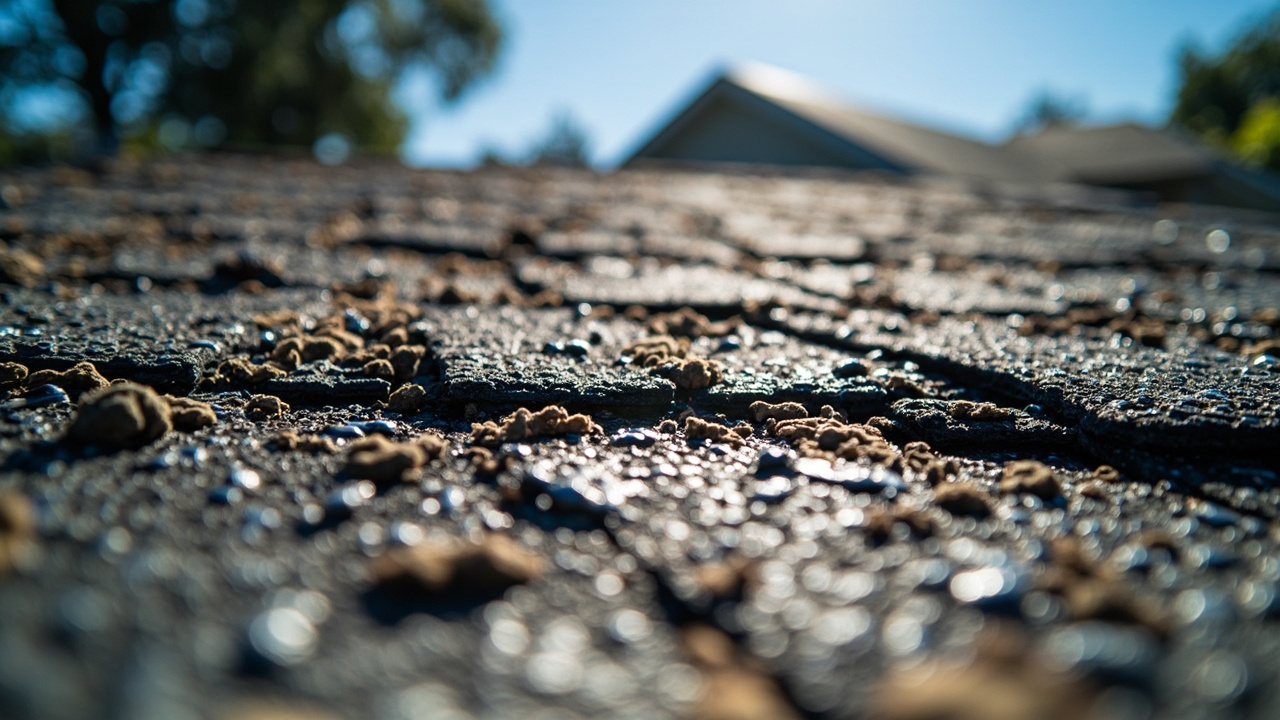
Shingle blistering appears as raised bumps or bubbles on the surface of asphalt shingles. These blisters look like small pockets where the shingle material has separated from the underlayer. They can range from dime-sized to quarter-sized. In Tampa's intense sun, blisters often appear lighter in color than the surrounding shingle because the protective granules have worn away or popped off. You may see clusters of blisters or individual ones scattered across your roof. Once a blister breaks open, it leaves an exposed dark spot that accelerates shingle deterioration in our humid climate.

What does it mean when shingles blister? +

Shingle blistering means moisture or air became trapped between the layers during manufacturing or installation. When Tampa's heat hits your roof, that trapped moisture turns to vapor and expands, creating pressure that forms bubbles. Poor attic ventilation makes this worse because heat builds up beneath the shingles. Manufacturing defects can also cause blistering if volatile compounds were sealed inside during production. Once blisters form, the structural integrity of that shingle weakens. The granules protecting against UV rays often dislodge from blistered areas, which speeds up aging and can lead to leaks during our heavy rain season.

What stage of shingles are blisters? +

This question refers to the medical condition shingles, not roofing shingles. The medical virus causes blisters to appear 1-5 days after the initial rash develops. For roofing blistering in Tampa, there are no stages. Roof blisters form when manufacturing defects or trapped moisture meet intense heat. They can appear on new roofs within months or develop years later depending on installation quality and ventilation. Once formed, roof blisters do not progress through stages. They simply worsen over time as Tampa's sun, humidity, and storms break them open and expose the underlying material to water damage and decay.

How do you know if shingles are blistering or hail damage? +

Hail damage creates random dents with exposed black substrate and displaced granules in irregular patterns across your roof. The impacts leave bruised spots without consistent shapes. Blistering creates uniform raised bubbles that form in predictable patterns, often where ventilation is poorest or manufacturing was flawed. In Tampa, hail is rare, so most roof damage comes from wind, debris, or heat-related issues like blistering. Hail dents feel solid when you press them. Blisters feel hollow or squishy before they break. A professional roof inspection can definitively identify which problem you have and document it for insurance claims.

What do shingle blisters look like? +

Shingle blisters look like raised, dome-shaped bubbles on your roof surface. They range from small coin-sized bumps to larger quarter-sized protrusions. The blistered area often appears lighter or discolored because granules have loosened or fallen off completely. When intact, blisters sit higher than the surrounding shingle surface. After they rupture from Tampa's heat cycles or weather exposure, they leave behind dark, exposed spots where the underlying asphalt shows through. Multiple blisters create a pockmarked appearance. The affected shingles lose their flat profile, and you can sometimes see the damage from ground level if blistering is widespread across your roofline.

Will shingle blisters go away? +

No. Shingle blisters do not heal or disappear. Once a blister forms, the damage is permanent. Tampa's heat and humidity will only make them worse over time. Intact blisters will eventually rupture from thermal expansion and contraction, exposing the vulnerable underlayers. Once open, rain penetrates the compromised area and accelerates rot in the decking below. The granules protecting against UV damage will not reattach. Blistered shingles continue losing structural integrity until they crack, curl, or allow water infiltration. The only solution is replacing the damaged shingles before leaks develop. Ignoring blistering leads to costlier repairs when water damage spreads to your attic and ceiling.

Should I put anything on my shingles blisters? +

Do nothing to your roof shingles yourself. Applying sealants, coatings, or patching compounds on blistered shingles creates more problems. These products trap additional moisture and void manufacturer warranties. Walking on compromised shingles in Tampa's heat can break blisters open and cause more damage. The granule loss and structural weakness require shingle replacement, not surface treatments. Contact a qualified roofer for inspection. They will assess whether the blistering is isolated or widespread, check your attic ventilation, and determine if the damage qualifies for warranty coverage. Professional evaluation prevents small problems from becoming expensive water damage that affects your home's interior and structure.

What can be mistaken for shingles blisters? +

Hail damage, thermal splitting, and granule loss can look similar to blistering from ground level. Thermal splits create linear cracks rather than raised bubbles. Granule loss from age shows as thin, worn patches without the raised profile of blisters. Algae staining appears as dark streaks but does not change shingle texture. In Tampa, wind-blown debris impacts can create divots that mimic popped blisters. Poor installation that causes buckling or wrinkling also creates raised areas. Manufacturing defects like delamination separate shingle layers differently than moisture blisters. A trained inspector can distinguish between these issues by examining texture, pattern, and the condition of surrounding shingles and roof components.

How contagious are shingles blisters? +

This question refers to medical shingles, a viral infection. The fluid inside those blisters contains varicella-zoster virus and can spread to people who have not had chickenpox. For roofing shingles in Tampa, blistering is not contagious. Roof blisters are physical defects caused by trapped moisture, poor ventilation, or manufacturing issues. They affect only the materials on your specific roof. However, if your neighborhood has similar-aged roofs installed by the same crew or using the same shingle batch, you may notice similar blistering patterns on nearby homes. This suggests installation problems or a defective product batch rather than spread between roofs. Check your warranty coverage if multiple neighbors experience identical issues.

How long do shingles take to turn into blisters? +

This question confuses medical shingles with roofing materials. The medical virus causes blisters within 1-5 days after rash onset. For roof shingles in Tampa, blistering can develop within months on poorly ventilated or defective roofs, or take years to appear as manufacturing flaws slowly worsen. New roofs sometimes show blistering in the first summer when trapped moisture heats up. Older roofs develop blisters as sealant bonds weaken and allow air pockets to form. Tampa's extreme heat accelerates the process compared to cooler climates. Proper attic ventilation and quality installation reduce blistering risk, but manufacturing defects can cause problems regardless of installation quality or roof age.

How Tampa's Humidity and Heat Create the Perfect Storm for Roof Blisters

Tampa averages 73 percent relative humidity year-round, with summer months regularly exceeding 80 percent. When that moisture-laden air contacts your roof deck during hot afternoons, condensation forms on the underside of shingles. If attic ventilation cannot expel this moisture fast enough, it gets trapped in the shingle layers. Add roof surface temperatures above 160 degrees, and that trapped moisture vaporizes into steam, creating pressure that lifts the shingle surface into a blister. This cycle repeats daily during Tampa's summer months, which is why shingle blisters appear and multiply so quickly here compared to drier climates.

Tampa's coastal location adds another layer of complexity. Salt particles in the air accelerate granule loss on asphalt shingles, especially on west-facing slopes that take the brunt of afternoon sun. Once granules wear thin, UV rays penetrate deeper into the asphalt layer, weakening its structure and making it more susceptible to blister formation. Local roofers who understand these specific environmental factors know to check granule density during inspections and factor in salt air exposure when recommending shingle types. This regional expertise makes the difference between a repair that lasts and one that fails within a year.
Roofing Services in The Tampa Area

We are proud to serve the entire area, providing exceptional roofing services to homeowners and businesses. While we travel directly to your location, you can view our main office on the map to get a sense of our central hub. Our local presence ensures we can respond quickly to your needs and provide the personalized service you deserve. We're always nearby, ready to help with your next roofing project.

Address:
Crestline Roofing Tampa, 2144 W Main St, Tampa, FL, 33607

Additional Services We Offer

Our news updates

Latest Articles & News from The Blogs

What to Do When Your Roofing Contractor Disappears Before the Job is Done Your roofer vanished mid-project and now your…

What to Do When Your Roofing Contractor Disappears Before the Job is Done

What to Do When Your Roofing Contractor Disappears Before the Job is Done Your roofer vanished mid-project and now your…

How the Florida Heat Impacts the Installation Process of Your Pebble Creek Roof

Florida’s summer heat transforms every roofing project in Pebble Creek into a carefully choreographed operation. Asphalt shingles soften at temperatures…

Why Your Gutters Are Overwhelming Your Foundation Even When They Aren't Clogged

Why Your Gutters Are Overwhelming Your Foundation Even When They Aren't Clogged Heavy rain pounds Tampa rooftops during summer afternoons,…

Contact Us

Blistered shingles will not fix themselves. Call Crestline Roofing Tampa at (656) 245-0955 for a comprehensive roof inspection. We diagnose the real cause of your blisters and deliver repairs that last. Available seven days a week for inspections and emergency tarping.