menu

Winter Roof Maintenance Tips in Tampa – Protect Your Investment Before the Unexpected Cold Snap Hits

Get the complete winter roof care guide for Tampa homeowners who need to prepare their roof systems for cooler weather, unpredictable storms, and the heavy moisture that comes with Florida's mild winter season.

Slider Image 1
Slider Image 2
Slider Image 3
Slider Image 4
Slider Image 5
Slider Image 7
Slider Image 8
Slider Image 9
Slider Image 10
Slider Image 11

Why Tampa Roofs Need Winter Maintenance Even Without Snow

You might think winterizing your roof only matters in places with heavy snow and ice. You would be wrong.

Tampa's winter brings unique challenges that damage roofs just as effectively as northern blizzards. The temperature swings between warm afternoons and cold nights create thermal expansion and contraction cycles that stress roof materials. Your shingles expand in the 80-degree sunshine, then contract when temperatures drop into the 40s overnight. This constant movement loosens fasteners and creates gaps in your roofing system.

The real threat comes from moisture. Tampa winters are wet. Cold fronts stall over the Gulf, dumping rain for days. The humidity stays high even when it is not raining. Your roof faces constant exposure to moisture without the heat to dry it out quickly. Water finds its way into small cracks, sits in valleys, and pools around flashing. When temperatures drop at night, this trapped moisture can cause condensation damage in your attic and accelerate decay in your roof deck.

Cold weather roofing upkeep in Tampa means addressing the problems most homeowners miss. Debris accumulates faster in winter when oak trees drop leaves and pine needles pile up in roof valleys. This organic material traps moisture against your shingles and creates breeding grounds for algae and mold. The cooler temperatures slow evaporation, giving these organisms time to take hold.

Preparing your roof for winter in Tampa is not about ice dams or snow load. It is about managing moisture, thermal stress, and the accelerated wear that comes from our unique climate conditions. Most roof failures traced back to winter damage started with problems homeowners could have spotted and fixed before they became expensive disasters.

Why Tampa Roofs Need Winter Maintenance Even Without Snow
The Essential Winter Roof Maintenance Checklist for Tampa Homes

The Essential Winter Roof Maintenance Checklist for Tampa Homes

A comprehensive winter roof care guide starts with understanding what actually needs attention on a Tampa roof system before cooler weather arrives.

Start with your gutters and downspouts. Clear all debris from the channels and test water flow with a hose. Watch where the water goes. Gutters clogged with leaves force water to back up under your drip edge and into the fascia board. In winter, this water has more time to soak in because evaporation rates drop. Clean gutters are your first line of defense against moisture intrusion.

Next, inspect your roof surface from the ground with binoculars or from a safe vantage point. Look for missing granules on asphalt shingles, curled edges, or any shingles that appear darker than others. Dark spots usually indicate moisture absorption. Check the roof valleys where two planes meet. These areas collect water and debris faster than the rest of your roof.

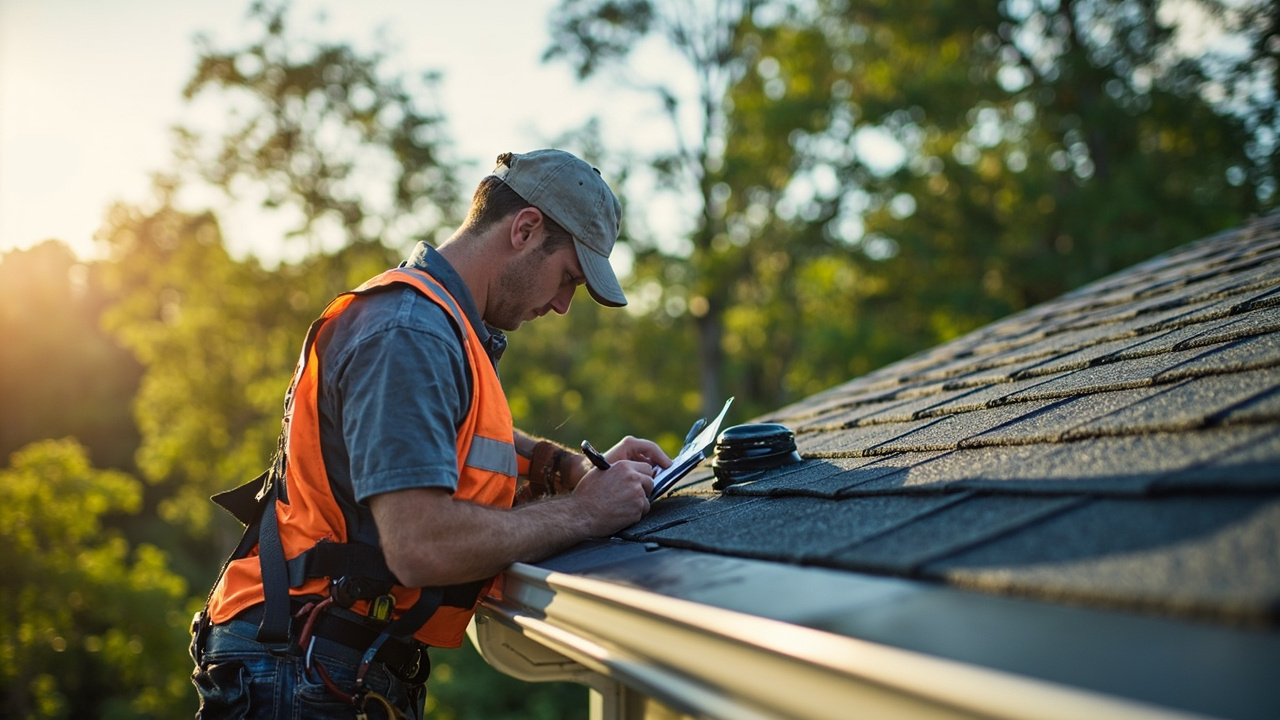
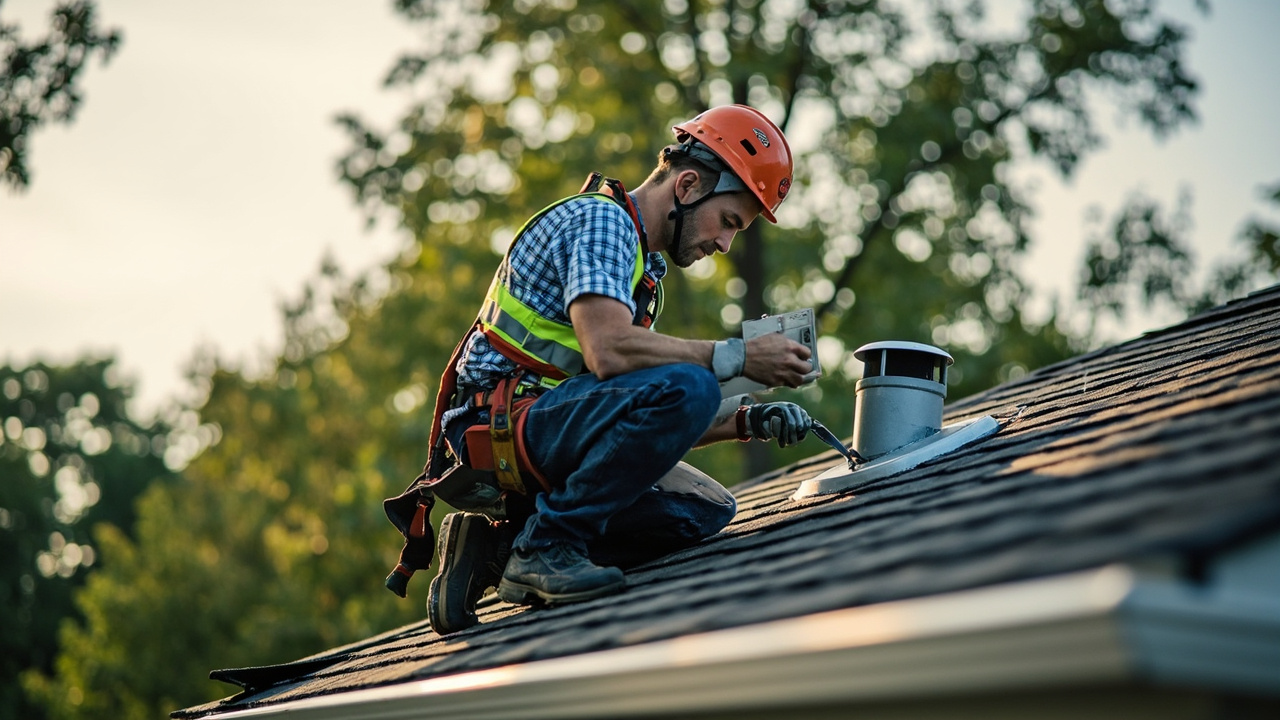
Examine all roof penetrations including vent boots, pipe jacks, and chimney flashing. The rubber boots around plumbing vents crack with age and temperature cycling. Flashing separates from chimneys when the sealant dries out. These small openings allow water to enter your roof deck and attic space during winter rain events.

Inspect your attic ventilation system. Proper airflow prevents moisture buildup and regulates temperature. Check that soffit vents are not blocked by insulation and that ridge vents are clear. Poor ventilation in winter leads to condensation on the underside of your roof deck, which causes wood rot and mold growth.

Finally, trim back any tree branches within six feet of your roof surface. Branches scrape shingles during windy weather and provide highways for rodents and pests to access your roof system. The goal is creating separation between your roof and potential damage sources before winter storms arrive.

How Tampa Homeowners Should Approach Cold Weather Roof Preparation

Winter Roof Maintenance Tips in Tampa – Protect Your Investment Before the Unexpected Cold Snap Hits
01

Visual Assessment and Documentation

Begin by photographing your entire roof system from all angles. Document current conditions so you can track changes throughout the winter season. Walk your property and look for granules in the gutters, which indicate shingle wear. Check the ground around your home for debris that fell from the roof. Note any stains on ceilings inside your home, particularly in rooms below the attic. This baseline documentation helps you identify new problems quickly when they develop during winter weather events.
02

Professional Inspection and Repairs

Schedule a professional roof inspection before December. A qualified roofer identifies problems you cannot see from the ground, including damaged flashing, compromised underlayment, and early-stage leaks. The inspection should include attic assessment for proper ventilation and signs of moisture intrusion. Address all recommended repairs immediately. Small fixes completed in November prevent major damage during January and February rain events. Delaying repairs into winter means working in wet conditions and higher costs for emergency service calls when problems escalate.
03

Ongoing Monitoring Through Winter

Establish a monthly winter inspection routine. After each major rain event, check your attic for new water stains or dampness. Clear gutters monthly because debris accumulation accelerates in winter months. Monitor areas where you made repairs to confirm the fixes are holding. Keep your documentation updated with new photos if conditions change. This proactive approach catches developing problems while they remain small and inexpensive to fix. Winter roof maintenance is not a single task but an ongoing commitment to protecting your home's most important weather barrier.

Why Tampa Homeowners Trust Local Expertise for Winter Roof Care

Understanding Tampa's specific weather patterns makes the difference between effective winter roof maintenance and wasted effort.

National roofing chains apply cookie-cutter approaches that work in Atlanta or Charlotte but miss what matters here. They recommend fixes for ice dams and snow load that have zero relevance to Tampa roofs. You pay for advice designed for different climates and different problems.

Local roofing professionals know that Tampa's winter damage comes from moisture cycling and thermal stress, not freezing precipitation. We understand how the temperature differential between day and night affects your shingle adhesive. We recognize the specific algae strains that thrive on Tampa roofs during cooler, humid months. We know which roof valleys collect the most debris based on prevailing wind patterns from the Gulf.

Crestline Roofing Tampa has maintained roofs through decades of Tampa winters. We have tracked how different roofing materials perform in our specific microclimate. We know that certain shingle brands handle our thermal cycling better than others. We understand how Tampa's building codes regarding roof ventilation relate to winter moisture management.

When you work with local professionals, you get maintenance recommendations based on thousands of Tampa roofs, not generic checklists from a corporate manual. We know which problems develop first on homes in Seminole Heights versus South Tampa. We understand how proximity to the bay affects winter roof performance differently than locations near the Hillsborough River.

The relationship matters too. When you need emergency service during an unexpected winter storm, you call someone who knows your roof history and can respond quickly. You are not a ticket number routed to the next available contractor three counties away. You are a neighbor whose home we have maintained and whose roof we understand intimately.

Local expertise means faster service, better outcomes, and maintenance plans tailored to what actually threatens Tampa roofs in winter.

What You Can Expect From Professional Winter Roof Maintenance

Inspection Timing and Scheduling

The ideal window for winter roof preparation runs from late October through mid-November. This timing allows repairs to be completed before the wettest months arrive. Most professional inspections take 45 minutes to two hours depending on roof size and complexity. You receive a detailed report within 24 hours identifying issues by priority level. Critical repairs get scheduled immediately while minor concerns can wait until spring. The goal is completing all essential work before December when weather becomes less predictable and scheduling fills up with emergency calls from homeowners who waited too long.

Comprehensive Evaluation Process

A proper winter roof inspection covers every component of your roofing system. The evaluation starts in the attic checking for adequate ventilation, proper insulation placement, and any signs of previous moisture intrusion. The roof surface inspection examines shingle condition, flashing integrity, and sealant effectiveness around all penetrations. Inspectors check every valley for debris accumulation and drainage capability. They test the structural soundness of decking in areas showing wear. The gutter system gets assessed for proper pitch, secure attachment, and adequate downspout drainage. You get documentation including photos of problem areas and clear explanations of why each issue matters for winter weather protection.

Quality Standards and Materials

Winter repairs use materials rated for Tampa's climate conditions. Sealants must remain flexible through our temperature ranges without breaking down in high humidity. Replacement shingles match the thermal expansion properties of your existing roof system. Flashing installations follow manufacturer specifications for our wind zone and exposure conditions. All fasteners are corrosion-resistant stainless steel or hot-dipped galvanized to handle our humid winters. Roof cement and adhesives are formulated to cure properly in cooler temperatures without compromising bond strength. The difference in material quality determines whether repairs last one winter or ten winters. Professional-grade products cost more upfront but eliminate the need for repeated fixes when inferior materials fail.

Winter Monitoring and Emergency Response

After initial maintenance, you gain access to priority scheduling for winter storm response. If an unexpected weather event damages your roof, you move to the front of the service queue because your system is documented and your needs are understood. Many providers offer post-storm inspection services to assess new damage before it becomes an insurance claim. You receive guidance on temporary protective measures you can take safely while waiting for professional repairs. The relationship established during fall maintenance pays dividends when winter problems develop. You are not calling a stranger during an emergency. You are contacting the team that knows your roof and has a vested interest in keeping it functional through the entire season.

Frequently Asked Questions

You Have Questions,
We Have Answers

What do roofers do in the winter time? +

Roofers in Tampa stay busy during winter months performing inspections, repairs, and installations. Winter offers milder temperatures and lower humidity, making it easier to work safely on steep slopes. Roofers focus on fixing damage from summer storms, clearing debris from valleys and gutters, and addressing ventilation issues before spring rains arrive. They also handle emergency repairs from rare cold snaps that can affect sealant integrity. Tampa's dry winter season provides optimal conditions for proper shingle adhesion and allows contractors to complete projects without weather delays common during summer thunderstorm season.

How to prepare your roof for winter? +

Start by clearing debris from gutters and valleys to prevent water backup during winter rains. Inspect flashing around chimneys and vents for gaps or rust. Check shingles for lifting or granule loss that could worsen during Tampa's occasional cold fronts. Trim overhanging tree branches that could scrape shingles or drop leaves. Examine attic ventilation to prevent moisture buildup from temperature swings. Look for stains on ceilings indicating leaks. Schedule a professional inspection before January when winter storms peak. Address minor repairs immediately to avoid costly damage during heavy rainfall periods.

Should I put an ice and water shield on my entire roof? +

In Tampa, installing ice and water shield across your entire roof is unnecessary and wasteful. Ice dams do not form in our subtropical climate. Focus ice and water shield on vulnerable areas like valleys, eaves, and penetrations where wind-driven rain can infiltrate during storms. Tampa building code requires underlayment protection, but full coverage with premium ice and water shield adds significant cost without benefit. Use it strategically at roof-to-wall intersections and around skylights where water pooling occurs. Standard synthetic underlayment handles Tampa's weather conditions effectively for field areas between critical zones.

What temperature is too cold for roofing? +

Asphalt shingles require temperatures above 40 degrees Fahrenheit for proper installation. Below this threshold, shingles become brittle and adhesive strips will not activate properly. Tampa rarely experiences such cold temperatures, making winter an excellent season for roofing work. Most winter days here reach 60 to 70 degrees, perfect for shingle sealing. However, early morning installations during rare cold snaps may require waiting until midday when temperatures rise. Cold weather can affect sealant performance, but Tampa's mild winters eliminate the installation delays common in northern climates.

How to seal shingles in cold weather? +

Cold weather shingle sealing requires proper technique and timing. In Tampa's mild winters, you can apply roofing cement or specialized cold-weather adhesive to lift shingle tabs gently and bond them down. Warm the adhesive in sunlight or near your body before application for better flow. Press shingles firmly and weight them down temporarily. Avoid sealing during morning dew or if temperatures drop below 50 degrees. Most Tampa winter days warm enough by noon for sealants to activate naturally. For emergency repairs, use rubberized flashing tape designed for low-temperature application.

Does roof Maxx really work? +

Roof Maxx works as a temporary rejuvenation treatment for aging asphalt shingles by restoring flexibility and oil content. It can extend roof life by three to five years when applied to shingles that still have structural integrity. However, it does not repair damaged shingles, fix leaks, or replace missing granules. In Tampa's intense UV environment and high humidity, results vary based on existing roof condition. Roof Maxx offers a cost-effective delay for replacement but cannot substitute for necessary repairs. Evaluate whether your roof has enough viable material left to benefit from the treatment.

Can I apply roof Maxx myself? +

Applying Roof Maxx yourself is not recommended or supported by the manufacturer. The product requires professional application using specialized spray equipment to ensure even coverage and proper saturation. DIY attempts risk uneven distribution, overspray damage to landscaping, and voiding any treatment warranty. Professional applicators assess roof condition first to determine if treatment will provide meaningful benefit. In Tampa's climate, proper coverage matters because uneven application leaves vulnerable spots exposed to UV degradation and moisture penetration. Professional installation includes documentation for future property sales and insurance purposes.

How long can I leave a tarp on my roof? +

A tarp provides temporary emergency protection but should remain on your roof no longer than 90 days. In Tampa, high winds, UV exposure, and afternoon thunderstorms degrade tarps quickly. Water can pool under improperly secured tarps, causing additional damage and mold growth. Tarps also trap heat and moisture, accelerating underlying material deterioration. Schedule permanent repairs within two to four weeks after tarping. Extended tarp coverage may void insurance claims or indicate abandonment of proper repairs. Use only heavy-duty polyethylene tarps with reinforced grommets, secured with screws and battens, never just sandbags.

Should I insulate the underside of my roof? +

Insulating the underside of your roof deck in Tampa depends on your attic configuration. For vented attics, insulate the attic floor instead to keep conditioned air inside your living space. For unvented or conditioned attics, spray foam insulation on the roof deck underside creates a thermal barrier and controls moisture. This approach suits Tampa's humidity by preventing condensation on cool surfaces. Cathedral ceilings require underside insulation for energy efficiency. Proper ventilation remains critical regardless of insulation placement. Consult building codes for R-value requirements and vapor barrier specifications for coastal climates.

What damages the roof the most? +

In Tampa, UV radiation causes the most cumulative roof damage by breaking down shingle oils and degrading protective granules. Constant sun exposure accelerates aging faster than in northern climates. Wind-driven rain from tropical storms forces water under shingles and flashing. High humidity promotes algae growth and wood rot in poorly ventilated areas. Tree debris clogs valleys and retains moisture. Thermal cycling from hot days and cool nights stresses sealants and fasteners. While dramatic storm damage gets attention, daily UV bombardment and moisture exposure cause gradual deterioration that shortens roof lifespan significantly.

How Tampa's Gulf Proximity Creates Unique Winter Roof Challenges

Living within ten miles of Tampa Bay means your roof endures salt-laden air throughout winter months. When cold fronts push across the Gulf, they carry moisture mixed with salt spray that settles on your roof surface. This saline exposure accelerates corrosion of metal components including flashing, fasteners, and ridge vents. The salt also degrades asphalt shingle granules faster than occurs in inland locations. Homes in neighborhoods like Beach Park, Port Tampa, and Palma Ceia face heavier salt exposure than properties in Temple Terrace or Carrollwood. This proximity factor determines how aggressively you need to maintain your roofing system during winter months when Gulf weather patterns dominate our climate.

Tampa's building codes reflect our hurricane exposure but also account for winter moisture management through mandatory ventilation requirements. Properties built before these codes were strengthened often lack adequate attic airflow, making them vulnerable to winter condensation damage. Local roofing professionals understand which neighborhoods contain older homes needing ventilation upgrades and which areas face specific challenges from mature tree canopy coverage. This knowledge comes from years of maintaining roofs across every Tampa zip code through countless winter seasons. The expertise cannot be replicated by contractors from outside our service area who lack this accumulated local experience with Tampa's specific winter roofing challenges.
Roofing Services in The Tampa Area

We are proud to serve the entire area, providing exceptional roofing services to homeowners and businesses. While we travel directly to your location, you can view our main office on the map to get a sense of our central hub. Our local presence ensures we can respond quickly to your needs and provide the personalized service you deserve. We're always nearby, ready to help with your next roofing project.

Address:
Crestline Roofing Tampa, 2144 W Main St, Tampa, FL, 33607

Additional Services We Offer

Our news updates

Latest Articles & News from The Blogs

What to Do When Your Roofing Contractor Disappears Before the Job is Done Your roofer vanished mid-project and now your…

What to Do When Your Roofing Contractor Disappears Before the Job is Done

What to Do When Your Roofing Contractor Disappears Before the Job is Done Your roofer vanished mid-project and now your…

How the Florida Heat Impacts the Installation Process of Your Pebble Creek Roof

Florida’s summer heat transforms every roofing project in Pebble Creek into a carefully choreographed operation. Asphalt shingles soften at temperatures…

Why Your Gutters Are Overwhelming Your Foundation Even When They Aren't Clogged

Why Your Gutters Are Overwhelming Your Foundation Even When They Aren't Clogged Heavy rain pounds Tampa rooftops during summer afternoons,…

Contact Us

Protect your home with a comprehensive pre-winter roof evaluation. Call (656) 245-0955 now to schedule your inspection. Limited November availability means early callers get priority scheduling before the busy winter season begins.