menu

Flat Roof Repair & Restoration in Tampa – Minimize Downtime, Protect Your Investment

Comprehensive commercial flat roof restoration services engineered to keep your Tampa facility operational while extending roof lifespan and preventing costly business interruptions.

Slider Image 1
Slider Image 2
Slider Image 3
Slider Image 4
Slider Image 5
Slider Image 7
Slider Image 8
Slider Image 9
Slider Image 10
Slider Image 11

Tampa's Climate Accelerates Commercial Flat Roof Deterioration

Your facility's flat roof faces relentless exposure to Tampa's subtropical climate. Afternoon thunderstorms dump intense rainfall 100+ days per year, testing drainage systems and membrane integrity. Prolonged UV radiation degrades roofing materials faster here than in northern climates, causing brittleness and cracking. High humidity creates conditions for standing water, which penetrates seams and compromises substrate layers.

Low slope roof refurbishment becomes critical when ponding water appears 48 hours after rainfall. This signals drainage failure or structural deflection, both requiring immediate assessment. Industrial flat roof repair needs escalate when Tampa's heat cycles expand and contract membrane materials, separating seams and creating entry points for moisture. The salt-laden air from Tampa Bay accelerates corrosion of metal components, particularly on facilities near the port district or Westshore area.

Commercial roof coating services extend membrane lifespan by creating a reflective barrier against UV damage while improving thermal efficiency. You reduce cooling loads when reflective coatings lower surface temperatures by 30-50 degrees. Commercial roof waterproofing systems protect against Tampa's driving rains, which hit horizontal surfaces with more force than typical precipitation patterns.

Business continuity depends on proactive commercial flat roof restoration. Roof failures trigger production shutdowns, inventory damage, and emergency repair costs that exceed planned maintenance by 300-400%. Tampa's building codes require specific wind uplift ratings for coastal zones, making compliance verification part of any legitimate restoration scope.

Tampa's Climate Accelerates Commercial Flat Roof Deterioration
Diagnostic Restoration Methodology for Commercial Facilities

Diagnostic Restoration Methodology for Commercial Facilities

Effective flat roof repair starts with infrared moisture scanning to map trapped water within roofing assemblies. Thermal imaging reveals saturated insulation invisible to visual inspection, preventing the waste of coating over compromised substrates. Core sampling determines membrane compatibility with restoration coatings and verifies deck integrity before specifying repair scope.

We conduct pull tests on existing membranes to measure adhesion strength, calculating whether tear-off or overlay makes financial sense. Tampa's landfill tipping fees and disposal regulations affect project economics. Facilities with multiple roof levels or occupied tenant spaces require phased approaches that maintain operations during restoration.

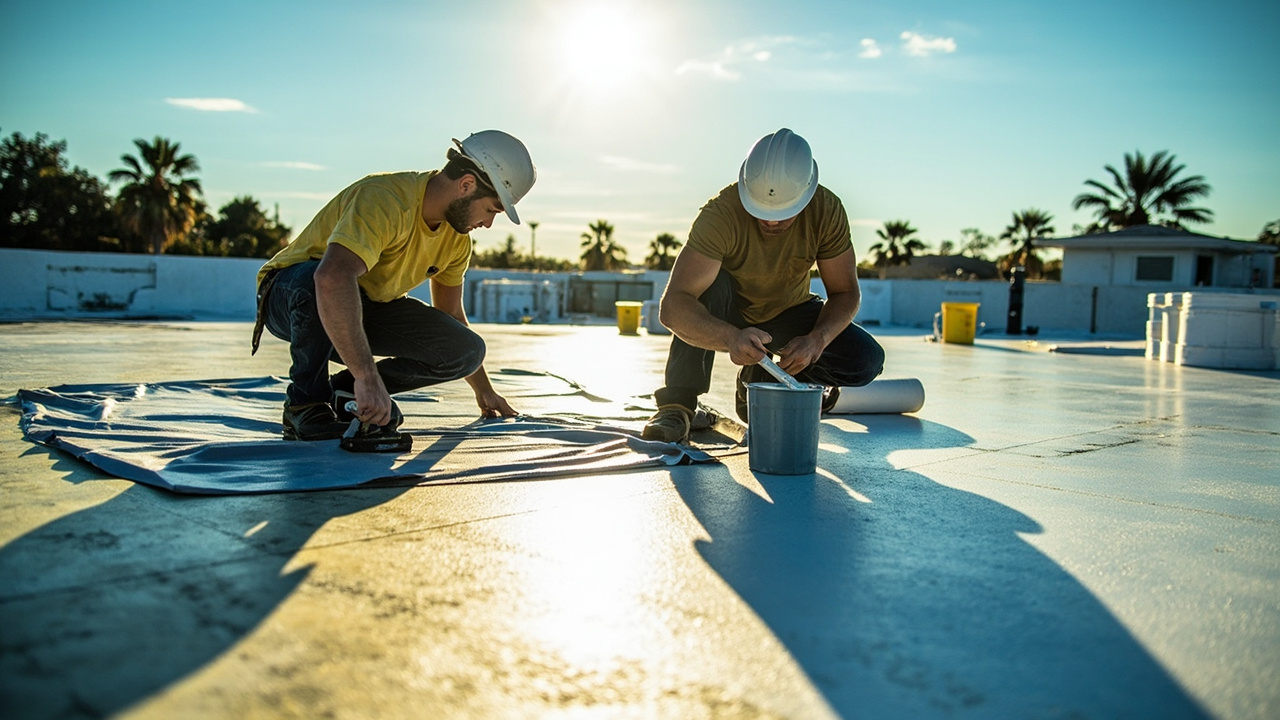
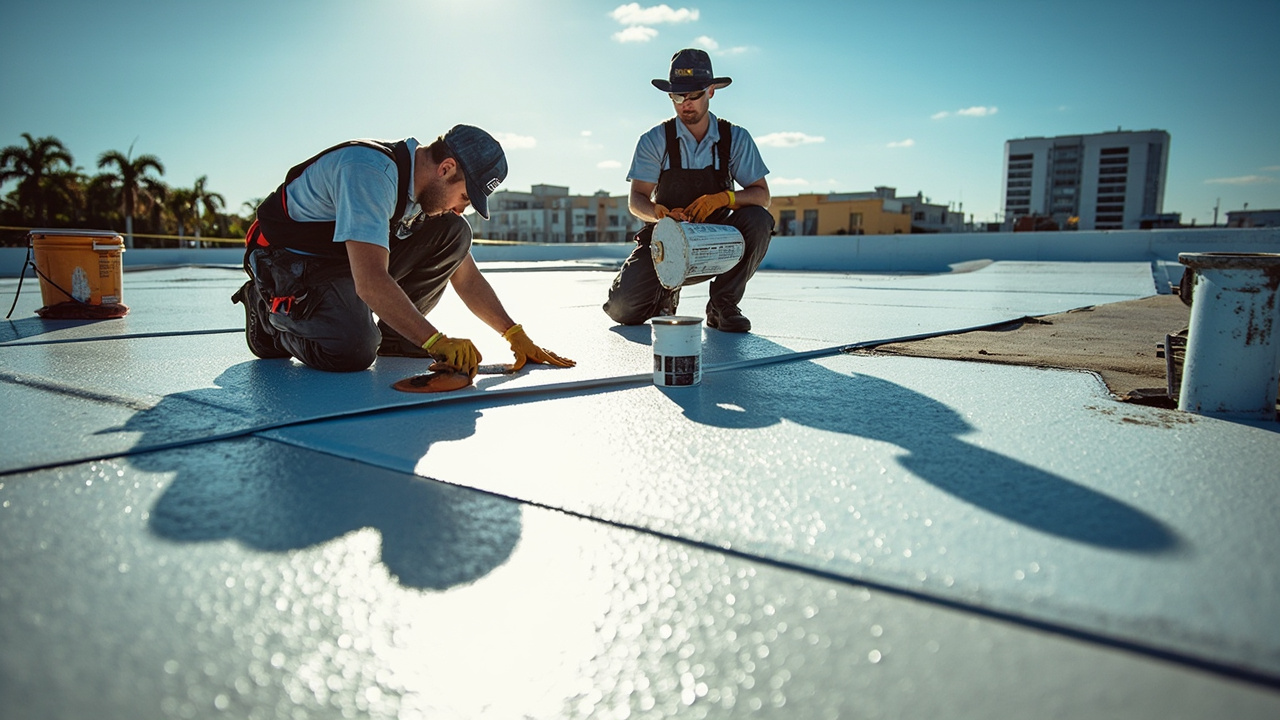
Substrate preparation determines coating performance. Power washing removes biological growth common in Tampa's humid environment, while primer application ensures proper adhesion to aged EPDM, TPO, or modified bitumen surfaces. Seam reinforcement with fabric and mastic creates watertight transitions before fluid-applied membranes go down.

Commercial roof waterproofing includes flashing details at penetrations, parapet walls, and equipment curbs. These transition points fail first under Tampa's thermal cycling and wind-driven rain. We fabricate custom metal counterflashing and install two-part urethane sealants rated for continuous water immersion, not basic construction caulk that fails within 18 months.

Drainage optimization prevents future ponding by installing tapered insulation systems or adding scuppers where code permits. Low slope roof refurbishment often reveals inadequate drainage design from original construction. You gain 5-10 years of additional service life by correcting these deficiencies during restoration rather than repeating emergency repairs every storm season.

Commercial Flat Roof Restoration Sequence

Flat Roof Repair & Restoration in Tampa – Minimize Downtime, Protect Your Investment
01

Facility Assessment and Planning

We schedule roof access during your low-activity periods to avoid disrupting operations. Infrared scanning maps moisture intrusion patterns while core samples verify deck condition and insulation R-value. You receive a conditions report with photo documentation of every deficiency, plus cost analysis comparing restoration versus replacement. This assessment identifies code compliance gaps and calculates ROI based on your facility's remaining service requirements.
02

Staged Repair Execution

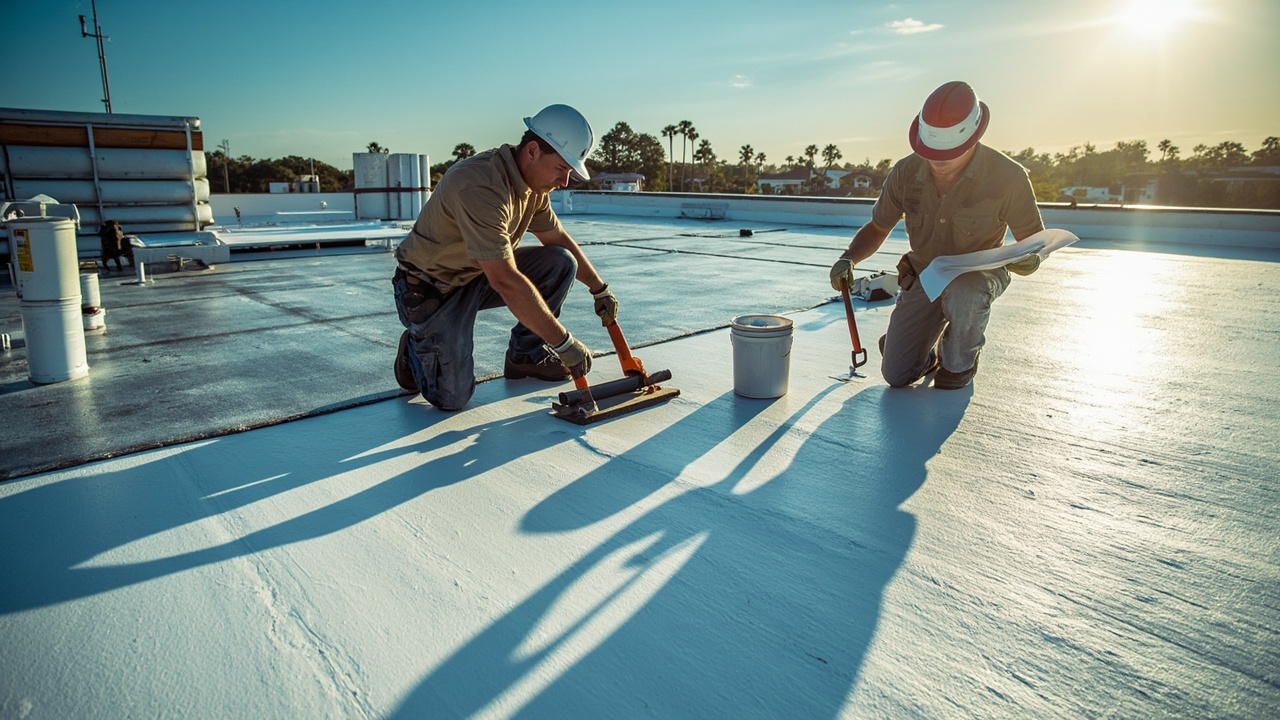
Work proceeds in sections to maintain building weatherproofing throughout the project. We coordinate with your facility manager to avoid blocking loading docks or ventilation intakes during critical production periods. Substrate repairs happen first, removing saturated insulation and replacing damaged decking. Membrane installation or coating application follows, with quality control inspections at each phase. Industrial flat roof repair includes temporary weather protection if afternoon thunderstorms interrupt scheduled sequences.
03

Performance Verification and Documentation

Final inspection includes flood testing of drains, pull testing of membrane seams, and thickness verification of coating applications. You receive as-built documentation showing all repairs, material specifications, and warranty activation paperwork. Commercial roof coating services include maintenance protocols specifying inspection frequency and cleaning procedures. This documentation proves due diligence for insurance claims and supports asset valuation during property transactions or lease negotiations.

Tampa Commercial Roofing Code Compliance and Local Expertise

Tampa operates under Florida Building Code with High Velocity Hurricane Zone provisions affecting Hillsborough County coastal areas. Your flat roof restoration must meet wind uplift requirements based on building height, exposure category, and distance from Tampa Bay. We calculate these loads during assessment, ensuring restoration systems achieve required FM or UL ratings for your specific location.

Local permitting knowledge prevents project delays. Tampa's Building Department requires sealed engineering drawings for structural modifications and roof-mounted equipment additions. We coordinate with your architect or engineer when low slope roof refurbishment includes HVAC replacements or solar panel installations, ensuring all trades work from compatible specifications.

First Choice Roofing Atlanta brings technical expertise refined across thousands of commercial projects in similar subtropical climates. You gain access to manufacturer training certifications that qualify installations for extended warranties unavailable through general contractors. Our crews understand the difference between residential patch work and commercial roof waterproofing systems engineered for 15-20 year service lives.

We maintain relationships with local suppliers who stock materials suitable for Tampa's climate. Not all TPO formulations resist UV degradation equally. Not all coatings maintain flexibility through Florida's temperature swings. Material selection affects long-term performance more than installation quality, making specification knowledge critical to your investment protection.

Facility managers choose us because we communicate in operational terms, not sales language. You need to know how long loading dock access stays blocked, whether work generates odors affecting occupied spaces, and what happens if weather delays the schedule. Industrial flat roof repair projects receive dedicated superintendents who coordinate directly with your team, minimizing surprises and maintaining the professional standards your business requires.

Commercial Flat Roof Restoration Project Details

Project Timeline and Facility Access

Assessment appointments happen within 48 hours of your request. We provide written estimates within five business days, including scope drawings and material specifications. Typical commercial flat roof restoration projects span 5-15 business days depending on square footage and weather delays. Work schedules accommodate your operational needs, including night shifts or weekend execution when daytime access disrupts production. You receive 48-hour advance notice before each work phase begins, allowing coordination with tenants or internal departments. Emergency industrial flat roof repair mobilizes within four hours for active leaks threatening inventory or equipment.

Comprehensive Roof Condition Analysis

Initial evaluation uses infrared thermography to detect trapped moisture without destructive testing. Core samples verify insulation type, thickness, and saturation levels at suspected problem areas. We photograph and GPS-tag every deficiency, creating digital records for your facility management files. Assessment reports quantify remaining service life, calculate repair versus replacement economics, and identify code compliance gaps. You receive material compatibility analysis showing which coating systems work with your existing membrane type. This diagnostic approach prevents the common mistake of applying incompatible products that fail within months, wasting your capital budget.

Engineered Performance Outcomes

Completed restoration delivers measurable results. Commercial roof coating services reduce cooling costs by 15-25% through reflective technology that lowers roof surface temperatures. Properly executed commercial roof waterproofing eliminates leak calls and emergency repairs, protecting inventory and production equipment from water damage. Low slope roof refurbishment extends roof lifespan 10-15 years when executed before substrate deterioration requires full replacement. You receive documentation proving wind uplift ratings meet Tampa's hurricane provisions, supporting insurance renewals and property valuations. Final inspection includes thickness measurements and adhesion testing, verifying specification compliance throughout the project.

Maintenance Programs and Performance Monitoring

Commercial roofing investments require maintenance to achieve projected service life. We provide customized inspection schedules based on your roof type, building use, and warranty requirements. Bi-annual inspections catch small issues before they escalate into expensive failures. Maintenance agreements include drain cleaning, debris removal, and minor sealant touch-ups that prevent water intrusion. You receive detailed inspection reports with photo documentation showing roof conditions over time. This tracking supports capital planning and proves proper maintenance during warranty claims. Industrial facilities with heavy rooftop equipment benefit from quarterly inspections that verify equipment curb integrity and catch HVAC condensate line leaks early.

Frequently Asked Questions

You Have Questions,
We Have Answers

What is the average cost to repair a flat roof? +

Flat roof repair costs vary based on damage extent, material type, and roof size. Minor patching or sealing small leaks costs less than addressing structural issues or membrane replacement. TPO, EPDM, and modified bitumen repairs each carry different price points. Tampa's intense UV exposure and frequent summer storms often accelerate deterioration, impacting repair scope. Commercial properties typically require more extensive work due to larger square footage and equipment loads. Request a detailed inspection to assess underlying damage, ponding water issues, and flashing condition. Material availability, building height, and code compliance also influence final pricing.

Is it expensive to repair a flat roof? +

Expense is relative to avoided losses. Ignoring small leaks leads to interior damage, inventory loss, equipment failure, and potential business interruption costs that far exceed repair expenses. Tampa's humidity accelerates mold growth and structural rot when water intrusion goes unchecked. Proactive repairs prevent liability issues from slip hazards or ceiling collapses. Minor fixes like resealing seams or patching blisters cost less than membrane replacement. Delaying maintenance transforms manageable repairs into full restoration projects. Factor in tax deductions for commercial property repairs and compare costs against lost productivity or customer disruption from water damage.

How often should a flat roof be redone? +

Replacement timelines depend on material type, installation quality, and maintenance frequency. TPO and EPDM membranes typically last 15 to 25 years with proper care. Modified bitumen systems last 10 to 20 years. Tampa's subtropical climate with intense sun, heavy rainfall, and hurricane risks shortens lifespan without routine maintenance. Ponding water, foot traffic from HVAC servicing, and debris accumulation accelerate deterioration. Schedule professional inspections twice yearly and after major storms. Proactive coating reapplication and seam checks extend roof life. Commercial buildings with equipment-heavy rooftops may need more frequent attention.

What is the best way to repair a flat roof? +

The best repair method depends on damage type and membrane material. Small punctures require patching with compatible materials and proper adhesion. Seam failures need heat welding or adhesive resealing based on membrane type. Ponding water issues require improved drainage or tapered insulation installation. Blistering indicates moisture infiltration and needs careful cutting and resealing. Tampa's heat demands thermal-stable materials and UV-resistant coatings. Professional assessment identifies underlying causes like inadequate slope or deteriorated substrate. Avoid temporary fixes that mask structural problems. Code-compliant repairs protect against liability and insurance complications. Match repair materials to existing membrane for proper adhesion.

Is flat roof repair covered by insurance? +

Coverage depends on damage cause and policy terms. Insurance typically covers sudden, accidental damage from storms, fire, or falling objects. Tampa's hurricane and wind damage often qualifies for claims. Gradual deterioration from age or deferred maintenance gets denied. Document damage immediately with photos and timestamps. Commercial policies vary significantly in coverage scope and depreciation calculations. Review your policy for exclusions, deductibles, and proof-of-maintenance requirements. Some insurers require regular inspection records. Wind-driven rain damage may fall under wind or water damage clauses. Engage a public adjuster if disputes arise over causation or repair scope.

What is the life expectancy of a flat roof? +

Life expectancy ranges from 10 to 30 years based on material, installation quality, and maintenance. EPDM rubber typically lasts 20 to 25 years. TPO membranes last 15 to 25 years. Modified bitumen lasts 10 to 20 years. Built-up roofing lasts 15 to 30 years with proper maintenance. Tampa's intense UV radiation, thermal cycling, and hurricane exposure reduce these ranges without proactive care. Ponding water, foot traffic, and debris shorten lifespan significantly. Regular inspections, prompt repairs, and reflective coating reapplication maximize longevity. Commercial buildings with rooftop equipment experience faster wear from constant foot traffic and penetration stress.

What are signs my flat roof needs replacing? +

Visible interior water stains or active leaks signal immediate concern. Ponding water remaining 48 hours after rain indicates drainage failure. Membrane blistering, cracking, or shrinkage exposes substrate to moisture. Seam separation or flashing pullaway creates entry points for water. Soft spots when walking the roof suggest underlying deterioration. Tampa's frequent afternoon storms make leak detection easier during rain events. Increased cooling costs may indicate wet insulation reducing thermal performance. Musty odors suggest hidden moisture and mold growth. Visible algae or vegetation growth indicates standing water problems. Age approaching 20 years warrants replacement evaluation regardless of visible damage.

What are common flat roof problems? +

Ponding water from inadequate slope or clogged drains accelerates deterioration and breeds mosquitoes in Tampa's climate. Membrane shrinkage from UV exposure creates stress at seams and penetrations. Blistering occurs when moisture gets trapped under the membrane. Flashing failures at walls, pipes, and equipment curbs allow water intrusion. Thermal expansion and contraction crack brittle materials. Storm debris punctures membranes and clogs drainage. HVAC foot traffic damages surface and compresses insulation. Seam separation from improper installation or age allows water penetration. Alligatoring in built-up roofing signals advanced deterioration. Root penetration from nearby trees damages membranes.

What is the cheapest option for a flat roof? +

Modified bitumen and built-up roofing systems typically cost less upfront than single-ply membranes. However, cheapest rarely means best value for commercial properties. Lower-grade materials fail faster in Tampa's harsh UV and storm environment, requiring frequent repairs that exceed initial savings. Consider total cost of ownership including maintenance, energy efficiency, and lifespan. Reflective coatings reduce cooling costs in Tampa's heat. Proper installation matters more than material cost. Poor workmanship voids warranties and creates expensive callbacks. Evaluate disruption costs to business operations during installation. Balance initial investment against expected service life and warranty coverage.

How old may a roof be before insurance claims it's too old? +

Most carriers consider roofs over 15 to 20 years old high-risk and may limit coverage or require inspection before renewal. Policies vary by carrier and roof type. Some insurers deny wind or hail coverage on roofs exceeding 15 years regardless of condition. Tampa's hurricane exposure makes insurers particularly strict about roof age. Recent inspection reports showing good condition may extend coverage eligibility. Documented maintenance history helps prove diligence. Some policies require full replacement cost at certain ages. New roofs often qualify for premium discounts. Review your policy annually as age thresholds approach to avoid coverage surprises during claims.

Why Tampa's Afternoon Thunderstorms Demand Superior Commercial Roof Waterproofing

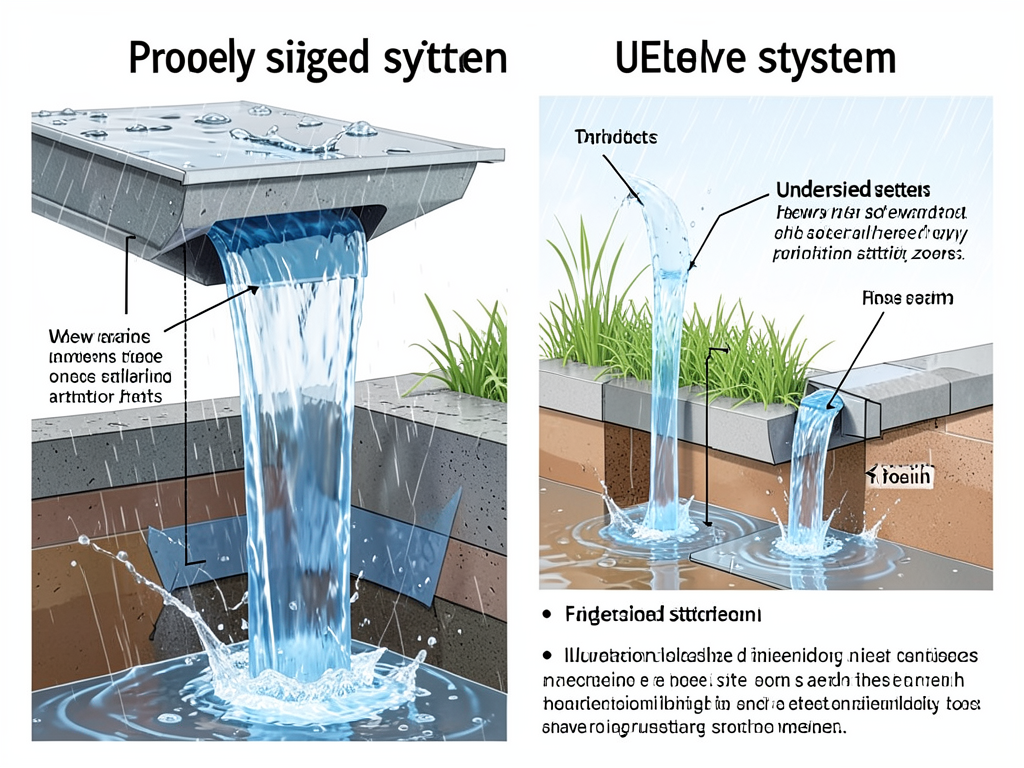
Tampa receives 46 inches of rain annually, concentrated in violent afternoon thunderstorms from June through September. These cells dump 2-3 inches per hour, overwhelming undersized drainage systems common on older commercial buildings. Flat roofs designed for northern rainfall intensities fail here, creating ponding that degrades membranes and leaks into facilities. The combination of intense UV exposure during morning hours followed by thermal shock from afternoon downpours cycles roofing materials through expansion and contraction that separates seams and cracks substrates. Commercial flat roof restoration in Tampa must account for these specific stress factors that do not exist in drier or cooler climates.

Tampa's commercial building stock includes significant square footage constructed during the 1980s-1990s boom, now reaching the end of original roof service life. Local contractors familiar with these buildings understand common failure patterns and cost-effective repair strategies. We work with the same building inspectors, engineers, and material suppliers repeatedly, streamlining permit approvals and ensuring specification compatibility with local availability. This local knowledge prevents delays from ordering specialty materials or resubmitting plans for code corrections. Your facility manager gains a partner who understands Tampa's seasonal construction windows and plans projects around afternoon weather patterns that halt roof work daily from May through October.
Roofing Services in The Tampa Area

We are proud to serve the entire area, providing exceptional roofing services to homeowners and businesses. While we travel directly to your location, you can view our main office on the map to get a sense of our central hub. Our local presence ensures we can respond quickly to your needs and provide the personalized service you deserve. We're always nearby, ready to help with your next roofing project.

Address:
Crestline Roofing Tampa, 2144 W Main St, Tampa, FL, 33607

Additional Services We Offer

Our news updates

Latest Articles & News from The Blogs

What to Do When Your Roofing Contractor Disappears Before the Job is Done Your roofer vanished mid-project and now your…

What to Do When Your Roofing Contractor Disappears Before the Job is Done

What to Do When Your Roofing Contractor Disappears Before the Job is Done Your roofer vanished mid-project and now your…

How the Florida Heat Impacts the Installation Process of Your Pebble Creek Roof

Florida’s summer heat transforms every roofing project in Pebble Creek into a carefully choreographed operation. Asphalt shingles soften at temperatures…

Why Your Gutters Are Overwhelming Your Foundation Even When They Aren't Clogged

Why Your Gutters Are Overwhelming Your Foundation Even When They Aren't Clogged Heavy rain pounds Tampa rooftops during summer afternoons,…

Contact Us

Contact First Choice Roofing Atlanta at (656) 245-0955 for a comprehensive roof assessment. We provide detailed condition reports and restoration proposals within five business days, helping you make informed capital planning decisions before minor issues become operational emergencies.