menu

Roof Inspection & Certification in Tampa – Complete Code-Compliant Reports for Insurance and Real Estate

Get the comprehensive roof certification report you need for mortgage closing, insurance renewal, or property transfer with full documentation of roof condition and remaining service life across the Tampa Bay area.

Slider Image 1
Slider Image 2
Slider Image 3
Slider Image 4
Slider Image 5
Slider Image 7
Slider Image 8
Slider Image 9
Slider Image 10
Slider Image 11

Why Tampa Properties Need Professional Roof Certification

Tampa's position in the hurricane corridor means insurance carriers scrutinize roof condition more than almost anywhere else. You cannot renew coverage or close on a property without proof your roof meets wind load requirements and has adequate remaining life. The problem is that a standard inspection does not provide the documentation lenders and insurers demand.

Florida's humid subtropical climate accelerates shingle degradation. Salt air from the Gulf corrodes flashing and fasteners faster than inland properties experience. Summer storms test waterproofing systems monthly. Add the fact that Tampa building codes require specific wind ratings for replacements, and you understand why a roof certification letter needs technical precision.

When you sell a home in South Tampa or Carrollwood, buyers require a roofing inspection certificate that verifies the system has at least two years of serviceable life remaining. Insurance companies reviewing coverage in Westchase or New Tampa demand a roof life certification that documents compliance with current wind mitigation standards. Without this documentation, transactions stall.

Generic inspection services do not understand the difference between a visual assessment and a roof condition certification. They miss critical details about fastener patterns, underlayment integrity, and code compliance that determine whether your documentation gets accepted or rejected. You need an examiner who knows what Tampa underwriters and closing attorneys require in the certification report.

The gap between what homeowners think they need and what actually satisfies institutional requirements causes frustration and delays. A proper roof certification report addresses specific criteria these entities use to evaluate risk and insurability.

Why Tampa Properties Need Professional Roof Certification
How We Document Roof Condition for Institutional Acceptance

How We Document Roof Condition for Institutional Acceptance

Crestline Roofing Tampa performs certifications using the Florida-specific criteria that insurance carriers and mortgage lenders actually review. We do not conduct cursory walk-throughs. Our process involves systematic examination of every component that affects structural integrity and weather resistance.

We start with fastener pattern verification. Insurance underwriters want confirmation that attachment meets current wind load requirements, not just original installation standards. We document fastener spacing, penetration depth, and deck securement using the specific terminology these reviewers understand. This level of detail separates accepted certifications from rejected ones.

Next, we assess waterproofing system integrity. That means examining flashing at chimneys, valleys, and penetrations for proper installation and material condition. We check drip edge installation, which many older Tampa roofs lack but current code requires. We inspect soffit and fascia for water intrusion evidence that signals deck damage underneath shingles that look acceptable from the ground.

We evaluate shingle condition using granule loss percentage, tab adhesion, and thermal cracking as measurable criteria. A roof certification report needs objective data, not subjective opinions. We photograph deficiencies and note their location using industry-standard reference points.

The final roof condition certification includes remaining service life calculation based on manufacturer specifications, local climate factors, and observed wear patterns. We provide the specific language that satisfies insurance renewal requirements and real estate transaction demands. You receive a roofing inspection certificate that withstands scrutiny from adjusters, underwriters, and closing attorneys who review these documents daily.

Our documentation meets the threshold these institutions require because we know what they look for in certification reports.

What Happens During Your Roof Certification

Roof Inspection & Certification in Tampa – Complete Code-Compliant Reports for Insurance and Real Estate
01

Detailed Physical Inspection

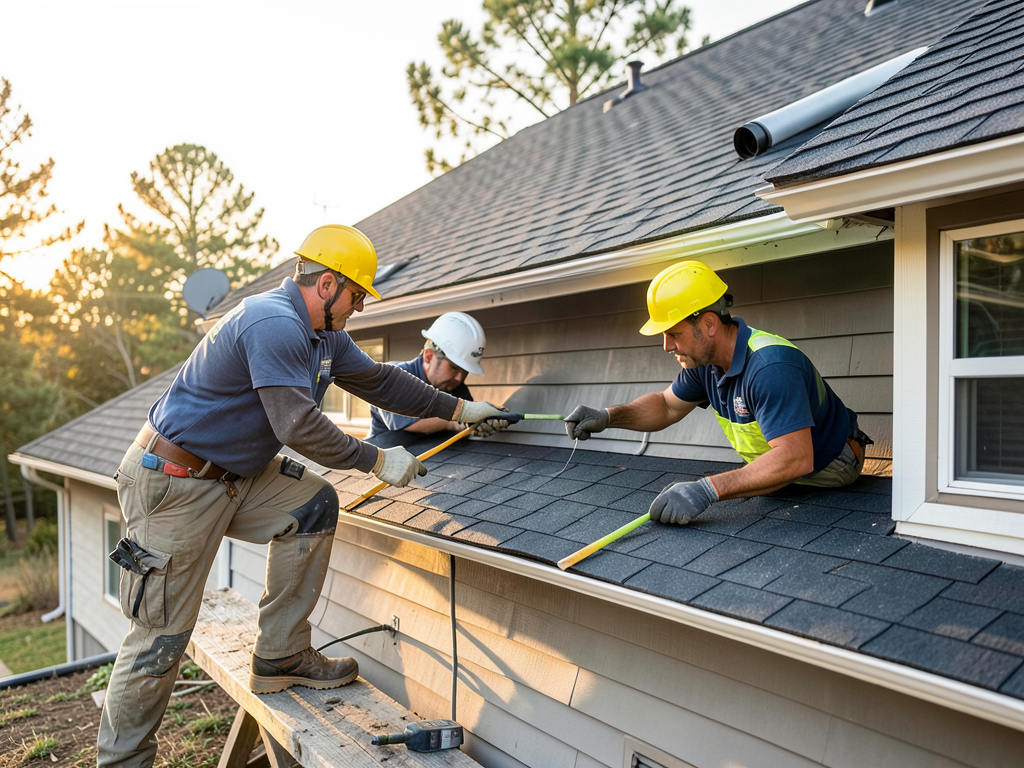
We conduct a complete roof surface examination, accessing all planes to check shingle condition, flashing integrity, and fastener compliance. We inspect attic spaces for deck damage, moisture intrusion, and ventilation adequacy. We photograph every area that affects the certification outcome. We measure remaining shingle life using granule retention and tab seal condition as primary indicators.
02

Code Compliance Verification

We verify that your roof meets current Tampa building code requirements for wind resistance, including proper fastener patterns and edge securement. We check that all penetrations have adequate flashing and that valley installations follow manufacturer specifications. We document compliance or note specific deficiencies that affect certification status. This verification determines whether you receive full certification or conditional approval requiring repairs.
03

Certification Report Delivery

You receive a comprehensive roof certification letter with photographic documentation, remaining life calculation, and code compliance verification. The report format meets insurance carrier and mortgage lender requirements, including specific language these institutions demand. We provide both physical and digital copies for submission to multiple parties. The roof life certification includes our contact information for verification calls from underwriters or closing agents.

Why Tampa Property Owners Choose Our Certification Service

Crestline Roofing Tampa understands the difference between a routine inspection and institutional-grade certification. We know what Hillsborough County building officials require for permits. We understand what Tampa insurance carriers demand for wind mitigation credits. We provide documentation that satisfies both real estate attorneys and underwriters who review hundreds of these reports monthly.

Our examiners recognize the specific roofing systems common to Tampa neighborhoods. We know that many Hyde Park homes still have original cement tile from the 1920s that requires specialized assessment. We understand that Palma Ceia properties often have multi-plane configurations that complicate fastener verification. We know New Tampa subdivisions from the 2000s typically have architectural shingles with specific wind ratings that affect certification language.

This local knowledge matters when you need a roof condition certification that addresses property-specific factors. A certification company from Orlando does not understand Tampa's unique exposure to Gulf moisture or how it affects roof longevity differently than Atlantic coast properties experience.

We also know the insurance companies that dominate Tampa's market and what their underwriting departments require in certification documentation. We provide the specific attestations these carriers demand, formatted in the language their systems recognize. This familiarity prevents the back-and-forth revisions that delay renewals and closings.

When you need a roofing inspection certificate for property transfer, you face time pressure. Closing dates do not move. Our turnaround accommodates transaction timelines. We schedule inspections within 48 hours and deliver certification reports within 24 hours of completing the examination.

You work with a company that treats your certification as the critical document it is, not just another inspection job.

What Your Roof Certification Includes

Fast Turnaround for Urgent Deadlines

We schedule certification inspections within two business days of your request. Most roof certification reports are delivered within 24 hours of completing the physical examination. If you face an immediate closing deadline or insurance cancellation notice, we offer expedited service with same-day report delivery. Our documentation arrives in both digital and physical formats, ready for submission to lenders, insurance carriers, or closing attorneys. We understand that delayed certification stalls transactions and jeopardizes coverage, so we prioritize turnaround without compromising thoroughness.

Comprehensive Documentation Process

Your roof inspection begins with complete surface examination of all roof planes, including areas difficult to access from the ground. We enter attic spaces to check for deck damage, inadequate ventilation, and moisture intrusion that affects remaining service life. We photograph deficiencies and compliance features that support our certification conclusions. We measure shingle wear using objective criteria that insurance reviewers recognize. The assessment addresses every component these institutions evaluate, from fastener patterns to flashing installation to granule retention percentages.

Institutional-Grade Certification Report

You receive a roof certification letter that meets stringent insurance and lending requirements. The report includes remaining life calculation based on observed condition and manufacturer specifications. It documents code compliance for wind resistance and waterproofing standards. It provides the specific attestations that underwriters demand for coverage approval. The certification format follows industry standards that closing attorneys and insurance adjusters review daily. We include photographic evidence and detailed notes that support our conclusions, giving reviewers the documentation they need to approve your transaction or renewal.

Verification Support and Follow-Up

Insurance carriers and lenders often contact certifying companies to verify report authenticity and ask clarifying questions. We respond to these verification requests immediately, ensuring your approval process does not stall. If the reviewing entity requires additional documentation or specific language revisions, we provide those updates at no additional charge. Our certification reports include direct contact information for verification purposes, and we maintain records that allow us to answer detailed questions about your specific property months after the original inspection.

Frequently Asked Questions

You Have Questions,
We Have Answers

What certifications should a roof inspector have? +

A qualified roof inspector in Tampa should hold certification from organizations like Haag Engineering, NRCIA (National Roof Certification and Inspection Association), or IBHS (Insurance Institute for Business and Home Safety). Florida also requires a general contractor license or home inspector license for formal inspections. Given Tampa's hurricane exposure and high humidity, inspectors should understand wind uplift, water intrusion patterns, and algae growth common to coastal climates. Look for professionals with continuing education in storm damage assessment and local building code knowledge specific to Hillsborough County. Experience with tile, asphalt shingle, and flat roof systems typical to Tampa homes matters more than credentials alone.

What is the purpose of a roof certification? +

A roof certification verifies your roof's structural integrity and estimates its remaining lifespan, often required by insurance companies or mortgage lenders. In Tampa, insurers demand certification to assess hurricane risk and determine coverage eligibility. The inspection covers shingles, flashing, underlayment, decking, and drainage systems. Certification protects you during real estate transactions by documenting roof condition before closing. For Tampa homeowners, certification helps secure better insurance rates or avoid policy cancellation, especially for roofs over 15 years old. The document typically guarantees the roof will remain weatherproof for two to five years, assuming no major storm damage occurs.

How much does a 5 year roof certification cost? +

A five-year roof certification in Tampa typically costs between $150 and $400, depending on roof size, pitch, and accessibility. Tile roofs or multi-story homes with steep slopes cost more to inspect. Pricing varies based on whether minor repairs are needed to meet certification standards. Some insurance carriers require specific forms or additional documentation, which can affect cost. The fee covers a detailed inspection, written report, and the formal certification letter your insurer or lender requires. For Tampa homes in flood zones or near the coast, expect inspectors to spend extra time evaluating wind resistance and fastener integrity, which justifies the investment.

How to get certified for roofing? +

To become a certified roof inspector, start with industry training through Haag Engineering's Residential Roof Inspector program or NRCIA courses. In Florida, you need either a general contractor license or a home inspector license issued by the Department of Business and Professional Regulation. Complete the required coursework, pass the state exam, and secure liability insurance. Hands-on experience with Tampa's common roofing systems (tile, asphalt, TPO) is critical. Many inspectors begin as roofers or contractors, then pursue certification after gaining field experience. Continuing education keeps you current on wind mitigation techniques and evolving building codes relevant to coastal markets like Tampa.

How hard is it to be a roof inspector? +

Becoming a roof inspector requires technical knowledge, physical stamina, and attention to detail. The work demands climbing ladders, walking steep pitches in Tampa's heat and humidity, and identifying subtle damage like hairline cracks or improper flashing. You must understand building codes, material science, and local climate challenges like wind-driven rain and algae growth. The certification process involves classroom hours, field training, and passing rigorous exams. Once licensed, you face liability for missed defects. In Tampa's competitive market, inspectors must stay sharp on hurricane-resistant construction methods and insurance requirements. The job is rewarding but demands constant learning and physical endurance.

How long does it take to become ICC certified? +

ICC (International Code Council) certification timelines vary by discipline. Most residential inspectors complete the process in three to six months, including study time and exam scheduling. You must pass the relevant ICC exam for your focus area, such as residential building inspector or combination inspector. Florida recognizes ICC credentials but also requires state licensure through DBPR. Preparation courses range from self-study to formal training programs lasting several weeks. For Tampa-based inspectors, adding hurricane mitigation or wind resistance certifications takes additional time but increases marketability. Factor in application processing, background checks, and continuing education requirements to maintain active certification status.

What is the biggest red flag in a home inspection? +

Active water intrusion is the biggest red flag during roof inspections. In Tampa, look for water stains on ceilings, mold growth in attics, or rotted decking, all signals of leaks that compromise structural integrity. Missing or damaged flashing around chimneys and valleys allows wind-driven rain to penetrate. Another critical concern is improper installation, like incorrect fastener placement or inadequate underlayment, which fails during hurricanes. Sagging roof lines indicate structural failure or inadequate framing. For Tampa homes, algae or moss growth suggests poor ventilation and trapped moisture. These issues require immediate repair and can disqualify you from insurance coverage or derail real estate transactions.

What is the difference between inspection and certification? +

A roof inspection evaluates condition and identifies defects without making guarantees. An inspector documents damage, wear, and potential problems but does not certify future performance. A roof certification goes further, providing a written guarantee that the roof will remain weatherproof for a specified period, typically two to five years. Tampa insurance companies require certification, not just inspection, to underwrite policies or process claims. Certification assumes the roof meets minimum standards and has sufficient remaining lifespan. Inspectors who issue certifications accept liability for their assessment, which is why certification costs more and requires higher qualifications than a basic inspection report.

What is the first thing an inspector wants to see? +

An inspector first examines the roof from the ground, looking for obvious defects like missing shingles, sagging ridges, or damaged flashing. Next, they assess attic ventilation and check for water stains, mold, or compromised decking from inside. On the roof, inspectors evaluate material condition, fastener integrity, and proper installation techniques. In Tampa, they focus on wind resistance features like sealed shingles and reinforced flashing. Inspectors also check gutters, downspouts, and drainage systems to ensure water flows away from the structure. They measure remaining shingle granules, test for soft spots, and document any storm damage or aging that affects certification eligibility.

Who pays for a roof inspection? +

The buyer typically pays for roof inspections during real estate transactions in Tampa. Sellers sometimes cover the cost to strengthen their listing or address buyer concerns proactively. For insurance-required certifications, the homeowner pays, as insurers demand proof of roof integrity before issuing or renewing policies. If you are refinancing, lenders may require certification at your expense. In some cases, insurance companies cover inspection costs after storm damage to process claims. Roof inspection fees are small compared to the protection they provide, especially in Tampa's hurricane-prone market. Clarify who pays upfront during negotiations to avoid confusion and delays in closing or policy approval.

How Hurricane Zone Location Affects Tampa Roof Certification Requirements

Tampa sits in a high-velocity hurricane zone, which means insurance carriers apply stricter certification standards than they use for inland Florida properties. Your roof life certification must document specific wind resistance features that satisfy underwriting criteria for coastal exposure. Insurance companies want verification of fastener patterns that meet current building code requirements, not just the standards in place when your roof was installed. They demand confirmation that flashing installations can withstand sustained winds and wind-driven rain. Tampa properties also face salt air corrosion from the Gulf, which accelerates metal component deterioration and affects remaining service life calculations in ways that certification reports must address.

Hillsborough County building codes incorporate the Florida Building Code with local amendments that affect roof certification standards. Crestline Roofing Tampa stays current with these requirements because we work with local building officials regularly. We understand what Tampa-area insurance carriers demand because we provide roof condition certifications to their policyholders throughout South Tampa, Westchase, Carrollwood, and New Tampa. This local expertise means your certification report contains the specific language and documentation these institutions require, preventing rejections that delay closings and jeopardize coverage renewals.
Roofing Services in The Tampa Area

We are proud to serve the entire area, providing exceptional roofing services to homeowners and businesses. While we travel directly to your location, you can view our main office on the map to get a sense of our central hub. Our local presence ensures we can respond quickly to your needs and provide the personalized service you deserve. We're always nearby, ready to help with your next roofing project.

Address:
Crestline Roofing Tampa, 2144 W Main St, Tampa, FL, 33607

Additional Services We Offer

Our news updates

Latest Articles & News from The Blogs

What to Do When Your Roofing Contractor Disappears Before the Job is Done Your roofer vanished mid-project and now your…

What to Do When Your Roofing Contractor Disappears Before the Job is Done

What to Do When Your Roofing Contractor Disappears Before the Job is Done Your roofer vanished mid-project and now your…

How the Florida Heat Impacts the Installation Process of Your Pebble Creek Roof

Florida’s summer heat transforms every roofing project in Pebble Creek into a carefully choreographed operation. Asphalt shingles soften at temperatures…

Why Your Gutters Are Overwhelming Your Foundation Even When They Aren't Clogged

Why Your Gutters Are Overwhelming Your Foundation Even When They Aren't Clogged Heavy rain pounds Tampa rooftops during summer afternoons,…

Contact Us

Call (656) 245-0955 now to schedule your roof inspection and certification. We provide fast turnaround for insurance renewals and real estate transactions. Our certification reports meet institutional requirements the first time, preventing delays and rejections.