menu

Emergency Tarping Service in Tampa – 24/7 Storm Response Teams Dispatched in Under 60 Minutes

When your Tampa roof is damaged, every minute counts. Our rapid emergency roof tarp installation teams protect your property from further water intrusion, mold growth, and structural damage while you wait for permanent repairs.

Slider Image 1
Slider Image 2
Slider Image 3
Slider Image 4
Slider Image 5
Slider Image 7
Slider Image 8
Slider Image 9
Slider Image 10
Slider Image 11

Tampa Storm Damage Demands Immediate Roof Protection

Tampa's position along the Gulf Coast puts your property directly in the path of severe thunderstorms, tropical systems, and hurricane-force winds that can tear shingles, puncture decking, and expose your interior to catastrophic water damage. When a storm hits between June and November, you face a ticking clock. Every hour your roof remains exposed allows rainwater to saturate insulation, seep into wall cavities, and create conditions for black mold colonization that can begin within 24 to 48 hours.

The unique challenges of Tampa's subtropical climate make 24 hour roof tarping not just urgent but critical. High humidity levels mean moisture does not evaporate quickly. Water that enters through compromised flashing or missing tiles spreads rapidly through attic spaces and ceiling joists. During peak storm season, roofing contractors book out weeks in advance for permanent repairs, leaving your home vulnerable to secondary damage that often exceeds the initial storm loss.

Temporary roof covering services act as your first line of defense. A properly installed emergency tarp creates a waterproof barrier over damaged sections, channels runoff away from vulnerable penetrations, and buys you the time needed to file insurance claims and schedule comprehensive repairs. The difference between immediate tarping and waiting 24 hours can mean the difference between a manageable claim and total interior replacement. Storm damage roof tarping is not about aesthetics. It is about stopping the bleed before it becomes a hemorrhage.

Tampa Storm Damage Demands Immediate Roof Protection
Our Emergency Response Protocol for Roof Protection

Our Emergency Response Protocol for Roof Protection

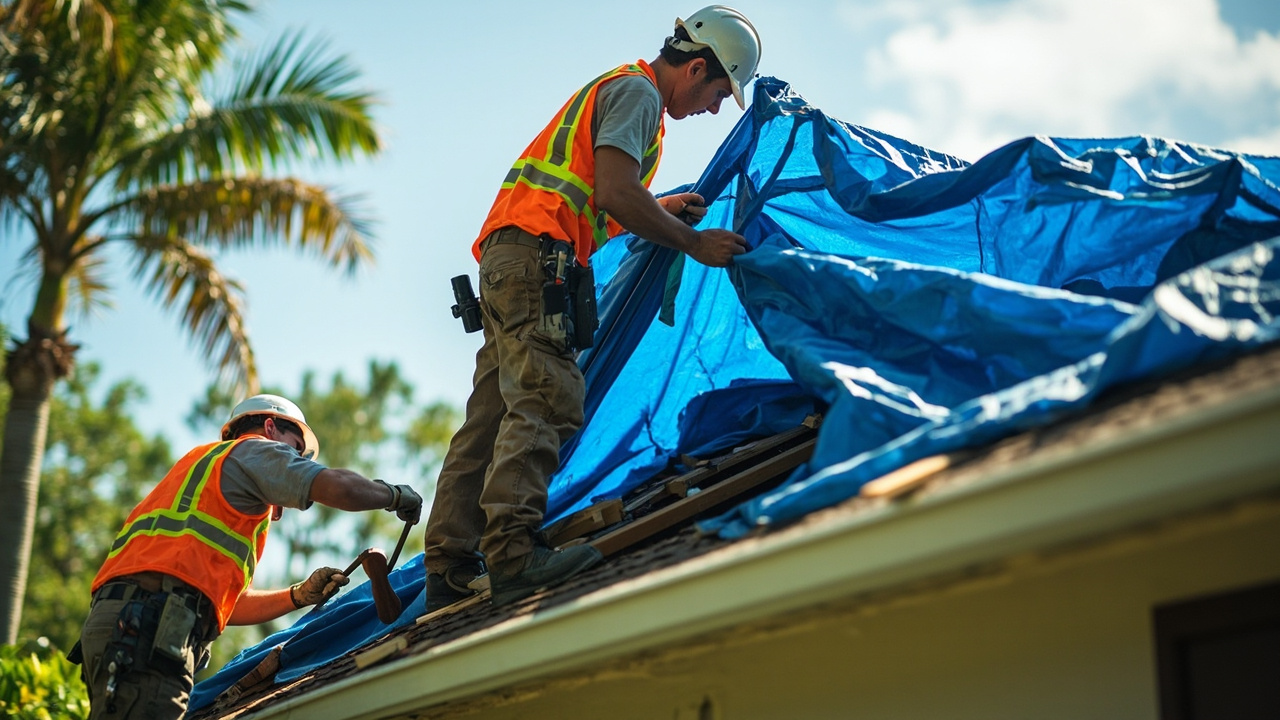
When you call Crestline Roofing Tampa for urgent roof tarping, we deploy a systematic damage control operation designed for speed and durability. Our crews arrive with commercial-grade reinforced polyethylene tarps rated for sustained winds up to 70 mph, not the hardware store variety that tears loose in the first squall. We anchor each tarp using a combination of screw-and-plate fasteners driven directly into sound decking and sandbag ballast positioned along the perimeter to prevent wind uplift.

The installation begins with debris clearance. We remove loose shingles, broken tiles, and displaced flashing that could puncture the tarp material. Next, we map the damage footprint, extending coverage at least three feet beyond the compromised area in all directions to account for water migration patterns. The tarp gets positioned to overlap existing roofing material by a minimum of two feet, creating a shingled effect that directs water down and away from the breach.

Critical attachment points follow the rafter layout underneath. We space fasteners every 18 inches along the edges and every 24 inches across the field to prevent sagging and pooling. Each penetration gets sealed with butyl tape to maintain waterproof integrity. For multi-level damage or complex roof geometries common in Tampa's Mediterranean Revival and ranch-style homes, we use multiple overlapping sections with staggered seams. The final step involves tension adjustment. A properly secured tarp sits taut but not drum-tight, allowing minimal flex during wind events while maintaining positive drainage. This is not temporary. This is tactical damage control that holds until permanent restoration begins.

What Happens When You Call for Emergency Roof Tarping

Emergency Tarping Service in Tampa – 24/7 Storm Response Teams Dispatched in Under 60 Minutes
01

Immediate Dispatch and Assessment

Your emergency call triggers immediate crew dispatch. We gather critical information about the damage location, extent, and accessibility while our team loads equipment. Upon arrival, our lead technician conducts a rapid visual assessment from ground level and confirms safe roof access conditions. We identify the primary breach points, measure the coverage area needed, and check for secondary damage like compromised decking or structural deflection before any work begins.
02

Tarp Installation and Securing

Our crew clears debris from the damaged section and positions the reinforced tarp to maximize coverage beyond the affected area. We anchor the material using screw-and-plate fasteners into solid decking along predetermined attachment lines that follow the underlying rafter structure. Each edge receives sandbag reinforcement, and all seams get overlapped and sealed. The installation accounts for roof pitch, valley configurations, and penetrations like vents or chimneys to ensure complete water shedding.
03

Documentation and Next Steps

After securing the tarp, we photograph the installation from multiple angles for your insurance documentation. You receive a detailed service report outlining the damage observed, materials used, and recommended timeline for permanent repairs. We explain what the tarp will and will not protect against, provide guidance on interior moisture monitoring, and schedule a follow-up inspection to assess the tarp's performance after the next rain event.

Why Tampa Property Owners Trust Our Emergency Response

Emergency roof situations demand contractors who understand Tampa's specific building challenges and can respond without delay. Crestline Roofing Tampa maintains dedicated emergency response teams during storm season because we know that when a tropical depression spins up in the Gulf, the entire metro area faces simultaneous damage. We do not overbook. We do not put you on a waiting list. We maintain reserve capacity specifically for urgent situations.

Our familiarity with Tampa's building codes and common residential roof assemblies means faster, more effective installations. We work daily on the concrete tile systems popular in South Tampa neighborhoods, the architectural shingle roofs common in New Tampa subdivisions, and the modified bitumen commercial roofs in the Westshore business district. This is not generic experience. We know how the wind-driven rain penetrates through the barrel tile gaps on Mediterranean-style homes. We understand the failure points on the hip roofs that dominate Tampa Palms and understand how to anchor tarps on the low-slope sections common in mid-century construction.

Local authority matters when insurance adjusters arrive. Our documentation meets the standards required by the major carriers operating in Hillsborough County. We provide the photographic evidence, material specifications, and damage narratives that support your claim and expedite approval. We also understand Florida's strict timelines for property protection after a loss. Failure to mitigate damage can jeopardize coverage. Our rapid response ensures you meet your policy obligations while protecting your investment. When the stakes are this high, you need a contractor who treats your emergency like the crisis it is, not like routine maintenance that can wait until next Tuesday.

What to Expect from Our Emergency Tarping Service

Response Time and Availability

Our emergency response teams operate 24 hours a day, seven days a week, including holidays. When you call our dedicated emergency line, you reach a live person who can dispatch a crew immediately, not an answering service that takes messages. During active storm events, we stage crews across multiple zones in the Tampa metro area to minimize travel time. Our standard emergency response window is under 60 minutes for properties within Hillsborough County and under 90 minutes for outlying areas in Pasco and Pinellas counties. We understand that storm damage does not wait for business hours, and neither do we.

Damage Assessment Process

Before installing any tarp, our technician performs a thorough damage assessment that goes beyond the obvious breach. We check for hidden damage in adjacent sections, evaluate the structural integrity of the decking underneath, and identify any secondary issues like compromised flashing or damaged underlayment that could cause problems even after tarping. You receive a verbal explanation of what we found and what the tarp will protect against. This assessment informs the tarp size, placement strategy, and follow-up recommendations. We also photograph the pre-tarp condition for your insurance records and document any hazards like standing water in the attic or saturated insulation.

Installation Quality Standards

Every emergency tarp installation uses commercial-grade materials rated for extended exposure to Florida weather. We do not use blue poly tarps from retail stores that degrade in UV light and tear loose in moderate winds. Our reinforced polyethylene tarps feature woven scrim reinforcement and heat-sealed edges. Attachment follows engineered spacing requirements, not guesswork. Fasteners penetrate into solid wood, not just shingle surfaces. The installation creates positive drainage without creating water pockets that add weight and stress. You get a tarp that performs like a temporary roof system, not a glorified plastic sheet.

Post-Installation Support

After installation, we provide guidance on monitoring the tarped area and what signs indicate the tarp needs adjustment or replacement. We schedule a follow-up inspection after significant rain events to verify the tarp's performance and identify any emerging issues. When you are ready to proceed with permanent repairs, we provide a detailed repair estimate based on the damage we observed during the emergency response. Our emergency tarping service includes documentation support for insurance claims, including itemized invoices that meet carrier requirements and photographic evidence that supports your loss report. We remain available to answer adjuster questions and provide supplemental information throughout the claims process.

Frequently Asked Questions

You Have Questions,
We Have Answers

How much does emergency roof tarping cost? +

Emergency roof tarping in Tampa typically ranges based on damage size, roof pitch, and storm severity. A small leak repair tarp may cost a few hundred dollars, while extensive hurricane damage covering multiple roof planes can climb higher. Expect pricing to reflect the urgency, your roof's accessibility, and whether crews deploy during active weather. Most reputable contractors charge for material quality, labor safety, and 24/7 availability. Get a written estimate upfront. Many insurance policies cover emergency mitigation, so document everything and ask about direct billing to streamline the claims process.

How much does insurance pay for tarping? +

Most homeowners insurance policies in Tampa cover reasonable emergency tarping costs if the damage results from a covered peril like windstorm or hail. Insurers view tarping as necessary mitigation to prevent secondary water damage. Coverage usually falls under your dwelling or emergency repairs provision. Save all receipts and take photos before and after tarping. File your claim immediately. Adjusters often reimburse tarping within your policy limits, but delays or incomplete documentation can cause denials. Ask your contractor to document materials and labor clearly for the adjuster's review.

Will Fema put a tarp on my roof? +

FEMA's Blue Roof Program deploys after presidentially declared disasters in Tampa and surrounding counties. If activated, FEMA contracts install temporary blue tarps at no cost to eligible homeowners with storm-damaged roofs. You must register through FEMA's helpline and meet specific criteria. The program prioritizes homes where occupants cannot afford or access private contractors. Demand is high after major hurricanes, so expect wait times. If you need immediate protection, hire a licensed contractor and tarp now. FEMA reimbursement may apply later, but stopping water damage today is critical.

How do I get a new roof if I can't afford it? +

If you cannot afford a full roof replacement in Tampa, explore these options: file an insurance claim if storm damage caused the issue, apply for a low-interest disaster loan through the SBA after declared events, or check local nonprofits and community programs that assist low-income homeowners. Some contractors offer financing plans with reasonable terms. Prioritize emergency repairs like tarping to prevent further damage while you secure funding. Document all damage with photos and get multiple estimates. Delaying repairs worsens the problem and increases costs, so act quickly to protect your home.

How much to put a roof on a 2000 sq ft house? +

A full roof replacement on a 2000 square foot home in Tampa varies widely based on roofing material, pitch, layers to remove, and current market conditions. Asphalt shingles are the most budget-friendly option, while tile or metal roofs cost significantly more. Tampa's hurricane codes require enhanced fastening and underlayment, which adds to labor and material expenses. Get at least three written estimates from licensed contractors. Pricing fluctuates after major storms due to demand surges. Financing options and insurance claims can offset costs if storm damage triggered the need.

How long do Fema tarps last? +

FEMA blue tarps are designed as temporary protection, not permanent solutions. In Tampa's humid, high-wind climate, they typically last three to six months before UV exposure, wind uplift, and pooling water degrade the material. Tarps may fail sooner during active storm seasons or if improperly secured. Inspect tarps weekly for tears, lifting edges, or pooling. FEMA and contractors emphasize that tarps buy time to arrange permanent repairs, not replace them. Schedule roof replacement or repair as soon as possible to avoid recurring leaks and further interior damage.

What can I use instead of tarping my roof? +

If tarping is unavailable or impractical, consider these alternatives for Tampa roofs: emergency roof patches using roofing cement and shingles for small punctures, plywood sheathing secured over the damaged area for missing sections, or spray foam for minor leaks until a contractor arrives. These are temporary fixes only. In severe cases, interior water diversion using buckets and plastic sheeting limits damage until professional help arrives. Do not attempt DIY repairs on steep or multi-story roofs during storms. Your safety comes first. Call a 24/7 emergency roofer immediately to prevent escalation.

What not to say to a roof insurance adjuster? +

Never tell a Tampa insurance adjuster that damage existed before the storm, that you delayed reporting the claim, or that you already started permanent repairs without approval. Avoid exaggerating damage or speculating about causes you cannot prove. Do not sign release forms or accept settlements before a contractor reviews the estimate. Stay factual and stick to documented evidence like photos, dates, and repair invoices. Let the adjuster inspect thoroughly, but consider hiring a public adjuster or contractor to advocate for you if the settlement seems low or unfair.

What is the 80% rule in homeowners insurance? +

The 80% rule means you must insure your Tampa home for at least 80% of its replacement cost to avoid penalties during a claim. If you underinsure and file a partial loss claim, the insurer reduces the payout proportionally. For example, if your home costs $300,000 to rebuild but you only carry $200,000 in coverage, you will not receive full compensation for covered damages. Review your policy annually and adjust coverage as construction costs rise. Tampa's hurricane exposure and building code requirements make accurate replacement cost estimates critical.

How old may a roof be before insurance claims it's too old? +

Most Florida insurers flag roofs over 15 years old for non-renewal or coverage restrictions, especially in Tampa's high-risk wind zone. Roofs aged 15 to 20 years may require a wind mitigation inspection or roof certification to maintain full coverage. Policies often limit claims to actual cash value instead of replacement cost for older roofs, meaning depreciation reduces your payout. Some carriers refuse coverage entirely for roofs over 20 years old. If your roof approaches this threshold, consider proactive replacement to maintain insurability and maximize claim potential after future storms.

Why Tampa's Hurricane Exposure Makes Emergency Tarping a Critical Service

Tampa sits in one of the most hurricane-vulnerable zones in the United States, with a statistical return period that puts a major hurricane strike within range every 20 years. The city's location on a shallow bay amplifies storm surge risk, but the more frequent threat comes from the intense squall lines and embedded tornadoes in the outer rain bands that arrive hours before the main circulation. These bands generate sudden wind bursts exceeding 80 mph that lift roof shingles, dislodge tiles, and drive rain horizontally under even properly installed systems. Add Tampa's average annual rainfall of 46 inches concentrated in the June through September wet season, and any roof breach becomes a cascading emergency. Emergency roof tarp installation stops that cascade and prevents the secondary damage that turns a recoverable situation into a total loss.

Choosing a local emergency tarping provider familiar with Tampa's specific building patterns and weather threats ensures faster response and better results. We know which neighborhoods have older roof systems most vulnerable to wind damage. We understand the typical failure modes on the clay tile roofs common in Historic Hyde Park and the standing seam metal roofs gaining popularity in new construction along the Riverwalk. Our crews train specifically on the attachment methods required for different decking materials, from traditional wood sheathing to the OSB panels standard in homes built after 1995. This local expertise translates to installations that hold through multiple weather cycles and meet the expectations of insurance adjusters who review hundreds of claims across the Tampa market every storm season.
Roofing Services in The Tampa Area

We are proud to serve the entire area, providing exceptional roofing services to homeowners and businesses. While we travel directly to your location, you can view our main office on the map to get a sense of our central hub. Our local presence ensures we can respond quickly to your needs and provide the personalized service you deserve. We're always nearby, ready to help with your next roofing project.

Address:
Crestline Roofing Tampa, 2144 W Main St, Tampa, FL, 33607

Additional Services We Offer

Our news updates

Latest Articles & News from The Blogs

During Tampa’s summer monsoon season, standard gutter screens clog and overflow within minutes of heavy rain. Carrollwood’s mature oak canopy…

Why Standard Gutter Screens Often Fail During Heavy Summer Downpours in Carrollwood

During Tampa’s summer monsoon season, standard gutter screens clog and overflow within minutes of heavy rain. Carrollwood’s mature oak canopy…

What Tampa Homeowners Should Know Before Installing Integrated Solar Shingles

What Tampa Homeowners Should Know Before Installing Integrated Solar Shingles \n\n Solar shingles offer Tampa homeowners a sleek, durable way…

Managing the Transition from Pitched to Flat Roofs on Your South Tampa Addition

Managing the Transition from Pitched to Flat Roofs on Your South Tampa Addition Your roof transition creates the most vulnerable…

Contact Us

Your roof is compromised. Every minute increases the damage. Call Crestline Roofing Tampa now at (656) 245-0955 for immediate emergency tarping. Our crews are standing by 24/7 to protect your property.