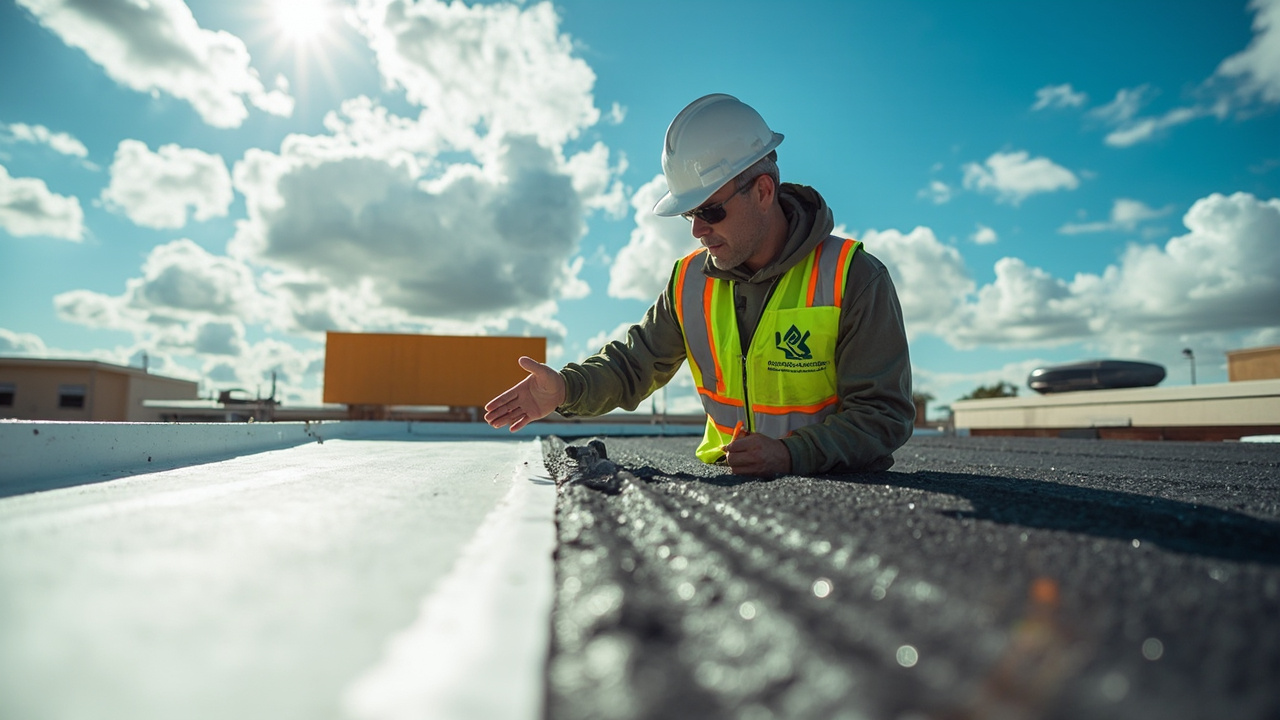
Tampa's location on a peninsula creates specific atmospheric conditions that impact membrane roofing performance. Salt-laden air from Tampa Bay and the Gulf of Mexico deposits corrosive residue on roof surfaces, affecting fasteners and metal components more than the membrane itself. However, this coastal environment accelerates UV degradation because the combination of reflected light from water and direct solar exposure creates intense conditions on rooftops within five miles of the waterfront. Buildings in Channelside, Harbor Island, and along Bayshore Boulevard experience faster membrane aging than inland properties. TPO's reflective surface helps combat this UV intensity, while EPDM's rubber composition provides inherent UV resistance through carbon black content. The thermoplastic polyolefin vs rubber roofing choice often hinges on whether heat reduction or material flexibility matters more for your specific building location.
Tampa's commercial building code enforcement has become increasingly rigorous regarding roof system wind resistance following recent hurricane seasons. The Building Department requires specific uplift testing documentation and installation methods for coastal zones. Contractors unfamiliar with these requirements can delay your project or create code compliance issues that affect occupancy permits. Our experience with Tampa inspectors and local code interpretations ensures your membrane roof installation meets all requirements without costly corrections. We also understand which membrane attachment methods work best with Tampa's common substrate types, from the concrete decks in older downtown buildings to the metal decking in newer construction near the airport.