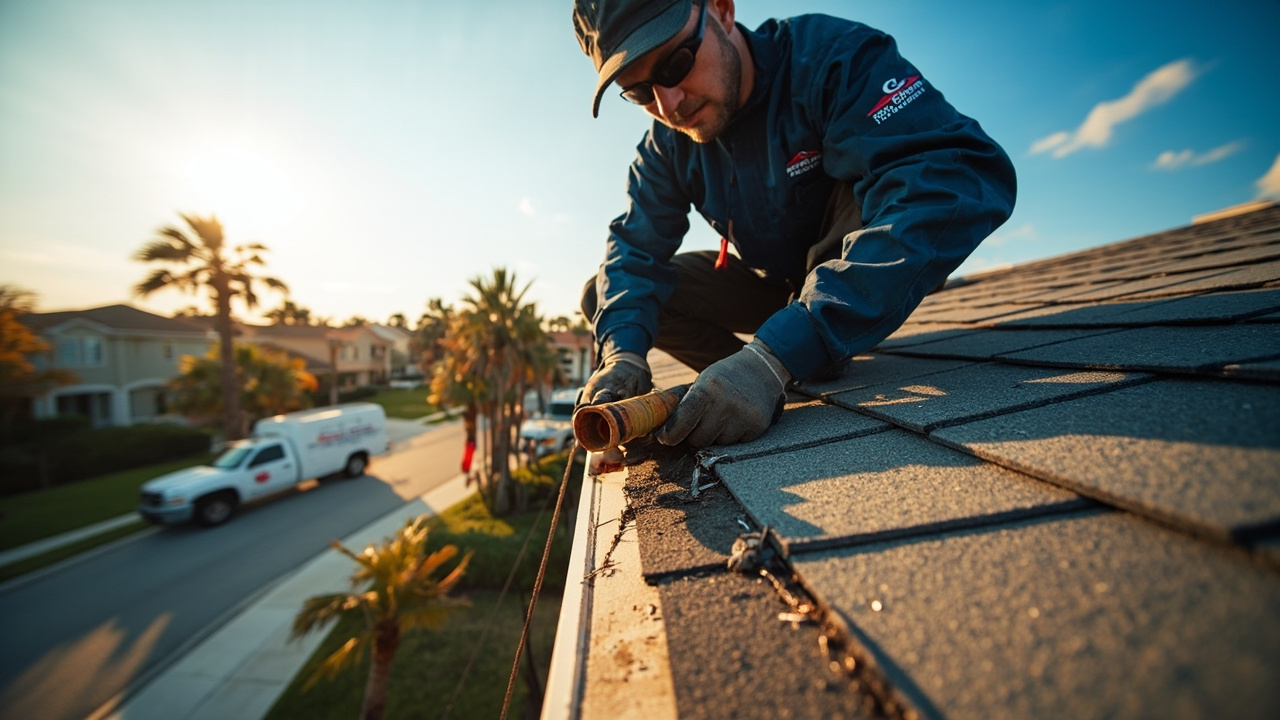
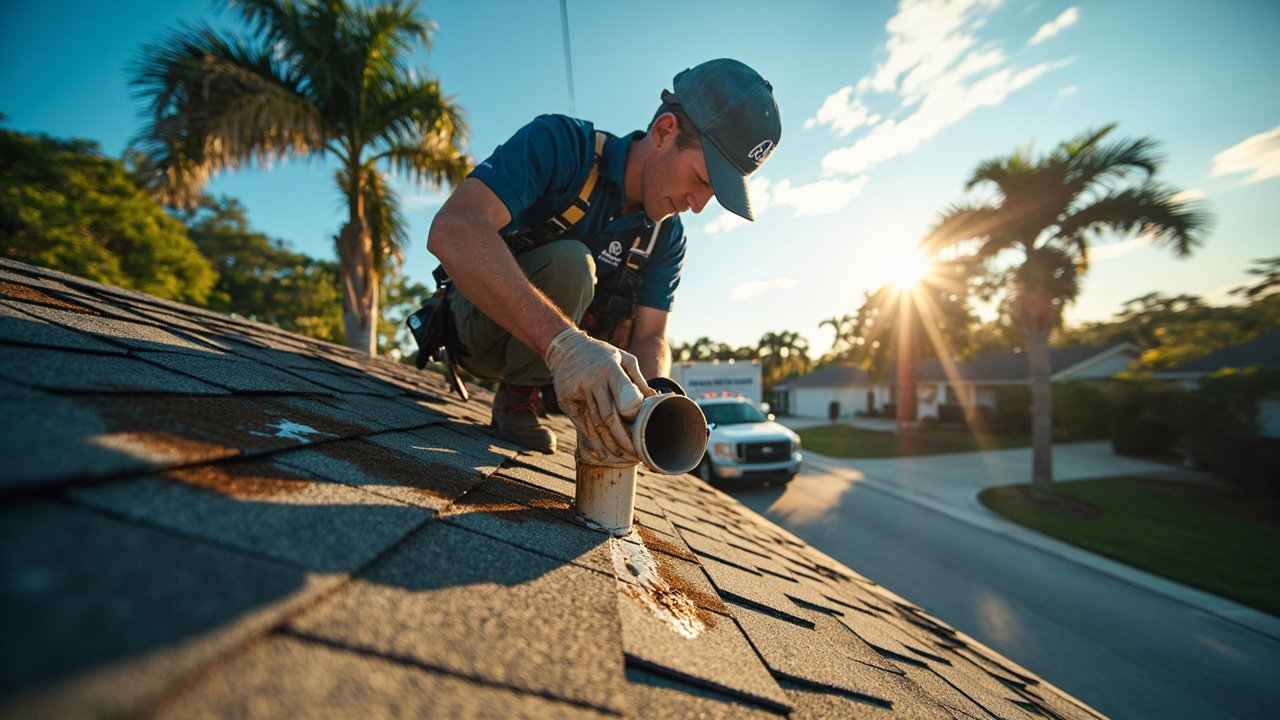
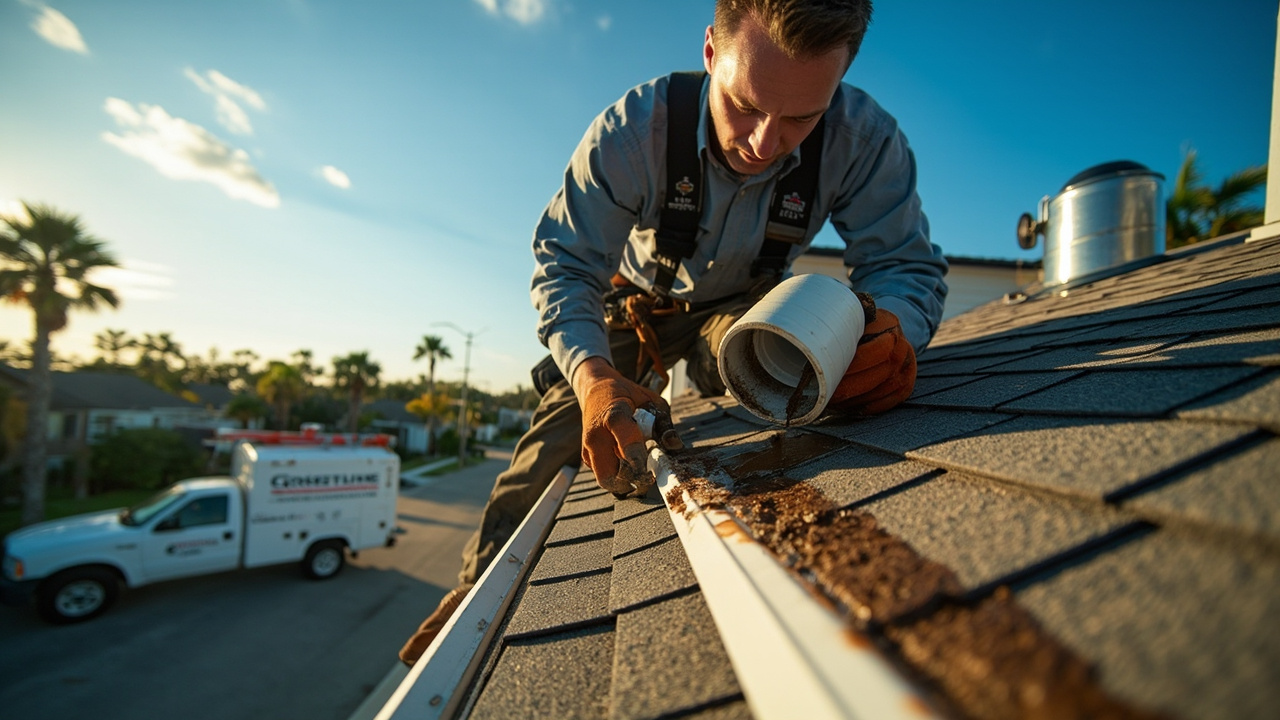
Tampa receives more than 2,800 hours of sunshine annually, combined with humidity levels that regularly exceed 75 percent. This combination creates a harsh environment for rubber and neoprene materials. The UV radiation breaks down polymer chains in your pipe boot seals, causing surface cracking that allows moisture penetration. Once moisture enters the cracks, Tampa's high humidity prevents proper drying, accelerating material degradation. A cracked plumbing vent boot that might last ten years in a drier climate fails in half that time here. The afternoon thunderstorms then exploit these weakened seals, forcing water past the deteriorated rubber roof collar and into your attic space.
Hillsborough County building codes require specific flashing details for high-wind zones, and many older Tampa homes have pipe boots installed before these requirements took effect. We see this frequently in Palma Ceia and Beach Park, where homes built in the 1950s and 1960s have undersized base flashing or missing storm collars. Local building inspectors recognize our work because we stay current on code updates and apply proper techniques that meet or exceed minimum requirements. When you hire a roofing contractor familiar with Tampa's specific challenges, you get repairs designed for this climate, not generic solutions that fail prematurely.