menu

Condensation & Moisture Issues in Tampa | Expert Diagnosis and Permanent Repair Solutions

Our roofing specialists identify the exact source of condensation and moisture issues using thermal imaging and attic ventilation analysis, then implement targeted solutions that stop roof sweating and prevent long-term structural damage in Tampa's humid climate.

Slider Image 1
Slider Image 2
Slider Image 3
Slider Image 4
Slider Image 5
Slider Image 7
Slider Image 8
Slider Image 9
Slider Image 10
Slider Image 11

Why Tampa Homes Battle Constant Roof Moisture Problems

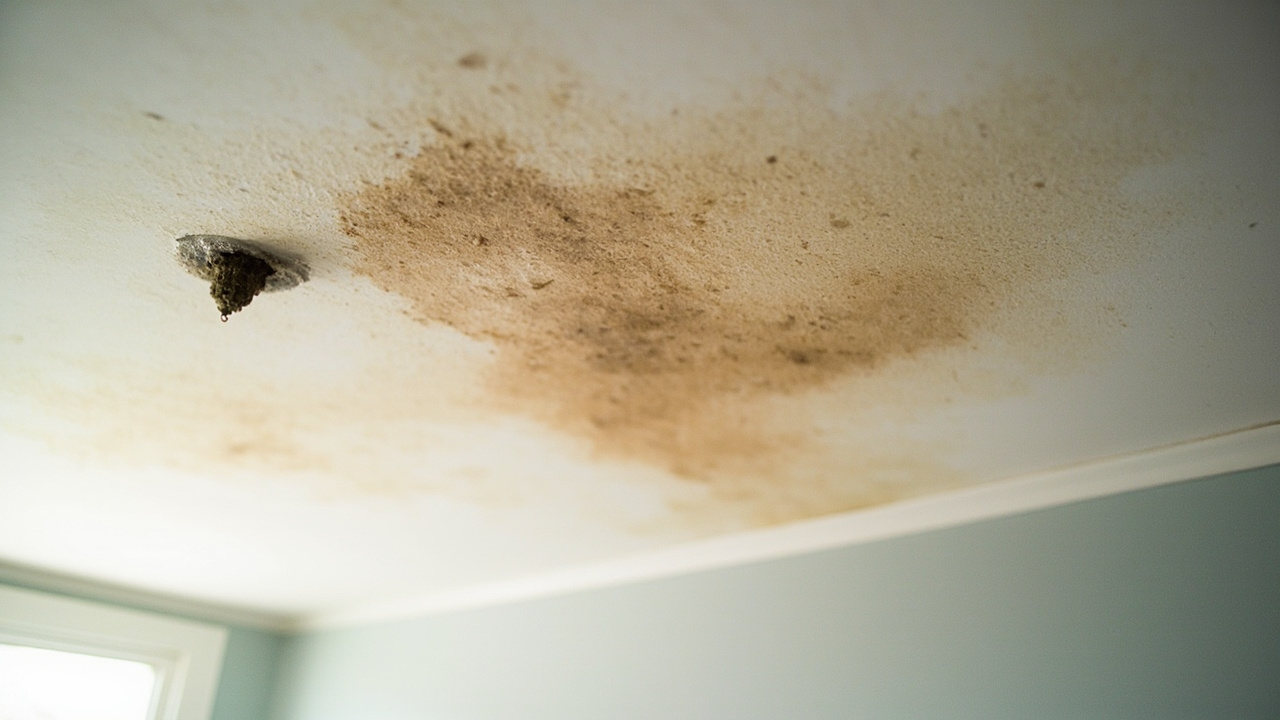
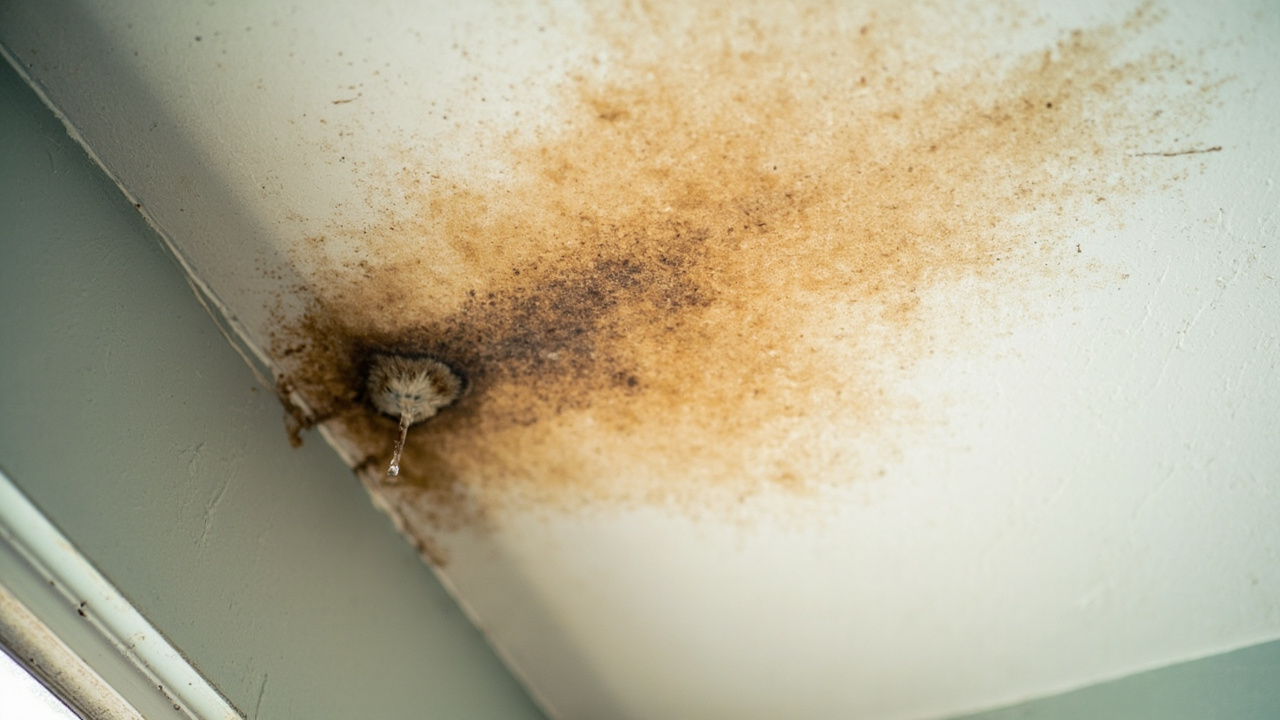
You walk into your garage and notice dark stains spreading across the ceiling. Your attic smells musty. Water droplets bead on the underside of your roof decking. You are dealing with condensation and moisture issues, and Tampa's climate makes your home especially vulnerable.

Tampa's subtropical humidity creates the perfect storm for roof space condensation. When hot, moisture-laden air meets cooler surfaces inside your attic, physics takes over. The result is roof sweating, a process where condensation forms on rafters, sheathing, and nails. Over time, this trapped moisture in roof structures leads to wood rot, compromised insulation, and mold growth.

The problem gets worse during Tampa's rainy season from June through September. Afternoon thunderstorms spike outdoor humidity levels above 90 percent. If your attic lacks proper ventilation, that moisture has nowhere to escape. It saturates insulation, drips onto ceilings, and creates the damp conditions where mold thrives.

Many homeowners in neighborhoods like Carrollwood and New Tampa mistake attic moisture buildup for roof leaks. They patch shingles that are not damaged while the real culprit continues destroying their roof from the inside. Roof dampness does not always come from outside. Sometimes the enemy is already in your attic, condensing silently on every surface it touches.

The fix is not simple caulking or new shingles. You need proper ventilation balance, vapor barriers, and strategic airflow management designed specifically for Tampa's relentless humidity.

Why Tampa Homes Battle Constant Roof Moisture Problems
How We Stop Moisture at the Source

How We Stop Moisture at the Source

Crestline Roofing Tampa does not guess at moisture problems. We diagnose them with precision tools and fix them with engineered solutions.

We start with thermal imaging scans of your roof deck and attic space. This technology reveals temperature differentials that indicate moisture accumulation, inadequate insulation, and ventilation failures. We can see exactly where condensation forms, even before visible staining appears.

Next, we calculate your attic's ventilation ratio. Florida building code requires one square foot of ventilation for every 150 square feet of attic space. Most older Tampa homes fall short. We measure your existing soffit vents, ridge vents, and gable vents to determine your actual airflow capacity. If you lack proper intake or exhaust, we design a balanced system that creates continuous air movement from eave to ridge.

We inspect your attic insulation for compression, water damage, and vapor barrier integrity. Wet insulation loses its R-value and becomes a moisture sponge. If your insulation shows saturation, we remove it, treat the affected areas for mold, and install fresh material with proper vapor barriers positioned on the warm side of the assembly.

For severe cases of roof sweating, we install additional ridge vents or powered attic ventilators that actively pull humid air out. We seal air leaks around recessed lights, bathroom fans, and attic access points where conditioned air escapes into the roof space. Every intervention follows a simple principle: keep hot air moving out and prevent indoor moisture from reaching cold surfaces where it will condense.

What Happens During Your Moisture Inspection and Repair

Condensation & Moisture Issues in Tampa | Expert Diagnosis and Permanent Repair Solutions
01

Attic and Roof Assessment

We enter your attic and perform a complete moisture investigation. Our technicians use moisture meters to test insulation, sheathing, and framing. We document staining patterns, check for active condensation, and photograph problem areas. Thermal imaging reveals hidden moisture pockets. We measure existing ventilation openings and calculate whether your system meets Florida code requirements for Tampa's climate zone.
02

Ventilation and Barrier Installation

We install the necessary components to create balanced airflow. This includes adding ridge vents, soffit vents, or gable vents based on your roof design. We seal ductwork joints and attic penetrations where indoor air leaks into unconditioned space. If your insulation shows water damage, we remove and replace it with new material. Vapor barriers get installed on the conditioned side to prevent warm, moist air from reaching cold roof surfaces.
03

Verification and Monitoring Guidance

After installation, we verify airflow with smoke tests and measure temperature drops across ventilation zones. We show you the before and after thermal scans so you can see the improvement. You receive documentation of all work performed and specific recommendations for maintaining proper attic conditions. We explain what warning signs to watch for and when to schedule follow-up inspections, especially before Tampa's humid summer months arrive.

Why Tampa Homeowners Choose Us for Moisture Solutions

Condensation problems require different solutions in Tampa than they do in Phoenix or Portland. We understand the specific challenges of building science in Florida's Climate Zone 2A.

Tampa's building codes reflect our unique moisture risks. We stay current with amendments to the Florida Building Code and the International Residential Code as they apply to ventilation, vapor barriers, and attic design. When we recommend ridge vent spacing or soffit-to-ridge ratios, those calculations factor in Tampa's average humidity levels, rainfall patterns, and temperature swings.

We have seen how Tampa's architectural styles contribute to moisture problems. Many homes in Hyde Park and Seminole Heights feature hip roofs with minimal ridge length, limiting options for ridge vent installation. Ranch homes in Town 'n' Country often have low roof pitches that restrict airflow. Historic bungalows in Old Seminole Heights may have outdated ventilation systems that made sense in 1920 but fail in modern air-conditioned homes. We adapt our solutions to your specific roof geometry and home age.

You also benefit from our relationships with local suppliers who stock materials designed for Florida's climate. We use mold-resistant sheathing, moisture-tolerant insulation, and corrosion-resistant fasteners that perform in high-humidity environments. These are not optional upgrades. They are standard practice for Tampa applications.

Most importantly, we recognize that condensation damage is progressive. What starts as minor roof dampness becomes wood rot, then structural failure. We treat moisture intrusion as the urgent problem it is, not a cosmetic concern you can postpone. When you call, you get same-week inspections and clear timelines for repairs.

What You Can Expect From Our Moisture Repair Process

Fast Response and Flexible Scheduling

Moisture problems worsen with each passing day. Condensation feeds mold growth, and mold spreads quickly in Tampa's warm climate. We schedule initial inspections within 48 to 72 hours of your call. Our crews work around your schedule, including weekend availability for working families. Emergency situations like active leaking or extensive mold discovery get priority placement. Once we complete the assessment, you receive a written scope of work with a start date typically within one to two weeks, depending on material delivery and weather windows.

Comprehensive Moisture Diagnostics

Our evaluation goes beyond looking at wet spots. We use calibrated moisture meters to quantify water content in wood framing and insulation. Thermal cameras map temperature gradients that reveal inadequate insulation or ventilation failures. We inspect your HVAC system for duct leaks that dump conditioned air into the attic. Bathroom and kitchen exhaust fans get checked to ensure they vent outdoors, not into the attic space. You receive a detailed report with photos, moisture readings, and our recommended corrective actions ranked by priority and impact.

Engineered Ventilation Solutions

We design ventilation systems based on your actual roof area, attic volume, and existing airflow. Ridge vents get installed with proper baffle spacing to ensure continuous exhaust. Soffit vents receive baffles that maintain the air channel between insulation and sheathing. Gable vents get positioned to create cross-ventilation without short-circuiting the soffit-to-ridge flow. All installations meet or exceed Florida Building Code requirements. When we finish, your attic breathes properly, moisture escapes efficiently, and condensation stops forming on cold surfaces. The result is a dry, stable roof structure.

Post-Repair Monitoring Recommendations

Moisture control is an ongoing process. After completing repairs, we provide you with a monitoring checklist and recommended inspection intervals. Most Tampa homes benefit from annual attic checks before summer humidity peaks. We teach you how to spot early warning signs like musty odors, temperature imbalances, or increased cooling costs. If you discover new moisture indicators, you can reach our team for follow-up evaluations. While we stand behind our installation work, we also provide maintenance plans that include seasonal inspections and tune-ups to keep your ventilation system performing correctly year after year.

Frequently Asked Questions

You Have Questions,
We Have Answers

How do you fix excessive condensation? +

You fix excessive condensation by improving ventilation and controlling humidity. Start by running exhaust fans in bathrooms and kitchens during use. Open windows when outdoor humidity drops below indoor levels. In Tampa's humid climate, you need a whole-home dehumidifier to maintain indoor humidity between 30-50%. Check attic ventilation to prevent warm, moist air from accumulating. Seal air leaks around windows and doors. Inspect roof flashing and gutters for water intrusion points. If condensation appears on windows or walls repeatedly, you may have inadequate insulation or a vapor barrier issue requiring professional assessment.

What are signs of excessive condensation? +

You will see water droplets on windows, especially in the morning. Dark spots or stains on ceilings and walls signal moisture accumulation. Musty odors indicate mold growth from persistent condensation. Peeling paint or wallpaper shows moisture trapped behind surfaces. In Tampa homes, check for warped wood trim around windows and doors. Wet insulation in attics or crawl spaces means condensation is forming where warm air meets cold surfaces. You may notice increased allergy symptoms or respiratory irritation. Metal fixtures like doorknobs and window frames may feel damp or show rust.

How to solve moisture problems in a house? +

You solve moisture problems by identifying the source first. Check for roof leaks, damaged flashing, or clogged gutters causing water intrusion. Seal foundation cracks where groundwater seeps in. Install proper drainage around your foundation to redirect water away. Run dehumidifiers in damp spaces like basements or closets. Fix plumbing leaks immediately. Improve attic and crawl space ventilation to allow air circulation. In Tampa's high humidity, you need vapor barriers in crawl spaces and proper insulation to prevent warm, moist air from condensing on cool surfaces. Address drainage issues from heavy summer rains.

What's the difference between condensation and moisture? +

Condensation forms when warm, humid air contacts a cold surface and water vapor turns to liquid. You see this on cold drink glasses or bathroom mirrors. Moisture is a broader term covering any unwanted water in your home, including condensation, leaks, flooding, or high humidity. Condensation is always a phase change from vapor to liquid. Moisture includes standing water, dampness in materials, or excessive humidity in the air. Both create problems in Tampa homes, but you fix them differently. Condensation needs ventilation and dehumidification while moisture intrusion requires sealing leaks and improving drainage.

Why is my house getting so much condensation? +

Your house gets condensation when indoor humidity is too high and surfaces are too cold. Tampa's humid climate makes this worse. Poor ventilation traps moisture from cooking, showers, and breathing inside. Single-pane windows create cold surfaces where vapor condenses. Inadequate attic insulation lets cold air reach ceilings. Oversized air conditioning systems cool quickly without removing humidity. Dryer vents exhausting indoors add moisture. Too many plants release water vapor. Leaky ductwork in attics pulls humid air into living spaces. Poor crawl space encapsulation allows ground moisture to rise into your home.

What draws moisture out of your house? +

Dehumidifiers draw moisture out most effectively by pulling humid air across cold coils where water vapor condenses and drains away. Proper ventilation exchanges humid indoor air with drier outdoor air when conditions allow. Exhaust fans in bathrooms and kitchens remove moisture at the source. Air conditioning removes humidity as it cools, though Tampa homeowners often need supplemental dehumidification. Adequate attic ventilation allows moisture to escape. Vapor barriers in crawl spaces prevent ground moisture from rising. Running ceiling fans improves air circulation, helping surfaces stay warmer so condensation does not form as easily.

Does condensation mean my house is too cold? +

Not always. Condensation means surfaces are colder than the dew point of your indoor air. In Tampa, this often happens when aggressive air conditioning creates cold surfaces while outdoor humidity is high. Your home may be perfectly comfortable temperature-wise but still get condensation if humidity is excessive. Cold surfaces meet humid air and water forms. You can have condensation in summer on cold water pipes or air conditioning ducts. The issue is the temperature difference between surfaces and air, combined with high humidity levels. Proper insulation and humidity control solve this better than adjusting your thermostat.

Will a dehumidifier reduce condensation? +

Yes. A dehumidifier reduces condensation by lowering indoor humidity levels. When you remove moisture from the air, the dew point drops. This means air must be colder before condensation forms on surfaces. In Tampa's humid climate, a whole-home dehumidifier works better than portable units. You want indoor humidity between 30-50%. Target 40-45% during summer months. A dehumidifier alone will not fix poor ventilation or air leaks, but it significantly reduces condensation problems. Pair it with proper ventilation and insulation for best results. Empty portable units regularly or ensure proper drainage.

Does putting heating on reduce condensation? +

Sometimes. Heating warms surfaces so they stay above the dew point, reducing condensation. But heating also allows air to hold more moisture, potentially increasing humidity if you do not ventilate. In Tampa, this matters less than in cold climates. You rarely need significant heating. Running your air conditioning removes humidity better than heating. If you get condensation in cooler months, raising your thermostat slightly may help, but you still need to control indoor humidity sources and improve ventilation. Heating without addressing humidity or ventilation just masks the problem temporarily.

What absorbs moisture quickly? +

Desiccants like silica gel or calcium chloride absorb moisture quickly in small spaces like closets or cabinets. Activated charcoal works for confined areas. For whole rooms, dehumidifiers remove moisture fastest and most effectively. Baking soda absorbs some moisture but requires frequent replacement. In Tampa homes, you need mechanical dehumidification because humidity levels stay high year-round. Quick fixes like desiccants help temporarily but do not solve underlying ventilation or humidity problems. Address the source by improving airflow, sealing leaks, and running proper dehumidification equipment rather than relying on absorbent materials.

How Tampa's Year-Round Humidity Accelerates Roof Condensation Damage

Tampa averages 74 percent relative humidity year-round, with summer months frequently exceeding 90 percent during morning hours. This constant moisture load means your attic never gets a break. Unlike northern climates where winter brings dry air, Tampa homes face condensation risk every month. When your air conditioning cools indoor spaces to 72 degrees while your attic climbs to 130 degrees, the temperature differential creates ideal conditions for roof sweating. Moisture-laden air rises through ceiling penetrations, meets the cooler underside of your roof deck, and condenses instantly. This cycle repeats daily, accumulating water that saturates insulation and feeds mold colonies.

Crestline Roofing Tampa has addressed moisture issues across Hillsborough County for years. We understand how Florida's building codes address ventilation requirements and why those standards exist. Local building inspectors know our work meets code because we document ventilation ratios, vapor barrier placement, and insulation R-values for every project. When you choose a roofing contractor familiar with Tampa's specific moisture challenges, you get solutions engineered for this climate, not generic fixes copied from other regions. That local expertise prevents repeat problems and protects your investment.
Roofing Services in The Tampa Area

We are proud to serve the entire area, providing exceptional roofing services to homeowners and businesses. While we travel directly to your location, you can view our main office on the map to get a sense of our central hub. Our local presence ensures we can respond quickly to your needs and provide the personalized service you deserve. We're always nearby, ready to help with your next roofing project.

Address:
Crestline Roofing Tampa, 2144 W Main St, Tampa, FL, 33607

Additional Services We Offer

Our news updates

Latest Articles & News from The Blogs

What to Do When Your Roofing Contractor Disappears Before the Job is Done Your roofer vanished mid-project and now your…

What to Do When Your Roofing Contractor Disappears Before the Job is Done

What to Do When Your Roofing Contractor Disappears Before the Job is Done Your roofer vanished mid-project and now your…

How the Florida Heat Impacts the Installation Process of Your Pebble Creek Roof

Florida’s summer heat transforms every roofing project in Pebble Creek into a carefully choreographed operation. Asphalt shingles soften at temperatures…

Why Your Gutters Are Overwhelming Your Foundation Even When They Aren't Clogged

Why Your Gutters Are Overwhelming Your Foundation Even When They Aren't Clogged Heavy rain pounds Tampa rooftops during summer afternoons,…

Contact Us

Every day you wait, condensation causes more damage. Call Crestline Roofing Tampa at (656) 245-0955 right now to schedule your moisture inspection. We will identify the problem, explain the fix, and restore your attic to a dry, healthy condition.