menu

Commercial Roof Replacement in Tampa – Minimize Downtime and Protect Your Business Assets

Fast-track commercial reroofing and industrial roof replacement designed to keep your Tampa facility operational while delivering code-compliant, long-term protection against Florida's harsh weather conditions.

Slider Image 1
Slider Image 2
Slider Image 3
Slider Image 4
Slider Image 5
Slider Image 7
Slider Image 8
Slider Image 9
Slider Image 10
Slider Image 11

Why Tampa's Climate Makes Commercial Roof Replacement a Business-Critical Decision

Your commercial building roof replacement timeline is dictated by factors most property managers underestimate. Tampa's subtropical climate delivers over 50 inches of annual rainfall, relentless UV exposure that degrades membrane integrity, and wind loads from tropical systems that test structural fastening year-round. Add the salt-laden air from Tampa Bay, and you have an environment that accelerates deterioration of commercial flat roof systems faster than in most U.S. markets.

The cost of delay extends beyond the roof itself. Water infiltration disrupts operations, damages inventory, and creates liability exposure. HVAC units mounted on compromised decking lose efficiency. Ponding water from inadequate drainage leads to membrane failure, and once the substrate is saturated, you are looking at full tear-off rather than overlay options.

Florida Building Code requirements following Hurricane Andrew mandate higher wind ratings and specific attachment schedules for commercial roof installation. Your existing system may have been grandfathered in, but any industrial roof replacement now requires compliance with current standards. This is not just code enforcement, it is risk mitigation. Insurance carriers scrutinize roof conditions during renewals, and non-compliant or deteriorated systems trigger premium increases or coverage exclusions.

Commercial reroofing decisions impact your bottom line through operational continuity, asset protection, and long-term ROI. The question is not whether to replace your roof, but when you can afford the disruption and how to execute it without shutting down your facility.

Why Tampa's Climate Makes Commercial Roof Replacement a Business-Critical Decision
How Professional Commercial Roof Replacement Protects Your Operations

How Professional Commercial Roof Replacement Protects Your Operations

Commercial building roof replacement begins with load calculation and structural assessment. We do not assume your existing decking can support new materials. Metal deck corrosion, fastener pull-through, and insulation compression are evaluated before material selection. For flat or low-slope systems common in Tampa warehouses and office complexes, we assess drainage planes and identify areas where ponding has compromised the substrate.

Material selection depends on your operational requirements. TPO and PVC single-ply membranes offer different heat-welded seam performance. Modified bitumen provides redundancy through multiple plies. Built-up roofing systems deliver proven longevity for facilities where roof access is frequent. Each system has specific wind uplift ratings, and we match those ratings to your building height, exposure category, and proximity to the coast.

The tear-off phase is where inferior contractors cut corners. We section the roof to maintain weather protection and coordinate with your operations schedule. For facilities that cannot tolerate shutdown, we work nights or weekends. Dumpster placement, material staging, and debris containment are planned to avoid blocking loading docks or customer access.

Flashing details around HVAC curbs, vent penetrations, and parapet walls determine whether your new roof lasts 15 years or fails in five. We fabricate custom metal where pre-formed components do not fit field conditions. Sealants are selected for UV stability and movement tolerance. Every termination point is a potential leak path, and we treat them accordingly.

Industrial roof replacement includes coordination with mechanical contractors when equipment requires temporary removal or when new installations demand structural reinforcement. This is project management, not just roofing.

What Happens During Your Commercial Roof Replacement Project

Commercial Roof Replacement in Tampa – Minimize Downtime and Protect Your Business Assets
01

Site Assessment and Logistics

We conduct a structural deck evaluation using core cuts to verify insulation condition and check for moisture saturation. You receive a detailed scope document showing square footage, drainage modifications, and phasing options that match your operational schedule. Material delivery is coordinated to avoid extended site storage, and crane access or material hoisting plans are confirmed with your facility management team before work authorization.
02

Tear-Off and Installation

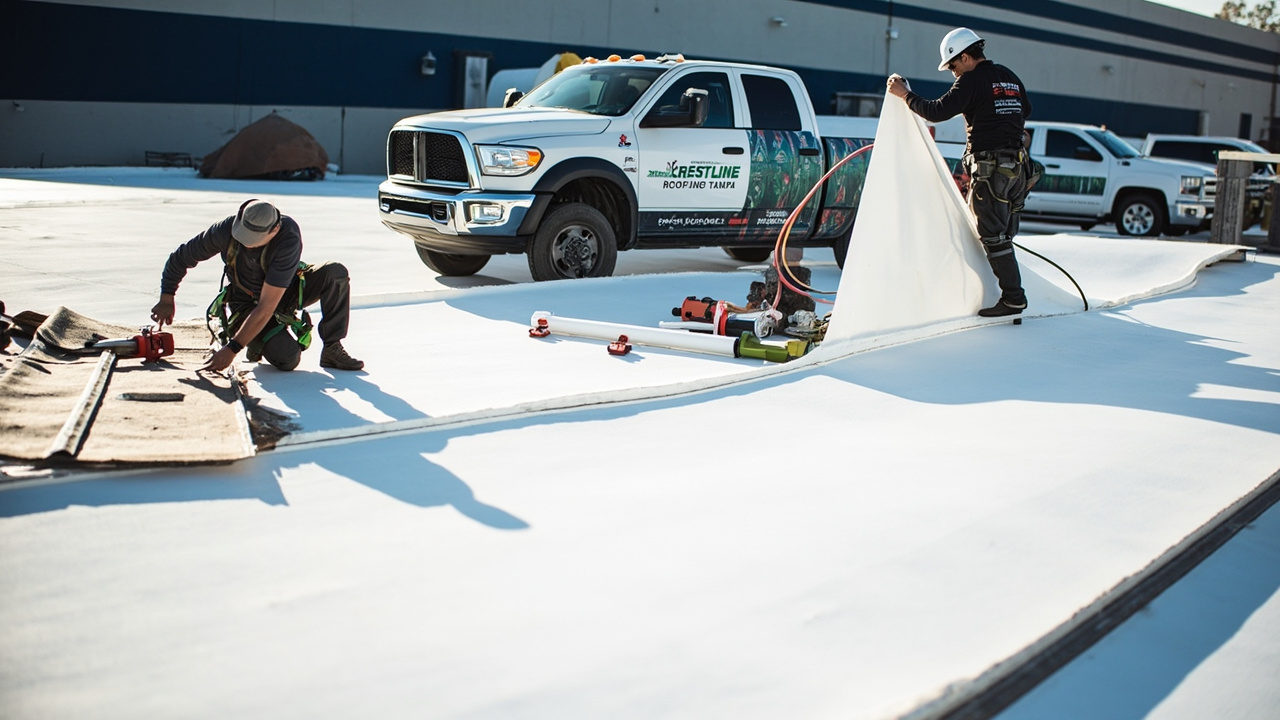
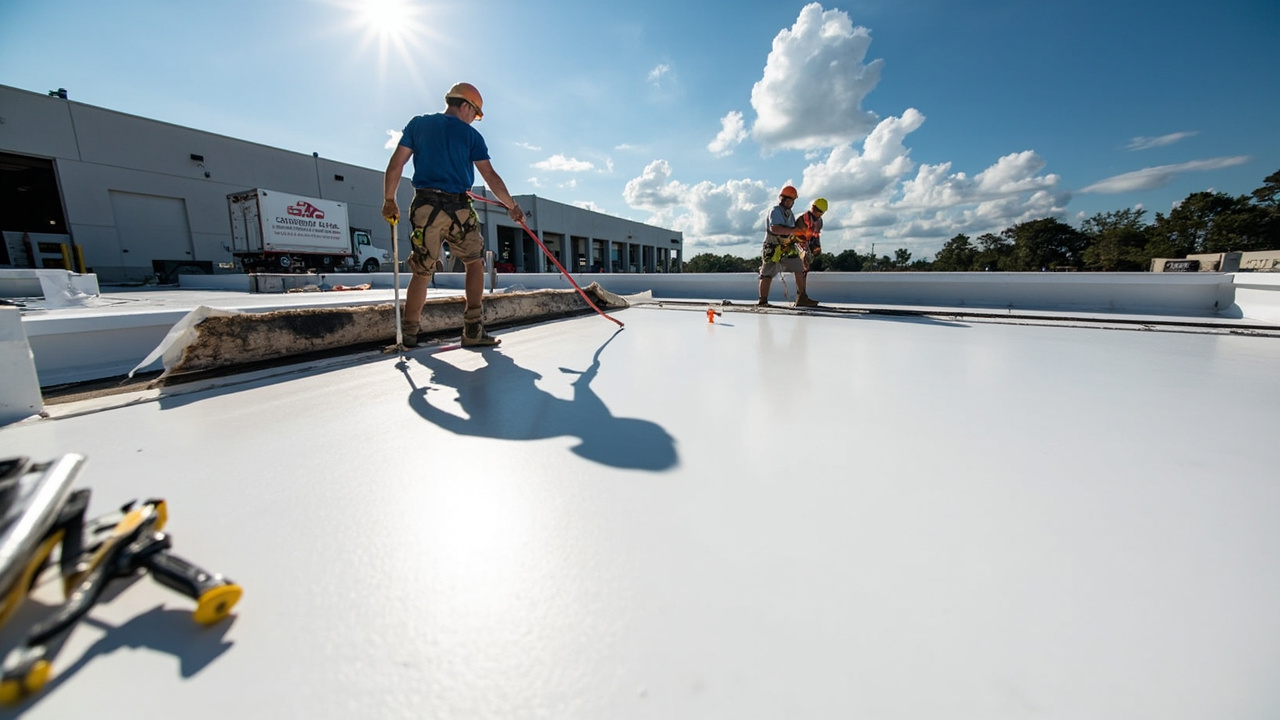
Removal proceeds in sections to maintain weather protection and allow your facility to operate. We expose only what can be closed in during a single shift. New insulation is mechanically fastened to deck, and membrane installation follows manufacturer specifications for seam overlap, fastener spacing, and edge termination. All penetrations receive custom flashing, and we perform pull tests on attachment points to verify wind uplift resistance before final inspection.
03

Quality Control and Handover

Completed sections undergo seam probe testing and visual inspection. You receive as-built drawings showing all penetration locations, drainage paths, and material specifications. We coordinate final inspection with local building officials, and you get documentation required for insurance compliance and warranty activation. The site is cleaned, and any damaged landscaping or paving is restored to pre-construction condition before project closeout.

Why Tampa Facility Managers Choose Crestline Roofing for Commercial Projects

Commercial roof replacement requires contractor capacity that most residential-focused companies lack. You need crews experienced with large-scale tear-off logistics, equipment to handle material volumes efficiently, and project managers who understand how to sequence work around your operations. We have completed industrial roof replacement on occupied warehouses, retail centers during business hours, and multi-tenant office buildings where coordinating with multiple stakeholders is part of the scope.

Tampa's coastal location and hurricane exposure mean your commercial roof installation must meet Florida Building Code high-velocity hurricane zone requirements. We know the difference between standard wind ratings and what actually passes inspection in Hillsborough County. Our crews are trained on proper fastener schedules for different roof zones, and we use the correct base sheet attachment for your specific building height and exposure category.

You also need a contractor who understands commercial building roof replacement as a capital expenditure, not an emergency repair. We provide cost analysis comparing overlay versus tear-off, lifecycle projections for different membrane types, and ROI calculations that account for energy performance. If your facility has multiple buildings or a deferred maintenance backlog, we can phase the work across budget cycles.

Local presence matters when problems arise. We are not a franchise dispatching crews from out of state. Our team knows Tampa's building inspectors, understands local permitting timelines, and can source materials quickly when weather windows tighten. When you call about a concern during installation, you reach someone who was on your roof yesterday, not a call center.

What to Expect from Your Commercial Roof Replacement

Project Timeline and Scheduling

Commercial reroofing timelines depend on building size, system complexity, and weather. A 20,000 square foot single-story warehouse with straightforward tear-off typically takes 7-10 working days. Multi-story buildings or facilities requiring overnight work extend that timeline. We provide a detailed schedule showing daily progress goals and identify weather contingencies upfront. You know when to expect noise, restricted access, or utility interruptions. For facilities that cannot tolerate shutdown, we phase the work to maintain operations and coordinate with your management team on daily logistics.

Pre-Construction Assessment Process

Initial evaluation includes roof access to document existing conditions, identify structural concerns, and verify code compliance requirements. We use infrared scanning on suspect areas to map moisture infiltration without destructive testing. You receive a written scope detailing recommended repairs, material options, and cost implications of different approaches. If your building has accessibility issues, fall protection requirements, or requires coordination with tenants, we address those logistics during assessment. The goal is to eliminate surprises once work begins and ensure you have the information needed for budgeting and board approval.

Quality of Final Installation

Completed commercial roof installation delivers code-compliant wind resistance, proper drainage, and watertight penetration seals. Every seam is inspected, and we document fastener spacing and attachment pull test results. You get a roof that passes final inspection without callbacks. Flashing details are fabricated to accommodate building movement, and all terminations are sealed with compatible materials rated for long-term UV exposure. The difference between acceptable and professional work shows up in how the roof performs five years later when inferior installations start leaking at parapet walls and equipment curbs.

Post-Installation Documentation and Support

You receive complete documentation including material certifications, installation photos, as-built drawings, and warranty registration. Manufacturer warranties require proper installation verification, and we provide the paperwork your insurance carrier or property management company needs. We also deliver a maintenance guide specific to your roof system, identifying inspection intervals and minor maintenance you can handle in-house versus when to call a professional. If you have a property management contract requiring annual roof inspections, we can schedule those and provide written condition reports for your records.

Frequently Asked Questions

You Have Questions,
We Have Answers

How to replace a commercial roof? +

Commercial roof replacement starts with a structural assessment to evaluate the existing decking and drainage system. Your contractor will remove the old roofing membrane, inspect for water damage or structural compromise, then repair the substrate as needed. Next, they install new insulation, followed by the selected roofing system: TPO, EPDM, modified bitumen, or metal. Proper flashing around HVAC units and penetrations is critical in Tampa's intense rainstorms. The final step includes sealing all seams and conducting a water test to verify watertight integrity before restoring business operations.

How much to replace a 5000 sq ft roof? +

A 5000 square foot commercial roof replacement typically ranges from cost factors including membrane type, insulation upgrades, removal complexity, and roof accessibility. TPO and EPDM systems are generally more economical than modified bitumen or metal. Tampa projects often require additional hurricane-rated fastening to meet Florida Building Code wind uplift requirements, which increases material costs. Structural repairs due to humidity-related decking rot can add significant expense. Request detailed line-item estimates from multiple contractors to understand labor, materials, disposal fees, and code compliance costs specific to your building type and location.

What is the most common type of commercial roofing? +

TPO (thermoplastic polyolefin) has become the most common commercial roofing membrane due to its heat-reflective properties, cost efficiency, and proven durability in hot climates. In Tampa, white TPO membranes reduce cooling loads by reflecting intense UV radiation. EPDM rubber roofing remains popular for its flexibility and ease of repair. Modified bitumen and built-up roofing still serve many industrial applications. Metal roofing systems are gaining traction for their longevity and superior wind resistance during hurricane season. The choice depends on your building use, budget, and expected roof lifespan requirements.

Does commercial insurance cover roof replacement? +

Commercial property insurance typically covers roof replacement only when damage results from a covered peril like wind, hail, or fire. Normal wear and aging are excluded. After a Tampa storm, document all visible damage immediately with photos and timestamps. Your insurer will send an adjuster to assess whether the damage exceeds the policy threshold. Many policies have depreciation clauses that reduce payout based on roof age. Review your policy's actual cash value versus replacement cost coverage. Preventive maintenance records strengthen your claim by proving the roof was properly maintained before the loss event.

How much should a 2000 sq ft roof cost? +

This question addresses residential roof replacement. For commercial properties in Tampa, focus on cost per square foot rather than total building size. Commercial roofing costs depend on membrane type, existing roof configuration, required tear-off, structural repairs, and code compliance upgrades. Low-slope commercial roofs differ fundamentally from residential pitched systems in materials, installation methods, and drainage requirements. Request commercial-specific estimates that account for business interruption minimization, after-hours work premiums, and multi-phase scheduling to maintain operational continuity during the replacement process.

How often should a commercial roof be replaced? +

Commercial roofs should be replaced every 15 to 30 years depending on material type, installation quality, and maintenance history. TPO and EPDM membranes typically last 20 to 25 years in Tampa's climate. Modified bitumen systems average 15 to 20 years. Metal roofing can exceed 30 years with proper maintenance. High UV exposure, ponding water from inadequate drainage, and storm damage accelerate deterioration. Conduct biannual inspections and address minor issues immediately to maximize lifespan. Replace when repair costs exceed 25 percent of replacement cost or when leaks compromise business operations.

What is the most expensive part of replacing a roof? +

Labor constitutes the most expensive component of commercial roof replacement, often representing 40 to 60 percent of total project costs. Complex tear-off and disposal of multiple existing layers increases labor hours significantly. Structural decking repairs due to water infiltration or rot add substantial expense beyond the roofing membrane itself. In Tampa, hurricane-rated attachment systems require additional fasteners and adhesives to meet wind uplift codes, increasing both material and installation time. HVAC equipment relocation, extensive flashing details, and penetration sealing around rooftop units also drive labor costs higher than basic membrane installation.

Is roof replacement tax deductible? +

Commercial roof replacement is generally tax deductible, but the method depends on whether it qualifies as a repair or capital improvement. A complete tear-off and replacement typically must be capitalized and depreciated over 39 years for commercial property. However, Section 179 deductions or bonus depreciation may allow immediate expensing in certain situations. Roof repairs that restore original condition without extending useful life can be deducted immediately as maintenance expenses. Consult your tax advisor to properly classify the work. Maintain detailed invoices separating materials, labor, and specific scope to support your tax position.

How much do roofers charge for labor? +

Commercial roofing labor rates in Tampa range based on project complexity, crew skill level, and scheduling constraints. Flat-rate pricing per square foot typically includes labor, while some contractors separate material and labor costs. Expect higher rates for after-hours or weekend work to minimize business disruption. Complex details around HVAC units, parapets, and penetrations require skilled technicians and increase per-hour costs. Emergency leak repairs command premium rates. Request itemized proposals that clearly separate material costs from labor charges. Verify the crew holds proper certifications for the specific roofing system being installed.

Is commercial roofing worth it? +

Commercial roofing is a necessary capital investment that protects your business assets, inventory, and operational continuity. A failing roof risks interior damage, mold growth, equipment failure, and business interruption losses that far exceed replacement costs. In Tampa, a quality commercial roof withstands hurricane-force winds, intense UV exposure, and heavy rainfall while reducing cooling expenses through reflective membranes. The investment becomes worthwhile when you select appropriate materials for your building use, hire qualified contractors, and implement preventive maintenance. Proper installation meeting Florida Building Code wind uplift requirements protects your investment long-term.

How Tampa's Hurricane Risk and Coastal Environment Affect Commercial Flat Roof Replacement

Tampa sits in a high-velocity hurricane zone, which changes the engineering requirements for every commercial roof installation. Wind uplift forces increase exponentially with building height and exposure. A warehouse near the port faces different wind loads than an inland office park, and Florida Building Code mandates specific fastener schedules and edge securement details based on those calculations. Coastal facilities also deal with salt air that corrodes metal fasteners and degrades sealants faster than inland locations. This is why material selection matters. You need corrosion-resistant fasteners, UV-stable membrane materials, and flashing designed to handle both thermal movement and wind-driven rain that penetrates standard termination details.

Hillsborough County building inspectors enforce strict compliance on commercial building roof replacement projects, and trying to slide by with residential-grade installation will fail inspection. Local contractors understand the submittal requirements, know which details trigger plan review delays, and have relationships with inspectors that streamline approvals. We also understand Tampa's permitting timelines and can expedite when your project schedule is tight. Working with a local roofing company means fewer surprises during inspection, faster issue resolution when field conditions do not match plans, and access to someone who can be on-site within hours if a problem develops during installation.
Roofing Services in The Tampa Area

We are proud to serve the entire area, providing exceptional roofing services to homeowners and businesses. While we travel directly to your location, you can view our main office on the map to get a sense of our central hub. Our local presence ensures we can respond quickly to your needs and provide the personalized service you deserve. We're always nearby, ready to help with your next roofing project.

Address:
Crestline Roofing Tampa, 2144 W Main St, Tampa, FL, 33607

Additional Services We Offer

Our news updates

Latest Articles & News from The Blogs

What to Do When Your Roofing Contractor Disappears Before the Job is Done Your roofer vanished mid-project and now your…

What to Do When Your Roofing Contractor Disappears Before the Job is Done

What to Do When Your Roofing Contractor Disappears Before the Job is Done Your roofer vanished mid-project and now your…

How the Florida Heat Impacts the Installation Process of Your Pebble Creek Roof

Florida’s summer heat transforms every roofing project in Pebble Creek into a carefully choreographed operation. Asphalt shingles soften at temperatures…

Why Your Gutters Are Overwhelming Your Foundation Even When They Aren't Clogged

Why Your Gutters Are Overwhelming Your Foundation Even When They Aren't Clogged Heavy rain pounds Tampa rooftops during summer afternoons,…

Contact Us

Call (656) 245-0955 now to schedule your facility assessment. We provide detailed scopes, transparent pricing, and project timelines that match your operational requirements. Stop managing a failing roof and get a long-term solution installed right.