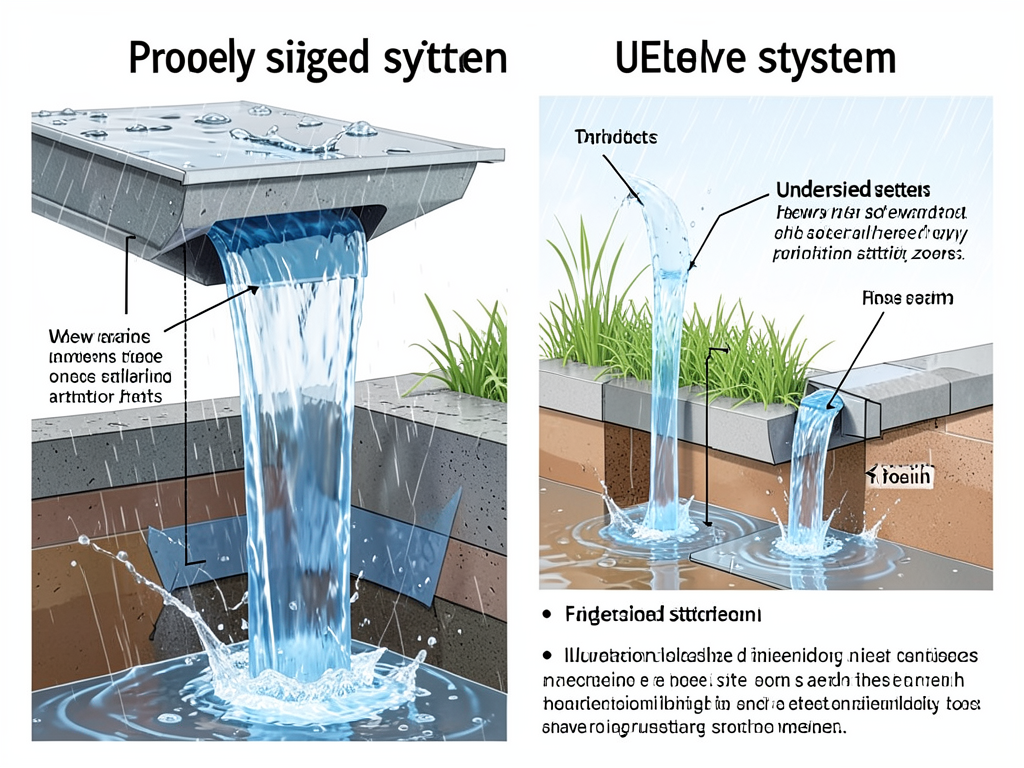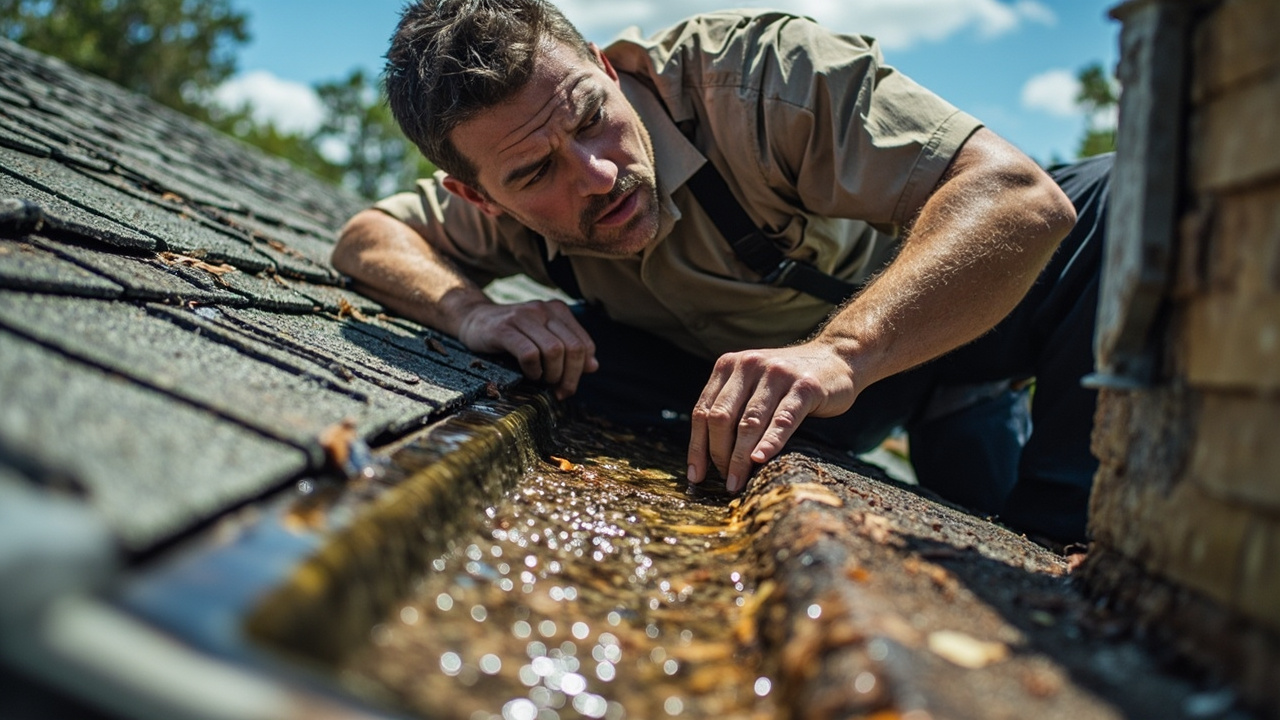
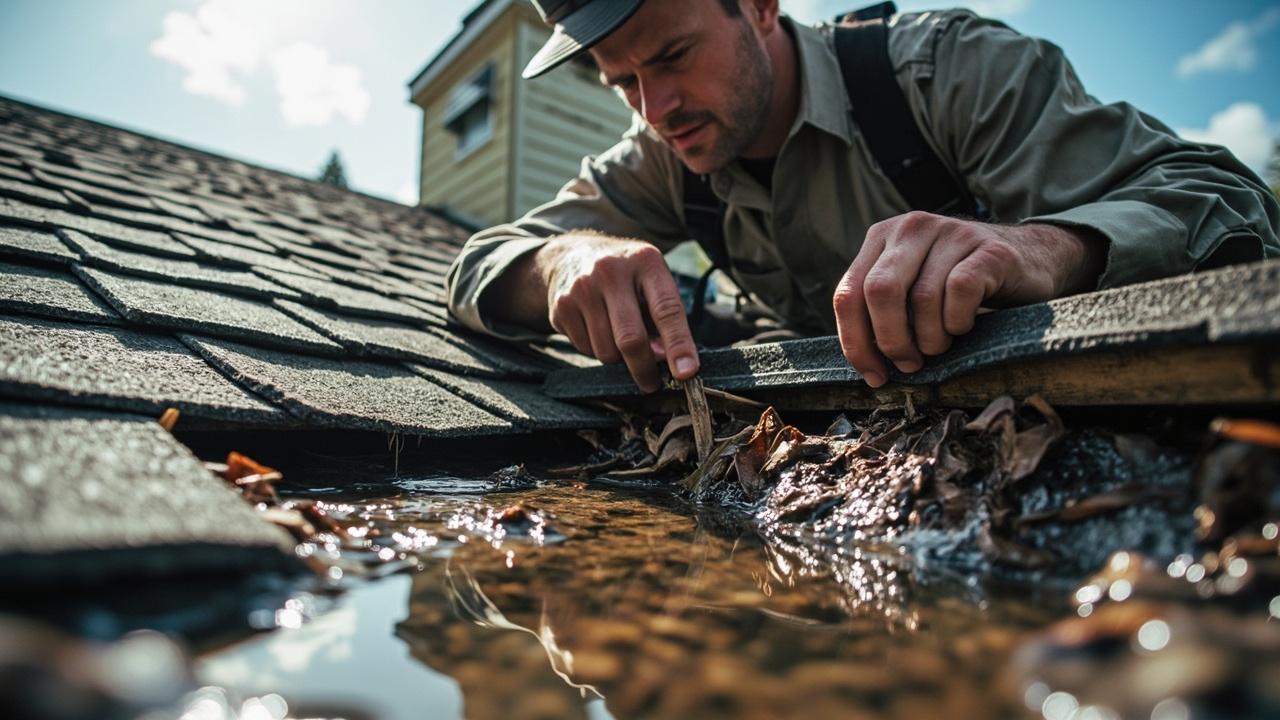
Tampa receives most of its annual rainfall between June and September, with afternoon thunderstorms that drop one to two inches of rain in under an hour. That kind of high-velocity rainfall overwhelms undersized or improperly pitched roof crickets. Water backs up behind the chimney, pools against the flashing, and seeps under the shingles. Add Tampa's 75 percent average humidity, and any moisture that penetrates the roof deck takes days to dry out. That creates ideal conditions for wood rot, mold growth, and fastener corrosion. Roof cricket ponding is not just a nuisance in this climate. It is a structural threat that accelerates every time a storm rolls through.
Hillsborough County building codes require crickets on chimneys wider than 30 inches, but older Tampa homes were often built before that standard existed. Many crickets installed during the 1990s and 2000s construction booms were undersized or poorly flashed, leading to premature failures. Crestline Roofing Tampa understands how local code enforcement interprets cricket requirements during re-roof inspections. We also know which neighborhoods have the oldest housing stock and the highest rates of cricket-related failures. When you work with a local roofer who has repaired hundreds of chimneys across Hyde Park, Palma Ceia, and Carrollwood, you get solutions that are built for Tampa's climate, not imported from a national franchise manual.