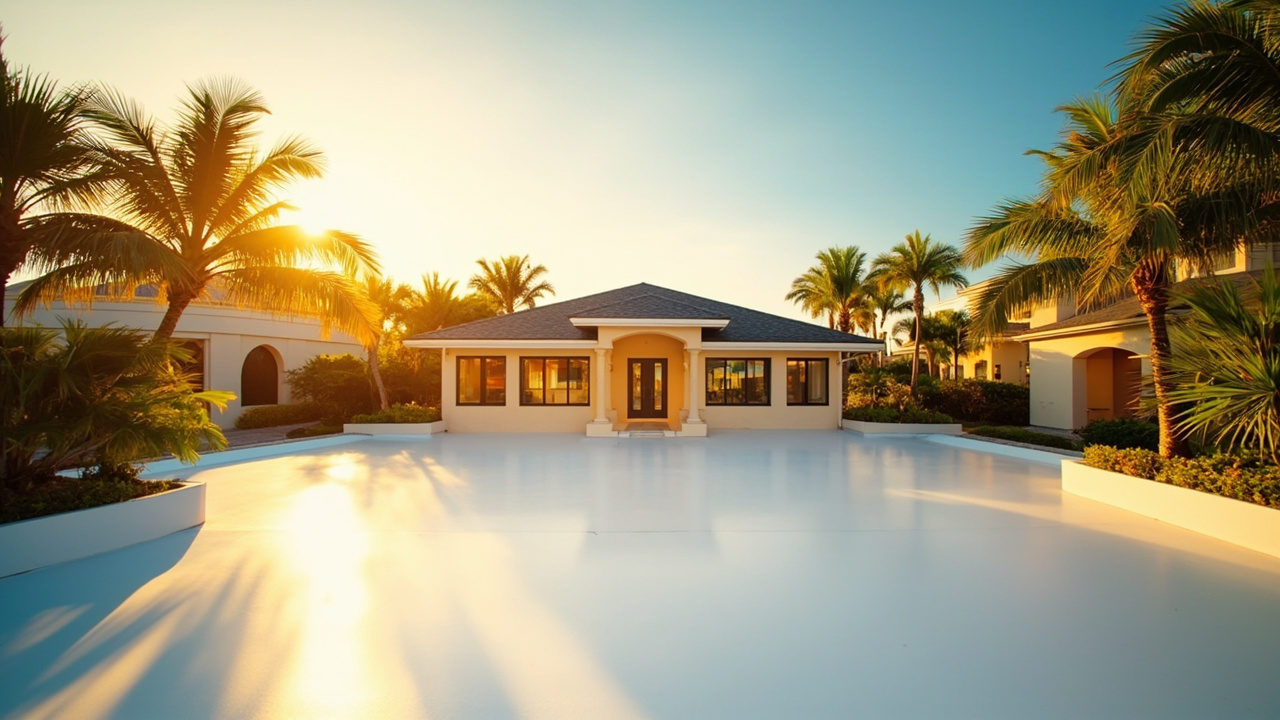

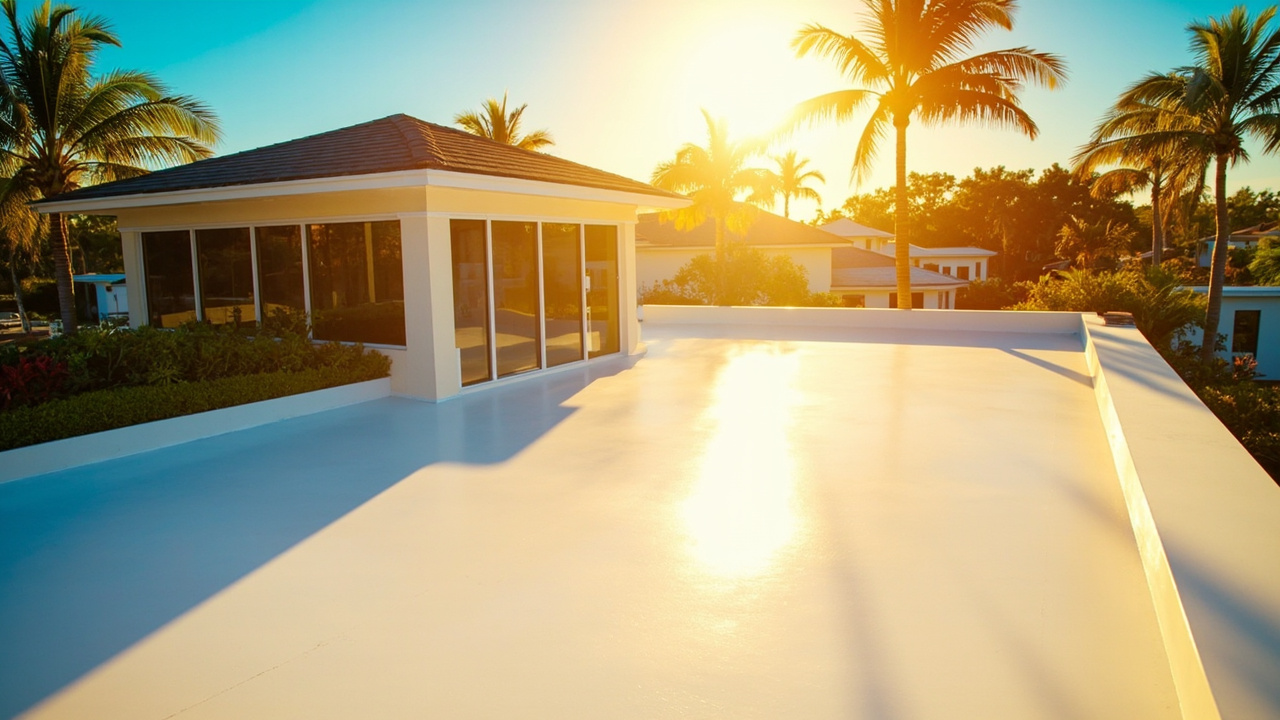
Tampa sits in climate zone 2A, defined by hot, humid summers and mild winters. Your cooling season stretches eight to nine months. The sun angle stays high year-round, meaning your roof absorbs intense solar radiation even in December and January. Traditional dark roofs in Tampa can reach surface temperatures above 170 degrees, turning attics into ovens that overwhelm air conditioning systems. Cool roofs reduce this heat island effect dramatically. The benefits of reflective roofing matter more in Tampa than in northern climates because every degree of attic temperature reduction translates into measurable cooling cost savings. Tampa's proximity to the Gulf of Mexico creates high humidity that accelerates deterioration of roofing materials subjected to thermal stress, making the extended lifespan advantage of cool roofs particularly valuable for protecting your investment.
Tampa's building codes incorporate Florida Building Code requirements for high wind resistance and energy efficiency. Cool roofing materials must meet wind uplift ratings for High Velocity Hurricane Zones while delivering rated solar reflectance. Local contractors who understand these dual requirements ensure your roof performs safely during severe weather and efficiently year-round. Many Tampa neighborhoods, particularly historic districts and HOA communities, restrict roofing colors and materials. We navigate these requirements while maximizing cool roofing system advantages within approved parameters. Our familiarity with Hillsborough County permitting and inspection processes means faster project completion and fewer complications. Tampa property owners benefit from choosing local roofing professionals who understand both the technical and regulatory landscape specific to this region.