menu

EPDM Rubber Roofing in Tampa – Industrial-Grade Waterproofing That Minimizes Operational Downtime

Commercial EPDM roof systems deliver proven performance for Tampa warehouses, distribution centers, and manufacturing facilities where business continuity depends on reliable waterproofing and rapid installation schedules.

Slider Image 1
Slider Image 2
Slider Image 3
Slider Image 4
Slider Image 5
Slider Image 7
Slider Image 8
Slider Image 9
Slider Image 10
Slider Image 11

Why Tampa's Climate Demands High-Performance Single-Ply Rubber Membrane Systems

Tampa's subtropical climate creates aggressive operating conditions for commercial roofing. Your facility endures 250-plus days of direct UV exposure, average annual rainfall exceeding 50 inches, and humidity levels that promote accelerated material degradation. Traditional built-up roofing systems require extensive maintenance cycles that disrupt operations and drain capital budgets.

Ethylene propylene diene monomer roofing addresses these conditions through molecular-level weather resistance. The synthetic rubber composition resists UV breakdown, maintains flexibility across temperature extremes, and handles ponding water without delamination. For distribution centers in Westshore or manufacturing facilities near Port Tampa Bay, this translates to predictable service life and reduced emergency repair incidents.

Tampa's building codes require wind uplift ratings that account for hurricane-force conditions. EPDM roofing membrane systems achieve Class 90 uplift ratings through mechanically fastened or fully adhered installation methods. The single-ply construction eliminates the multiple failure points found in traditional systems. You get a monolithic barrier that handles wind-driven rain penetration and thermal cycling without compromising the building envelope.

Commercial facilities cannot afford unplanned downtime. A roof failure during peak season means lost inventory, disrupted logistics, and potential tenant liability. EPDM systems deliver the performance metrics your risk management team requires while meeting the installation speed your operations demand.

Why Tampa's Climate Demands High-Performance Single-Ply Rubber Membrane Systems
How We Engineer Commercial EPDM Roof Systems for Maximum Service Life

How We Engineer Commercial EPDM Roof Systems for Maximum Service Life

We conduct infrared thermography and core sampling to map existing moisture intrusion before membrane installation. This diagnostic phase identifies compromised insulation and structural deck damage that undermines new roofing performance. You receive quantified data on substrate conditions, not visual estimates.

Our specification process matches membrane thickness, attachment method, and insulation R-value to your facility's thermal load and structural capacity. A 20,000-square-foot warehouse in Ybor City has different requirements than a refrigerated distribution center in East Tampa. We calculate dead load, verify deck fastening schedules, and ensure compliance with Florida Building Code Chapter 15 requirements for wind resistance.

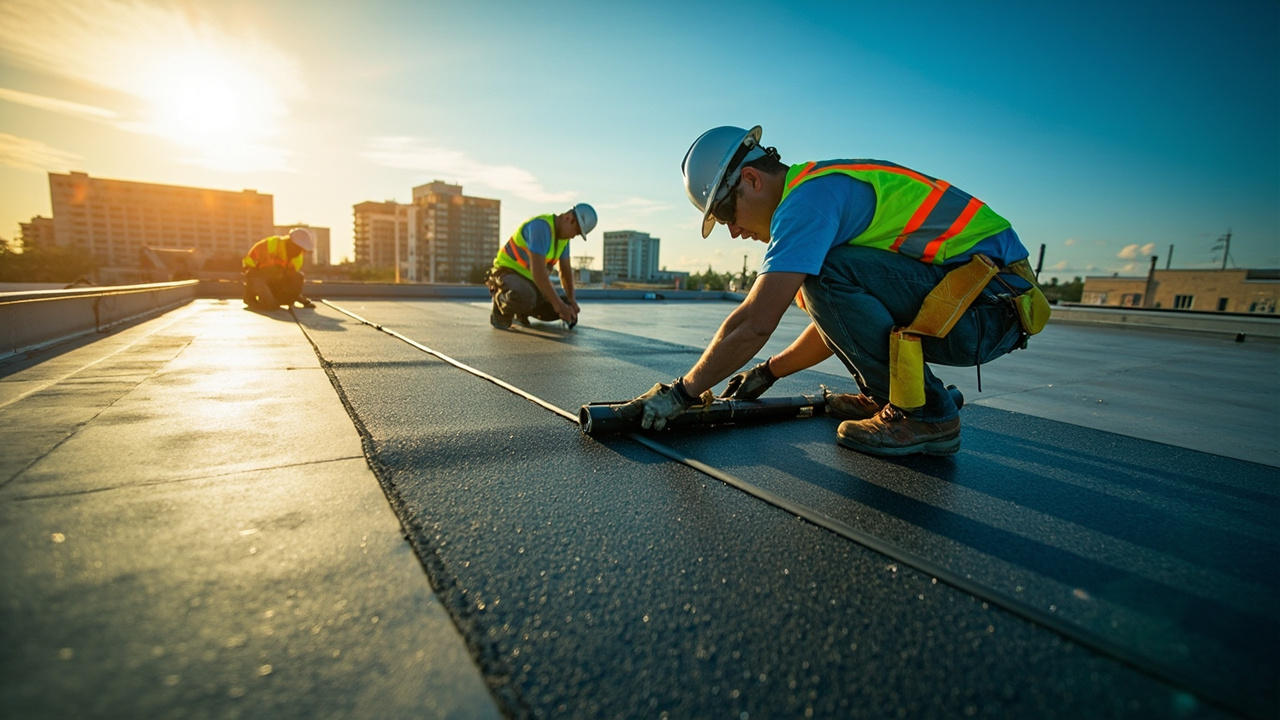
Seam integrity determines long-term waterproofing performance. We use hot-air welding to create vulcanized seams that are stronger than the base membrane. Each seam receives probe testing to verify molecular bonding. Flashing details at penetrations, parapets, and roof-to-wall transitions follow ASTM D4434 standards for single-ply membrane installation.

The installation sequence minimizes disruption to your operations. We coordinate material staging, equipment access, and work zones to maintain facility function. For occupied buildings, we implement containment protocols that prevent dust migration and maintain HVAC system integrity. You get a fully functional roof system without shutting down business operations.

Crestline Roofing Tampa applies commercial-grade quality control at every installation phase. Our crews understand that your roof is a business asset, not just a building component.

What Happens During Your EPDM Installation Project

EPDM Rubber Roofing in Tampa – Industrial-Grade Waterproofing That Minimizes Operational Downtime
01

Structural Assessment Phase

We perform load calculations and deck inspections to verify your building can support the new roof assembly. This includes fastener pull tests on metal decks and moisture surveys to identify areas requiring substrate replacement. You receive an engineering report that documents structural capacity and identifies any modifications needed before membrane installation begins.
02

Membrane Installation Execution

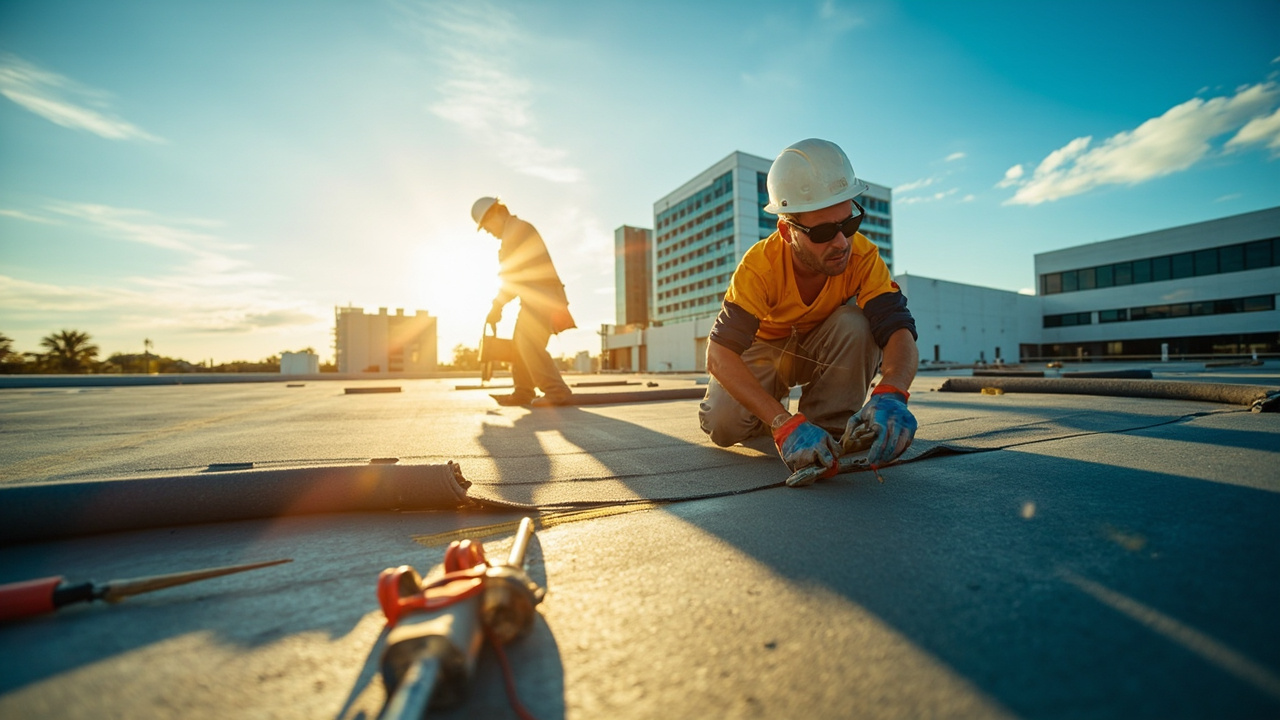
Our crews install insulation layers, then roll out EPDM sheets in planned layouts that minimize seams and waste. We mechanically fasten or fully adhere the membrane based on your building's wind exposure category. All penetrations receive custom-fabricated flashings that integrate with the membrane system. Each work phase undergoes quality verification before proceeding to the next stage.
03

Final Testing and Documentation

We conduct flood testing on all seams and penetrations to verify waterproof integrity before final inspection. You receive as-built drawings showing membrane layout, attachment patterns, and all roof penetrations. This documentation supports your facility maintenance program and provides the technical data required for insurance compliance and future roof assessments.

Why Tampa Facility Managers Choose Local EPDM Expertise

National roofing chains deploy crews unfamiliar with Florida's coastal wind provisions and Tampa's specific permitting requirements. You need contractors who understand Hillsborough County's inspection protocols and maintain established relationships with local building officials. We handle plan reviews, engineered drawings, and permit coordination as part of our standard service.

Tampa's commercial building stock includes everything from 1970s-era tilt-up warehouses to modern LEED-certified distribution centers. Each building type requires different substrate preparation and attachment methods. We have installed EPDM systems on structural concrete, metal decks, and wood substrates across Tampa's industrial corridors. This experience base means we identify potential complications during estimation, not after project start.

Your facility operates on tight schedules where weather delays create cascading problems. We maintain local material inventory and equipment staging yards in Tampa to eliminate supply chain delays. When a project requires expedited completion, we can mobilize additional crews within 24 hours without importing labor from other markets.

Commercial roofing failures create liability exposure that extends beyond property damage. If a roof leak damages tenant inventory or disrupts operations, you face potential claims and business relationship damage. Crestline Roofing Tampa carries commercial general liability coverage with limits appropriate for large-scale industrial projects. You work with a contractor whose insurance capacity matches your facility's risk profile.

We understand that your roof represents a capital expenditure requiring board approval and multi-year budget planning. Our proposals include lifecycle cost analysis and maintenance projections that support your financial planning requirements.

What Your Project Timeline and Performance Expectations Should Include

Project Duration and Staging

A typical 30,000-square-foot commercial EPDM installation requires 10 to 15 working days depending on substrate conditions and weather windows. We provide critical path schedules that identify milestone dates and weather contingency buffers. For facilities requiring continuous operations, we implement phased installation sequences that maintain building functionality. You receive daily progress reports and can verify completion status against the agreed schedule. Our project managers coordinate with your facility team to address access requirements and minimize impact on business operations.

Pre-Installation Engineering Review

We conduct a comprehensive roof survey using infrared thermography and core sampling to map moisture intrusion and assess insulation condition. This diagnostic phase produces a conditions report with thermal imaging, photographs, and moisture readings at specific grid points. You receive detailed documentation of substrate deficiencies requiring correction before membrane installation. Our engineering team reviews structural load capacity, verifies deck attachment integrity, and calculates wind uplift requirements based on your building's exposure category. This front-end analysis eliminates change orders and ensures accurate project budgeting.

Installation Quality Standards

You receive a roof system installed to manufacturer specifications with documented quality control at each phase. All seams are hot-air welded and probe-tested to verify molecular bonding. Penetration flashings are custom-fabricated and sealed using compatible adhesives. We photograph critical details during installation to document proper installation sequence. The completed system undergoes flood testing before final inspection. You get as-built drawings showing membrane layout, fastening patterns, and penetration locations. This documentation supports future maintenance planning and roof inspections.

Maintenance Protocol and Inspection Cycles

EPDM membrane systems require periodic inspection and minor maintenance to achieve design service life. We provide a maintenance manual specific to your installation that identifies inspection intervals and preventive maintenance tasks. Recommended inspection frequency is twice annually, focusing on seam integrity, flashing condition, and drainage system function. We offer maintenance agreements that include scheduled inspections, drain clearing, and minor repairs under a fixed annual fee. This proactive approach prevents small issues from developing into major failures. Your facility management team receives training on basic roof care and early warning signs of potential problems.

Frequently Asked Questions

You Have Questions,
We Have Answers

What are the disadvantages of EPDM rubber? +

EPDM rubber has three primary drawbacks for commercial properties in Tampa. First, seams are vulnerable points. Water can infiltrate if adhesives fail in Florida's heat and humidity cycles. Second, the black membrane absorbs heat, increasing cooling loads for your building. Third, puncture resistance is lower than TPO or PVC membranes. Foot traffic from HVAC maintenance crews or pooling water from Tampa's intense afternoon storms can cause damage. The material also degrades faster under constant UV exposure compared to reflective alternatives. For businesses minimizing downtime and energy costs, these factors directly impact your total cost of ownership over the roof's lifespan.

What is EPDM rubber roofing? +

EPDM rubber roofing is a synthetic membrane made from ethylene propylene diene monomer. It comes in black sheets, ranging from 45 to 90 mils thick, and covers flat or low-slope commercial roofs. The material is flexible, waterproof, and handles temperature fluctuations common in Tampa's subtropical climate. Installation involves rolling out large sheets, then securing them with adhesives, mechanical fasteners, or ballast. EPDM has been a commercial roofing standard for decades due to its affordability and proven track record. For warehouse facilities, office buildings, and retail centers across the Tampa metro, EPDM offers a cost-effective waterproofing solution.

What are common problems with EPDM roofs? +

Commercial EPDM roofs in Tampa face four recurring problems. Seam failures occur when adhesive bonds weaken from heat cycling and moisture exposure. Ponding water develops in low spots, accelerating membrane degradation and breeding algae. Punctures happen during equipment servicing or from windblown debris during storm season. Shrinkage pulls the membrane away from edges and penetrations as the material ages under UV exposure. These issues lead to leaks that threaten inventory, disrupt operations, and damage ceiling systems. Regular inspections catch early warning signs. Address drainage issues during installation to prevent ponding, which is the root cause of most EPDM failures in Florida's rainy climate.

Is EPDM rubber roofing any good? +

EPDM rubber roofing performs well for commercial applications when installed correctly and maintained. The material delivers 20 to 30 years of service life at a lower upfront cost than premium membranes. It resists Tampa's humidity, handles thermal movement, and stands up to moderate foot traffic. For budget-conscious property managers, EPDM provides reliable waterproofing without excessive capital expenditure. The downside is higher cooling costs from heat absorption and potential seam issues. EPDM works best for facilities where energy efficiency is secondary to initial investment, such as storage buildings or warehouses. Evaluate your building's operational priorities before committing to this membrane type.

Can EPDM be installed directly on plywood? +

You can install EPDM directly on plywood, but proper preparation is critical. The substrate must be dry, smooth, and structurally sound. Apply a slip sheet or underlayment first to prevent adhesive from bonding too aggressively and to allow for minor substrate movement. In Tampa's humid conditions, moisture trapped between plywood and EPDM causes rot and deck failure. Ensure adequate ventilation and confirm the wood has acclimated to local humidity levels before installation. Commercial projects often require a cover board for additional puncture resistance and thermal performance. Check local building codes for specific substrate requirements. Skipping these steps voids manufacturer warranties and leads to premature failure.

What is the life expectancy of an EPDM roof? +

EPDM roofs last 20 to 30 years on average in commercial applications. Lifespan depends on installation quality, maintenance frequency, and environmental exposure. In Tampa, intense UV radiation and thermal cycling can shorten service life toward the lower end of that range without regular upkeep. Proper drainage design prevents ponding, which is the primary lifespan killer. Annual inspections catch minor issues before they escalate into costly repairs. Black EPDM membranes degrade faster than lighter-colored alternatives under Florida's sun. Budget for roof replacement between years 20 and 25 for accurate capital planning. Extend lifespan with timely seam repairs and protective coatings as the membrane ages.

Does EPDM have to be glued down? +

EPDM does not require glue in all cases. Commercial installations use three attachment methods. Fully adhered systems bond the membrane to the substrate with adhesive, offering superior wind uplift resistance for Tampa's hurricane exposure. Mechanically attached systems use fasteners and plates, reducing labor costs and installation time. Ballasted systems use river rock or pavers to hold the membrane in place, minimizing roof penetrations. Your building's wind zone rating, deck type, and budget determine the best method. Fully adhered systems perform best in high-wind coastal areas. Ballasted systems add significant structural load and require engineer approval before installation.

What do you put under EPDM roofing? +

Place a cover board or insulation layer under EPDM roofing for commercial applications. Polyisocyanurate, expanded polystyrene, or high-density fiberboard provides thermal resistance, reducing cooling costs in Tampa's climate. Cover boards also protect the membrane from punctures during foot traffic and add dimensional stability to the roof assembly. Some installations include a slip sheet between the deck and insulation to manage vapor drive. Commercial buildings often incorporate tapered insulation systems to direct water toward drains, preventing ponding. The underlayment choice affects energy performance, fire rating, and long-term durability. Consult with a commercial roofing specialist to specify the right assembly for your building's needs.

What is better than EPDM? +

TPO and PVC membranes outperform EPDM in energy efficiency and durability for most commercial applications. TPO's white surface reflects sunlight, cutting cooling costs in Tampa's heat. PVC offers superior chemical resistance for facilities with rooftop equipment exhaust or grease-laden air. Both materials feature heat-welded seams that are stronger than EPDM's glued joints. Modified bitumen with reflective coatings provides another alternative with proven longevity. The trade-off is higher upfront cost. EPDM remains competitive when initial budget constraints outweigh lifecycle operating expenses. Evaluate total cost of ownership over 25 years, factoring in energy consumption, maintenance, and replacement timing before selecting a membrane type.

How to tell if a roofer is lying? +

Verify three things to spot dishonest roofers in Tampa. First, ask for proof of active licensing and workers' compensation insurance. Check the license number with state regulators. Second, request references from commercial projects completed within the past two years and call them. Third, get detailed written proposals that itemize materials, labor, and warranty terms. Be wary of contractors pushing unnecessary tear-offs, demanding large upfront deposits, or claiming storm damage without a thorough inspection. Legitimate commercial roofers provide manufacturer certifications and explain code compliance requirements specific to Hillsborough County. Pressure tactics, vague timelines, and reluctance to answer technical questions are red flags.

How Tampa's Hurricane Wind Loads and Salt Air Affect Commercial Membrane Roofing Specifications

Tampa sits in Wind Zone III with design wind speeds reaching 150 mph for commercial structures. Your EPDM roof system must achieve FM Global-rated wind uplift resistance appropriate for your building's exposure category and height. Coastal facilities within five miles of Tampa Bay face accelerated UV degradation and salt aerosol exposure that compromise lesser membrane materials. Ethylene propylene diene monomer formulations resist these environmental stressors through inherent molecular stability. We engineer attachment patterns and fastener spacing based on calculated wind pressures specific to your building location and height.

Hillsborough County requires sealed engineering drawings and product approval documentation for commercial re-roofing projects. We maintain established relationships with local plan review departments and understand the specific submittal requirements that prevent permit delays. Tampa's commercial building officials expect contractors who understand Florida Building Code requirements for roof assemblies in high-velocity hurricane zones. Crestline Roofing Tampa has completed installations across every Tampa industrial district from Port Tampa Bay to the Westshore Business District. Local facility managers know we deliver compliant installations that pass inspection without callbacks or corrections.
Roofing Services in The Tampa Area

We are proud to serve the entire area, providing exceptional roofing services to homeowners and businesses. While we travel directly to your location, you can view our main office on the map to get a sense of our central hub. Our local presence ensures we can respond quickly to your needs and provide the personalized service you deserve. We're always nearby, ready to help with your next roofing project.

Address:
Crestline Roofing Tampa, 2144 W Main St, Tampa, FL, 33607

Additional Services We Offer

Our news updates

Latest Articles & News from The Blogs

What to Do When Your Roofing Contractor Disappears Before the Job is Done Your roofer vanished mid-project and now your…

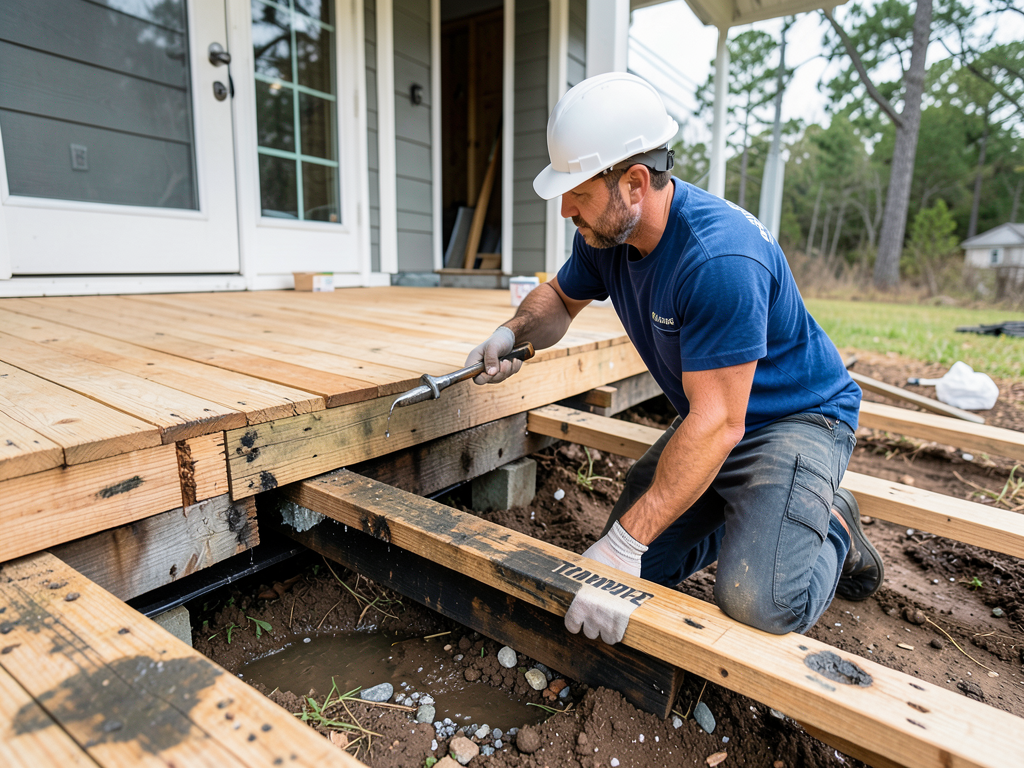
What to Do When Your Roofing Contractor Disappears Before the Job is Done

What to Do When Your Roofing Contractor Disappears Before the Job is Done Your roofer vanished mid-project and now your…

How the Florida Heat Impacts the Installation Process of Your Pebble Creek Roof

Florida’s summer heat transforms every roofing project in Pebble Creek into a carefully choreographed operation. Asphalt shingles soften at temperatures…

Why Your Gutters Are Overwhelming Your Foundation Even When They Aren't Clogged

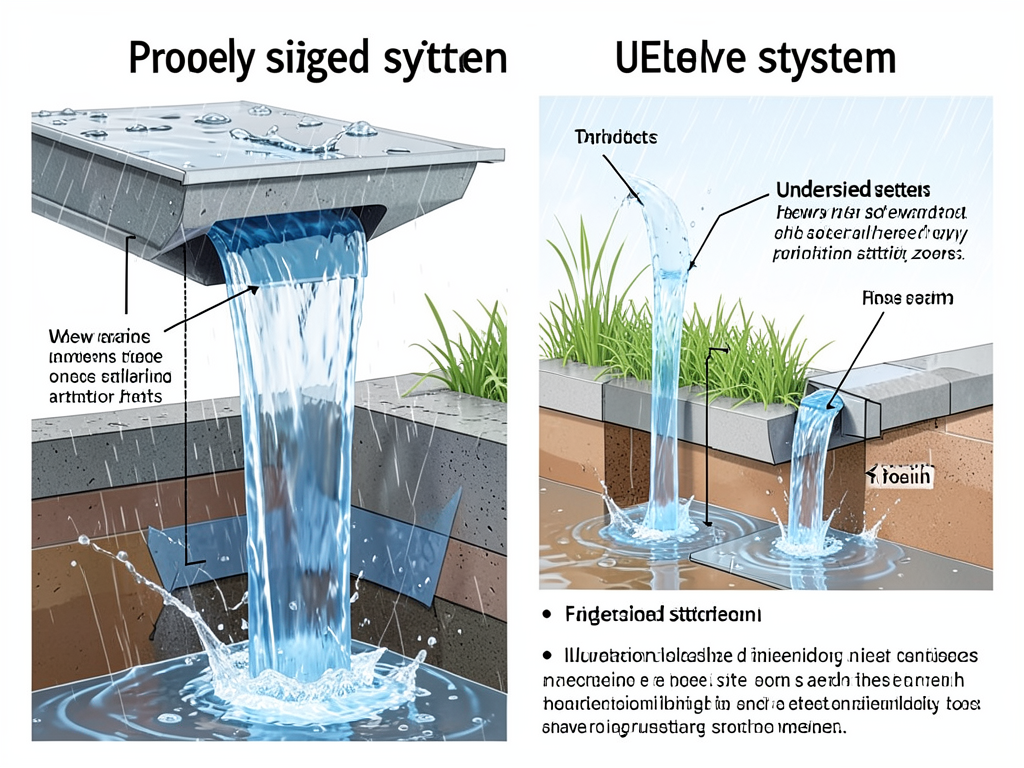
Why Your Gutters Are Overwhelming Your Foundation Even When They Aren't Clogged Heavy rain pounds Tampa rooftops during summer afternoons,…

Contact Us

Your facility needs waterproofing that works. Call (656) 245-0955 for a technical roof assessment and engineering proposal. We provide detailed specifications, lifecycle cost analysis, and project schedules that support your capital planning requirements.