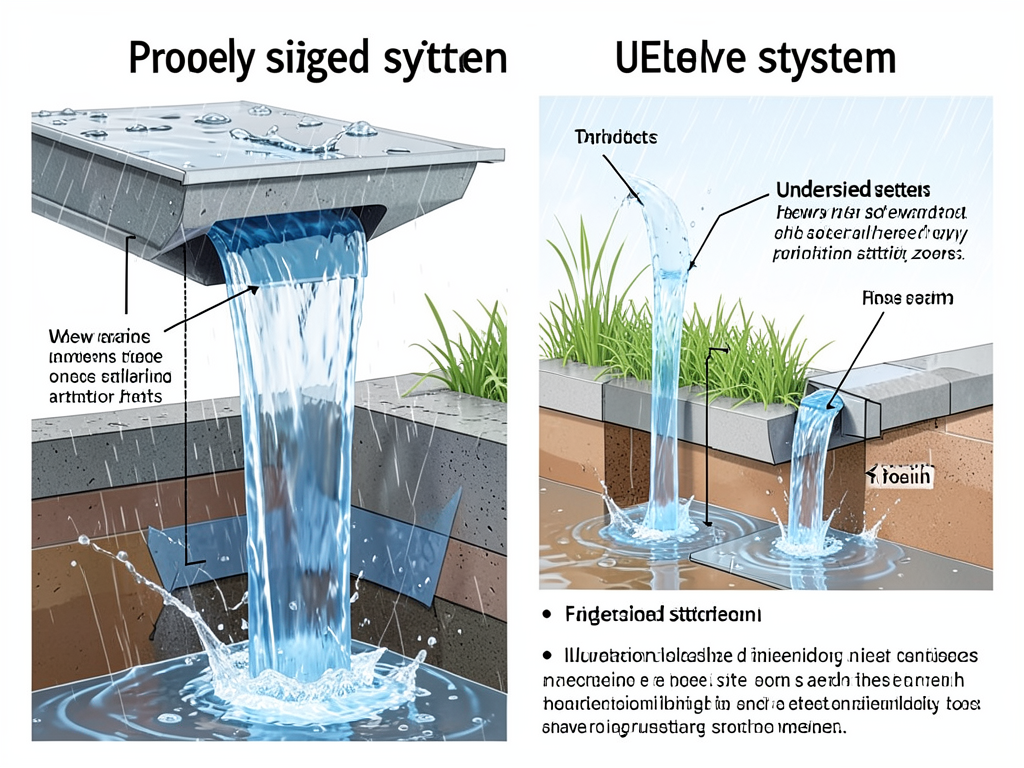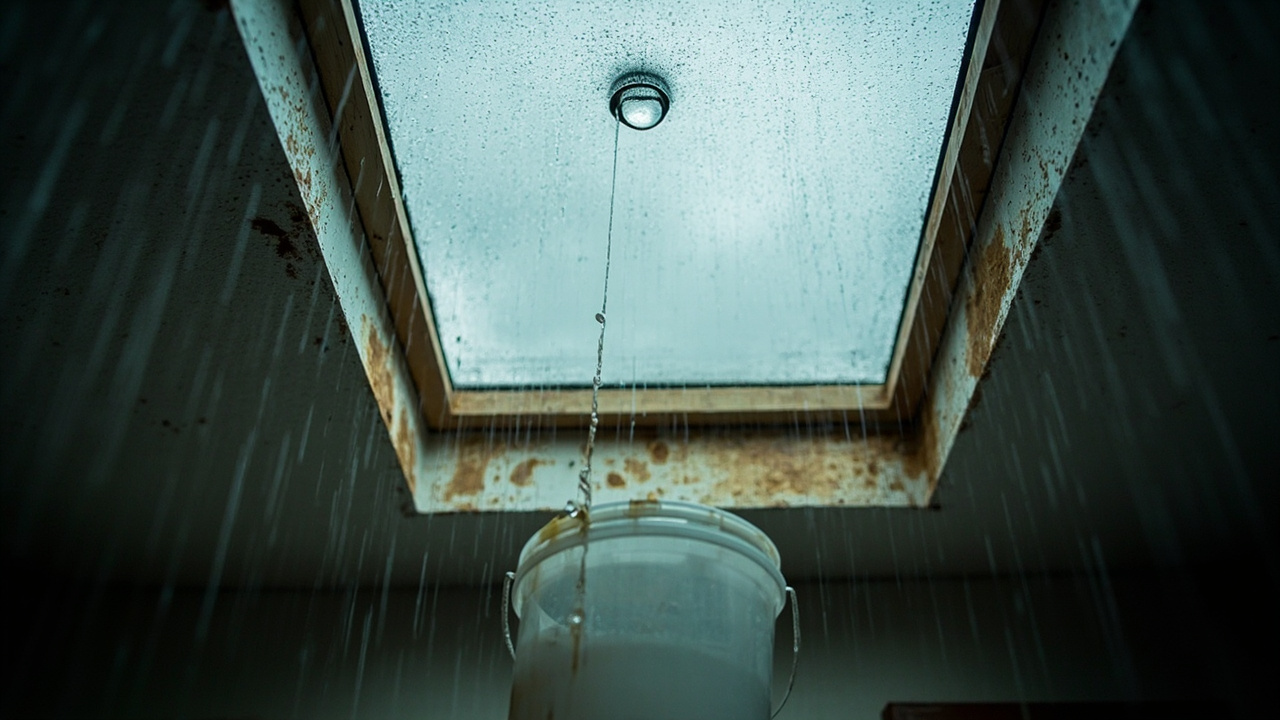


Tampa receives some of the most intense rainfall rates in the continental United States, with summer thunderstorms regularly dumping two to three inches per hour. This volume overwhelms skylight flashing that relies on gravity drainage alone. Water backs up behind the skylight curb, finding every microscopic gap in the sealant. Our storms also arrive with straight-line winds exceeding 50 mph, driving rain horizontally under flashing that would shed water fine in gentler climates. The combination of volume and wind pressure is why skylight leaks in heavy rain are so common here, even on relatively new installations. Tampa's subtropical humidity then prevents these wet roof assemblies from ever fully drying, accelerating rot in any wood components the leak has touched.
Tampa's roofing industry has developed specific best practices for skylight installation that exceed manufacturer minimums because local conditions demand it. Experienced contractors here know to extend step flashing higher up the skylight curb, use wider head flashing, and apply continuous beads of sealant at every flashing overlap. We also know which skylight brands hold up to Florida's UV exposure and which develop brittle seals within five years. When you hire a roofer unfamiliar with Tampa's climate, you get a textbook installation that fails in real-world conditions. Crestline Roofing Tampa has repaired enough failed skylights to know exactly what works in our weather and what does not.