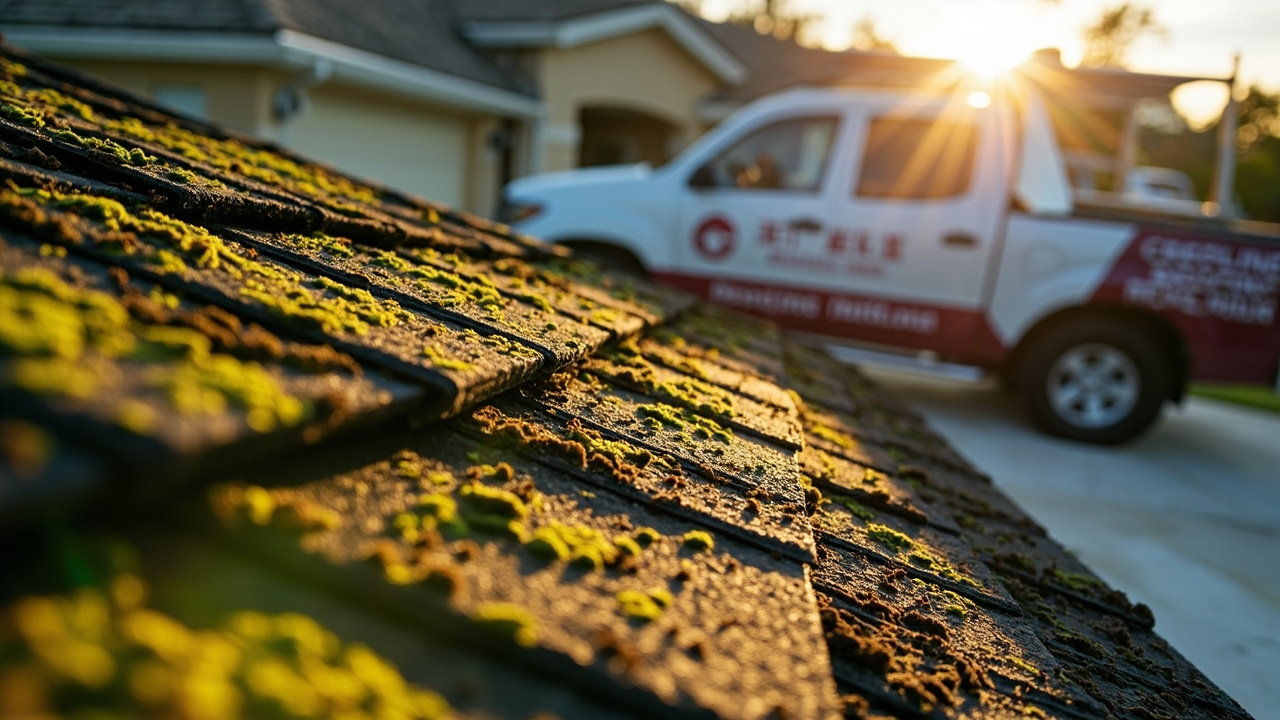
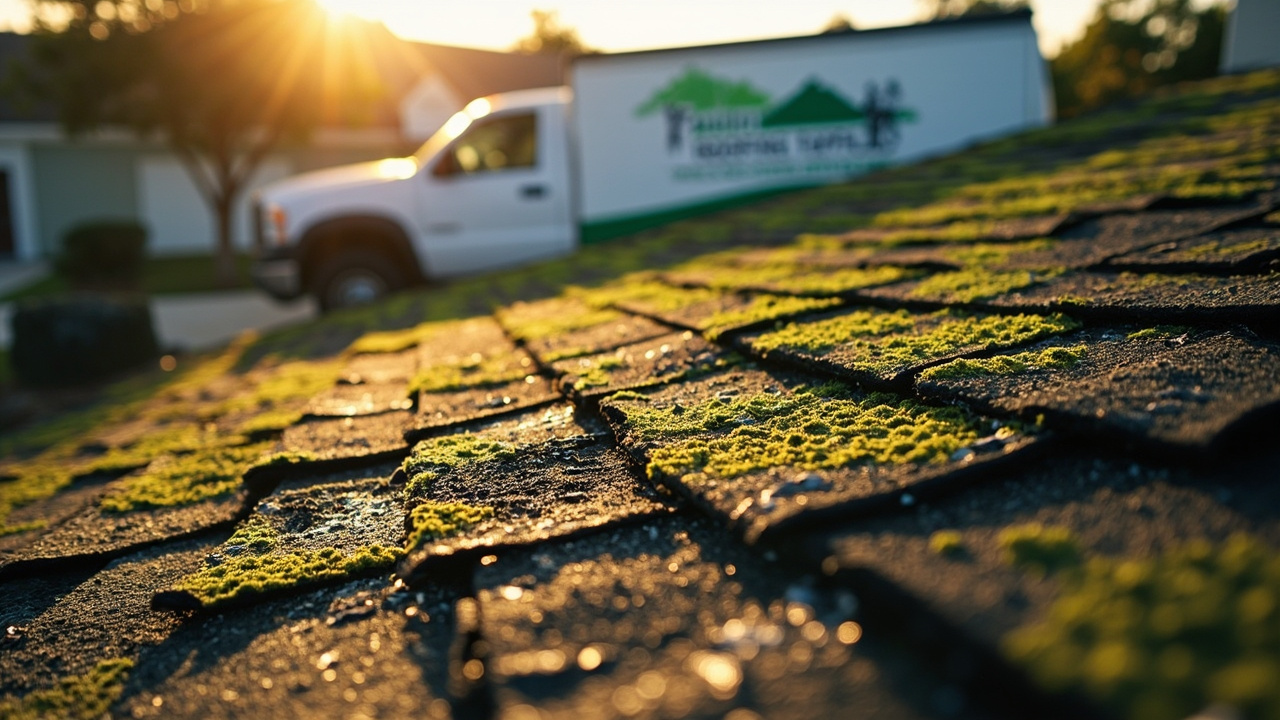
Tampa averages 75 percent relative humidity year-round, with morning dew points regularly exceeding 70 degrees from May through October. This constant moisture creates ideal conditions for Gloeocapsa magma and other roof algae species. Unlike arid climates where UV exposure naturally inhibits growth, Tampa roofs stay damp enough to support continuous algae reproduction. Afternoon thunderstorms provide regular water cycling, and the lack of hard freezes means colonies never experience die-back from cold temperature stress. Roofs in neighborhoods with mature tree canopies like Palma Ceia or Carrollwood see accelerated growth because shade prevents morning evaporation. The combination of heat, humidity, and limited airflow makes Tampa one of the most challenging environments for preventing organic roof stains.
Tampa's building codes require specific roof ventilation ratios and moisture barriers that directly impact algae growth patterns. Improperly vented attics trap heat and moisture, which accelerates shingle deterioration and creates ideal conditions for fungus colonization. Local roofing contractors understand these code requirements and can identify ventilation deficiencies during roof cleaning assessments. We also navigate HOA restrictions common in master-planned communities like New Tampa and Westchase, where exterior appearance standards require prompt stain removal. Choosing a local provider means you work with crews who understand these regulatory nuances and can coordinate treatments around community guidelines.