
Florida’s summer heat transforms every roofing project in Pebble Creek into a carefully choreographed operation. Asphalt shingles soften at temperatures above 90°F, requiring crews to work faster before materials become too pliable. Afternoon thunderstorms roll in predictably between 2:00 PM and 4:00 PM, forcing teams to complete critical sealing work before the first drops fall. Florida Solar Energy Center.
Heat Effects on Asphalt Shingle Installation
High temperatures create both advantages and challenges for roofers in Pebble Creek. Thermal bonding accelerates when shingles reach 140°F, allowing self-sealing strips to activate within 24 hours instead of the standard 48-72 hours. This rapid adhesion helps protect against wind uplift during the first tropical storm of the season.
However, excessive heat causes asphalt to become too soft for proper nail placement. Roofers must adjust their nail guns to lower pressure settings to prevent over-driving fasteners through the shingle mat. The National Roofing Contractors Association recommends limiting roof surface temperatures to 185°F maximum to maintain material integrity. National Roofing Contractors Association.
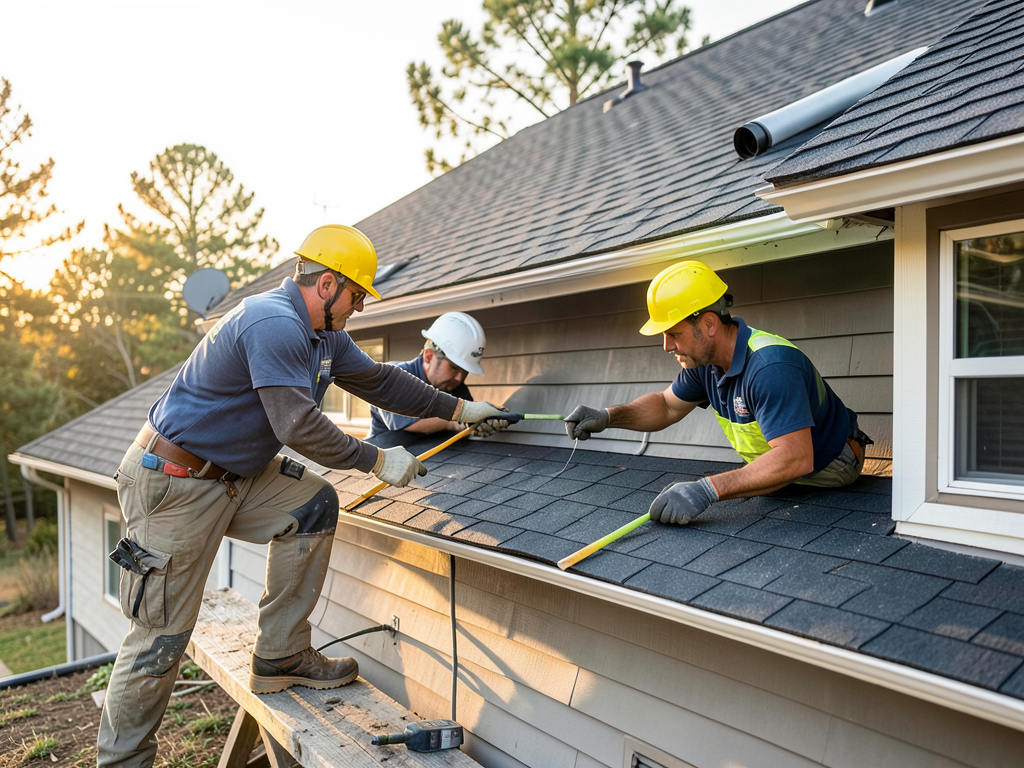
Diagram showing thermal bonding temperature ranges for asphalt shingles and optimal installation times during Florida summers.
Daily Work Schedule Adjustments
Crews in Pebble Creek typically begin work at 6:30 AM when surface temperatures hover around 75°F. This early start allows teams to complete 60% of the installation before noon when heat indexes regularly exceed 105°F. The Occupational Safety and Health Administration requires mandatory 15-minute rest breaks every two hours when heat indexes surpass 103°F.
Roofers wear cooling vests with phase-change material that maintains 65°F for up to four hours. Each crew member consumes approximately one gallon of water per hour during peak afternoon temperatures. The combination of early starts and proper hydration prevents heat-related illnesses that could compromise installation quality.
Material Storage and Handling Requirements
Shingle bundles stored on roof decks can reach internal temperatures of 160°F within 30 minutes of direct sunlight exposure. This extreme heat causes the release liner on self-sealing strips to melt prematurely, reducing their effectiveness. Crews in Pebble Creek use white tarp covers to reflect heat and maintain bundle temperatures below 120°F.
Modified bitumen membranes require special handling when ambient temperatures exceed 95°F. The material becomes too fluid for proper application and may flow off roof edges before cooling. Contractors must schedule these installations for early morning hours or wait for cloud cover to reduce surface temperatures.
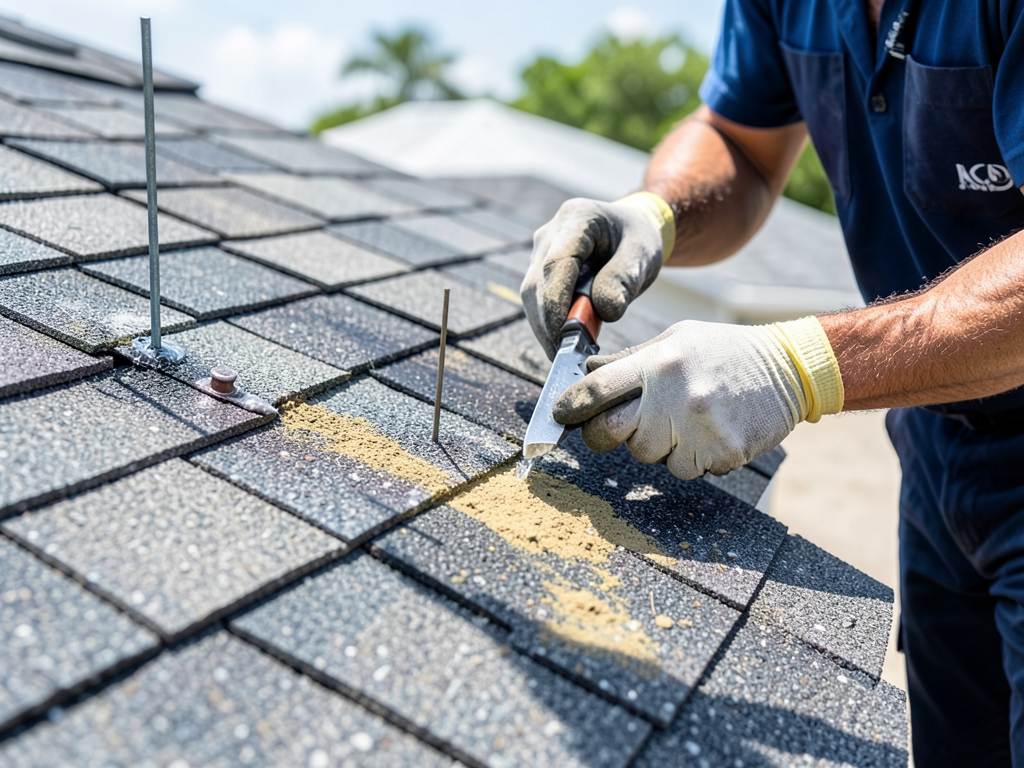
Photo of roofing crew using white tarp covers and early morning installation techniques to manage heat exposure on a Pebble Creek home.
Afternoon Thunderstorm Management
Florida’s predictable summer weather pattern creates unique challenges for Pebble Creek installations. The National Weather Service reports a 70% chance of afternoon thunderstorms during July and August. Roofing crews monitor multiple weather radar apps and maintain tarps ready for immediate deployment. Choosing the Best Roofing Contractor for Your Westchase Home.
Critical sealing work must be completed by 1:00 PM to allow proper adhesive activation before potential rain. Underlayment installation follows a specific sequence: first the drip edge, then the ice and water shield at eaves, followed by synthetic underlayment across the field. This order ensures water cannot penetrate the roof system even if a sudden storm delays the final installation.
Energy Efficiency Considerations
Summer heat in Pebble Creek makes energy efficiency a priority for homeowners. The Florida Solar Energy Center recommends light-colored or reflective shingles that can reduce cooling costs by 10-15%. These materials meet Energy Star requirements with solar reflectance values above 0.25 for steep-slope roofs.
Proper attic ventilation becomes critical when outdoor temperatures exceed 95°F. Building codes require one square foot of net free ventilation area for every 150 square feet of attic space. Inadequate ventilation causes attic temperatures to reach 160°F, accelerating shingle deterioration and increasing cooling costs.
Quality Control in Extreme Heat
Quality control procedures intensify during summer installations in Pebble Creek. Roofers use infrared thermometers to verify surface temperatures before beginning work each day. They inspect each shingle for scuff marks caused by soft asphalt and replace any damaged materials immediately.
The Florida Building Code Section 15 mandates specific fastener patterns and penetration depths that become harder to achieve in extreme heat. Crews use depth gauges on nail guns and perform random pull tests to verify proper installation. These quality checks prevent callbacks when summer storms test the roof’s wind resistance.
Photo of quality control inspector using infrared thermometer to verify surface temperatures before beginning work on a Pebble Creek roof installation.
Long-Term Performance Impact
Heat affects not just the installation process but also long-term roof performance in Pebble Creek. UV exposure accelerates oxidation of asphalt shingles, causing granule loss and reduced flexibility. Manufacturers now include UV inhibitors that extend shingle life by 5-7 years in Florida’s harsh climate.
Thermal cycling from day-to-night temperature swings causes expansion and contraction that can loosen fasteners over time. Professional installers in Pebble Creek use hot-dipped galvanized nails and specific nailing patterns that accommodate this movement without compromising the roof’s wind resistance rating.
Call Today for Your Summer Installation
Summer roof installation in Pebble Creek requires specialized knowledge of Florida’s unique climate challenges. Our experienced crews understand how to work efficiently in extreme heat while maintaining the highest quality standards. We monitor weather patterns, adjust work schedules, and use proper materials to ensure your new roof withstands both the summer heat and hurricane season.
Call (656) 245-0955 today to schedule your inspection. Don’t wait until the next storm reveals problems with your current roof. Early summer installation means your home will be protected before peak hurricane season arrives.
Frequently Asked Questions
Is it safe to install a roof during Florida’s summer heat?
Yes, professional roofers follow OSHA heat safety protocols including early starts, frequent breaks, and proper hydration. The key is experienced crews who understand how to work efficiently while maintaining quality standards.
How does heat affect the timeline for my roof installation?
Summer installations often require 1-2 additional days compared to cooler seasons due to afternoon storm delays and the need to work during cooler morning hours. However, the accelerated thermal bonding of shingles can offset some of this time.
What materials work best for Florida’s summer conditions?
Energy Star rated reflective shingles, proper underlayment systems, and high-quality fasteners designed for thermal expansion all perform better in Florida’s extreme heat. Your contractor should recommend materials specifically tested for our climate.
You may also find this helpful. Why Your Tampa Roof Might Be Sweating (And How to Stop the Attic Condensation).
{
“@context”: “https://schema.org”,
“@type”: “BlogPosting”,
“headline”: “How the Florida Heat Impacts the Installation Process of Your Pebble Creek Roof”,
“description”: “Learn how Tampa’s extreme heat affects shingle adhesion, installation timing, and crew safety during summer roof projects in Pebble Creek.”,
“wordCount”: 1048,
“datePublished”: “2026-06-12T10:01:00.000Z”,
“dateModified”: “2026-06-12T10:01:00.000Z”,
“inLanguage”: “en-US”,
“mainEntityOfPage”: {
“@type”: “WebPage”,
“@id”: “https://crestlineroofingtampa.com”
},
“publisher”: {
“@type”: “LocalBusiness”,
“name”: “Crestline Roofing Tampa”,
“url”: “https://crestlineroofingtampa.com”
},
“author”: {
“@type”: “Organization”,
“name”: “Crestline Roofing Tampa”,
“url”: “https://crestlineroofingtampa.com”
},
“image”: {
“@type”: “ImageObject”,
“url”: “https://crestlineroofingtampa.com/wp-content/uploads/2026/03/how-the-florida-heat-impacts-the-installation-proc-1.png”
}
}
{
“@context”: “https://schema.org”,
“@type”: “RoofingContractor”,
“name”: “Crestline Roofing Tampa”,
“url”: “https://crestlineroofingtampa.com”,
“address”: {
“@type”: “PostalAddress”,
“addressLocality”: “Tampa”
},
“areaServed”: {
“@type”: “City”,
“name”: “Tampa”
}
}
{
“@context”: “https://schema.org”,
“@type”: “FAQPage”,
“mainEntity”: [
{
“@type”: “Question”,
“name”: “Is it safe to install a roof during Florida’s summer heat?”,
“acceptedAnswer”: {
“@type”: “Answer”,
“text”: “Yes, professional roofers follow OSHA heat safety protocols including early starts, frequent breaks, and proper hydration. The key is experienced crews who understand how to work efficiently while maintaining quality standards.”
}
},
{
“@type”: “Question”,
“name”: “How does heat affect the timeline for my roof installation?”,
“acceptedAnswer”: {
“@type”: “Answer”,
“text”: “Summer installations often require 1-2 additional days compared to cooler seasons due to afternoon storm delays and the need to work during cooler morning hours. However, the accelerated thermal bonding of shingles can offset some of this time.”
}
},
{
“@type”: “Question”,
“name”: “What materials work best for Florida’s summer conditions?”,
“acceptedAnswer”: {
“@type”: “Answer”,
“text”: “Energy Star rated reflective shingles, proper underlayment systems, and high-quality fasteners designed for thermal expansion all perform better in Florida’s extreme heat. Your contractor should recommend materials specifically tested for our climate.”
}
}
]
}
{
“@context”: “https://schema.org”,
“@type”: “BreadcrumbList”,
“itemListElement”: [
{
“@type”: “ListItem”,
“position”: 1,
“name”: “Home”,
“item”: “https://crestlineroofingtampa.com”
},
{
“@type”: “ListItem”,
“position”: 2,
“name”: “Blog”,
“item”: “https://crestlineroofingtampa.com/blog”
},
{
“@type”: “ListItem”,
“position”: 3,
“name”: “How the Florida Heat Impacts the Installation Process of Your Pebble Creek Roof”
}
]
}
{
“@context”: “https://schema.org”,
“@type”: “Service”,
“serviceType”: “Roofing”,
“provider”: {
“@type”: “LocalBusiness”,
“name”: “Crestline Roofing Tampa”,
“url”: “https://crestlineroofingtampa.com”
},
“areaServed”: {
“@type”: “City”,
“name”: “Tampa”
},
“description”: “Learn how Tampa’s extreme heat affects shingle adhesion, installation timing, and crew safety during summer roof projects in Pebble Creek.”
}