menu

Does Insurance Cover Roof Leaks in Tampa? – Get Clear Answers on Your Policy Coverage Today

Understanding homeowners insurance roof leak coverage in Tampa can save you thousands. We break down when your policy covers roof leak water damage and when it does not, so you know exactly what to expect before filing a claim.

Slider Image 1
Slider Image 2
Slider Image 3
Slider Image 4
Slider Image 5
Slider Image 7
Slider Image 8
Slider Image 9
Slider Image 10
Slider Image 11

Why Tampa Homeowners Struggle with Roof Leak Insurance Claims

You discover water dripping through your ceiling after a storm, and your first thought is about your insurance. Does home insurance cover leaking roofs? The answer is complicated, and Tampa's unique weather makes it even more confusing.

Florida's intense summer storms, hurricane season, and relentless UV exposure create the perfect conditions for roof damage. When you file a claim, your insurance adjuster will ask one critical question: Was this damage sudden and accidental, or did it happen over time?

Here's the reality. Most standard homeowners policies cover roof leak water damage caused by sudden events like wind-driven rain during a hurricane, fallen tree limbs, or hail impact. Your insurer will typically pay for both the roof repair and the interior water damage.

But is a leaking roof covered by homeowners insurance if the damage developed gradually? No. If your leak stems from worn shingles, deteriorated flashing, or years of deferred maintenance, your claim will likely be denied. Insurance companies classify this as negligence, not covered damage.

Tampa's subtropical climate accelerates roof aging. The combination of heat, humidity, and afternoon thunderstorms breaks down roofing materials faster than in most parts of the country. A roof that might last 25 years in Georgia may only last 15 to 18 years here. This shortened lifespan creates a gray area where homeowners think their roof is fine, but insurers see preventable wear.

Understanding home insurance coverage for roof leaks before you need to file saves you from surprise denials and out-of-pocket expenses. The difference between a covered claim and a denied one often comes down to documentation and timing.

Why Tampa Homeowners Struggle with Roof Leak Insurance Claims
How Insurance Adjusters Evaluate Roof Leak Claims in Tampa

How Insurance Adjusters Evaluate Roof Leak Claims in Tampa

When you file a roof leak claim, your insurance company sends an adjuster to determine if the damage qualifies for coverage. This evaluation determines whether you receive a check or a denial letter.

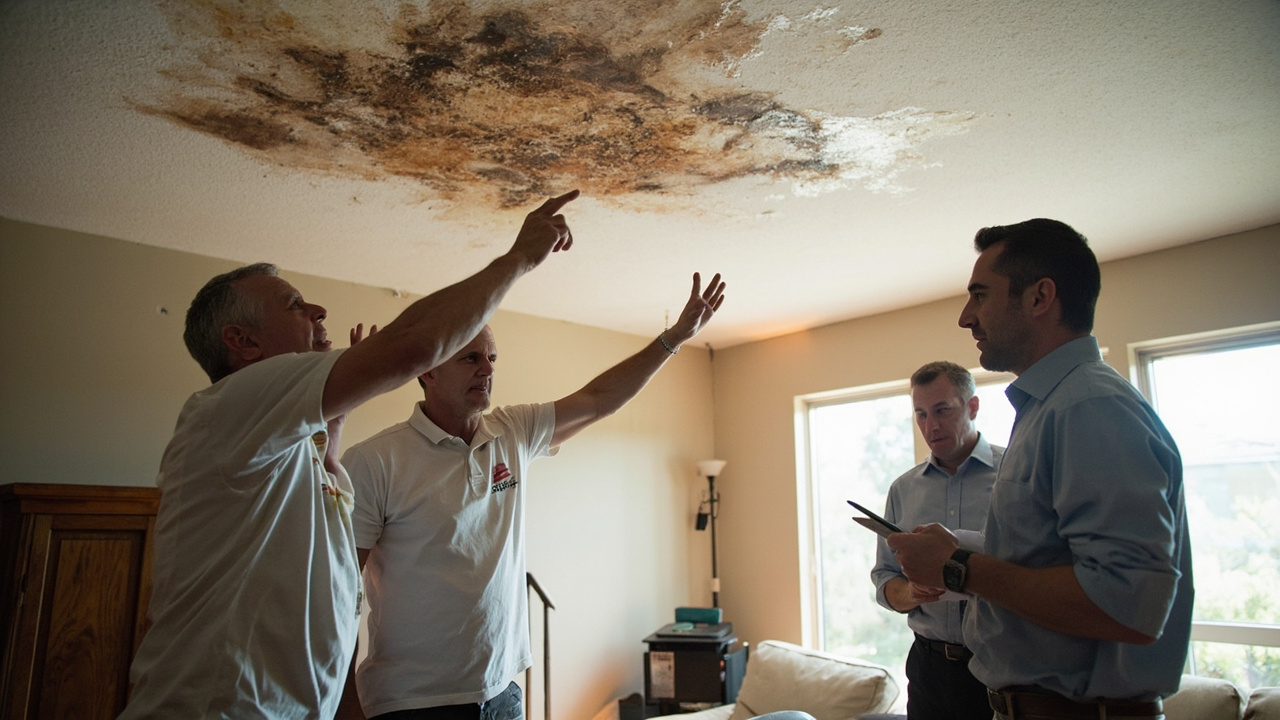
The adjuster examines your roof for evidence of sudden impact versus gradual deterioration. They look at granule loss on shingles, the condition of underlayment, cracked or missing tiles, and the state of your flashing around chimneys, vents, and valleys. They also check your attic for water stains that indicate long-term leaking.

For wind-driven rain claims, common during Tampa's hurricane season, adjusters verify that wind speeds exceeded your policy threshold and that the wind directly caused the leak. They may request weather data from the National Weather Service to confirm storm intensity in your specific ZIP code.

The adjuster will also review your roof's age and maintenance history. If your asphalt shingles are 18 years old and show widespread wear, they may determine the leak resulted from normal aging rather than storm damage. This is where many Tampa homeowners face claim denials.

Insurance policies include actual cash value provisions for older roofs. If your roof exceeds a certain age, usually 10 to 15 years depending on your carrier, you receive depreciated value rather than full replacement cost. Some policies even exclude coverage entirely for roofs over 20 years old.

Documentation matters. If you have records of regular roof inspections and maintenance, you strengthen your position. Adjusters are more likely to approve claims when you can prove you maintained your roof properly and the damage occurred suddenly.

The key is understanding what your specific policy covers before water enters your home. Not all homeowners insurance roof leak coverage is created equal.

Navigating Your Roof Leak Insurance Claim

Does Insurance Cover Roof Leaks in Tampa? – Get Clear Answers on Your Policy Coverage Today
01

Document the Damage

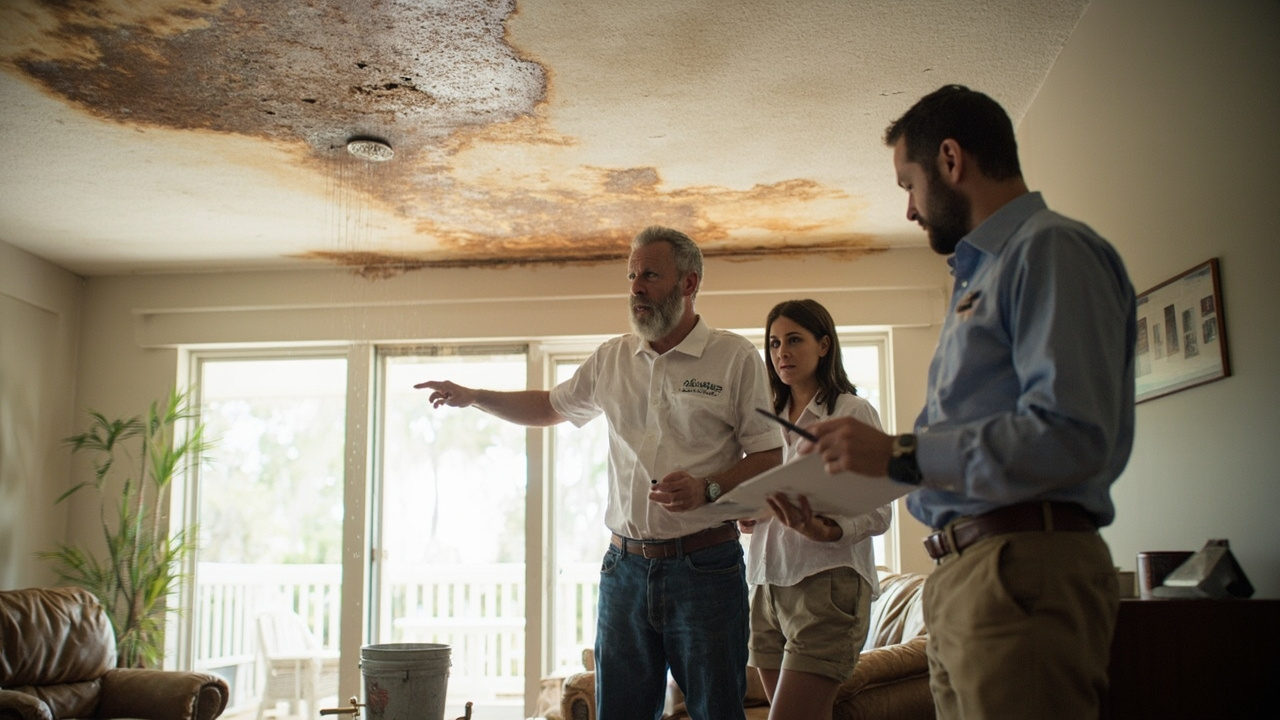
Take photos and videos of the interior water damage, ceiling stains, and visible roof damage from ground level. Document the date, time, and weather conditions when you discovered the leak. This evidence becomes critical if your claim faces scrutiny. The more detailed your documentation, the stronger your position when the adjuster reviews your case.
02

Get a Professional Assessment

Have a licensed roofing contractor inspect your roof before filing your claim. They can identify the damage source, whether it was caused by a storm event or gradual wear. A professional report from a local Tampa roofer who understands Florida building codes and regional weather patterns adds credibility to your claim and helps counter lowball adjuster evaluations.
03

File and Follow Through

Submit your claim with all documentation, including your contractor's assessment. Stay in contact with your adjuster and respond quickly to requests for additional information. If your claim is denied or undervalued, you have the right to dispute the decision. Many Tampa homeowners successfully appeal initial denials with proper documentation and professional support from experienced roofing contractors.

Why Tampa Homeowners Need Local Roofing Expertise for Insurance Claims

Insurance companies hire adjusters who evaluate hundreds of claims across multiple states. They follow standardized guidelines that may not account for Tampa's specific roofing challenges. This is where local expertise makes the difference between a paid claim and a denied one.

Crestline Roofing Tampa works with homeowners through the insurance process because we understand both local building codes and how adjusters evaluate damage in this market. We know that Tampa's high winds during summer storms create uplift damage that tears shingles from the decking. We recognize how thermal expansion and contraction in Florida's heat cycles loosen fasteners over time. We can identify and document the difference between storm damage and normal wear.

Our team has worked with every major insurance carrier operating in Hillsborough County. We know which companies use replacement cost coverage versus actual cash value for older roofs. We understand which policies have hidden depreciation schedules that reduce your payout significantly.

When an adjuster undervalues damage or mischaracterizes sudden storm impact as gradual deterioration, we provide detailed assessments that correct their findings. Our documentation includes photo evidence, moisture meter readings, and specific references to damage patterns consistent with covered events.

We also understand Tampa's specific building code requirements following roof repairs or replacements. When your insurance approves a claim, the work must meet current Florida Building Code standards, which have evolved significantly after recent hurricane seasons. Some adjusters try to approve repairs that would not pass inspection. We ensure your claim covers code-compliant work.

Choosing a local Tampa roofing company means you get an advocate who understands both the technical aspects of roof damage and the insurance landscape in Florida. This combination protects your investment and maximizes your claim payout.

What to Expect When Filing a Roof Leak Insurance Claim

Response Timeline

After you file your claim, expect an adjuster visit within three to seven business days for non-emergency situations. Hurricane-related claims may take longer due to volume. Florida law requires insurance companies to acknowledge your claim within 14 days and make a coverage decision within 90 days, though most resolve faster. You should mitigate further damage immediately by placing tarps or buckets, as your policy requires you to prevent additional losses. Keep receipts for temporary repairs, as these are usually reimbursable.

The Inspection Process

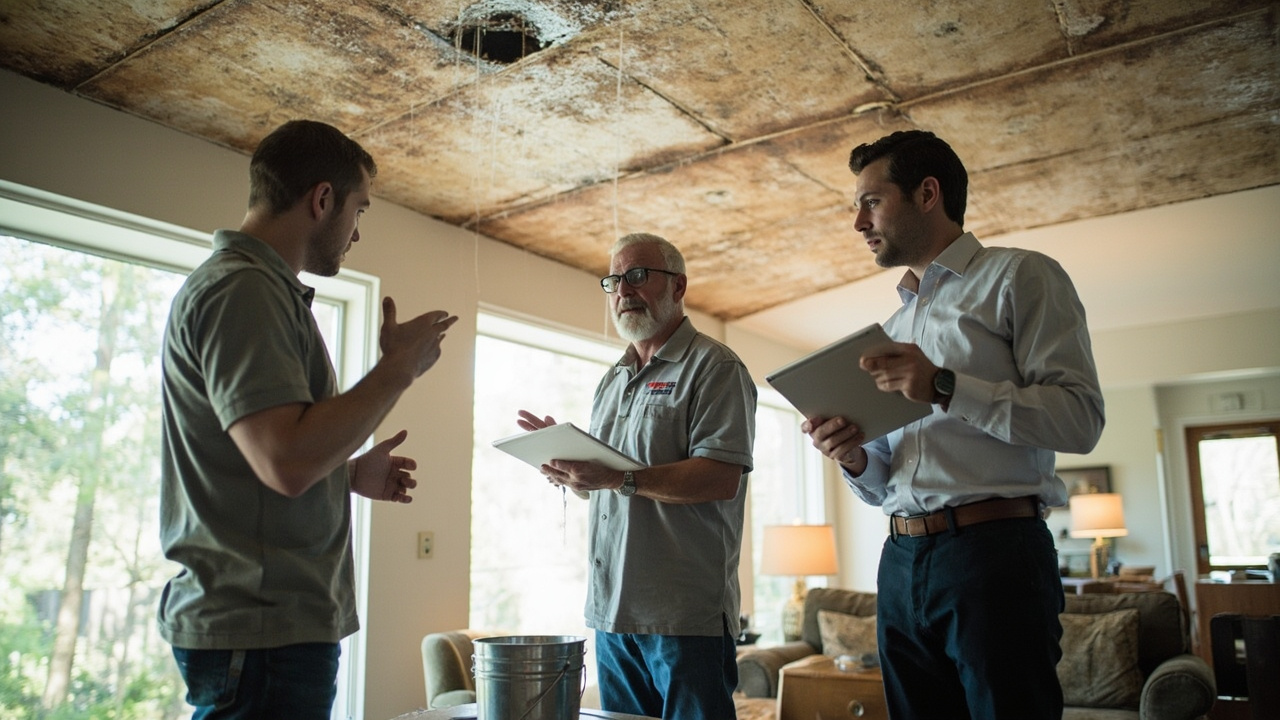
The adjuster will examine your roof from multiple angles, often using drone photography or climbing onto the roof surface. They document damage with photos and measurements. They also inspect your attic space for water intrusion evidence and check interior ceilings for staining. The inspection typically takes 45 minutes to two hours depending on roof size and damage complexity. You have the right to have your contractor present during this inspection, which we recommend to ensure nothing gets overlooked or mischaracterized.

Claim Settlement

If approved, you will receive an initial payment minus your deductible. For replacement cost policies, you get the actual cash value first, then a second payment for depreciation once repairs are complete. You must use a licensed contractor and provide proof of completed work to receive the final payment. Some policies include code upgrade coverage for bringing older roofs up to current standards. Review your settlement carefully, as initial offers may not include all necessary repairs or may underestimate material costs.

Post-Repair Documentation

Keep detailed records of all work completed, including invoices, material receipts, and final inspection certificates. Take photos of the completed repairs. This documentation protects you if future leaks occur in the same area and you need to file another claim. It also proves you properly maintained your roof, which helps with future insurance renewals. Some carriers offer premium discounts for new roofs or specific impact-resistant materials, so ask about these savings once your repair or replacement is complete.

Frequently Asked Questions

You Have Questions,
We Have Answers

How do I make a successful roof leak insurance claim? +

Document the damage immediately with photos and videos showing water stains, saturated insulation, and the leak source. Contact your insurer within 24 hours to report the claim. Mitigate further damage by placing tarps or buckets, but keep receipts for emergency repairs. In Tampa, hurricane-related leaks require separate documentation proving wind damage occurred before rain infiltration. Request a full roof inspection from a licensed contractor who can identify hidden damage. Provide your adjuster with repair estimates, maintenance records, and proof the damage was sudden and accidental. Never sign any agreements until you review the settlement offer carefully.

Is it worth claiming roof damage on insurance? +

Filing depends on your deductible and damage extent. If repair costs exceed your deductible by 500 dollars or more, filing makes financial sense. Small claims under 1,000 dollars often cost more in premium increases over three to five years. Tampa homeowners face elevated wind and hail premiums after claims, so calculate long-term costs. Consider that multiple claims within five years can trigger non-renewal or policy cancellation. If the leak stems from storm damage affecting structural components like decking or trusses, filing protects you from major out-of-pocket expenses. Gradual wear or maintenance neglect will be denied anyway.

What type of roof damage is covered by insurance? +

Policies cover sudden, accidental damage like wind-torn shingles, hail impacts, falling trees, or fire damage. Tampa storms frequently cause wind-driven rain to breach flashing around chimneys and valleys. Lightning strikes that crack tiles or shingles qualify for coverage. Vandalism and aircraft or vehicle impacts are also covered. However, insurers deny claims for gradual deterioration, moss damage, poor installation, or deferred maintenance. Age-related wear like granule loss or cracked sealant strips will not trigger coverage. If hurricane winds lift shingles before rain enters, you have a covered peril. Document the wind damage first.

What should I do if my roof is leaking? +

Stop the leak immediately by placing buckets under active drips and moving furniture away from water. If safe, inspect your attic for the entry point and place tarps over saturated insulation. Call a licensed Tampa roofer for emergency tarping if the leak is severe. Document everything with photos before making temporary repairs. Contact your insurance company within 24 hours to report potential damage. Do not delay. Tampa's high humidity accelerates mold growth within 48 hours of water intrusion. Avoid climbing on wet roofs during storms. Professional assessment protects your claim and prevents injury.

Will insurance pay for a new roof if it's leaking? +

Only if the leak results from a covered peril that damages the entire roof system beyond economical repair. If a storm compromises 40 percent or more of your roof, insurers may approve full replacement instead of patching. Tampa's strict wind codes often require total tear-offs when structural decking sustains damage. However, if only a few shingles leak due to age, expect partial repairs only. Policies depreciate roofs based on age. A 15-year-old roof receives less payout than a five-year-old roof. Routine leaks from wear will not trigger replacement coverage.

What not to say to a roof insurance adjuster? +

Never admit to deferred maintenance or say you knew about pre-existing issues. Avoid statements like "the roof was old" or "I should have fixed that years ago." Do not speculate about damage causes or agree that wear caused the leak. Never sign settlement agreements on the spot or accept lowball offers without contractor review. In Tampa, do not let adjusters blame age when wind damage is visible. Stick to facts about when the leak started and what storm event occurred. Avoid exaggerating damage, but do not minimize it either. Request a second inspection if needed.

When not to file a homeowners insurance claim? +

Avoid filing when repair costs barely exceed your deductible or fall under 1,500 dollars. Small claims trigger premium increases that outweigh payouts over time. If the damage results from neglect, poor maintenance, or gradual wear, your claim will be denied and still count against your record. Tampa homeowners should not file for cosmetic issues like minor granule loss or surface staining. If you recently filed another claim within two years, a second filing risks non-renewal. Save claims for major storm damage affecting structural integrity or causing interior water damage.

What documentation do I need for a roof damage claim? +

Gather photos and videos of all damage, including interior water stains, attic moisture, and exterior roof conditions. Provide dated images showing pre-loss condition if available. Include receipts for emergency repairs like tarping or water extraction. Tampa residents need weather reports proving storm activity on the damage date. Supply your roof's age, installation records, and maintenance history. Obtain written estimates from licensed contractors detailing scope of work and material costs. Keep a claim diary logging adjuster visits, phone calls, and correspondence. Submit proof of ownership and your policy declarations page.

Is a ceiling leak covered by homeowners insurance? +

Yes, if the ceiling leak results from a covered roof peril like storm damage or a burst pipe. Tampa policies cover water damage from sudden roof failure caused by wind or fallen trees. However, coverage excludes leaks from gradual roof deterioration, improper flashing installation, or clogged gutters. If your roof leaked during a storm and soaked drywall, triggering mold growth, file immediately. Policies also cover ceiling damage from plumbing leaks if the pipe burst suddenly. Document the ceiling stains and trace the leak source. Insurers pay for drywall, paint, and mold remediation if the cause is covered.

How do I get my roof replaced for free? +

You cannot get a roof replaced for free unless you have full replacement cost coverage and qualify for a covered claim. Some Tampa contractors offer financing or payment plans that reduce upfront costs, but nothing is truly free. Beware of storm chasers promising free roofs through inflated insurance claims. They often perform shoddy work and disappear after pocketing settlements. Legitimate options include low-interest home improvement loans, manufacturer rebates, or energy efficiency grants for metal or reflective roofing. Veterans may qualify for assistance programs. Always pay your deductible. Contractors waiving deductibles commit insurance fraud.

How Tampa's Hurricane Season Impacts Roof Leak Insurance Coverage

Tampa sits in a hurricane-prone zone, with the 2024 season bringing multiple named storms through the Gulf Coast. Your homeowners insurance typically includes a separate hurricane deductible, often two to five percent of your dwelling coverage amount rather than your standard deductible. This means if your home is insured for $300,000 and you have a two percent hurricane deductible, you pay the first $6,000 of damage out of pocket. Many Tampa homeowners discover this only after filing a storm claim. Additionally, insurance companies often impose a waiting period after you purchase a policy before hurricane coverage activates. Understanding these specific provisions before storm season hits helps you prepare financially for potential roof damage and prevents surprise costs when you need coverage most.

Florida's insurance market has become increasingly restrictive, with several carriers pulling out of the state entirely or refusing to renew policies for homes with older roofs. Tampa homeowners now face mandatory roof inspections for policies, with some insurers requiring replacement if your roof exceeds 15 years old regardless of condition. Working with a local Tampa roofing contractor who understands these evolving requirements helps you maintain insurability. We provide detailed inspection reports that satisfy carrier requirements and help you address issues before they trigger non-renewal notices. Our familiarity with local building officials and inspection processes also ensures faster permit approvals and final inspections, which matters when you need to prove completed repairs to receive your final insurance payment.
Roofing Services in The Tampa Area

We are proud to serve the entire area, providing exceptional roofing services to homeowners and businesses. While we travel directly to your location, you can view our main office on the map to get a sense of our central hub. Our local presence ensures we can respond quickly to your needs and provide the personalized service you deserve. We're always nearby, ready to help with your next roofing project.

Address:
Crestline Roofing Tampa, 2144 W Main St, Tampa, FL, 33607

Additional Services We Offer

Our news updates

Latest Articles & News from The Blogs

What to Do When Your Roofing Contractor Disappears Before the Job is Done Your roofer vanished mid-project and now your…

What to Do When Your Roofing Contractor Disappears Before the Job is Done

What to Do When Your Roofing Contractor Disappears Before the Job is Done Your roofer vanished mid-project and now your…

How the Florida Heat Impacts the Installation Process of Your Pebble Creek Roof

Florida’s summer heat transforms every roofing project in Pebble Creek into a carefully choreographed operation. Asphalt shingles soften at temperatures…

Why Your Gutters Are Overwhelming Your Foundation Even When They Aren't Clogged

Why Your Gutters Are Overwhelming Your Foundation Even When They Aren't Clogged Heavy rain pounds Tampa rooftops during summer afternoons,…

Contact Us

Confused about your coverage? Call Crestline Roofing Tampa at (656) 245-0955 for a free roof inspection and insurance consultation. We help Tampa homeowners understand their policies and document damage properly for maximum claim success.