
Navigating Roof Insurance Claims After a Storm in Tampa
After a storm hits Tampa, homeowners face a race against time to document damage and file insurance claims before the next weather event strikes. Florida’s insurance market is volatile and the claim process can be confusing. This guide breaks down what you need to know to protect your investment and get your roof repaired or replaced. Florida Department of Financial Services storm resources.
Understanding Storm Damage in Tampa’s Climate
Tampa’s subtropical climate creates unique challenges for roofing systems. High humidity, intense UV exposure, and frequent thunderstorms cause materials to deteriorate faster than in other regions. When a tropical storm or hurricane hits, wind speeds often exceed 70 mph, tearing shingles and damaging underlayment. Choosing the Best Roofing Contractor for Your Westchase Home.
Most storm damage falls into two categories: wind damage and hail damage. Wind damage appears as missing shingles, lifted edges, or curled tabs. You might see granules collecting in gutters or exposed nail heads. Hail damage creates small dents or circular impressions on shingles. On metal roofs, hail leaves dimpled surfaces that can lead to rust. Asphalt Shingle Roofing.
Water intrusion often starts at penetration points. Damaged pipe boots, cracked vent seals, or compromised flashing around chimneys allow water to enter the attic. Once inside, moisture spreads along rafters and insulation, creating conditions for mold growth within 24-48 hours.
Roof age matters significantly in Tampa. Most asphalt shingle roofs last 15-20 years in Florida’s harsh climate, compared to 25-30 years in milder regions. Insurance companies scrutinize older roofs more closely, sometimes requiring full replacement rather than repairs. Florida Building Code requirements.
The Florida Insurance Claim Timeline
Florida insurance claims follow a specific sequence. Understanding this timeline helps you prepare and avoid costly mistakes.
- Immediate Damage Assessment
Within 24 hours of storm damage, document everything. Take clear photos of damaged areas from multiple angles. Include close-ups of specific damage and wide shots showing context. Note the date and time of the storm.
- Emergency Protection
Prevent further damage by covering exposed areas with tarps. Insurance companies expect reasonable steps to mitigate additional losses. Keep receipts for emergency repairs.. Read more about Finding a Reliable Tile Roof Repair Specialist in South Tampa.
- Professional Inspection
Before contacting your insurance company, hire a licensed roofing contractor to inspect the damage. They document findings that support your claim and identify hidden damage insurance adjusters might miss. Roofing Dunedin.
- Claim Filing
File your claim promptly. Florida law requires claims be filed within a reasonable time after discovering damage. Delay can result in claim denial.
- Adjuster Inspection
The insurance company sends an adjuster to inspect the damage. They compare their findings against your documentation and the contractor’s report.
- Estimate Review
Review the insurance estimate carefully. It should detail repair or replacement costs, depreciation, and your deductible amount.. Read more about Affordable Roof Replacement Solutions for Homeowners in Riverview.
- Contractor Selection
Choose a licensed contractor familiar with insurance claims. They coordinate with your insurance company and ensure repairs meet all code requirements.. Read more about Emergency Roof Leak Repair Services in Tampa Available Right Now.
- Final Inspection
After repairs, the contractor schedules a final inspection. This ensures work meets building codes and manufacturer specifications.. Read more about Quick Roof Leak Repairs for Homes in Town ‘n’ Country.
Recent Florida Law Changes Impacting Your Claim
Florida Senate Bill 2-D, passed in 2021, significantly changed how insurance claims work in the state. The law aims to reduce fraud and stabilize the insurance market, but it also affects how homeowners file claims.. Read more about What New Tampa Homeowners Need to Ask Before Hiring a Roofer.
The most significant change involves assignment of benefits (AOB) agreements. These contracts allow contractors to directly bill insurance companies. Under SB 2-D, contractors must now provide a detailed scope of work and cannot file claims without homeowner consent. This protects homeowners from surprise charges but also means you maintain control over the claim process.
Another critical change involves claim deadlines. Insurance companies must acknowledge claims within 14 days and make coverage decisions within 90 days for claims under $50,000. If they miss these deadlines, they must pay interest on the claim amount.
Roof age now plays a larger role in claim outcomes. Homes with roofs older than 15 years may only qualify for actual cash value (ACV) settlements rather than replacement cost value (RCV). ACV pays for the roof’s current value minus depreciation, while RCV covers full replacement costs.. Read more about A Realistic Breakdown of Roof Replacement Costs in Tampa for 2026.
Florida also requires specific documentation for claims. You must provide photos, inspection reports, and repair estimates. Missing documentation can delay or deny claims. Keep all communication with your insurance company in writing.
Why Professional Inspection Precedes the Insurance Adjuster Visit
Many homeowners make the mistake of waiting for the insurance adjuster before getting a professional opinion. This approach often backfires. Insurance adjusters work for the insurance company, not for you. Their goal is to minimize claim payouts.. Read more about Getting Your Lutz Home Ready for Hurricane Season with a Fortified Roof.
A professional roofing contractor provides an independent assessment. They identify damage patterns that indicate storm-related issues versus normal wear. For example, wind damage typically shows a directional pattern, while hail damage appears as random circular impacts. Roofing Saint Petersburg.
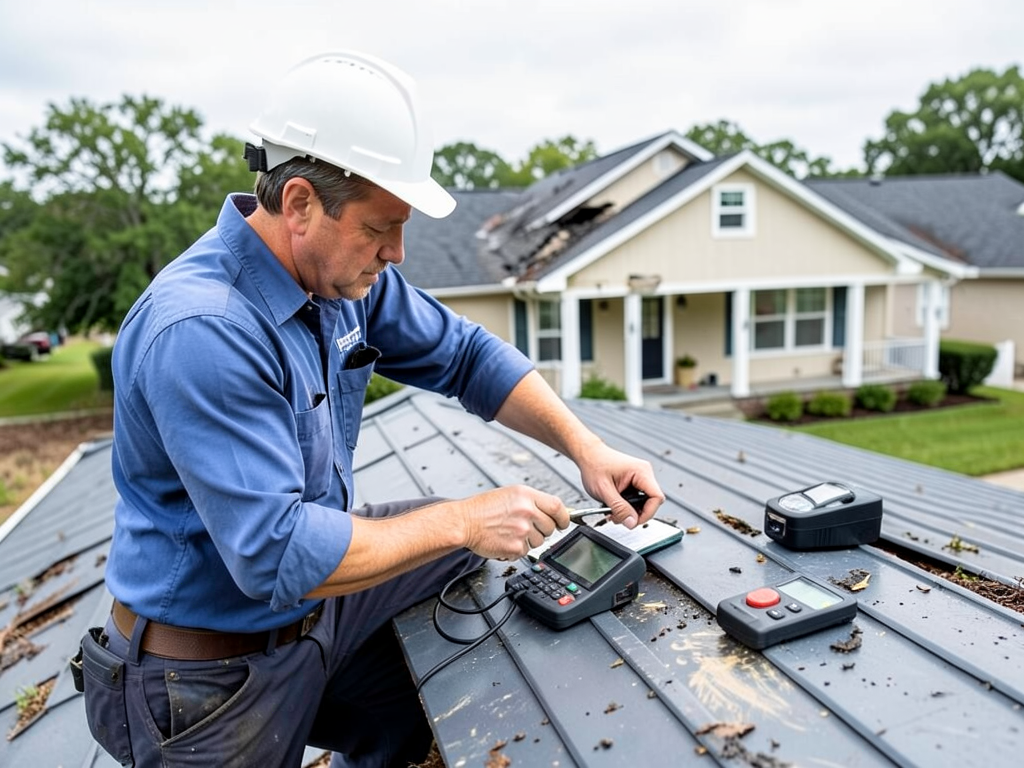
Contractors also document hidden damage. Water may travel along rafters before appearing as stains on ceilings. Without attic inspection, you might miss significant structural damage. Professional inspectors use moisture meters to detect water intrusion behind walls and under roofing materials. Roofing Bloomingdale.
The contractor’s report becomes crucial during claim negotiations. If the adjuster’s assessment differs from the contractor’s findings, you have documented evidence supporting your claim. This documentation often leads to higher settlements.
Professional contractors also understand building codes specific to Tampa. They ensure proposed repairs meet Hillsborough County requirements and Florida Building Code standards. This knowledge prevents future problems and ensures insurance companies cannot deny claims based on code violations.. Read more about Local Tampa Roofers Who Specialize in Hurricane-Resistant Materials.
Step-by-Step Checklist for Tampa Roof Claims
Following a systematic approach increases your chances of claim approval and fair settlement.
- Immediate Safety Check – Inspect your property for immediate hazards like fallen trees or electrical lines. Do not climb on the roof yourself.
- Document Everything – Take photos of all damage, including interior water stains, exterior damage, and surrounding property damage.
- Prevent Further Damage – Cover exposed areas with tarps. Save all receipts for emergency repairs.
- Review Insurance Policy – Understand your coverage, deductible amounts, and any exclusions for wind or hurricane damage.
- Schedule Professional Inspection – Contact a licensed Tampa roofing contractor for a comprehensive damage assessment.
- Obtain Written Estimates – Get detailed repair or replacement estimates from multiple contractors.
- File Claim Promptly – Contact your insurance company within 24-48 hours of damage discovery.
- Keep Records – Document all communications with your insurance company, including dates, times, and conversation summaries.
- Review Settlement Offer – Compare the insurance company’s offer against your contractor’s estimates.
- Choose Licensed Contractor – Select a contractor familiar with insurance claims and local building codes.
Local Case Studies: Recent Successful Claims in Tampa Bay
Understanding how similar claims succeeded helps set realistic expectations.
In South Tampa’s Palma Ceia neighborhood, a homeowner filed a claim after Hurricane Milton in October 2024. Wind speeds reached 85 mph, tearing shingles from multiple homes. The homeowner had a professional inspection within 24 hours, documenting missing shingles and water intrusion through damaged flashing. The insurance company initially offered a repair settlement, but the contractor’s detailed report showing structural damage led to a full roof replacement approval.. Read more about Trusted Shingle Roofing Contractors in the Carrollwood Area.
A Brandon homeowner faced hail damage in March 2025. Hailstones measuring 1.5 inches in diameter created hundreds of small dents across the roof surface. The insurance adjuster initially classified this as cosmetic damage. However, the contractor demonstrated how hail impacts compromised the shingle’s protective granules, leading to accelerated deterioration. The claim escalated to a full replacement.
In Westchase, a homeowner discovered water damage months after a summer thunderstorm. The contractor found that wind had lifted shingles at the roof’s edge, allowing water to penetrate underlayment. The damage spread to the attic, affecting insulation and rafters. The insurance company approved repairs after seeing the contractor’s moisture meter readings and structural assessment.
These cases illustrate common patterns. Prompt professional inspection, thorough documentation, and understanding of building codes significantly improve claim outcomes. Contractors familiar with Tampa’s specific weather patterns and insurance requirements navigate the process more effectively.
Frequently Asked Questions
How long do I have to file a roof insurance claim in Florida?
Florida law requires claims be filed within a reasonable time after discovering damage. While there’s no specific deadline, waiting more than 30 days can complicate claims. Some policies have specific time limits, so review your policy immediately after damage occurs.
Will my insurance company require multiple estimates?
Most insurance companies do not require multiple estimates, but they may request them for large claims. Focus on getting one detailed estimate from a reputable contractor familiar with insurance claims. The quality of documentation matters more than the number of estimates.
What if my claim is denied?
Claim denials often result from insufficient documentation or disputes about cause of damage. You have the right to appeal denials. Review the denial letter carefully, address the specific reasons cited, and provide additional documentation if needed. Consider hiring a public adjuster for complex denials.
How much will I pay out of pocket?
Your out-of-pocket costs depend on your deductible and the claim settlement amount. Florida policies often have separate wind/hurricane deductibles, typically 2-5% of your home’s insured value. Review your policy to understand all deductible amounts before filing a claim.
Should I accept the first settlement offer?
Do not accept the first offer without review. Compare it against your contractor’s estimate and policy coverage. If the offer seems low, request a detailed breakdown and negotiate based on documented damage and repair costs. You have the right to dispute settlement amounts.
Protecting Your Investment Beyond Insurance
Insurance claims address immediate damage, but long-term roof protection requires ongoing maintenance. Tampa’s climate accelerates roof deterioration through UV exposure, salt air corrosion, and thermal cycling.
Schedule annual professional inspections to catch problems early. Look for signs of granule loss, curled shingles, or damaged flashing. Address small issues before they become major problems requiring insurance claims.
Consider roof replacement timing carefully. If your roof is 15-20 years old, replacement might be more cost-effective than repeated repairs. New roofs often qualify for insurance discounts and provide better storm protection.
Document your roof’s condition with photos each year. This baseline documentation helps prove new damage versus pre-existing conditions during insurance claims.
Choose contractors who understand Tampa’s specific challenges. They should recommend materials rated for high wind zones and know local building code requirements. Quality installation prevents many common failure points.
Maintain your roof’s ventilation system. Poor ventilation causes heat buildup that damages shingles from underneath. Proper attic ventilation extends roof life and prevents moisture-related problems.
Moving Forward After Storm Damage
Storm damage creates stress and uncertainty, but understanding the claim process helps you make informed decisions. The key is acting quickly while maintaining realistic expectations about outcomes.
Professional help makes a significant difference. Contractors familiar with Tampa’s insurance landscape navigate claim requirements more effectively than homeowners working alone. They understand what documentation insurance companies need and how to present it persuasively.
Remember that insurance claims are business transactions. Both you and the insurance company have specific rights and obligations. Understanding these helps you advocate effectively for fair treatment.
Most importantly, do not delay action after storm damage. Florida’s weather patterns mean another storm could arrive before you resolve the current damage. Prompt action protects your home and your financial interests.
Call (656) 245-0955 today to schedule your professional roof inspection. Our Tampa-based team understands local building codes, insurance requirements, and storm damage patterns. We provide detailed documentation that supports your claim and ensures proper repairs that protect your home for years to come.
You may also find this helpful. Preserving the Historic Charm of Seminole Heights Roofs During a Replacement.
You may also find this helpful. Why Metal Roofing is Becoming the Top Choice for Brandon Homeowners.
You may also find this helpful. High-End Roofing Options for Waterfront Homes on Davis Islands.
{
“@context”: “https://schema.org”,
“@type”: “BlogPosting”,
“headline”: “Navigating Roof Insurance Claims After a Storm in Tampa”,
“description”: “Learn how to handle roof insurance claims after a storm in Tampa. Understand Florida laws, claim timelines, and why professional inspection matters. Call (656) 245-0955 today.”,
“wordCount”: 1908,
“datePublished”: “2026-02-19T13:38:00.000Z”,
“dateModified”: “2026-02-19T13:38:00.000Z”,
“inLanguage”: “en-US”,
“mainEntityOfPage”: {
“@type”: “WebPage”,
“@id”: “https://crestlineroofingtampa.com”
},
“publisher”: {
“@type”: “LocalBusiness”,
“name”: “Crestline Roofing Tampa”,
“url”: “https://crestlineroofingtampa.com”
},
“author”: {
“@type”: “Organization”,
“name”: “Crestline Roofing Tampa”,
“url”: “https://crestlineroofingtampa.com”
},
“image”: {
“@type”: “ImageObject”,
“url”: “https://crestlineroofingtampa.com/wp-content/uploads/2026/03/navigating-roof-insurance-claims-after-a-storm-in-1.png”
}
}
{
“@context”: “https://schema.org”,
“@type”: “RoofingContractor”,
“name”: “Crestline Roofing Tampa”,
“url”: “https://crestlineroofingtampa.com”,
“address”: {
“@type”: “PostalAddress”,
“addressLocality”: “Tampa”
},
“areaServed”: {
“@type”: “City”,
“name”: “Tampa”
}
}
{
“@context”: “https://schema.org”,
“@type”: “FAQPage”,
“mainEntity”: [
{
“@type”: “Question”,
“name”: “How long do I have to file a roof insurance claim in Florida?”,
“acceptedAnswer”: {
“@type”: “Answer”,
“text”: “Florida law requires claims be filed within a reasonable time after discovering damage. While there’s no specific deadline, waiting more than 30 days can complicate claims. Some policies have specific time limits, so review your policy immediately after damage occurs.”
}
},
{
“@type”: “Question”,
“name”: “Will my insurance company require multiple estimates?”,
“acceptedAnswer”: {
“@type”: “Answer”,
“text”: “Most insurance companies do not require multiple estimates, but they may request them for large claims. Focus on getting one detailed estimate from a reputable contractor familiar with insurance claims. The quality of documentation matters more than the number of estimates.”
}
},
{
“@type”: “Question”,
“name”: “What if my claim is denied?”,
“acceptedAnswer”: {
“@type”: “Answer”,
“text”: “Claim denials often result from insufficient documentation or disputes about cause of damage. You have the right to appeal denials. Review the denial letter carefully, address the specific reasons cited, and provide additional documentation if needed. Consider hiring a public adjuster for complex denials.”
}
},
{
“@type”: “Question”,
“name”: “How much will I pay out of pocket?”,
“acceptedAnswer”: {
“@type”: “Answer”,
“text”: “Your out-of-pocket costs depend on your deductible and the claim settlement amount. Florida policies often have separate wind/hurricane deductibles, typically 2-5% of your home’s insured value. Review your policy to understand all deductible amounts before filing a claim.”
}
},
{
“@type”: “Question”,
“name”: “Should I accept the first settlement offer?”,
“acceptedAnswer”: {
“@type”: “Answer”,
“text”: “Do not accept the first offer without review. Compare it against your contractor’s estimate and policy coverage. If the offer seems low, request a detailed breakdown and negotiate based on documented damage and repair costs. You have the right to dispute settlement amounts.”
}
}
]
}
{
“@context”: “https://schema.org”,
“@type”: “HowTo”,
“name”: “Florida Insurance Claim Process”,
“step”: [
{
“@type”: “HowToStep”,
“position”: 1,
“name”: “Immediate Damage Assessment”,
“text”: “Within 24 hours of storm damage, document everything. Take clear photos of damaged areas from multiple angles. Include close-ups of specific damage and wide shots showing context. Note the date and time of the storm.”
},
{
“@type”: “HowToStep”,
“position”: 2,
“name”: “Emergency Protection”,
“text”: “Prevent further damage by covering exposed areas with tarps. Insurance companies expect reasonable steps to mitigate additional losses. Keep receipts for emergency repairs.”
},
{
“@type”: “HowToStep”,
“position”: 3,
“name”: “Professional Inspection”,
“text”: “Before contacting your insurance company, hire a licensed roofing contractor to inspect the damage. They document findings that support your claim and identify hidden damage insurance adjusters might miss. Roofing Dunedin.”
},
{
“@type”: “HowToStep”,
“position”: 4,
“name”: “Claim Filing”,
“text”: “File your claim promptly. Florida law requires claims be filed within a reasonable time after discovering damage. Delay can result in claim denial.”
},
{
“@type”: “HowToStep”,
“position”: 5,
“name”: “Adjuster Inspection”,
“text”: “The insurance company sends an adjuster to inspect the damage. They compare their findings against your documentation and the contractor’s report.”
},
{
“@type”: “HowToStep”,
“position”: 6,
“name”: “Estimate Review”,
“text”: “Review the insurance estimate carefully. It should detail repair or replacement costs, depreciation, and your deductible amount.”
},
{
“@type”: “HowToStep”,
“position”: 7,
“name”: “Contractor Selection”,
“text”: “Choose a licensed contractor familiar with insurance claims. They coordinate with your insurance company and ensure repairs meet all code requirements.”
},
{
“@type”: “HowToStep”,
“position”: 8,
“name”: “Final Inspection”,
“text”: “After repairs, the contractor schedules a final inspection. This ensures work meets building codes and manufacturer specifications.”
}
],
“image”: “https://crestlineroofingtampa.com/wp-content/uploads/2026/03/navigating-roof-insurance-claims-after-a-storm-in-1.png”
}
{
“@context”: “https://schema.org”,
“@type”: “BreadcrumbList”,
“itemListElement”: [
{
“@type”: “ListItem”,
“position”: 1,
“name”: “Home”,
“item”: “https://crestlineroofingtampa.com”
},
{
“@type”: “ListItem”,
“position”: 2,
“name”: “Blog”,
“item”: “https://crestlineroofingtampa.com/blog”
},
{
“@type”: “ListItem”,
“position”: 3,
“name”: “Navigating Roof Insurance Claims After a Storm in Tampa”
}
]
}
{
“@context”: “https://schema.org”,
“@type”: “Service”,
“serviceType”: “Roofing”,
“provider”: {
“@type”: “LocalBusiness”,
“name”: “Crestline Roofing Tampa”,
“url”: “https://crestlineroofingtampa.com”
},
“areaServed”: {
“@type”: “City”,
“name”: “Tampa”
},
“description”: “Learn how to handle roof insurance claims after a storm in Tampa. Understand Florida laws, claim timelines, and why professional inspection matters. Call (656) 245-0955 today.”
}