
Getting Your Lutz Home Ready for Hurricane Season with a Fortified Roof
Hurricane season in Lutz brings unique challenges for homeowners. With Florida Building Code requirements mandating wind resistance up to 140 mph in Hillsborough County, your roof needs more than standard shingles. A fortified roof system combines impact-resistant materials, enhanced nailing patterns, and secondary water barriers to protect your home when storms hit. The difference between a standard roof and a fortified system could mean thousands in damage prevention when the next hurricane approaches. Florida Disaster Handbook.
Why Lutz Homes Need Special Hurricane Protection
Lutz sits in a high-wind zone where summer thunderstorms can produce gusts exceeding 70 mph. The area’s mature tree canopy creates additional risks as falling limbs become projectiles during hurricanes. Many homes in zip codes 33548, 33549, and 33558 were built before Florida’s strictest building codes took effect, making them vulnerable to wind uplift and water intrusion. Florida Division of Emergency Management.
The soil composition in northern Hillsborough County creates another challenge. Sandy soils can shift during heavy rains, causing minor foundation movement that affects roof stability. This makes proper roof-to-wall connections critical for hurricane resistance.
Understanding Florida’s Fortified Roof Standards
The Insurance Institute for Business & Home Safety (IBHS) developed the Fortified Roof standard specifically for hurricane-prone regions. In Florida, these standards exceed basic building code requirements. A true fortified roof includes impact-resistant shingles rated for Class 4 hail resistance, enhanced underlayment with sealed seams, and ring-shank nails placed at specific intervals. Navigating Roof Insurance Claims After a Storm in Tampa.
According to the Florida Building Code, Section 1609.26 requires roofs in Hillsborough County to withstand design wind speeds of 140 mph. This translates to specific nailing patterns: six nails per shingle instead of the standard four, with nails placed precisely 1 inch from the edge.
Key Components of a Hurricane-Ready Roof
A fortified roof system includes several critical upgrades beyond standard installation. Secondary water barriers prevent water intrusion if shingles blow off during a storm. These peel-and-stick membranes seal around nails and create a watertight layer beneath your primary roofing material. Choosing the Best Roofing Contractor for Your Westchase Home.
Roof-to-wall connections use hurricane straps or clips that tie the roof structure directly to your home’s frame. This prevents the roof from lifting off during extreme winds. Many older Lutz homes lack these connections, making them prime candidates for fortification upgrades.
Impact-resistant skylights and roof vents prevent wind-driven debris from creating entry points for water. Even small punctures can lead to major interior damage during a hurricane’s prolonged rainfall.
The Inspection Process: What We Look For
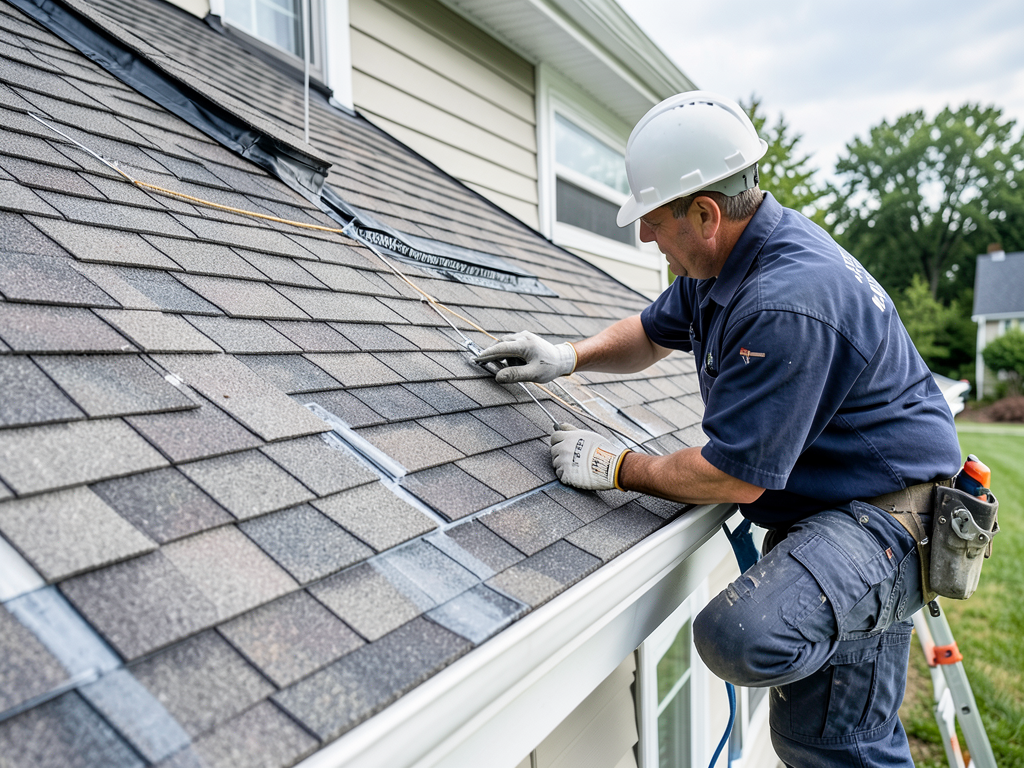
Our certified inspectors use a systematic approach to evaluate your roof’s hurricane readiness. We start with a visual assessment of shingle condition, looking for signs of UV damage like granule loss or curling edges. Florida’s intense sun causes shingles to deteriorate faster than in northern states.. Read more about Why Your Gutter System Matters Just as Much as Your Roof in Hillsborough County.
Next, we check attic ventilation and insulation levels. Poor ventilation creates heat buildup that weakens roof decking over time. We also examine the condition of your roof deck, looking for soft spots that indicate water damage or rot.
The moisture meter test is crucial for detecting hidden water intrusion. We take readings at multiple depths to identify areas where water might be trapped beneath the surface. This diagnostic tool helps us find problems before they become major issues.
Wind Mitigation Inspection Benefits
A wind mitigation inspection can save you 20-40% on your homeowner’s insurance premiums. Insurance companies offer these discounts because fortified roofs significantly reduce storm damage claims. The inspection documents your roof’s construction features, including the presence of secondary water barriers and proper nailing patterns.
In Lutz, many insurance providers require documentation of wind mitigation features before issuing or renewing policies. This makes the inspection not just a cost-saving measure but often a requirement for maintaining coverage.
Material Selection for Hurricane Resistance
Not all roofing materials perform equally in hurricane conditions. Architectural shingles with a Class F wind rating (110 mph) provide better protection than standard three-tab shingles. For maximum protection, metal roofing systems with interlocking panels can withstand winds up to 160 mph. Roofing Dunedin.
Tile roofs common in Mediterranean-style homes in Lutz require special consideration. While individual tiles can break during impact, the overall system often performs well in high winds due to its weight and overlapping design. However, proper underlayment becomes even more critical with tile installations.
Synthetic underlayment has largely replaced traditional felt paper in hurricane-prone areas. These polymer-based materials resist tearing and provide better traction for installers working in wet conditions.
Installation Timeline and What to Expect
A typical fortified roof installation in Lutz takes 2-3 days, weather permitting. The process begins with removing existing materials down to the deck, allowing inspection of the underlying structure. We then install the secondary water barrier, followed by new underlayment and the roofing material itself. Roofing Saint Petersburg.
During installation, we use aerial lifts rather than ladders when possible to minimize yard damage. Our crews work in sections, maintaining a watertight seal at all times. We also coordinate with utility companies to ensure safe clearance around power lines.
After installation, we conduct a final inspection to verify all fortified roof components meet IBHS standards. This includes checking nail patterns, seal integrity, and proper ventilation.
Cost Factors for Fortified Roofing in Lutz
Fortified roof systems typically cost 15-25% more than standard installations, but the investment pays off through insurance savings and damage prevention. The exact cost depends on your home’s size, current roof condition, and the specific upgrades needed.
Homes built before 2000 often require additional structural work to meet current wind resistance standards. This might include installing hurricane straps or reinforcing roof-to-wall connections. While this adds to the upfront cost, it’s essential for proper hurricane protection.
Insurance premium reductions can offset 30-50% of the additional cost over the system’s lifetime. Many homeowners find the monthly insurance savings nearly equal the increased payment for the fortified system.
Maintenance Requirements for Hurricane-Ready Roofs
Even the best fortified roof needs regular maintenance to maintain its storm resistance. Annual inspections should check for loose shingles, damaged flashing, and proper sealant condition. Pay special attention to areas around vents, chimneys, and roof edges where wind forces are strongest.
After any major storm, even if your home appears undamaged, schedule a professional inspection. High winds can create small issues that worsen over time. Look for lifted shingles, cracked tiles, or damaged flashing that might compromise your roof’s integrity.
Gutter maintenance plays a crucial role in hurricane preparedness. Clean gutters prevent water backup that can force water under roofing materials. Ensure downspouts direct water at least 5 feet away from your foundation to prevent soil erosion that could affect roof stability.
Comparing Roofing Materials for Hurricane Zones
| Material Type | Wind Rating | Impact Resistance | Lifespan | Cost per Square |
|---|---|---|---|---|
| Architectural Shingles | 130 mph | Class 3-4 | 25-30 years | $350-450 |
| Metal Standing Seam | 160 mph | Class 4 | 40-50 years | $700-900 |
| Concrete Tile | 150 mph | Class 3 | 30-50 years | $450-600 |
| Clay Tile | 125 mph | Class 3 | 50+ years | $500-700 |
Insurance Claim Assistance After Storm Damage
When hurricane damage occurs, the claims process can be overwhelming. We help Lutz homeowners navigate insurance paperwork, providing detailed damage assessments and repair estimates that insurance adjusters require. Our documentation includes photos, measurements, and code compliance information.
Many policies have specific requirements for hurricane damage claims, including timelines for reporting and documentation standards. We ensure all necessary information is submitted correctly to prevent claim delays or denials.
If your claim is denied or undervalued, we can provide second opinions and help you understand your appeal options. Our experience with local insurance companies helps us anticipate and address common objections.. Read more about Local Tampa Roofers Who Specialize in Hurricane-Resistant Materials.
Frequently Asked Questions
How long does a fortified roof last compared to a standard roof?
A properly installed fortified roof typically lasts 25-30 years for shingle systems and 40-50 years for metal or tile systems. The enhanced materials and installation methods often extend the lifespan by 5-10 years compared to standard installations.
Will a fortified roof increase my home’s value?
Yes, fortified roofs can increase property value by 3-5% in hurricane-prone areas. Buyers appreciate the reduced insurance costs and lower risk of storm damage. The investment often pays for itself when selling your home.
Can I upgrade my existing roof to fortified standards?
In many cases, yes. We can often add secondary water barriers, upgrade nailing patterns, and install hurricane straps without complete replacement. However, if your roof is near the end of its lifespan, a full replacement ensures all components meet current standards. Affordable Roof Replacement Solutions for Homeowners in Riverview.
What permits are required for fortified roof installation in Lutz?
Hillsborough County requires building permits for roof replacements. Our team handles all permitting, ensuring compliance with Florida Building Code Section 1609. Additional wind mitigation permits may be required for specific upgrades like hurricane straps.
Local Resources and Support
The Hillsborough County Emergency Management office provides hurricane preparedness resources specific to our area. They offer evacuation zone maps, shelter information, and storm preparation checklists that complement your roof fortification efforts.
The Florida Division of Emergency Management maintains a statewide database of licensed contractors. Always verify your roofing contractor’s credentials through this official source before signing any agreements.
Local building supply companies in Lutz stock hurricane-rated materials that meet Florida’s strict standards. Using locally sourced materials ensures compatibility with our climate and building requirements.
Taking Action Before Hurricane Season
Don’t wait until the last minute to prepare your roof for hurricane season. Our schedule fills quickly as storms approach, and proper installation takes time. Early preparation also allows for addressing any structural issues that might compromise your roof’s performance.
Schedule your free inspection today to learn exactly what your roof needs for hurricane protection. We’ll provide a detailed assessment and clear recommendations based on your home’s specific requirements and your budget.
Call (656) 245-0955 today to schedule your inspection. Don’t let another hurricane season pass without proper protection for your Lutz home.
Conclusion: Your Hurricane Protection Plan
A fortified roof represents one of the smartest investments you can make in your Lutz home. Beyond the immediate protection during storms, you’ll benefit from lower insurance premiums, increased property value, and peace of mind knowing your home is prepared for whatever nature brings.
The combination of proper materials, expert installation, and regular maintenance creates a comprehensive defense system. When the next hurricane approaches, you’ll know your roof is ready to protect what matters most.
Ready to get started? Call (656) 245-0955 before the next storm hits. Our team is standing by to help you prepare your home for hurricane season with a fortified roof system that meets and exceeds Florida’s strictest building standards.
{
“@context”: “https://schema.org”,
“@type”: “BlogPosting”,
“headline”: “Getting Your Lutz Home Ready for Hurricane Season with a Fortified Roof”,
“description”: “Protect your Lutz home this hurricane season with a fortified roof. Learn about Florida Building Code requirements, wind mitigation, and expert installation from Crestline Roofing.”,
“wordCount”: 1782,
“datePublished”: “2026-03-03T16:20:00.000Z”,
“dateModified”: “2026-03-03T16:20:00.000Z”,
“inLanguage”: “en-US”,
“mainEntityOfPage”: {
“@type”: “WebPage”,
“@id”: “https://crestlineroofingtampa.com”
},
“publisher”: {
“@type”: “LocalBusiness”,
“name”: “Crestline Roofing Tampa”,
“url”: “https://crestlineroofingtampa.com”
},
“author”: {
“@type”: “Organization”,
“name”: “Crestline Roofing Tampa”,
“url”: “https://crestlineroofingtampa.com”
},
“image”: {
“@type”: “ImageObject”,
“url”: “https://crestlineroofingtampa.com/wp-content/uploads/2026/03/getting-your-lutz-home-ready-for-hurricane-season-1.png”
}
}
{
“@context”: “https://schema.org”,
“@type”: “RoofingContractor”,
“name”: “Crestline Roofing Tampa”,
“url”: “https://crestlineroofingtampa.com”,
“address”: {
“@type”: “PostalAddress”,
“addressLocality”: “Tampa”
},
“areaServed”: {
“@type”: “City”,
“name”: “Tampa”
}
}
{
“@context”: “https://schema.org”,
“@type”: “FAQPage”,
“mainEntity”: [
{
“@type”: “Question”,
“name”: “How long does a fortified roof last compared to a standard roof?”,
“acceptedAnswer”: {
“@type”: “Answer”,
“text”: “A properly installed fortified roof typically lasts 25-30 years for shingle systems and 40-50 years for metal or tile systems. The enhanced materials and installation methods often extend the lifespan by 5-10 years compared to standard installations.”
}
},
{
“@type”: “Question”,
“name”: “Will a fortified roof increase my home’s value?”,
“acceptedAnswer”: {
“@type”: “Answer”,
“text”: “Yes, fortified roofs can increase property value by 3-5% in hurricane-prone areas. Buyers appreciate the reduced insurance costs and lower risk of storm damage. The investment often pays for itself when selling your home.”
}
},
{
“@type”: “Question”,
“name”: “Can I upgrade my existing roof to fortified standards?”,
“acceptedAnswer”: {
“@type”: “Answer”,
“text”: “In many cases, yes. We can often add secondary water barriers, upgrade nailing patterns, and install hurricane straps without complete replacement. However, if your roof is near the end of its lifespan, a full replacement ensures all components meet current standards. Affordable Roof Replacement Solutions for Homeowners in Riverview.”
}
},
{
“@type”: “Question”,
“name”: “What permits are required for fortified roof installation in Lutz?”,
“acceptedAnswer”: {
“@type”: “Answer”,
“text”: “Hillsborough County requires building permits for roof replacements. Our team handles all permitting, ensuring compliance with Florida Building Code Section 1609. Additional wind mitigation permits may be required for specific upgrades like hurricane straps.”
}
}
]
}
{
“@context”: “https://schema.org”,
“@type”: “BreadcrumbList”,
“itemListElement”: [
{
“@type”: “ListItem”,
“position”: 1,
“name”: “Home”,
“item”: “https://crestlineroofingtampa.com”
},
{
“@type”: “ListItem”,
“position”: 2,
“name”: “Blog”,
“item”: “https://crestlineroofingtampa.com/blog”
},
{
“@type”: “ListItem”,
“position”: 3,
“name”: “Getting Your Lutz Home Ready for Hurricane Season with a Fortified Roof”
}
]
}
{
“@context”: “https://schema.org”,
“@type”: “Service”,
“serviceType”: “Roofing”,
“provider”: {
“@type”: “LocalBusiness”,
“name”: “Crestline Roofing Tampa”,
“url”: “https://crestlineroofingtampa.com”
},
“areaServed”: {
“@type”: “City”,
“name”: “Tampa”
},
“description”: “Protect your Lutz home this hurricane season with a fortified roof. Learn about Florida Building Code requirements, wind mitigation, and expert installation from Crestline Roofing.”
}