
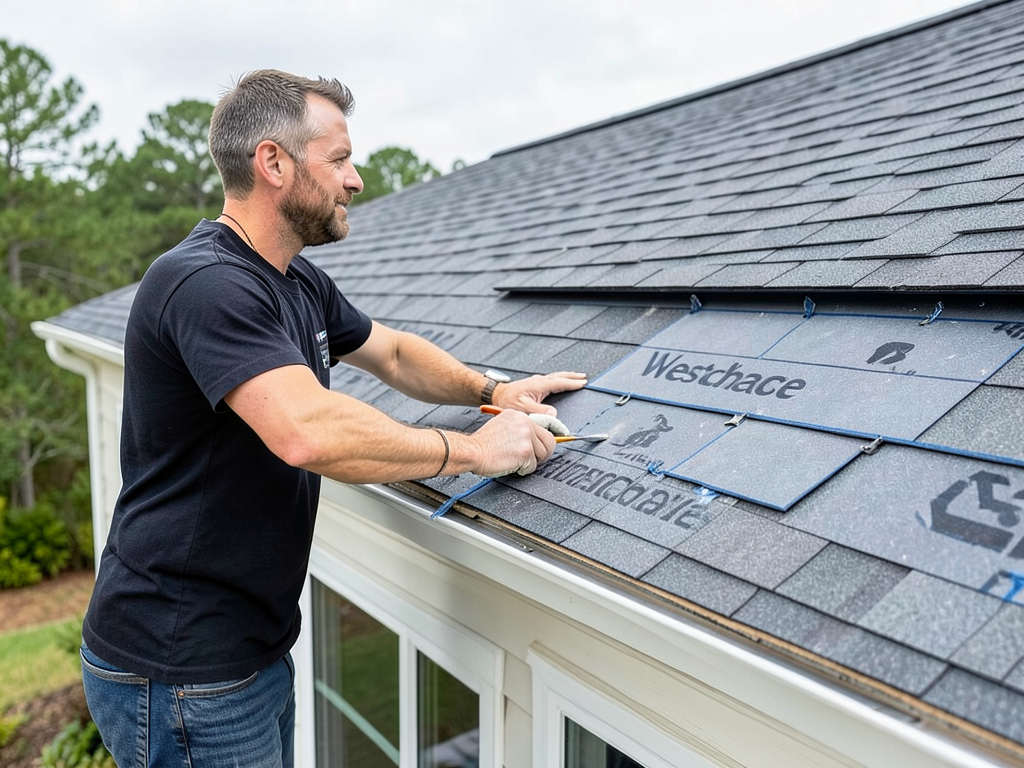
Getting Your Roof Through a Strict HOA Approval Process in Westchase
Westchase homeowners know that replacing a roof involves more than just picking materials and hiring a contractor. The Westchase Community Association maintains strict architectural standards to preserve neighborhood aesthetics and property values. Getting your roofing project approved requires understanding specific guidelines, preparing proper documentation, and following the correct approval process. This guide walks you through every step to ensure your new roof meets both HOA requirements and Florida Building Code standards. Florida Statute 720.304.
Understanding Westchase HOA Roofing Requirements
The Westchase Community Association enforces detailed roofing standards that affect every aspect of your replacement project. These requirements exist to maintain the neighborhood’s cohesive appearance and ensure all roofs meet Florida’s high wind resistance standards. Florida Building Code.
Westchase HOAs typically require specific material types, color palettes, and installation methods. Most homes in the area use architectural asphalt shingles or concrete tiles that complement the Mediterranean and contemporary architectural styles common in the community. The association maintains approved color lists that favor earth tones and muted shades to create visual harmony across streets.. Read more about Choosing the Right Roof Color to Keep Your Tampa Home Cool This Summer.
Beyond aesthetics, Westchase HOAs must comply with Hillsborough County’s high-velocity hurricane zone requirements. This means your roof must meet specific wind resistance ratings and include proper underlayment systems. The Florida Building Code Section 1609 requires roofs in Westchase to withstand winds up to 150 mph, significantly higher than many other regions.
Weight considerations also play a crucial role. If you want to switch from asphalt shingles to concrete tiles, your home’s structure must support the additional weight. Most Westchase homes built after 2000 can handle tile conversions, but older structures may require structural reinforcement.. Read more about Comparing Concrete vs Clay Tiles for Your Luxury Home in Palma Ceia.
The Architectural Review Committee (ARC) evaluates all roofing proposals. This committee reviews material samples, contractor credentials, and installation plans before granting approval. Understanding their criteria helps you prepare a successful application. Choosing the Best Roofing Contractor for Your Westchase Home.
Common HOA Roofing Restrictions in Hillsborough County
Hillsborough County HOAs share common restrictions while maintaining neighborhood-specific standards. These restrictions protect property values and ensure community-wide compliance with safety regulations.
Material limitations represent the most frequent restriction. Many HOAs allow only specific roofing materials based on neighborhood character. Westchase permits architectural asphalt shingles with minimum 130 mph wind ratings and concrete tiles meeting Florida Building Code requirements. Metal roofing faces more scrutiny due to its reflective properties and potential noise concerns. Roofing Dunedin.
Color palette requirements extend beyond simple preferences. HOAs maintain approved color charts that prevent clashing combinations between adjacent properties. Westchase favors warm earth tones like terracotta, sand, and weathered wood for tiles, while asphalt shingles must fall within specific color families that complement surrounding homes.
Weight considerations become critical when converting between materials. Concrete tiles weigh approximately 900-1,200 pounds per square (100 square feet), while asphalt shingles weigh 200-400 pounds per square. Your home’s roof structure must support the chosen material’s weight without compromising structural integrity.
Installation requirements often specify underlayment types, fastener patterns, and flashing details. Westchase HOAs typically require secondary water barriers and specific nailing patterns to meet hurricane resistance standards. These requirements align with Florida Building Code Section 15-2.7.7 for high-velocity hurricane zones.
Height restrictions may apply to certain architectural features. Roof-mounted equipment like solar panels or satellite dishes requires separate approval and must meet specific setback requirements from property lines and roof edges.
The Step-by-Step HOA Approval Process
Following the correct approval process prevents delays and ensures your roofing project moves forward smoothly. The Westchase HOA approval process typically takes 2-4 weeks from submission to final approval.
Step 1: Review HOA Documents. Before starting any work, obtain the most current Architectural Guidelines and Roofing Standards from the Westchase Community Association. These documents outline specific requirements for your neighborhood section.
Step 2: Select an Approved Contractor. Westchase HOAs require contractors to carry specific insurance coverage and maintain proper licensing. Your contractor must provide proof of Florida roofing license (CCC), general liability insurance, and workers’ compensation coverage. Navigating Roof Insurance Claims After a Storm in Tampa.
Step 3: Prepare the Application Package. The ARC application requires several documents:
- Completed HOA application form
- Contractor’s license and insurance certificates
- Material specification sheets with wind ratings
- Color samples or manufacturer brochures
- Site plan showing roof dimensions
- Photographs of existing roof conditions
Step 4: Submit Application. Submit your complete package to the Westchase ARC office. Include all required fees, typically ranging from $100-300 depending on project scope.
Step 5: ARC Review. The committee reviews applications within 10 business days. They may request additional information or clarification about specific aspects of your proposal.
Step 6: Receive Approval or Denial. If approved, you’ll receive written authorization to proceed. If denied, the committee provides specific reasons and may suggest alternative approaches.
Step 7: Obtain Building Permits. After HOA approval, secure permits from Hillsborough County Building Department. This requires submitting your approved HOA documents along with contractor license information.
Step 8: Schedule Work and Notify HOA. Before starting work, notify the HOA of your project timeline. Many associations require notification 48-72 hours before construction begins.
Step 9: Complete Work and Final Inspection. After installation, schedule a final inspection with both the county and HOA to ensure compliance with all requirements.
Step 10: Submit Completion Documentation. Provide the HOA with final documentation including warranty information, inspection reports, and any required as-built drawings.
Required Documentation for HOA Approval
Proper documentation prevents delays and demonstrates your commitment to compliance. Westchase HOAs require specific documents that prove your project meets all standards.
Contractor Credentials form the foundation of your application. You must provide:
- Florida Roofing License (CCC) number and expiration date
- Certificate of Insurance showing general liability coverage of at least $500,000
- Workers’ compensation insurance certificate
- Local business license if required by Hillsborough County
Material Documentation proves your selections meet HOA and code requirements. Include:
- Manufacturer specification sheets with Florida Building Code compliance statements
- Wind rating documentation showing minimum 130 mph resistance for asphalt or 150 mph for tile
- Color samples or digital swatches from approved color palettes
- Underlayment specification sheets showing secondary water barrier compliance
Project Documentation provides context for your proposal. Submit:
- Detailed scope of work describing removal and installation processes
- Timeline showing start and completion dates
- Waste management plan for debris removal
- Site protection measures for landscaping and property features
Visual Documentation helps the ARC understand your project. Include:
- Current roof photographs from multiple angles
- Neighbor property photos showing context
- Sample board or color chip display
- Digital renderings if available
Financial Documentation may be required for larger projects. Provide:
- Cost breakdown showing material and labor components
- Payment schedule if applicable
- Warranty information from manufacturer and contractor
Additional Approvals might be necessary. Check if you need:
- Tree removal permits if your project affects landscaping
- Solar access approvals if adding panels
- Historic district approvals if your home has special designation
Florida Statutes and Your Rights
Florida law provides specific protections for homeowners while maintaining HOA authority. Understanding these statutes helps you navigate the approval process effectively.
Florida Statute 720.304 grants HOAs authority to establish architectural standards but requires them to act reasonably and within their governing documents. This means the Westchase HOA must apply standards consistently and cannot arbitrarily deny reasonable requests.
Florida Statute 163.04 prohibits HOAs from preventing solar energy device installations, though they can regulate placement and appearance. If you want solar panels, the HOA can require specific mounting methods or color-matching but cannot outright deny the installation.
Florida Statute 553.899 requires all new roofs to meet specific wind mitigation standards. This statute mandates secondary water barriers, enhanced underlayment, and proper fastening systems in high-velocity hurricane zones like Westchase.
The Notice of Commencement requirement under Florida Statute 713.13 affects your roofing project. Your contractor must file this document with the county before starting work, protecting both you and any subcontractors involved in the project.
Insurance considerations intersect with HOA requirements. Florida Statute 627.7011 requires insurers to provide wind mitigation discounts for specific improvements. Your HOA-approved roof must include features that qualify for these discounts, such as secondary water barriers and enhanced underlayment.
Emergency provisions exist under Florida law. During declared emergencies, HOAs must expedite approvals for storm damage repairs. This provision helps homeowners quickly address damage while maintaining basic safety standards.
Dispute resolution procedures are outlined in Florida Statute 720.303. If you disagree with HOA decisions, you have the right to mediation or arbitration before pursuing legal action. Most HOAs prefer resolving disputes through these alternative methods.
Building Code compliance takes precedence over HOA preferences. If your HOA requests something that violates Florida Building Code, you have the right to refuse and cite the specific code section that prohibits the requested change.
Neighborhood Spotlight: Westchase Roofing Standards
Westchase maintains some of Tampa’s strictest roofing standards due to its planned community structure and hurricane exposure. Understanding these specific requirements helps you prepare a successful application.
Westchase divides into multiple neighborhoods, each with slightly different standards. The Greens neighborhood permits only architectural asphalt shingles in approved color families, while the Vineyards allows both shingles and concrete tiles with Mediterranean color palettes.
Wind resistance requirements in Westchase exceed basic Florida Building Code standards. While the state requires 140 mph resistance for most areas, Westchase mandates 150 mph ratings due to its exposure and the community’s commitment to long-term durability.
Color approval processes in Westchase involve physical sample submission rather than just color codes. The ARC requires actual material samples or manufacturer brochures showing exact colors. Digital photos often prove insufficient for final approval.
Installation timing restrictions affect project planning. Westchase HOAs limit construction hours to 7 AM-7 PM Monday through Friday, with limited Saturday work allowed. No construction occurs on Sundays or major holidays.
Waste management requirements exceed typical standards. Westchase requires protective barriers around landscaping, daily site cleanup, and specific debris removal procedures. Some neighborhoods mandate plywood protection for driveways and walkways.
Noise restrictions impact project scheduling. While construction noise is permitted during allowed hours, Westchase HOAs enforce strict penalties for violations. Contractors must use noise-reducing equipment when available and notify neighbors before starting particularly loud phases.
Final inspection requirements include both county and HOA representatives. The HOA may require a representative to be present during the final county inspection to ensure all community standards are met.
Documentation retention requirements exceed typical standards. Westchase HOAs maintain records of all exterior modifications and may require homeowners to provide warranty information and inspection reports for future reference.
Future modification considerations affect initial approval. If you plan to add solar panels or other features later, address these in your initial application to avoid complications with your approved roofing project.
Common Mistakes to Avoid
Understanding common pitfalls helps you avoid delays and denials. Many homeowners make these mistakes when navigating Westchase HOA approval processes.
Proceeding without approval represents the most serious mistake. Starting work before receiving HOA authorization can result in fines, mandatory removal of non-compliant materials, and difficulty selling your home later.
Using non-approved materials wastes time and money. Many homeowners select materials based on appearance alone, only to discover they don’t meet Westchase standards. Always verify materials against approved lists before purchasing.
Underestimating timeline requirements causes scheduling conflicts. The approval process takes 2-4 weeks minimum, and permit processing adds additional time. Starting too late in the season may push your project into hurricane season.
Choosing inexperienced contractors leads to compliance issues. Not all roofers understand Westchase requirements. Select contractors with specific experience in HOA-compliant installations and knowledge of Florida Building Code Section 15 requirements.
Failing to provide complete documentation delays approval. Missing insurance certificates, incomplete applications, or insufficient material documentation require additional submissions and extend approval timelines.
Ignoring weight restrictions creates structural problems. Converting from lightweight shingles to heavy tiles without proper structural assessment can damage your home and violate building codes.
Overlooking neighbor notification requirements causes complaints. Some Westchase neighborhoods require notifying adjacent property owners before starting work. Failure to do so may result in complaints to the HOA.
Neglecting final inspection requirements leaves projects incomplete. Some homeowners skip final HOA inspections, only to face issues when selling their homes or making future modifications.
Assuming verbal approvals are sufficient creates liability. Always obtain written HOA approval before starting work. Verbal assurances from board members or contractors do not constitute official authorization.
Forgetting warranty registration affects long-term protection. Many material manufacturers require warranty registration within specific timeframes. Missing these deadlines may void important coverage.
Cost Factors and Budgeting
Understanding cost factors helps you budget appropriately for your HOA-compliant roofing project. Westchase requirements often affect pricing compared to non-HOA installations.
Material costs vary significantly based on HOA requirements. Approved architectural shingles typically cost $350-500 per square, while concrete tiles range from $450-700 per square. Premium materials meeting enhanced wind ratings may cost 15-25% more than standard options.
Installation costs reflect HOA compliance requirements. Contractors familiar with Westchase standards may charge 10-15% more due to additional documentation, specific installation methods, and compliance verification processes.
HOA fees and permit costs add to your budget. Application fees range from $100-300, while Hillsborough County permits cost $150-400 depending on project scope. Some neighborhoods require additional review fees.
Structural reinforcement costs may be necessary. If converting to heavier materials, structural engineering assessments cost $300-800, while reinforcement work can add $2,000-8,000 to your project depending on scope.
Timeline considerations affect overall costs. Rush fees may apply if you need expedited approvals, while seasonal demand can increase pricing during peak roofing months.
Insurance premium impacts provide long-term savings. Wind mitigation improvements meeting Florida Statute 627.7011 requirements can reduce insurance premiums by 15-30%, potentially offsetting higher initial costs over time.
Maintenance cost differences affect lifetime ownership expenses. Premium materials meeting HOA standards often last 25-30 years versus 15-20 years for basic options, reducing long-term replacement frequency. Affordable Roof Replacement Solutions for Homeowners in Riverview.
Financing options vary by project scope. Some contractors offer HOA-specific financing programs, while home equity loans may provide tax advantages for improvement projects meeting building code requirements.
Future resale value impacts provide investment protection. HOA-compliant roofs maintain neighborhood standards, potentially increasing property values and reducing time on market when selling.
Working with Your Contractor
Selecting the right contractor proves crucial for HOA approval success. Not all roofers understand Westchase requirements or maintain proper credentials.
Experience with local HOAs matters significantly. Contractors familiar with Westchase standards understand specific requirements, common pitfalls, and successful approaches to ARC applications.
Proper licensing and insurance are non-negotiable. Your contractor must maintain active Florida roofing license (CCC), general liability insurance of at least $500,000, and workers’ compensation coverage for all employees.
Documentation capabilities affect approval success. Experienced contractors provide complete specification sheets, warranty information, and compliance documentation that satisfy both HOA and building department requirements.
Communication skills impact project coordination. Your contractor should explain requirements clearly, provide regular updates, and coordinate effectively with HOA representatives and county inspectors.. Read more about Should You Ever Pressure Wash Your Roof in Tampa? (The Short Answer is No).
Warranty offerings provide long-term protection. Quality contractors offer manufacturer warranties of 20-50 years and workmanship guarantees of at least 5 years, with some providing longer coverage for HOA-compliant installations.
Cleanup procedures affect neighborhood relations. Professional contractors implement daily cleanup protocols, use protective equipment for landscaping, and remove all debris promptly to maintain community standards.
Timeline reliability prevents project delays. Experienced contractors provide realistic schedules accounting for HOA approval timeframes, permit processing, and weather considerations specific to Tampa’s climate.
Payment structures protect both parties. Avoid contractors requiring large upfront payments. Standard practice involves incremental payments tied to project milestones with final payment due upon completion and inspection.
References from similar projects demonstrate capability. Ask for references from other Westchase homeowners or similar HOA communities to verify the contractor’s experience with strict compliance requirements.
Ongoing support matters after installation. Quality contractors provide warranty registration assistance, maintenance recommendations, and ongoing support for any issues that arise after project completion.
Emergency Situations and Expedited Approvals
Storm damage or sudden roof failures require special handling within HOA frameworks. Understanding emergency procedures helps you address urgent situations while maintaining compliance.
Florida law provides emergency provisions for storm damage. During declared emergencies, HOAs must expedite approvals for temporary repairs and essential work to prevent further damage.
Temporary protection measures often don’t require full approval. Emergency tarping or temporary patching to prevent water intrusion typically receives retroactive approval if proper documentation follows within 48-72 hours.
Insurance claim requirements intersect with HOA approval. Most insurance companies require temporary protection measures immediately following damage. Document all emergency actions with photographs and notify your HOA as soon as possible.
Expedited review processes exist for genuine emergencies. Some HOAs maintain after-hours contact procedures for urgent situations, though these typically apply only to emergency repairs rather than full replacements.
Documentation becomes even more critical during emergencies. Take extensive photographs before any work begins, document all damage with dates and times, and maintain detailed records of all emergency actions taken.
Communication with your HOA proves essential during emergencies. Notify the association immediately about damage, your intended temporary measures, and your plans for permanent repairs once the emergency passes.
Insurance adjusters often coordinate with HOAs. Many insurance companies contact HOAs directly to verify coverage and ensure proposed repairs meet community standards before issuing claim approvals.
Permit flexibility exists for emergency situations. Hillsborough County may expedite permits for storm damage repairs, though you’ll still need to meet basic safety and building code requirements.
Future compliance considerations affect emergency repairs. Temporary measures should align with eventual permanent solutions to avoid complications when completing full repairs after the emergency.
Record keeping protects your interests. Maintain all documentation related to emergency repairs, including contractor invoices, material receipts, and correspondence with your HOA and insurance company.
Final Steps and Quality Assurance
Completing your roofing project requires final steps to ensure full compliance and satisfaction. These steps protect your investment and maintain good standing with your HOA.
Final inspections verify compliance. Schedule both county building department and HOA inspections after project completion. These inspections confirm proper installation, material compliance, and adherence to all requirements.
Warranty documentation provides long-term protection. Ensure you receive all manufacturer warranties, properly completed and registered within required timeframes. Keep copies of all warranty documents in a safe location.
Maintenance guidelines extend roof life. Your contractor should provide specific maintenance recommendations for your materials and climate. Following these guidelines helps maintain warranty coverage and HOA compliance.
Documentation retention satisfies future requirements. Keep all project documentation, including permits, approvals, inspection reports, and warranty information. HOAs may request this information for future modifications or when selling your home.
Neighbor communication maintains community relations. Consider informing adjacent neighbors about your completed project, especially if they expressed concerns during the approval process.
Follow-up inspections identify potential issues early. Schedule a professional inspection 6-12 months after installation to identify any installation issues or maintenance needs before they become serious problems.. Read more about How to Tell if Your Temple Terrace Roof Just Needs a Repair or a Full Replacement.
Insurance updates ensure proper coverage. Notify your insurance company about your new roof and provide documentation of wind mitigation improvements to potentially qualify for premium discounts.
Property records should reflect changes. Update your property records with the county and your HOA to reflect your new roofing materials, colors, and any structural modifications made during the project.
Future planning considerations affect long-term satisfaction. If you plan future modifications like solar panels, address these possibilities in your initial project to avoid compatibility issues later.
Satisfaction verification ensures project success. Confirm that all work meets your expectations and HOA requirements before making final payment to your contractor.
Frequently Asked Questions
How long does the Westchase HOA roofing approval process take?
The approval process typically takes 2-4 weeks from application submission to final approval. This includes ARC review time, potential requests for additional information, and processing of your application. Factor in additional time for permit acquisition and scheduling.
Can I use any roofing contractor I want?
While Westchase HOAs don’t maintain approved contractor lists, they require specific credentials. Your contractor must hold a valid Florida roofing license (CCC), carry appropriate insurance, and demonstrate experience with HOA-compliant installations. Some contractors specialize in Westchase requirements and may be preferable.
What happens if my application is denied?
If denied, the ARC provides specific reasons for rejection. Common issues include non-approved materials, incorrect colors, or insufficient documentation. You can revise your application addressing these concerns and resubmit. Some homeowners choose to work with different contractors or materials based on feedback.
Do I need separate permits from Hillsborough County?
Yes, you need both HOA approval and county permits. The HOA approval process typically precedes permit application. You’ll submit your approved HOA documents along with contractor information to obtain county permits. Both approvals are required before starting work.
Can I make changes to my roof during the project?
Significant changes require additional HOA approval. Minor adjustments may be permissible with contractor approval, but any changes affecting materials, colors, or structural elements require formal amendment to your original approval. Always consult your HOA before making changes.
What if I discover damage during the roofing project?
Unexpected damage may require additional approvals or permits. Document all discoveries with photographs, consult with your contractor about necessary repairs, and notify your HOA if the changes affect your approved scope of work. Some damage may be covered by insurance.
How do I maintain my new roof to keep HOA compliance?
Follow manufacturer maintenance guidelines specific to your materials. Regular inspections, prompt repairs of minor issues, and keeping documentation of all maintenance activities help maintain compliance. Some HOAs require periodic inspections or maintenance reporting.
What if I want to sell my home later?
Keep all documentation related to your roofing project. Most HOAs maintain records of exterior modifications, but having your own copies of approvals, permits, and warranty information helps during the sales process. Some buyers may request verification of HOA compliance.
Are there special requirements for historic homes in Westchase?
Some Westchase neighborhoods with historic designations may have additional requirements. These might include specific material requirements, color restrictions, or installation methods that preserve architectural integrity. Check with your HOA about any special provisions for your home. Preserving the Historic Charm of Seminole Heights Roofs During a Replacement.
What insurance considerations affect my roofing project?
Your new roof may qualify for wind mitigation discounts under Florida Statute 627.7011. Document all wind-resistant features and provide this information to your insurance company. Some insurers require specific documentation or inspections to apply premium discounts.
Get Professional Help with Your HOA Roofing Project
Navigating Westchase HOA requirements doesn’t have to be overwhelming. With proper preparation and the right contractor, you can get your roofing project approved efficiently and correctly. The key is understanding requirements upfront, providing complete documentation, and working with experienced professionals who know local standards.
Don’t let HOA requirements delay your roofing project or cause unnecessary stress. Professional guidance can help you avoid common pitfalls and ensure your new roof meets all community standards while providing the protection and performance you need.
Ready to start your HOA-compliant roofing project? Call (656) 245-0955 today to schedule your free consultation. Our team understands Westchase requirements and can help you navigate the approval process smoothly.
Pick up the phone and call (656) 245-0955 before the next storm hits. Don’t risk damage to your home or complications with your HOA. We’ll help you get the right roof approved the first time.
Whether you need a simple repair or complete replacement, we’re here to help. Contact us at (656) 245-0955 to learn more about our HOA-compliant roofing services in Westchase and surrounding Tampa communities.
{
“@context”: “https://schema.org”,
“@type”: “BlogPosting”,
“headline”: “Getting Your Roof Through a Strict HOA Approval Process in Westchase”,
“description”: “Learn how to navigate Westchase HOA roofing requirements. Understand approval steps, material restrictions, and compliance with Florida Building Code to get your roof approved.”,
“wordCount”: 3880,
“datePublished”: “2026-03-08T10:06:00.000Z”,
“dateModified”: “2026-03-08T10:06:00.000Z”,
“inLanguage”: “en-US”,
“mainEntityOfPage”: {
“@type”: “WebPage”,
“@id”: “https://crestlineroofingtampa.com”
},
“publisher”: {
“@type”: “LocalBusiness”,
“name”: “Crestline Roofing Tampa”,
“url”: “https://crestlineroofingtampa.com”
},
“author”: {
“@type”: “Organization”,
“name”: “Crestline Roofing Tampa”,
“url”: “https://crestlineroofingtampa.com”
},
“image”: {
“@type”: “ImageObject”,
“url”: “https://crestlineroofingtampa.com/wp-content/uploads/2026/03/getting-your-roof-through-a-strict-hoa-approval-pr-1.png”
}
}
{
“@context”: “https://schema.org”,
“@type”: “RoofingContractor”,
“name”: “Crestline Roofing Tampa”,
“url”: “https://crestlineroofingtampa.com”,
“address”: {
“@type”: “PostalAddress”,
“addressLocality”: “Tampa”
},
“areaServed”: {
“@type”: “City”,
“name”: “Tampa”
}
}
{
“@context”: “https://schema.org”,
“@type”: “FAQPage”,
“mainEntity”: [
{
“@type”: “Question”,
“name”: “How long does the Westchase HOA roofing approval process take?”,
“acceptedAnswer”: {
“@type”: “Answer”,
“text”: “The approval process typically takes 2-4 weeks from application submission to final approval. This includes ARC review time, potential requests for additional information, and processing of your application. Factor in additional time for permit acquisition and scheduling.”
}
},
{
“@type”: “Question”,
“name”: “Can I use any roofing contractor I want?”,
“acceptedAnswer”: {
“@type”: “Answer”,
“text”: “While Westchase HOAs don’t maintain approved contractor lists, they require specific credentials. Your contractor must hold a valid Florida roofing license (CCC), carry appropriate insurance, and demonstrate experience with HOA-compliant installations. Some contractors specialize in Westchase requirements and may be preferable.”
}
},
{
“@type”: “Question”,
“name”: “What happens if my application is denied?”,
“acceptedAnswer”: {
“@type”: “Answer”,
“text”: “If denied, the ARC provides specific reasons for rejection. Common issues include non-approved materials, incorrect colors, or insufficient documentation. You can revise your application addressing these concerns and resubmit. Some homeowners choose to work with different contractors or materials based on feedback.”
}
},
{
“@type”: “Question”,
“name”: “Do I need separate permits from Hillsborough County?”,
“acceptedAnswer”: {
“@type”: “Answer”,
“text”: “Yes, you need both HOA approval and county permits. The HOA approval process typically precedes permit application. You’ll submit your approved HOA documents along with contractor information to obtain county permits. Both approvals are required before starting work.”
}
},
{
“@type”: “Question”,
“name”: “Can I make changes to my roof during the project?”,
“acceptedAnswer”: {
“@type”: “Answer”,
“text”: “Significant changes require additional HOA approval. Minor adjustments may be permissible with contractor approval, but any changes affecting materials, colors, or structural elements require formal amendment to your original approval. Always consult your HOA before making changes.”
}
},
{
“@type”: “Question”,
“name”: “What if I discover damage during the roofing project?”,
“acceptedAnswer”: {
“@type”: “Answer”,
“text”: “Unexpected damage may require additional approvals or permits. Document all discoveries with photographs, consult with your contractor about necessary repairs, and notify your HOA if the changes affect your approved scope of work. Some damage may be covered by insurance.”
}
},
{
“@type”: “Question”,
“name”: “How do I maintain my new roof to keep HOA compliance?”,
“acceptedAnswer”: {
“@type”: “Answer”,
“text”: “Follow manufacturer maintenance guidelines specific to your materials. Regular inspections, prompt repairs of minor issues, and keeping documentation of all maintenance activities help maintain compliance. Some HOAs require periodic inspections or maintenance reporting.”
}
},
{
“@type”: “Question”,
“name”: “What if I want to sell my home later?”,
“acceptedAnswer”: {
“@type”: “Answer”,
“text”: “Keep all documentation related to your roofing project. Most HOAs maintain records of exterior modifications, but having your own copies of approvals, permits, and warranty information helps during the sales process. Some buyers may request verification of HOA compliance.”
}
},
{
“@type”: “Question”,
“name”: “Are there special requirements for historic homes in Westchase?”,
“acceptedAnswer”: {
“@type”: “Answer”,
“text”: “Some Westchase neighborhoods with historic designations may have additional requirements. These might include specific material requirements, color restrictions, or installation methods that preserve architectural integrity. Check with your HOA about any special provisions for your home. Preserving the Historic Charm of Seminole Heights Roofs During a Replacement.”
}
},
{
“@type”: “Question”,
“name”: “What insurance considerations affect my roofing project?”,
“acceptedAnswer”: {
“@type”: “Answer”,
“text”: “Your new roof may qualify for wind mitigation discounts under Florida Statute 627.7011. Document all wind-resistant features and provide this information to your insurance company. Some insurers require specific documentation or inspections to apply premium discounts.”
}
}
]
}
{
“@context”: “https://schema.org”,
“@type”: “BreadcrumbList”,
“itemListElement”: [
{
“@type”: “ListItem”,
“position”: 1,
“name”: “Home”,
“item”: “https://crestlineroofingtampa.com”
},
{
“@type”: “ListItem”,
“position”: 2,
“name”: “Blog”,
“item”: “https://crestlineroofingtampa.com/blog”
},
{
“@type”: “ListItem”,
“position”: 3,
“name”: “Getting Your Roof Through a Strict HOA Approval Process in Westchase”
}
]
}
{
“@context”: “https://schema.org”,
“@type”: “Service”,
“serviceType”: “Roofing”,
“provider”: {
“@type”: “LocalBusiness”,
“name”: “Crestline Roofing Tampa”,
“url”: “https://crestlineroofingtampa.com”
},
“areaServed”: {
“@type”: “City”,
“name”: “Tampa”
},
“description”: “Learn how to navigate Westchase HOA roofing requirements. Understand approval steps, material restrictions, and compliance with Florida Building Code to get your roof approved.”
}