
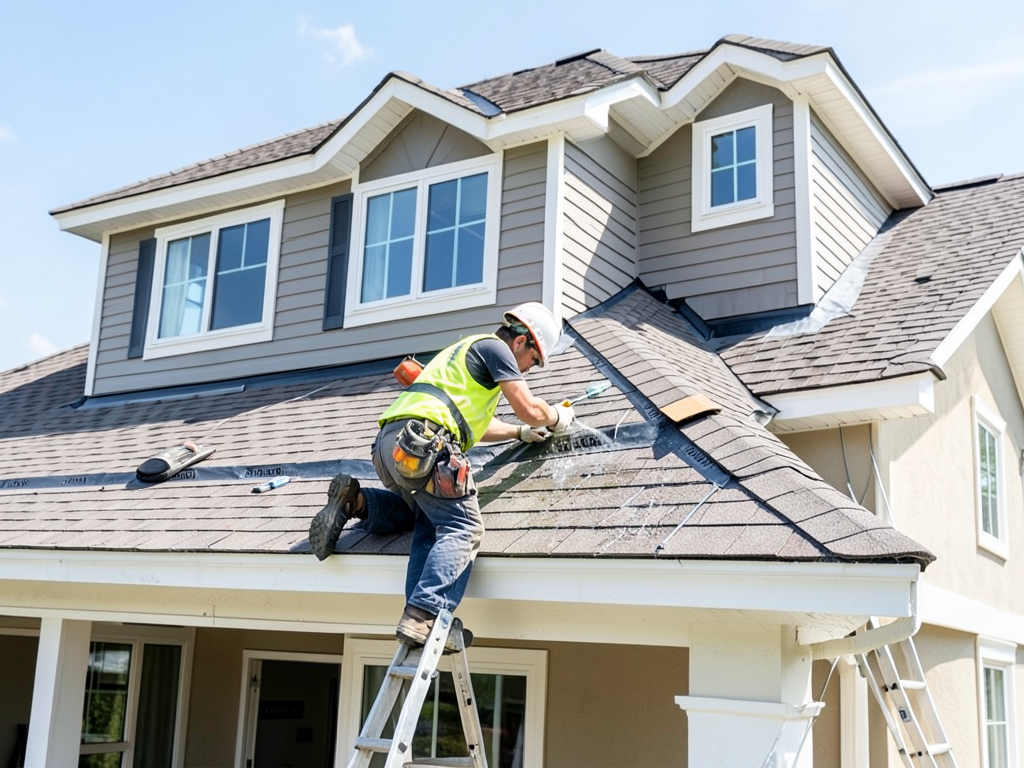
A Realistic Breakdown of Roof Replacement Costs in Tampa for 2026
If you’re a Tampa homeowner staring at a failing roof, you’re probably wondering what this is going to cost you. Let’s cut through the noise and give you the straight facts about roof replacement pricing in the Tampa Bay area for 2026. Affordable Roof Replacement Solutions for Homeowners in Riverview.
The average Tampa homeowner can expect to pay between $8,000 and $25,000 for a complete roof replacement, with most falling in the $12,000 to $18,000 range. This translates to roughly $5.00 to $12.00 per square foot installed, depending on your roof’s complexity, the materials you choose, and current market conditions.
Why such a wide range? Tampa’s unique climate, strict building codes, and material availability all play a role. A simple asphalt shingle roof on a one-story home in Carrollwood will cost significantly less than a multi-story Mediterranean-style home with concrete tile in South Tampa.
Cost by Roofing Material Type
Material selection is your biggest cost driver. Here’s what Tampa homeowners are actually paying in 2026:
| Material Type | Cost per Square (100 sq ft) | Typical Lifespan | Best For |
|---|---|---|---|
| Asphalt Shingles | $350 – $550 | 15-25 years | Budget-conscious homes, quick installs |
| Architectural Shingles | $450 – $700 | 25-30 years | Most popular choice in Tampa |
| Metal Roofing (Standing Seam) | $1,200 – $1,800 | 40-50 years | Hurricane resistance, energy efficiency |
| Concrete/Clay Tile | $800 – $1,200 | 50+ years | Mediterranean homes, premium aesthetics |
Notice that metal roofing costs significantly more upfront but offers superior hurricane protection and energy efficiency. In Tampa’s storm-prone climate, many homeowners find the investment worthwhile. Choosing the Best Roofing Contractor for Your Westchase Home.
Factors That Drive Up Tampa Roofing Prices
Several Tampa-specific factors can add thousands to your roof replacement cost:
- Roof Pitch and Complexity
Steeper roofs (anything above 6:12 pitch) require additional safety equipment and take longer to install. Complex rooflines with multiple valleys, dormers, or skylights can add 15-30% to labor costs.
- Number of Stories
Two-story homes require more setup time, longer material transport, and additional safety measures. Expect to pay 20-25% more than a comparable single-story home.
- Tear-Off Requirements
Florida building code prohibits more than two layers of roofing material. If your home has existing layers that need removal, add $1.00 to $2.50 per square foot for tear-off and disposal. Florida Building Code.
- Secondary Water Barrier
Since Hurricane Charlie in 2004, Florida requires a secondary water barrier on all new roofs. This peel-and-stick membrane along the roof edges adds $500 to $1,500 to most projects.
- Wind Mitigation Upgrades
Hillsborough County requires enhanced fastening systems for roofs in wind zones. This includes six nails per shingle instead of four and upgraded starter strips, adding $300 to $800 to most jobs. Hillsborough County Building Department.
During our inspections, we often find hidden damage that increases costs. Water-damaged decking, rotted fascia boards, or outdated ventilation systems are common discoveries once we strip the old roof.
Hillsborough County Permitting and Building Code Requirements
Tampa homeowners must navigate specific permitting requirements that affect both timeline and cost:
Hillsborough County charges $275 to $450 for residential roofing permits, depending on your home’s square footage. The process typically takes 3-5 business days. However, if your home is in a historic district like Ybor City or Seminole Heights, additional review may be required. Preserving the Historic Charm of Seminole Heights Roofs During a Replacement.
Florida Building Code (FBC) Section 15 mandates specific requirements for Tampa roofs:
- Minimum 130 mph wind rating for most Hillsborough County homes
- Class A fire rating for all asphalt shingles
- Ice and water shield in all valleys and around penetrations
- Enhanced nailing patterns with ring-shank nails
These aren’t optional upgrades—they’re code requirements that protect your home and family. Cutting corners to save money can result in failed inspections, fines, and insurance complications. Navigating Roof Insurance Claims After a Storm in Tampa.
Insurance Considerations and Current Market Conditions
Florida’s insurance market has created additional complexities for Tampa homeowners. Many insurance companies now require specific documentation and materials:
Effective January 2026, most major insurers require a secondary water barrier and enhanced nailing patterns for coverage. Some companies offer premium discounts of 5-15% for roofs installed with these features.
The current supply chain situation has stabilized somewhat compared to 2022-2023, but material costs remain 15-20% higher than pre-pandemic levels. Asphalt shingles, in particular, saw price increases due to petroleum-based manufacturing costs.
During our consultations, we help homeowners understand how their roofing choices affect insurance premiums and coverage. Some materials qualify for better rates, while others might trigger additional requirements from your insurer. Roofing Dunedin.
Financing Options for Tampa Homeowners
Understanding that roof replacement represents a significant investment, many Tampa homeowners explore financing options:
| Financing Option | Typical Terms | Best For |
|---|---|---|
| Home Equity Loan | 5-15 years, 6-9% APR | Homeowners with equity |
| Personal Loan | 2-7 years, 8-15% APR | Quick approval, no home collateral |
| Roofing Company Financing | 12-60 months, 0-7% APR | Promotional rates, convenience |
| Insurance Claim Proceeds | N/A | Storm-damaged roofs |
We work with several local credit unions and financing companies that understand Tampa’s housing market. These partnerships often result in better rates and faster approvals for our customers.
What’s Included in a Professional Roof Replacement
When comparing quotes, understand what’s actually included:
A comprehensive roof replacement should include:
- Complete tear-off of existing roofing materials
- Inspection and replacement of damaged decking
- Installation of new underlayment and secondary water barrier
- Enhanced fastening system per FBC requirements
- Ice and water shield in valleys and around penetrations
- Starter strips and ridge cap shingles
- Proper ventilation installation or upgrade
- Permitting and code compliance
- Cleanup and disposal of all materials
- Manufacturer’s warranty on materials
- Workmanship warranty (typically 5-10 years)
Be wary of quotes that seem too good to be true. Missing components often lead to callbacks, water damage, and voided warranties.
Red Flags and Questions to Ask Your Roofer
Before signing any contract, ask these critical questions:
- Can you provide proof of Florida roofing license and insurance?
- Will you obtain all necessary permits?
- What manufacturer warranties are available on your materials?
- Do you use subcontractors or employ your own crews?
- How do you handle unexpected damage discovered during tear-off?
- Can you provide references from recent Tampa projects?
- What’s your cleanup process and daily work schedule?
Legitimate roofers welcome these questions. Be extremely cautious of contractors who pressure you to sign quickly or ask for large upfront payments.
Timing Your Roof Replacement in Tampa
Timing affects both cost and convenience. Tampa’s roofing season runs year-round, but certain periods offer advantages:
Late winter (February-March) often sees the best pricing as contractors compete for early-season work. However, summer storms can delay projects, and hurricane season (June-November) creates high demand.
If your roof is showing signs of failure but isn’t actively leaking, planning your replacement during the off-season can save you 5-10% compared to emergency replacements during peak demand.
Call (656) 245-0955 Today to Schedule Your Inspection
Don’t wait until water is dripping through your ceiling. A professional inspection can identify problems early, potentially saving you thousands in damage and allowing you to plan your investment on your timeline.
Our certified inspectors provide honest assessments without high-pressure sales tactics. We’ll show you exactly what we find, explain your options clearly, and help you make the best decision for your home and budget.
Call (656) 245-0955 today to schedule your free inspection. We serve all of Tampa Bay including Carrollwood, Brandon, Riverview, and surrounding communities. Your home deserves expert care from local professionals who understand Tampa’s unique roofing challenges.
Frequently Asked Questions
How long does a typical roof replacement take in Tampa?
Most residential roof replacements in Tampa take 1-3 days, depending on roof size, complexity, and weather conditions. Simple one-story homes might be completed in a single day, while complex multi-story homes can take 3-4 days.
Will my homeowner’s insurance cover roof replacement?
Insurance typically covers roof replacement only if damage is caused by a covered peril like wind, hail, or fallen trees. Normal wear and tear or age-related failure is not covered. Some policies offer replacement cost value (RCV) while others provide actual cash value (ACV) which factors in depreciation.
What’s the best roofing material for Tampa’s climate?
Architectural asphalt shingles remain the most popular choice due to their balance of cost, performance, and warranty. However, metal roofing offers superior hurricane resistance and energy efficiency. Concrete tile provides excellent longevity but requires proper installation and maintenance.
How can I tell if I need a full replacement vs. repairs?
Multiple factors determine this: roof age (typically 15-20 years for asphalt), extent of damage, number of previous repairs, and current condition of underlying decking. If your roof is over 15 years old and has widespread issues, replacement is usually more cost-effective than repeated repairs.
Do I need to be home during the roof replacement?
You don’t need to be present the entire time, but someone should be available for the first hour to discuss any concerns and for final walkthrough. Most homeowners find it convenient to be away during the noisiest demolition phase, returning for the completion inspection.
{
“@context”: “https://schema.org”,
“@type”: “BlogPosting”,
“headline”: “A Realistic Breakdown of Roof Replacement Costs in Tampa for 2026”,
“description”: “Get honest 2026 pricing for roof replacement in Tampa. Learn material costs, permitting fees, and factors that affect your final price from local experts.”,
“wordCount”: 1503,
“datePublished”: “2026-03-04T09:58:00.000Z”,
“dateModified”: “2026-03-04T09:58:00.000Z”,
“inLanguage”: “en-US”,
“mainEntityOfPage”: {
“@type”: “WebPage”,
“@id”: “https://crestlineroofingtampa.com”
},
“publisher”: {
“@type”: “LocalBusiness”,
“name”: “Crestline Roofing Tampa”,
“url”: “https://crestlineroofingtampa.com”
},
“author”: {
“@type”: “Organization”,
“name”: “Crestline Roofing Tampa”,
“url”: “https://crestlineroofingtampa.com”
},
“image”: {
“@type”: “ImageObject”,
“url”: “https://crestlineroofingtampa.com/wp-content/uploads/2026/03/a-realistic-breakdown-of-roof-replacement-costs-in-1.png”
}
}
{
“@context”: “https://schema.org”,
“@type”: “RoofingContractor”,
“name”: “Crestline Roofing Tampa”,
“url”: “https://crestlineroofingtampa.com”,
“address”: {
“@type”: “PostalAddress”,
“addressLocality”: “Tampa”
},
“areaServed”: {
“@type”: “City”,
“name”: “Tampa”
}
}
{
“@context”: “https://schema.org”,
“@type”: “FAQPage”,
“mainEntity”: [
{
“@type”: “Question”,
“name”: “How long does a typical roof replacement take in Tampa?”,
“acceptedAnswer”: {
“@type”: “Answer”,
“text”: “Most residential roof replacements in Tampa take 1-3 days, depending on roof size, complexity, and weather conditions. Simple one-story homes might be completed in a single day, while complex multi-story homes can take 3-4 days.”
}
},
{
“@type”: “Question”,
“name”: “Will my homeowner’s insurance cover roof replacement?”,
“acceptedAnswer”: {
“@type”: “Answer”,
“text”: “Insurance typically covers roof replacement only if damage is caused by a covered peril like wind, hail, or fallen trees. Normal wear and tear or age-related failure is not covered. Some policies offer replacement cost value (RCV) while others provide actual cash value (ACV) which factors in depreciation.”
}
},
{
“@type”: “Question”,
“name”: “What’s the best roofing material for Tampa’s climate?”,
“acceptedAnswer”: {
“@type”: “Answer”,
“text”: “Architectural asphalt shingles remain the most popular choice due to their balance of cost, performance, and warranty. However, metal roofing offers superior hurricane resistance and energy efficiency. Concrete tile provides excellent longevity but requires proper installation and maintenance.”
}
},
{
“@type”: “Question”,
“name”: “Do I need to be home during the roof replacement?”,
“acceptedAnswer”: {
“@type”: “Answer”,
“text”: “You don’t need to be present the entire time, but someone should be available for the first hour to discuss any concerns and for final walkthrough. Most homeowners find it convenient to be away during the noisiest demolition phase, returning for the completion inspection.”
}
}
]
}
{
“@context”: “https://schema.org”,
“@type”: “HowTo”,
“name”: “Cost Factors Analysis”,
“step”: [
{
“@type”: “HowToStep”,
“position”: 1,
“name”: “Roof Pitch and Complexity”,
“text”: “Steeper roofs (anything above 6:12 pitch) require additional safety equipment and take longer to install. Complex rooflines with multiple valleys, dormers, or skylights can add 15-30% to labor costs.”
},
{
“@type”: “HowToStep”,
“position”: 2,
“name”: “Number of Stories”,
“text”: “Two-story homes require more setup time, longer material transport, and additional safety measures. Expect to pay 20-25% more than a comparable single-story home.”
},
{
“@type”: “HowToStep”,
“position”: 3,
“name”: “Tear-Off Requirements”,
“text”: “Florida building code prohibits more than two layers of roofing material. If your home has existing layers that need removal, add $1.00 to $2.50 per square foot for tear-off and disposal. Florida Building Code.”
},
{
“@type”: “HowToStep”,
“position”: 4,
“name”: “Secondary Water Barrier”,
“text”: “Since Hurricane Charlie in 2004, Florida requires a secondary water barrier on all new roofs. This peel-and-stick membrane along the roof edges adds $500 to $1,500 to most projects.”
},
{
“@type”: “HowToStep”,
“position”: 5,
“name”: “Wind Mitigation Upgrades”,
“text”: “Hillsborough County requires enhanced fastening systems for roofs in wind zones. This includes six nails per shingle instead of four and upgraded starter strips, adding $300 to $800 to most jobs. Hillsborough County Building Department.”
}
],
“image”: “https://crestlineroofingtampa.com/wp-content/uploads/2026/03/a-realistic-breakdown-of-roof-replacement-costs-in-1.png”
}
{
“@context”: “https://schema.org”,
“@type”: “BreadcrumbList”,
“itemListElement”: [
{
“@type”: “ListItem”,
“position”: 1,
“name”: “Home”,
“item”: “https://crestlineroofingtampa.com”
},
{
“@type”: “ListItem”,
“position”: 2,
“name”: “Blog”,
“item”: “https://crestlineroofingtampa.com/blog”
},
{
“@type”: “ListItem”,
“position”: 3,
“name”: “A Realistic Breakdown of Roof Replacement Costs in Tampa for 2026”
}
]
}
{
“@context”: “https://schema.org”,
“@type”: “Service”,
“serviceType”: “Roofing”,
“provider”: {
“@type”: “LocalBusiness”,
“name”: “Crestline Roofing Tampa”,
“url”: “https://crestlineroofingtampa.com”
},
“areaServed”: {
“@type”: “City”,
“name”: “Tampa”
},
“description”: “Get honest 2026 pricing for roof replacement in Tampa. Learn material costs, permitting fees, and factors that affect your final price from local experts.”
}