
Living near MacDill Air Force Base means enjoying waterfront views and coastal breezes, but those same salt-laden winds can destroy your roof faster than you think. The humid Tampa climate combined with salt spray creates a perfect storm of corrosion that eats through standard roofing materials in just a few years. Choosing the Best Roofing Contractor for Your Westchase Home.
Choosing the right corrosion-resistant roofing material isn’t just about durability—it’s about protecting your home’s value and avoiding costly replacements every 5-7 years. This guide breaks down exactly which materials stand up to Tampa’s harsh coastal conditions and what Florida Building Code requirements you need to meet. Florida Building Code.
Why Tampa Homeowners Need Corrosion-Resistant Roofing
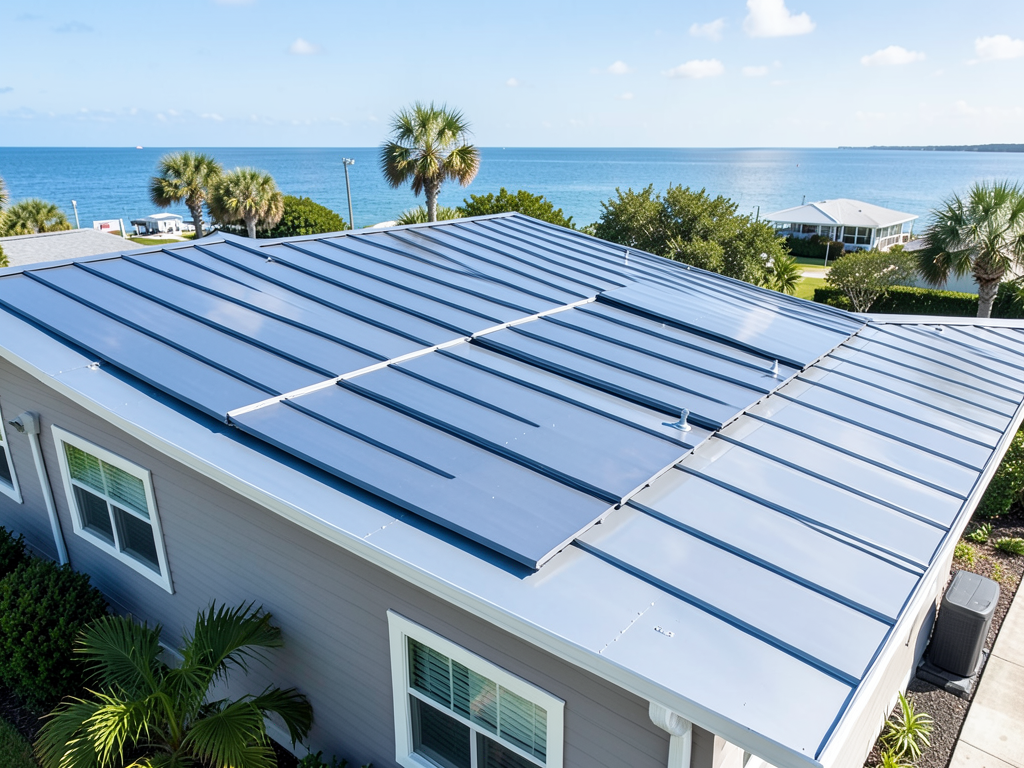
The salt-air problem near MacDill is unique because of Tampa Bay’s geography. Salt particles travel farther inland than most homeowners realize, with corrosion rates increasing dramatically within 1,500 feet of the bay. Even homes in Palma Ceia or Beach Park, several miles from the water, experience accelerated oxidation due to Tampa’s high humidity and frequent afternoon thunderstorms.
Standard galvanized steel roofing typically fails within 8-10 years in coastal Tampa, while aluminum and specially coated materials can last 30+ years. The difference comes down to how salt ions penetrate protective layers and create microscopic pitting that eventually leads to structural failure. Roofing Dunedin.
The Science of Salt-Air Corrosion on the Florida Coast
Salt-air corrosion works through electrolysis. When salt (sodium chloride) mixes with moisture in the air, it creates an electrolyte solution that accelerates electron transfer between different metals. This process is especially aggressive in Tampa’s climate, where average humidity stays above 70% year-round.
The Florida Building Code (FBC) specifically addresses coastal construction in High Velocity Hurricane Zones (HVHZ). Section 1609.8 requires enhanced corrosion protection for all metal components within 3,000 feet of saltwater. This includes not just the roofing panels but also fasteners, flashing, and edge metal. Roofing Saint Petersburg.
Top 5 Corrosion-Resistant Roofing Materials for Tampa Homes
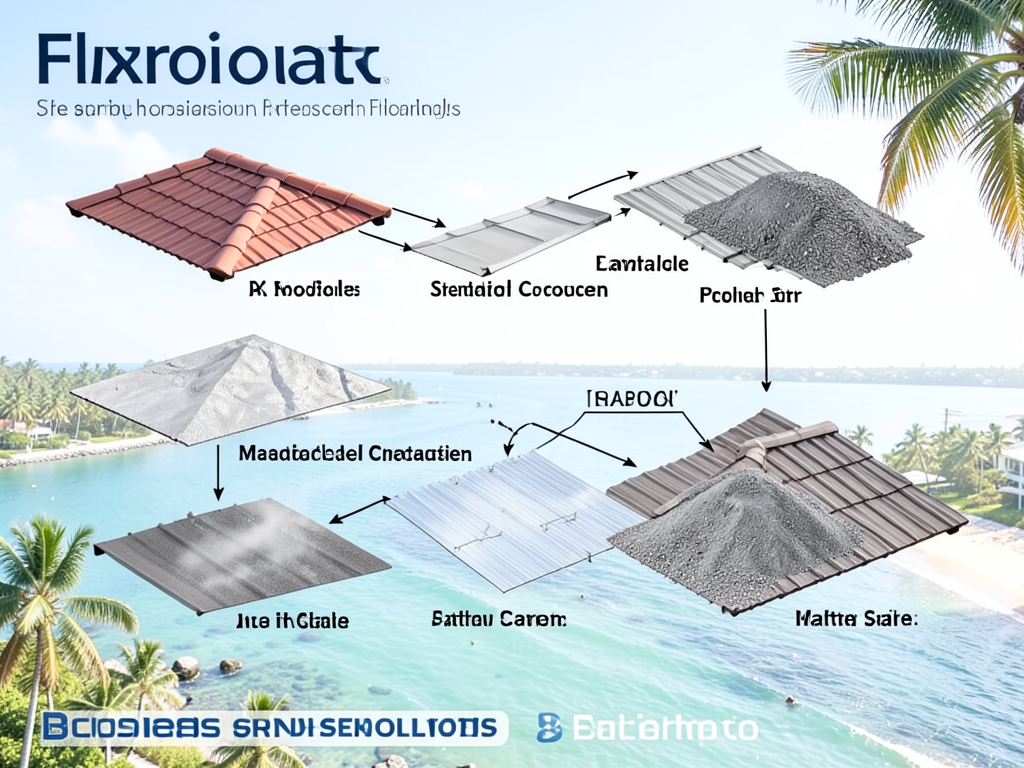
| Material | Corrosion Resistance | Typical Lifespan (Coastal) | Cost per Square |
|---|---|---|---|
| Aluminum (3105 Alloy) | Excellent | 30-40 years | $350-450 |
| Galvalume (AZ55) | Very Good | 25-30 years | $280-380 |
| Copper | Excellent | 50+ years | $800-1,200 |
| Clay Tile | Excellent | 40-50 years | $450-650 |
| Synthetic Shake | Excellent | 30-35 years | $320-420 |
Aluminum roofing offers the best balance of cost and corrosion resistance for most Tampa homeowners. The 3105 alloy specifically resists saltwater pitting and maintains its structural integrity even after decades of exposure. Unlike steel, aluminum doesn’t require sacrificial coatings that eventually fail.
Aluminum vs. Galvalume: Which is Better for Saltwater Exposure?
Galvalume roofing contains a zinc-aluminum alloy coating that provides good protection in moderate coastal environments. However, within 1,500 feet of Tampa Bay, galvalume’s zinc component becomes sacrificial too quickly, leaving the steel substrate vulnerable to pitting.
The key difference is in the metallurgy. Aluminum forms a stable oxide layer that self-heals when scratched. Galvalume’s zinc oxide layer continues to dissolve over time, especially in Tampa’s high-humidity environment where moisture constantly renews the electrolyte solution.
For homes in Apollo Beach or near Gandy Bridge, aluminum is worth the extra upfront cost. The material pays for itself by avoiding the 8-10 year replacement cycle common with galvalume in high-salt environments. Affordable Roof Replacement Solutions for Homeowners in Riverview.
The Role of Protective Coatings: Kynar 500 and Beyond
Even the best metal substrate needs protection from Tampa’s intense UV exposure. Kynar 500 (polyvinylidene fluoride) coatings provide superior color retention and chalk resistance compared to standard acrylic finishes. These fluoropolymer coatings maintain their gloss for 20+ years in direct Florida sunlight.
The ASTM B117 salt spray test shows Kynar 500 coatings lasting 2,000+ hours without failure, while standard polyester coatings fail in under 500 hours. This difference matters in Tampa, where afternoon thunderstorms create constant moisture exposure. ASTM B117 salt spray test.
Newer coating technologies like Kynar Aquatec offer even better performance for coastal applications, with enhanced flexibility to accommodate thermal expansion and contraction without cracking.
Installation Best Practices to Prevent Galvanic Corrosion
Galvanic corrosion occurs when dissimilar metals touch in the presence of an electrolyte. In Tampa’s humid climate, this process happens rapidly and can destroy a roof from the inside out. The Florida Building Code requires specific fastener materials based on proximity to saltwater.
For coastal installations within 3,000 feet of saltwater, use 316 stainless steel fasteners instead of galvanized. The molybdenum in 316-grade stainless provides superior resistance to chloride-induced pitting. For areas beyond 3,000 feet but within 5,000 feet, 304 stainless offers adequate protection at a lower cost.
Proper underlayment is equally critical. Synthetic underlayments resist moisture absorption better than traditional felt, preventing the electrolyte solution from forming between the roof deck and metal panels.. Read more about Considering Synthetic Slate for Your Custom Build in Culbreath Isles.
Florida Building Code Requirements for Coastal Properties
Section 1609.8 of the FBC mandates specific requirements for coastal construction. For properties within 1,500 feet of mean high tide, all metal roofing components must meet ASTM B117 salt spray resistance of at least 1,000 hours. Fasteners must be stainless steel or aluminum, never galvanized.
Wind mitigation is another critical factor. Tampa’s coastal areas require roofing systems rated for at least 150 mph winds. This typically means mechanically fastened panels rather than adhesive-only systems, which can fail during tropical storms.
Building permits for coastal roofing must include engineering calculations demonstrating compliance with both corrosion resistance and wind uplift requirements. Skipping these permits can void manufacturer warranties and create insurance problems. Navigating Roof Insurance Claims After a Storm in Tampa.
Maintenance Tips: Extending the Life of Your Coastal Roof
Even the best corrosion-resistant materials need regular maintenance in Tampa’s harsh environment. Annual inspections should check for salt accumulation, especially on north-facing slopes where rain doesn’t wash debris away as effectively.
Fresh water rinsing removes salt deposits before they can create electrolyte solutions. A garden hose with moderate pressure works better than pressure washing, which can damage protective coatings. Focus on areas around chimneys, vents, and other roof penetrations where salt accumulates.
Check sealants annually and replace any showing signs of deterioration. Silicone sealants generally outperform polyurethane in coastal environments due to better UV resistance and flexibility.
Local Case Study: A Davis Islands Success Story
A recent project in the 33606 zip code demonstrates the long-term value of proper material selection. The homeowner chose aluminum roofing with Kynar 500 coating and 316 stainless fasteners for their waterfront property. Five years later, the roof shows no signs of corrosion, while neighboring homes with standard materials already show visible deterioration.
The key difference was following FBC requirements from the start. The contractor used proper edge metal with aluminum substrate instead of galvanized steel, preventing the most common failure point in coastal roofing systems.
Cost-Benefit Analysis: Premium Materials vs. Replacement Cycles
Premium corrosion-resistant roofing costs 30-50% more upfront than standard materials. However, when you factor in Tampa’s climate, the premium option becomes the better investment. A $10,000 premium roof lasting 30 years costs $333 annually. A $7,000 standard roof lasting 8 years costs $875 annually, plus the hassle of replacement.
Insurance companies often offer premium discounts for impact-resistant and corrosion-resistant roofing. These discounts can offset 10-15% of the initial cost difference over the roof’s lifetime.
Making the Right Choice for Your MacDill-Area Home
Your specific location relative to Tampa Bay should drive your material selection. Homes within 1,500 feet of the water need premium aluminum with Kynar 500 coating and 316 stainless fasteners. Properties between 1,500 and 3,000 feet can use high-quality galvalume with proper coatings. Beyond 3,000 feet, standard materials with good maintenance may suffice.
Consider your home’s architectural style as well. Mediterranean Revival homes in Beach Park often look best with clay tile or copper, while contemporary homes in Palma Ceia suit the clean lines of standing seam metal roofing.
Frequently Asked Questions
How close to the water do I need corrosion-resistant roofing?
Salt spray can travel up to 5 miles inland in Tampa’s climate, but corrosion rates increase dramatically within 1,500 feet of the bay. For properties in this zone, premium materials are essential.
Will my homeowners insurance require specific roofing materials?
Insurance companies often require documentation of material specifications and installation methods for coastal properties. Some insurers offer premium discounts for impact-resistant and corrosion-resistant roofing that meets Florida Building Code standards.
How often should I inspect my coastal roof?
Annual inspections are minimum for coastal properties. Check after major storms and at the start of hurricane season. Look for salt accumulation, sealant deterioration, and any signs of metal corrosion.
Can I install corrosion-resistant roofing myself?
Coastal roofing requires specialized knowledge of Florida Building Code requirements and proper installation techniques. DIY installation often voids manufacturer warranties and can create safety hazards during storms.
- Assess Your Location
Determine your distance from Tampa Bay and check if you’re in a high-velocity hurricane zone. This drives material requirements.
- Check Local Codes
Review Florida Building Code Section 1609.8 requirements for your specific zone. Coastal properties have stricter fastener and coating requirements.
- Select Materials
Choose aluminum or premium galvalume with appropriate coatings based on your proximity to saltwater. Don’t forget stainless steel fasteners.
- Verify Contractor Credentials
Ensure your roofing contractor understands coastal installation requirements and can provide engineering calculations for permits.
- Plan Maintenance
Schedule annual inspections and freshwater rinsing to maximize your roof’s lifespan in Tampa’s harsh coastal environment.
Don’t let salt air destroy your home’s most important defense against Tampa’s storms. The right roofing material can save you thousands in premature replacements and protect your home for decades.
Call (656) 245-0955 today to schedule your inspection. Our coastal roofing specialists understand exactly what your MacDill-area home needs to withstand salt spray, hurricane winds, and Florida’s intense UV exposure. We’ll provide a detailed assessment and help you choose materials that meet Florida Building Code requirements while fitting your budget and home’s style.
Pick up the phone and call (656) 245-0955 before the next storm season hits. Your home deserves roofing that lasts, not another replacement in 8 years.
You may also find this helpful. Dealing with Rusted Drip Edges and Flashings on Older Homes in Armenia Gardens.
{
“@context”: “https://schema.org”,
“@type”: “BlogPosting”,
“headline”: “The Best Roofing Materials for Withstanding Salty Air Near MacDill Air Force Base”,
“description”: “Discover corrosion-resistant roofing materials proven to withstand Tampa’s salty coastal air. Learn about aluminum, galvalume, and protective coatings that meet Florida Building Code standards.”,
“wordCount”: 1643,
“datePublished”: “2026-03-18T09:18:00.000Z”,
“dateModified”: “2026-03-18T09:18:00.000Z”,
“inLanguage”: “en-US”,
“mainEntityOfPage”: {
“@type”: “WebPage”,
“@id”: “https://crestlineroofingtampa.com”
},
“publisher”: {
“@type”: “LocalBusiness”,
“name”: “Crestline Roofing Tampa”,
“url”: “https://crestlineroofingtampa.com”
},
“author”: {
“@type”: “Organization”,
“name”: “Crestline Roofing Tampa”,
“url”: “https://crestlineroofingtampa.com”
},
“image”: {
“@type”: “ImageObject”,
“url”: “https://crestlineroofingtampa.com/wp-content/uploads/2026/03/the-best-roofing-materials-for-withstanding-salty-1.png”
}
}
{
“@context”: “https://schema.org”,
“@type”: “RoofingContractor”,
“name”: “Crestline Roofing Tampa”,
“url”: “https://crestlineroofingtampa.com”,
“address”: {
“@type”: “PostalAddress”,
“addressLocality”: “Tampa”
},
“areaServed”: {
“@type”: “City”,
“name”: “Tampa”
}
}
{
“@context”: “https://schema.org”,
“@type”: “FAQPage”,
“mainEntity”: [
{
“@type”: “Question”,
“name”: “Aluminum vs. Galvalume: Which is Better for Saltwater Exposure?”,
“acceptedAnswer”: {
“@type”: “Answer”,
“text”: “Galvalume roofing contains a zinc-aluminum alloy coating that provides good protection in moderate coastal environments. However, within 1,500 feet of Tampa Bay, galvalume’s zinc component becomes sacrificial too quickly, leaving the steel substrate vulnerable to pitting.”
}
},
{
“@type”: “Question”,
“name”: “How close to the water do I need corrosion-resistant roofing?”,
“acceptedAnswer”: {
“@type”: “Answer”,
“text”: “Salt spray can travel up to 5 miles inland in Tampa’s climate, but corrosion rates increase dramatically within 1,500 feet of the bay. For properties in this zone, premium materials are essential.”
}
},
{
“@type”: “Question”,
“name”: “Will my homeowners insurance require specific roofing materials?”,
“acceptedAnswer”: {
“@type”: “Answer”,
“text”: “Insurance companies often require documentation of material specifications and installation methods for coastal properties. Some insurers offer premium discounts for impact-resistant and corrosion-resistant roofing that meets Florida Building Code standards.”
}
},
{
“@type”: “Question”,
“name”: “How often should I inspect my coastal roof?”,
“acceptedAnswer”: {
“@type”: “Answer”,
“text”: “Annual inspections are minimum for coastal properties. Check after major storms and at the start of hurricane season. Look for salt accumulation, sealant deterioration, and any signs of metal corrosion.”
}
},
{
“@type”: “Question”,
“name”: “Can I install corrosion-resistant roofing myself?”,
“acceptedAnswer”: {
“@type”: “Answer”,
“text”: “Coastal roofing requires specialized knowledge of Florida Building Code requirements and proper installation techniques. DIY installation often voids manufacturer warranties and can create safety hazards during storms.”
}
}
]
}
{
“@context”: “https://schema.org”,
“@type”: “HowTo”,
“name”: “How to Choose Coastal Roofing”,
“step”: [
{
“@type”: “HowToStep”,
“position”: 1,
“name”: “Assess Your Location”,
“text”: “Determine your distance from Tampa Bay and check if you’re in a high-velocity hurricane zone. This drives material requirements.”
},
{
“@type”: “HowToStep”,
“position”: 2,
“name”: “Check Local Codes”,
“text”: “Review Florida Building Code Section 1609.8 requirements for your specific zone. Coastal properties have stricter fastener and coating requirements.”
},
{
“@type”: “HowToStep”,
“position”: 3,
“name”: “Select Materials”,
“text”: “Choose aluminum or premium galvalume with appropriate coatings based on your proximity to saltwater. Don’t forget stainless steel fasteners.”
},
{
“@type”: “HowToStep”,
“position”: 4,
“name”: “Verify Contractor Credentials”,
“text”: “Ensure your roofing contractor understands coastal installation requirements and can provide engineering calculations for permits.”
},
{
“@type”: “HowToStep”,
“position”: 5,
“name”: “Plan Maintenance”,
“text”: “Schedule annual inspections and freshwater rinsing to maximize your roof’s lifespan in Tampa’s harsh coastal environment.”
}
],
“image”: “https://crestlineroofingtampa.com/wp-content/uploads/2026/03/the-best-roofing-materials-for-withstanding-salty-1.png”
}
{
“@context”: “https://schema.org”,
“@type”: “BreadcrumbList”,
“itemListElement”: [
{
“@type”: “ListItem”,
“position”: 1,
“name”: “Home”,
“item”: “https://crestlineroofingtampa.com”
},
{
“@type”: “ListItem”,
“position”: 2,
“name”: “Blog”,
“item”: “https://crestlineroofingtampa.com/blog”
},
{
“@type”: “ListItem”,
“position”: 3,
“name”: “The Best Roofing Materials for Withstanding Salty Air Near MacDill Air Force Base”
}
]
}
{
“@context”: “https://schema.org”,
“@type”: “Service”,
“serviceType”: “Roofing”,
“provider”: {
“@type”: “LocalBusiness”,
“name”: “Crestline Roofing Tampa”,
“url”: “https://crestlineroofingtampa.com”
},
“areaServed”: {
“@type”: “City”,
“name”: “Tampa”
},
“description”: “Discover corrosion-resistant roofing materials proven to withstand Tampa’s salty coastal air. Learn about aluminum, galvalume, and protective coatings that meet Florida Building Code standards.”
}