
Why Granule Loss on Your Shingles is a Bigger Deal Than You Think
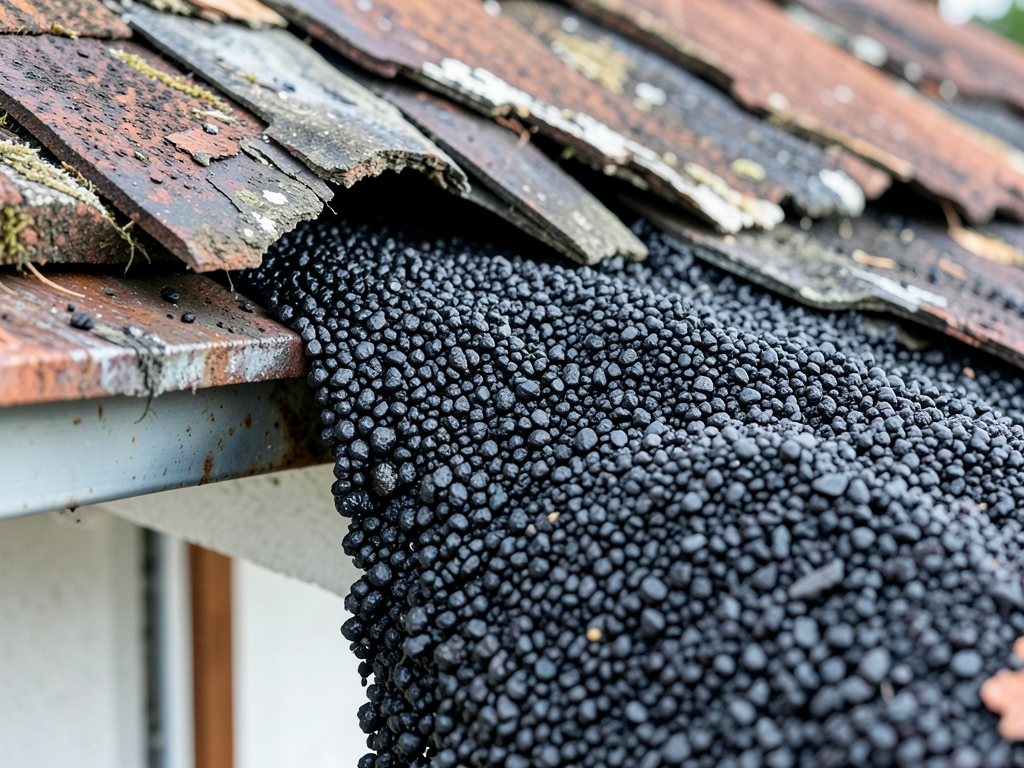
If you have noticed tiny black or brown granules collecting in your gutters or washing out of downspouts you are not alone. This is one of the most common early warning signs that your asphalt shingle roof is deteriorating. Many Tampa homeowners see this sand-like material and wonder if it is normal wear or a serious problem. The truth is granule loss is more than just cosmetic. It is a clear indicator that your roof is losing its protective armor against Florida’s brutal sun wind and rain. Florida Building Code.
The ceramic-coated minerals on your shingles act like sunscreen for the asphalt underneath. When those granules disappear the asphalt becomes vulnerable to UV radiation which causes it to dry out crack and eventually fail. In Tampa’s high-heat climate this process can accelerate quickly turning a small issue into a major leak or insurance claim. If you are seeing significant granule loss it is time to take a closer look before the next afternoon thunderstorm finds its way into your attic. asphalt roofing manufacturers.
What Causes Granule Loss on Tampa Roofs
Florida’s unique weather patterns create the perfect storm for shingle degradation. The intense UV index in Hillsborough County which averages over 6.0 for most of the year bakes the asphalt and breaks down the chemical bonds holding granules in place. Add in the thermal shock from rapid temperature swings between hot days and cool nights and you have a recipe for accelerated aging. Each expansion and contraction cycle loosens more granules until bare patches appear.
Tropical storms and hurricanes bring another layer of damage. High winds can scour granules off the surface while flying debris creates impact points that strip away protective coating. Salt air in coastal areas like Dunedin and St. Petersburg accelerates corrosion of the granule adhesion layer. Even something as simple as walking on your roof for holiday light installation can knock loose a significant amount of granules if the shingles are already brittle. Roofing Dunedin.
Algae growth is another hidden culprit. The dark streaks you see on many Florida roofs are caused by Gloeocapsa magma a cyanobacteria that feeds on the limestone filler in shingles. As it spreads it creates a moist environment that breaks down the asphalt and loosens granules. This is especially common on north-facing slopes that stay shaded and damp. The combination of biological growth UV exposure and salt air means Tampa roofs often age twice as fast as those in cooler climates.. Read more about Those Ugly Black Streaks on Your Carrollwood Village Roof (And Why They Aren’t Just Dirt).
How to Tell if Your Granule Loss is Normal or Dangerous
New shingles naturally shed some loose granules during the first few months after installation. This is just excess material from the manufacturing process and is not a cause for concern. However if your roof is more than five years old and you are finding large amounts of granules in your gutters or seeing bald spots on the shingles you have a problem. A good rule of thumb is if you can see the asphalt mat or if the shingle surface looks shiny instead of textured the protective layer is gone. Finding a Reliable Tile Roof Repair Specialist in South Tampa.
Check your gutters after the next rain. If the bottom looks like it is lined with coarse black sand you are likely losing granules faster than normal. Another sign is finding granules in your yard or driveway after a windy day. This means the loss is severe enough that wind is carrying the material off the roof entirely. In older roofs this often indicates the shingles have reached the end of their useful life even if they still look intact from the ground.
The age of your roof matters. Three-tab shingles in Florida typically last 12 to 15 years while architectural shingles can go 20 to 25 years with proper maintenance. If your roof is approaching or past these timelines and you are seeing granule loss it is a strong signal that replacement should be planned soon. Waiting too long can lead to leaks water damage and higher energy bills as your attic loses its insulating layer. Affordable Roof Replacement Solutions for Homeowners in Riverview.
The Hidden Costs of Ignoring Granule Loss
Many homeowners make the mistake of thinking granule loss is just a cosmetic issue. In reality it sets off a chain reaction of damage. Once the asphalt is exposed to UV rays it begins to oxidize and become brittle. This makes the shingles more likely to crack during the next storm. Brittle shingles also lose their flexibility which means they cannot expand and contract with temperature changes leading to more granule loss in a vicious cycle.
Water infiltration is the next major risk. As shingles lose their protective layer they become more porous. Small cracks that would normally be sealed by granules now allow water to seep into the roof deck. In Tampa’s humid climate this moisture can lead to wood rot mold growth and even structural damage to rafters and trusses. The cost to repair a rotted roof deck is often several times more than replacing shingles before the damage occurs.
Energy efficiency also takes a hit. Granules help reflect sunlight keeping your attic cooler. Without them your roof absorbs more heat which raises indoor temperatures and forces your air conditioner to work harder. This can increase cooling costs by 10 to 15 percent during peak summer months. In a state where air conditioning can account for half your electric bill that adds up quickly.
Insurance companies are also paying closer attention to roof condition. Many Florida carriers now require a four-point inspection for homes over a certain age. If your roof shows significant granule loss or other signs of deterioration they may decline coverage or charge a much higher premium. In some cases they will issue a deadline for replacement. Ignoring the problem can leave you without insurance exactly when you need it most. Navigating Roof Insurance Claims After a Storm in Tampa.
How to Inspect Your Roof Safely
Before you climb a ladder take a look from the ground with binoculars. Check for missing shingles curling edges or areas that look darker than the rest. If you see any of these signs or if you are uncomfortable on a ladder call a professional. Walking on a roof with granule loss can be dangerous because the surface may be slick or the shingles may crack under your weight.
If you do inspect from a ladder wear rubber-soled shoes for traction and never lean over the edge. Check the roof valleys where granules tend to accumulate first. These areas take the most water flow and show wear patterns early. Also look at the southern exposure which gets the most sun. If you see shiny or bald patches in these high-stress zones the damage is likely widespread.
Gutter inspection is another key step. Remove the downspout screens and check the bottom of the gutter. If you see a layer of coarse black granules that matches the color of your shingles you have confirmed the loss. Take a few photos to show a roofing contractor. This documentation can also be useful if you need to file an insurance claim for storm damage. Choosing the Best Roofing Contractor for Your Westchase Home.
When to Repair vs Replace
Not every case of granule loss means you need a full replacement. If the loss is isolated to one area and your roof is under 10 years old a repair might be sufficient. This is common after a severe storm or if a branch fell on one section. A professional can replace the damaged shingles and extend the life of the roof for several more years.
However if the loss is widespread or your roof is over 15 years old replacement is usually the better investment. Modern shingles offer improved UV resistance and wind ratings that meet or exceed Florida Building Code requirements. Upgrading now can prevent emergency repairs during hurricane season and may even qualify you for insurance discounts.
The decision also depends on your plans for the home. If you plan to sell within the next few years a new roof can increase property value and make your home more attractive to buyers. In Tampa’s competitive market a roof in good condition can be the difference between a quick sale and a listing that sits for months.
Protecting Your Investment in Tampa’s Climate
Florida’s climate is uniquely harsh on roofing materials. The combination of high UV index salt air and frequent storms means even the best shingles will degrade faster here than in other parts of the country. That is why it is critical to choose materials rated for High Velocity Hurricane Zones and to follow manufacturer installation guidelines exactly.
Regular maintenance can add years to your roof’s life. This includes cleaning gutters twice a year to prevent granule buildup removing debris that can trap moisture and trimming overhanging branches that drop leaves and create shade for algae growth. A professional inspection every two to three years can catch problems early when they are less expensive to fix.
If you live near the coast in areas like Dunedin or St. Petersburg consider upgrading to algae-resistant shingles. These have a higher copper content that inhibits the growth of Gloeocapsa magma. While they cost more upfront they can save you money on cleaning and extend the time between replacements. Some insurance companies even offer discounts for roofs with these features.
Proper attic ventilation is another often overlooked factor. In Florida’s heat a poorly ventilated attic can reach temperatures over 150 degrees. This superheats the shingles from below accelerating granule loss and reducing lifespan. Ridge vents soffit vents and powered attic fans can all help keep temperatures down and protect your investment.
Understanding Florida Building Code Requirements
Tampa roofing projects must comply with the Florida Building Code which has specific requirements for wind resistance and material quality. For most of Hillsborough County shingles must be rated for at least 120 mph winds. In some coastal areas the requirement is higher. Using under-rated materials or skipping required underlayment can void your warranty and leave you exposed if a storm hits.
The code also mandates specific nailing patterns and fastener types. For example in High Velocity Hurricane Zones shingles must be nailed with a minimum of six nails per sheet not the four used in many other states. Skipping this step or using the wrong nails can lead to shingles blowing off in the first tropical storm. A licensed contractor will know these requirements and ensure your roof meets them.
Another key provision is the requirement for secondary water barrier in certain applications. This self-adhering membrane is installed along the eaves and in valleys to provide backup protection if shingles are damaged. It is a small added cost that can prevent major leaks and is required for new construction and many re-roofing projects in Florida.
Finally the code requires a building permit and inspection for most roofing work. This ensures the work meets safety standards and that proper materials are used. Skipping permits to save money can lead to fines and may cause problems if you ever need to file an insurance claim or sell your home.
Frequently Asked Questions
How much granule loss is normal on a new roof?
A small amount of granule loss in the first few months is normal and is just loose material from manufacturing. If you are seeing large piles in your gutters or bare spots on shingles the loss is excessive and should be evaluated.
Can I pressure wash my roof to remove algae and regain granules?
Pressure washing is not recommended for asphalt shingles. It can strip away more granules and damage the asphalt mat. Soft washing with appropriate chemicals is safer but best done by a professional to avoid voiding your warranty.
Will my insurance cover granule loss?
Insurance typically covers sudden damage from storms but not gradual wear and tear. If your granule loss is due to a covered event like hail or wind damage you may be eligible for a claim. Document the damage with photos and get a professional inspection.
How can I prevent granule loss in the future?
Choose high-quality shingles rated for Florida’s climate install proper attic ventilation and keep your roof clean of debris. Annual inspections can catch problems early. If you live near the coast consider algae-resistant shingles to reduce biological growth.
What is the best time of year to replace a roof in Tampa?
Spring and fall offer the most comfortable working conditions and the lowest risk of tropical storms. However reputable contractors work year-round. If your roof is showing signs of failure do not wait for the perfect season as delays can lead to more damage.

Take Action Before the Next Storm
Granule loss is not just a minor cosmetic issue. It is a warning sign that your roof is losing its ability to protect your home from Florida’s harsh climate. If you are seeing large amounts of granules in your gutters or noticing bare spots on your shingles it is time to get a professional inspection. The cost of an inspection is small compared to the expense of emergency repairs or water damage from a failed roof.
At Crestline Roofing Tampa we have been helping homeowners throughout Hillsborough and Pinellas counties protect their investments for years. Our team understands the unique challenges of Florida’s climate and follows all Florida Building Code requirements to ensure your roof is built to last. We offer free inspections and can help you navigate insurance claims if storm damage is involved.
Call (656) 245-0955 today to schedule your inspection. Do not wait until the next afternoon thunderstorm finds its way into your attic. A quick call now can save you thousands in repairs and give you peace of mind knowing your home is protected. Pick up the phone and call (656) 245-0955 before the next storm hits.
{
“@context”: “https://schema.org”,
“@type”: “BlogPosting”,
“headline”: “Why Granule Loss on Your Shingles is a Bigger Deal Than You Think”,
“description”: “Granule loss on your shingles signals serious roof damage. Learn how Tampa’s harsh climate accelerates deterioration and what to do before costly repairs hit.”,
“wordCount”: 2336,
“datePublished”: “2026-03-22T16:32:00.000Z”,
“dateModified”: “2026-03-22T16:32:00.000Z”,
“inLanguage”: “en-US”,
“mainEntityOfPage”: {
“@type”: “WebPage”,
“@id”: “https://crestlineroofingtampa.com”
},
“publisher”: {
“@type”: “LocalBusiness”,
“name”: “Crestline Roofing Tampa”,
“url”: “https://crestlineroofingtampa.com”
},
“author”: {
“@type”: “Organization”,
“name”: “Crestline Roofing Tampa”,
“url”: “https://crestlineroofingtampa.com”
},
“image”: {
“@type”: “ImageObject”,
“url”: “https://crestlineroofingtampa.com/wp-content/uploads/2026/03/why-granule-loss-on-your-shingles-is-a-bigger-deal-1.png”
}
}
{
“@context”: “https://schema.org”,
“@type”: “RoofingContractor”,
“name”: “Crestline Roofing Tampa”,
“url”: “https://crestlineroofingtampa.com”,
“address”: {
“@type”: “PostalAddress”,
“addressLocality”: “Tampa”
},
“areaServed”: {
“@type”: “City”,
“name”: “Tampa”
}
}
{
“@context”: “https://schema.org”,
“@type”: “FAQPage”,
“mainEntity”: [
{
“@type”: “Question”,
“name”: “How much granule loss is normal on a new roof?”,
“acceptedAnswer”: {
“@type”: “Answer”,
“text”: “A small amount of granule loss in the first few months is normal and is just loose material from manufacturing. If you are seeing large piles in your gutters or bare spots on shingles the loss is excessive and should be evaluated.”
}
},
{
“@type”: “Question”,
“name”: “Can I pressure wash my roof to remove algae and regain granules?”,
“acceptedAnswer”: {
“@type”: “Answer”,
“text”: “Pressure washing is not recommended for asphalt shingles. It can strip away more granules and damage the asphalt mat. Soft washing with appropriate chemicals is safer but best done by a professional to avoid voiding your warranty.”
}
},
{
“@type”: “Question”,
“name”: “Will my insurance cover granule loss?”,
“acceptedAnswer”: {
“@type”: “Answer”,
“text”: “Insurance typically covers sudden damage from storms but not gradual wear and tear. If your granule loss is due to a covered event like hail or wind damage you may be eligible for a claim. Document the damage with photos and get a professional inspection.”
}
},
{
“@type”: “Question”,
“name”: “How can I prevent granule loss in the future?”,
“acceptedAnswer”: {
“@type”: “Answer”,
“text”: “Choose high-quality shingles rated for Florida’s climate install proper attic ventilation and keep your roof clean of debris. Annual inspections can catch problems early. If you live near the coast consider algae-resistant shingles to reduce biological growth.”
}
},
{
“@type”: “Question”,
“name”: “What is the best time of year to replace a roof in Tampa?”,
“acceptedAnswer”: {
“@type”: “Answer”,
“text”: “Spring and fall offer the most comfortable working conditions and the lowest risk of tropical storms. However reputable contractors work year-round. If your roof is showing signs of failure do not wait for the perfect season as delays can lead to more damage.”
}
}
]
}
{
“@context”: “https://schema.org”,
“@type”: “BreadcrumbList”,
“itemListElement”: [
{
“@type”: “ListItem”,
“position”: 1,
“name”: “Home”,
“item”: “https://crestlineroofingtampa.com”
},
{
“@type”: “ListItem”,
“position”: 2,
“name”: “Blog”,
“item”: “https://crestlineroofingtampa.com/blog”
},
{
“@type”: “ListItem”,
“position”: 3,
“name”: “Why Granule Loss on Your Shingles is a Bigger Deal Than You Think”
}
]
}
{
“@context”: “https://schema.org”,
“@type”: “Service”,
“serviceType”: “Roofing”,
“provider”: {
“@type”: “LocalBusiness”,
“name”: “Crestline Roofing Tampa”,
“url”: “https://crestlineroofingtampa.com”
},
“areaServed”: {
“@type”: “City”,
“name”: “Tampa”
},
“description”: “Granule loss on your shingles signals serious roof damage. Learn how Tampa’s harsh climate accelerates deterioration and what to do before costly repairs hit.”
}