
Why FishHawk Homes Often Experience Standing Water on Screen Enclosure Roofs
FishHawk homeowners know the frustration of stepping onto their lanai after a summer thunderstorm only to find puddles pooling on the screen enclosure roof. This isn’t just an aesthetic issue. Standing water on aluminum screen roofs creates breeding grounds for mosquitoes, accelerates corrosion, and can lead to structural damage that costs thousands to repair. The problem stems from FishHawk’s unique combination of architectural design, Tampa’s intense rainfall patterns, and the specific engineering challenges of screen enclosure drainage systems.
The good news is that understanding why water pools in these areas helps you prevent it. Most FishHawk screen enclosures use aluminum pan systems that require precise pitch and adequate drainage capacity. When these systems fail, water accumulates quickly during our afternoon thunderstorms, creating the exact scenario you’re experiencing. Let’s examine what causes this problem and how to fix it before it leads to more serious damage.
Common Signs of Screen Enclosure Drainage Problems
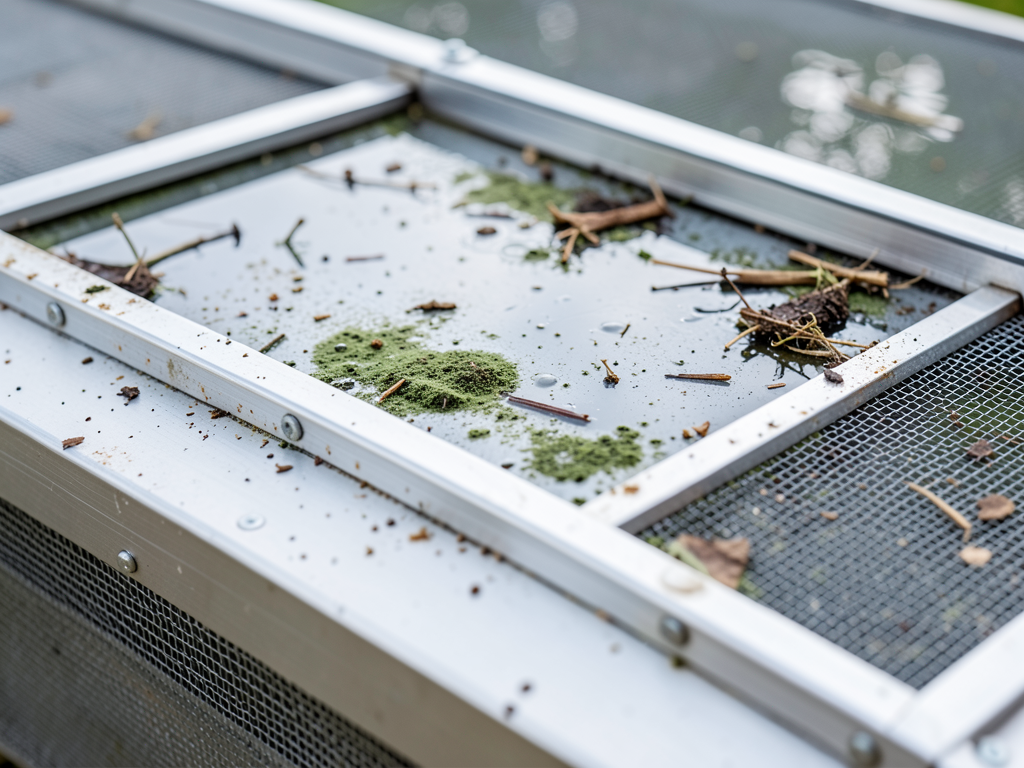
Before diving into solutions, you need to identify whether your screen enclosure has a drainage issue. The symptoms are usually obvious once you know what to look for. Water that remains pooled on the roof surface 24-48 hours after rainfall indicates inadequate slope or blocked drainage channels. You might also notice water dripping from the perimeter edges during light rain, suggesting overflow from clogged gutters.
Mold and algae growth on the underside of the aluminum pan or along the header beams signals chronic moisture exposure. This creates a slippery, unsightly surface that can also harbor bacteria. During heavy storms, you may observe water cascading over the edges like a waterfall, which means your drainage system cannot handle peak flow volumes. These visible signs often appear before structural damage becomes apparent, giving you time to address the issue.
Another telltale sign is the sound your roof makes during rainfall. A properly draining system produces minimal noise, while water sloshing and gurgling indicates restricted flow. You might also notice water stains on your lanai deck or patio furniture, suggesting overflow from the enclosure’s perimeter. These symptoms typically worsen over time as debris accumulates and sealant deteriorates.
Technical Breakdown of Super Gutter Failures
The primary culprit behind standing water in FishHawk screen enclosures is Super Gutter failure. Super Gutter refers to the integrated box gutter system that runs along the header beam where the screen enclosure attaches to your home. This system is designed to capture water from both the house roof and the screen enclosure, channeling it to downspouts. When Super Gutter fails, water has nowhere to go.
Super Gutter systems in FishHawk typically consist of aluminum channels with integrated sealant strips. Over time, these sealants degrade due to Tampa’s intense UV exposure and thermal cycling. The Florida Building Code (FBC) requires specific sealant types for exterior applications, but many original installations used materials that couldn’t withstand our climate. When sealants fail, water seeps behind the gutter, causing wood rot in the header beam and creating hidden structural damage. Florida Building Code requirements.
Another common failure point is the pitch of the Super Gutter itself. Florida Building Code mandates minimum slopes for drainage systems, typically 1/4 inch per foot for gutters. However, screen enclosure installations often have less pitch due to installation errors or settling. Combined with Tampa’s average rainfall intensity of 2-3 inches per hour during summer storms, even slight negative slopes create pooling conditions. The result is water that sits rather than flows, leading to the standing water you observe. Florida Department of Health mosquito guidance.
Debris accumulation compounds these problems. FishHawk’s mature oak trees shed leaves, twigs, and pollen that clog Super Gutter channels. Pine needles from nearby Longleaf pines create particularly stubborn blockages. When debris combines with degraded sealants and inadequate pitch, the drainage system becomes completely overwhelmed during heavy rainfall events.
Tampa-Specific Climate Challenges
Tampa’s climate creates unique challenges for screen enclosure drainage that FishHawk homeowners must understand. Our region experiences approximately 50 inches of rainfall annually, concentrated in the summer months. However, the intensity matters more than the total volume. Tampa’s afternoon thunderstorms can deliver 1-2 inches of rain in 30 minutes, creating flow rates that exceed standard drainage system capacities.
High humidity levels, averaging 75% year-round, prevent standing water from evaporating quickly. While Phoenix might see 2 inches of rain evaporate within hours, Tampa’s moisture-laden air keeps water pooled for days. This extended exposure accelerates corrosion of aluminum components and creates ideal conditions for algae and mosquito breeding. The Florida Department of Health specifically warns about standing water in residential areas due to West Nile virus and Zika virus risks.
Wind patterns during tropical storms and hurricanes also affect drainage. FishHawk’s location inland from Tampa Bay means we experience both sustained winds and intense gusts. These winds can drive rain horizontally under roof edges, overwhelming standard drip edges and causing water to back up into the Super Gutter system. Hurricane season, from June through November, coincides with our wettest months, creating a perfect storm of drainage challenges.
Temperature fluctuations cause expansion and contraction of aluminum components. Tampa experiences temperature swings of 30-40 degrees between day and night during spring and fall. This thermal cycling loosens fasteners, creates gaps in sealant joints, and can even warp aluminum pans over time. The result is a drainage system that gradually loses its integrity through seasonal changes rather than sudden failure.
Effective Solutions for Standing Water Problems
Addressing standing water requires a systematic approach that tackles both immediate symptoms and underlying causes. The first step is professional inspection to identify specific failure points in your drainage system. A qualified Tampa roofing contractor will check Super Gutter pitch, sealant integrity, downspout capacity, and structural connections. This diagnostic process typically takes 1-2 hours and reveals whether you need minor repairs or complete system replacement. Choosing the Best Roofing Contractor for Your Westchase Home.
For minor issues, cleaning and resealing Super Gutter channels often resolves the problem. This involves removing debris, replacing degraded sealant with FBC-compliant materials, and ensuring proper pitch. Professional-grade sealants like polyurethane or silicone specifically rated for Florida’s climate provide 5-7 year durability compared to the 2-3 years of standard products. Downspout extensions may also be necessary to handle increased flow volumes during peak rainfall.. Read more about Professional Waterproofing for Commercial Rooftop Decks in Channelside.
More severe cases require structural modifications. Installing additional downspouts can increase drainage capacity by 50-75%. These should be positioned at low points where water naturally accumulates. Another effective solution is adding crickets or diverters to redirect water flow. These small roof features, similar to those used on chimney flashing, prevent water from pooling in valleys where the screen enclosure meets the house roof.
For chronic problems, re-pitching the entire aluminum pan system may be necessary. This involves removing the existing roof, adjusting support structures, and reinstalling with proper slope. While more expensive upfront, this solution addresses the root cause rather than managing symptoms. The Florida Building Code specifies minimum slopes for drainage, and bringing your system into compliance prevents future issues.
Screen enclosure gutters require specialized guards designed for our climate. Standard mesh guards clog quickly with oak leaves and pine needles. Instead, consider solid covers with overflow channels or perforated systems that allow water through while blocking debris. These guards reduce maintenance requirements from monthly to quarterly while improving drainage performance during heavy storms.
Professional vs. DIY Repair Considerations
While some homeowners attempt DIY repairs on screen enclosure drainage issues, the complexity of these systems often makes professional intervention necessary. Screen enclosures involve structural aluminum framing, specialized sealants, and precise engineering that requires specific tools and expertise. Attempting repairs without proper knowledge can void warranties, create safety hazards, or cause more extensive damage.
Professional contractors bring several advantages to drainage repairs. They understand Florida Building Code requirements for screen structures, have access to commercial-grade materials not available at home improvement stores, and can identify hidden damage that DIY inspections miss. A professional assessment includes checking header beam integrity, fastener corrosion, and potential code violations that could affect insurance coverage or future home sales. Navigating Roof Insurance Claims After a Storm in Tampa.
DIY repairs might seem cost-effective for simple cleaning or minor sealant replacement. However, the risks increase significantly when dealing with structural components. Aluminum framing connections require specific torque specifications and corrosion-resistant fasteners. Improper installation can lead to system failure during the next major storm, potentially causing injury or property damage. Additionally, working at heights on screen enclosures presents fall hazards that professional contractors are trained to manage safely. Affordable Roof Replacement Solutions for Homeowners in Riverview.
The cost difference between DIY and professional repair often narrows when considering long-term outcomes. Professional repairs typically include warranties, use higher-quality materials, and address root causes rather than symptoms. This approach prevents recurring problems that would require multiple DIY attempts, ultimately saving money and frustration. For FishHawk homeowners dealing with standing water, the investment in professional expertise often pays for itself through improved system longevity and peace of mind.
Maintenance Schedule to Prevent Future Issues
Preventing standing water requires ongoing maintenance rather than one-time repairs. FishHawk’s climate and vegetation create conditions that demand regular attention to screen enclosure drainage systems. Establishing a maintenance schedule helps you catch problems early before they escalate into costly repairs or structural damage.
Quarterly inspections should include checking Super Gutter channels for debris accumulation, examining sealant joints for cracking or separation, and verifying that downspouts remain clear. Pay particular attention after major storm events, as high winds can deposit debris and loosen connections. Look for early signs of water damage, such as discoloration on header beams or rust on aluminum components.
Seasonal maintenance should address specific challenges. Spring requires thorough cleaning to remove oak pollen and winter debris. Summer demands checking drainage capacity before hurricane season, when systems face their greatest stress. Fall focuses on leaf removal, particularly from oak and maple trees common in FishHawk. Winter maintenance, though less intensive, should still include inspections for any damage from summer storms.
Professional maintenance services can provide comprehensive care that DIY efforts might miss. These services typically include pressure washing to remove algae and mold, resealing joints with weather-appropriate materials, tightening structural connections, and testing drainage flow rates. Many FishHawk homeowners find that annual professional maintenance prevents the need for major repairs while extending the life of their screen enclosure systems.
Documenting maintenance activities helps track system performance over time. Note when you observe standing water, the duration of pooling, and any repairs performed. This information proves valuable for warranty claims and helps identify patterns that might indicate developing problems. Consistent maintenance not only prevents standing water but also protects your investment in outdoor living space.
Frequently Asked Questions
How much does it cost to fix standing water on a screen enclosure roof?
Repair costs vary significantly based on the extent of damage and required solutions. Minor cleaning and resealing typically range from $300 to $800. Adding downspouts or gutter guards costs $500 to $1,500. Complete system re-pitching or Super Gutter replacement can range from $2,000 to $5,000. Professional inspections usually cost $150 to $300 but often reveal issues that prevent more expensive emergency repairs later.
Will my homeowner’s insurance cover screen enclosure drainage repairs?
Standard homeowner’s insurance policies typically exclude coverage for drainage system failures and routine maintenance issues. However, damage resulting from covered perils like windstorms or falling trees might be covered if it affects the screen enclosure. Always document damage with photos and contact your insurance provider before undertaking major repairs. Some policies offer optional coverage for screen enclosures as separate structures.
How long should standing water remain on a screen enclosure roof?
Standing water should drain completely within 24-48 hours after rainfall ends. Water remaining longer indicates inadequate slope, blocked drainage, or system failure. Prolonged standing water creates mosquito breeding conditions within 7-10 days and accelerates corrosion of aluminum components. If you observe water pooling beyond 48 hours, schedule professional inspection to identify and address the underlying cause.
Can I install additional downspouts myself to improve drainage?
While technically possible, installing downspouts requires structural modifications that affect the screen enclosure’s integrity. Professional installation ensures proper attachment to load-bearing components, correct sizing for flow capacity, and compliance with local building codes. DIY installations risk creating new leak points, compromising structural stability, or violating warranty terms. Professional installation typically includes warranties that protect your investment.
How often should screen enclosure gutters be cleaned?
In FishHawk’s environment, screen enclosure gutters require cleaning every 3-4 months minimum. Areas with heavy tree coverage may need monthly cleaning during peak shedding seasons. Professional cleaning services can perform this maintenance more efficiently and often include inspection for developing problems. Installing appropriate gutter guards can extend cleaning intervals to 6-12 months while improving overall system performance.
What building codes apply to screen enclosure drainage in FishHawk?
Screen enclosures in Hillsborough County must comply with the Florida Building Code, specifically sections related to aluminum structures, wind load requirements, and drainage systems. The code mandates minimum slopes for drainage (typically 1/4 inch per foot), specific sealant types for exterior applications, and structural connections capable of withstanding 140+ mph winds. Local permitting requirements may also apply to modifications or repairs.
Can standing water damage the structure of my screen enclosure?
Yes, standing water can cause significant structural damage over time. Prolonged moisture exposure leads to aluminum corrosion, wood rot in header beams, and fastener degradation. Water weight also creates stress on support structures, potentially causing frame deformation. In severe cases, accumulated water can exceed the design load capacity, leading to partial or complete structural failure during storms.
Are there specific products designed for Florida screen enclosure drainage?
Several manufacturers produce drainage products specifically engineered for Florida’s climate. These include UV-resistant sealants with 10+ year lifespans, aluminum components with marine-grade finishes, and gutter guards designed for oak leaf and pine needle resistance. Professional contractors often have access to commercial-grade products not available at retail stores, offering better durability and performance in our challenging environment.
How can I tell if my screen enclosure was built to code?
Determining code compliance requires professional inspection, as many issues aren’t visible to untrained observers. Signs of potential non-compliance include inadequate slope, missing permits, use of interior-grade materials outdoors, or connections that don’t meet current wind load requirements. If your enclosure was built before 2002, it likely doesn’t meet current code standards. Professional inspectors can verify compliance and identify necessary upgrades.
What’s the best time of year to address drainage issues?
The optimal time for drainage repairs is late winter or early spring, before the summer rainy season begins. This timing allows you to address issues before they’re tested by heavy rainfall and provides time for materials to cure properly. However, emergency repairs should be addressed immediately regardless of season to prevent further damage or safety hazards.

Don’t Let Standing Water Damage Your Screen Enclosure
Standing water on your screen enclosure roof isn’t just an inconvenience. It’s a warning sign of drainage system failure that can lead to costly repairs if ignored. FishHawk’s combination of heavy rainfall, high humidity, and mature tree coverage creates perfect conditions for drainage problems. Understanding the causes helps you take appropriate action before minor issues become major structural concerns.
Professional inspection and repair ensure your screen enclosure meets Florida Building Code requirements while addressing the specific challenges of our Tampa climate. Whether you need simple cleaning and resealing or complete system modifications, addressing standing water promptly protects your investment and maintains the usability of your outdoor living space.
Ready to solve your screen enclosure drainage problems? Call (656) 245-0955 today to schedule your professional inspection. Our experienced team understands the unique challenges FishHawk homeowners face and provides solutions that last through our intense Florida weather. Don’t wait for the next storm to reveal how serious your drainage issues have become.
- Schedule Professional Inspection
Contact a licensed Tampa roofing contractor to assess your drainage system. They’ll check Super Gutter pitch, sealant integrity, and structural connections. Roofing Dunedin.
- Clean and Clear Debris
Remove all leaves, pine needles, and debris from gutters and downspouts. This often resolves minor drainage issues immediately.
- Repair or Replace Sealant
Apply FBC-compliant sealants to all joints and connections. Use products specifically rated for Florida’s UV exposure and humidity.
- Adjust Pitch if Necessary
Ensure proper slope (minimum 1/4 inch per foot) to promote water flow toward downspouts rather than allowing pooling.
- Install Appropriate Gutter Guards
Add guards designed for oak leaves and pine needles to reduce maintenance while improving drainage performance.
You may also find this helpful. Comparing TPO and Modified Bitumen for Small Business Roofs in North Tampa.
You may also find this helpful. Upgrading to 6-Inch Seamless Gutters to Handle Heavy Rainfall in Riverview.
{
“@context”: “https://schema.org”,
“@type”: “BlogPosting”,
“headline”: “Why FishHawk Homes Often Experience Standing Water on Screen Enclosure Roofs”,
“description”: “Discover why FishHawk screen enclosures trap water and how Tampa’s climate and building designs create drainage problems. Learn the solutions from local experts.”,
“wordCount”: 2742,
“datePublished”: “2026-04-07T08:28:00.000Z”,
“dateModified”: “2026-04-07T08:28:00.000Z”,
“inLanguage”: “en-US”,
“mainEntityOfPage”: {
“@type”: “WebPage”,
“@id”: “https://crestlineroofingtampa.com”
},
“publisher”: {
“@type”: “LocalBusiness”,
“name”: “Crestline Roofing Tampa”,
“url”: “https://crestlineroofingtampa.com”
},
“author”: {
“@type”: “Organization”,
“name”: “Crestline Roofing Tampa”,
“url”: “https://crestlineroofingtampa.com”
},
“image”: {
“@type”: “ImageObject”,
“url”: “https://crestlineroofingtampa.com/wp-content/uploads/2026/03/why-fishhawk-homes-often-experience-standing-water-1.png”
}
}
{
“@context”: “https://schema.org”,
“@type”: “RoofingContractor”,
“name”: “Crestline Roofing Tampa”,
“url”: “https://crestlineroofingtampa.com”,
“address”: {
“@type”: “PostalAddress”,
“addressLocality”: “Tampa”
},
“areaServed”: {
“@type”: “City”,
“name”: “Tampa”
}
}
{
“@context”: “https://schema.org”,
“@type”: “FAQPage”,
“mainEntity”: [
{
“@type”: “Question”,
“name”: “How much does it cost to fix standing water on a screen enclosure roof?”,
“acceptedAnswer”: {
“@type”: “Answer”,
“text”: “Repair costs vary significantly based on the extent of damage and required solutions. Minor cleaning and resealing typically range from $300 to $800. Adding downspouts or gutter guards costs $500 to $1,500. Complete system re-pitching or Super Gutter replacement can range from $2,000 to $5,000. Professional inspections usually cost $150 to $300 but often reveal issues that prevent more expensive emergency repairs later.”
}
},
{
“@type”: “Question”,
“name”: “Will my homeowner’s insurance cover screen enclosure drainage repairs?”,
“acceptedAnswer”: {
“@type”: “Answer”,
“text”: “Standard homeowner’s insurance policies typically exclude coverage for drainage system failures and routine maintenance issues. However, damage resulting from covered perils like windstorms or falling trees might be covered if it affects the screen enclosure. Always document damage with photos and contact your insurance provider before undertaking major repairs. Some policies offer optional coverage for screen enclosures as separate structures.”
}
},
{
“@type”: “Question”,
“name”: “How long should standing water remain on a screen enclosure roof?”,
“acceptedAnswer”: {
“@type”: “Answer”,
“text”: “Standing water should drain completely within 24-48 hours after rainfall ends. Water remaining longer indicates inadequate slope, blocked drainage, or system failure. Prolonged standing water creates mosquito breeding conditions within 7-10 days and accelerates corrosion of aluminum components. If you observe water pooling beyond 48 hours, schedule professional inspection to identify and address the underlying cause.”
}
},
{
“@type”: “Question”,
“name”: “Can I install additional downspouts myself to improve drainage?”,
“acceptedAnswer”: {
“@type”: “Answer”,
“text”: “While technically possible, installing downspouts requires structural modifications that affect the screen enclosure’s integrity. Professional installation ensures proper attachment to load-bearing components, correct sizing for flow capacity, and compliance with local building codes. DIY installations risk creating new leak points, compromising structural stability, or violating warranty terms. Professional installation typically includes warranties that protect your investment.”
}
},
{
“@type”: “Question”,
“name”: “How often should screen enclosure gutters be cleaned?”,
“acceptedAnswer”: {
“@type”: “Answer”,
“text”: “In FishHawk’s environment, screen enclosure gutters require cleaning every 3-4 months minimum. Areas with heavy tree coverage may need monthly cleaning during peak shedding seasons. Professional cleaning services can perform this maintenance more efficiently and often include inspection for developing problems. Installing appropriate gutter guards can extend cleaning intervals to 6-12 months while improving overall system performance.”
}
},
{
“@type”: “Question”,
“name”: “What building codes apply to screen enclosure drainage in FishHawk?”,
“acceptedAnswer”: {
“@type”: “Answer”,
“text”: “Screen enclosures in Hillsborough County must comply with the Florida Building Code, specifically sections related to aluminum structures, wind load requirements, and drainage systems. The code mandates minimum slopes for drainage (typically 1/4 inch per foot), specific sealant types for exterior applications, and structural connections capable of withstanding 140+ mph winds. Local permitting requirements may also apply to modifications or repairs.”
}
},
{
“@type”: “Question”,
“name”: “Can standing water damage the structure of my screen enclosure?”,
“acceptedAnswer”: {
“@type”: “Answer”,
“text”: “Yes, standing water can cause significant structural damage over time. Prolonged moisture exposure leads to aluminum corrosion, wood rot in header beams, and fastener degradation. Water weight also creates stress on support structures, potentially causing frame deformation. In severe cases, accumulated water can exceed the design load capacity, leading to partial or complete structural failure during storms.”
}
},
{
“@type”: “Question”,
“name”: “Are there specific products designed for Florida screen enclosure drainage?”,
“acceptedAnswer”: {
“@type”: “Answer”,
“text”: “Several manufacturers produce drainage products specifically engineered for Florida’s climate. These include UV-resistant sealants with 10+ year lifespans, aluminum components with marine-grade finishes, and gutter guards designed for oak leaf and pine needle resistance. Professional contractors often have access to commercial-grade products not available at retail stores, offering better durability and performance in our challenging environment.”
}
},
{
“@type”: “Question”,
“name”: “How can I tell if my screen enclosure was built to code?”,
“acceptedAnswer”: {
“@type”: “Answer”,
“text”: “Determining code compliance requires professional inspection, as many issues aren’t visible to untrained observers. Signs of potential non-compliance include inadequate slope, missing permits, use of interior-grade materials outdoors, or connections that don’t meet current wind load requirements. If your enclosure was built before 2002, it likely doesn’t meet current code standards. Professional inspectors can verify compliance and identify necessary upgrades.”
}
},
{
“@type”: “Question”,
“name”: “What’s the best time of year to address drainage issues?”,
“acceptedAnswer”: {
“@type”: “Answer”,
“text”: “The optimal time for drainage repairs is late winter or early spring, before the summer rainy season begins. This timing allows you to address issues before they’re tested by heavy rainfall and provides time for materials to cure properly. However, emergency repairs should be addressed immediately regardless of season to prevent further damage or safety hazards.”
}
}
]
}
{
“@context”: “https://schema.org”,
“@type”: “HowTo”,
“name”: “How to Fix Screen Enclosure Drainage”,
“step”: [
{
“@type”: “HowToStep”,
“position”: 1,
“name”: “Schedule Professional Inspection”,
“text”: “Contact a licensed Tampa roofing contractor to assess your drainage system. They’ll check Super Gutter pitch, sealant integrity, and structural connections. Roofing Dunedin.”
},
{
“@type”: “HowToStep”,
“position”: 2,
“name”: “Clean and Clear Debris”,
“text”: “Remove all leaves, pine needles, and debris from gutters and downspouts. This often resolves minor drainage issues immediately.”
},
{
“@type”: “HowToStep”,
“position”: 3,
“name”: “Repair or Replace Sealant”,
“text”: “Apply FBC-compliant sealants to all joints and connections. Use products specifically rated for Florida’s UV exposure and humidity.”
},
{
“@type”: “HowToStep”,
“position”: 4,
“name”: “Adjust Pitch if Necessary”,
“text”: “Ensure proper slope (minimum 1/4 inch per foot) to promote water flow toward downspouts rather than allowing pooling.”
},
{
“@type”: “HowToStep”,
“position”: 5,
“name”: “Install Appropriate Gutter Guards”,
“text”: “Add guards designed for oak leaves and pine needles to reduce maintenance while improving drainage performance.”
}
],
“image”: “https://crestlineroofingtampa.com/wp-content/uploads/2026/03/why-fishhawk-homes-often-experience-standing-water-1.png”
}
{
“@context”: “https://schema.org”,
“@type”: “BreadcrumbList”,
“itemListElement”: [
{
“@type”: “ListItem”,
“position”: 1,
“name”: “Home”,
“item”: “https://crestlineroofingtampa.com”
},
{
“@type”: “ListItem”,
“position”: 2,
“name”: “Blog”,
“item”: “https://crestlineroofingtampa.com/blog”
},
{
“@type”: “ListItem”,
“position”: 3,
“name”: “Why FishHawk Homes Often Experience Standing Water on Screen Enclosure Roofs”
}
]
}
{
“@context”: “https://schema.org”,
“@type”: “Service”,
“serviceType”: “Roofing”,
“provider”: {
“@type”: “LocalBusiness”,
“name”: “Crestline Roofing Tampa”,
“url”: “https://crestlineroofingtampa.com”
},
“areaServed”: {
“@type”: “City”,
“name”: “Tampa”
},
“description”: “Discover why FishHawk screen enclosures trap water and how Tampa’s climate and building designs create drainage problems. Learn the solutions from local experts.”
}