
Keeping Birds and Pests Out of Your Tile Roof Eaves in Plant City
Mediterranean-style homes in Plant City with barrel and S-tiles create perfect nesting spots for pigeons, sparrows, and rodents. These pests cause thousands in damage through acidic droppings that eat through underlayment and debris that blocks ventilation. Professional bird guards stop the problem before it starts.. Read more about Why Walking on Your Tile Roof in Westchase Can Cause More Damage Than a Storm.
Tile roof eaves with gaps between courses invite birds to build nests that trap moisture against your roof deck. The humid Florida climate accelerates deterioration when droppings mix with trapped water. Bird guards create a physical barrier while maintaining proper airflow for your roof system. Florida Building Code Online.
Plant City’s older neighborhoods like Walden Lake and Trapnell Ridge have many homes with barrel tiles installed before modern pest exclusion standards. These roofs often lack proper eave closures, making them magnets for nesting birds. The problem compounds during mating season when birds return to the same spots year after year.
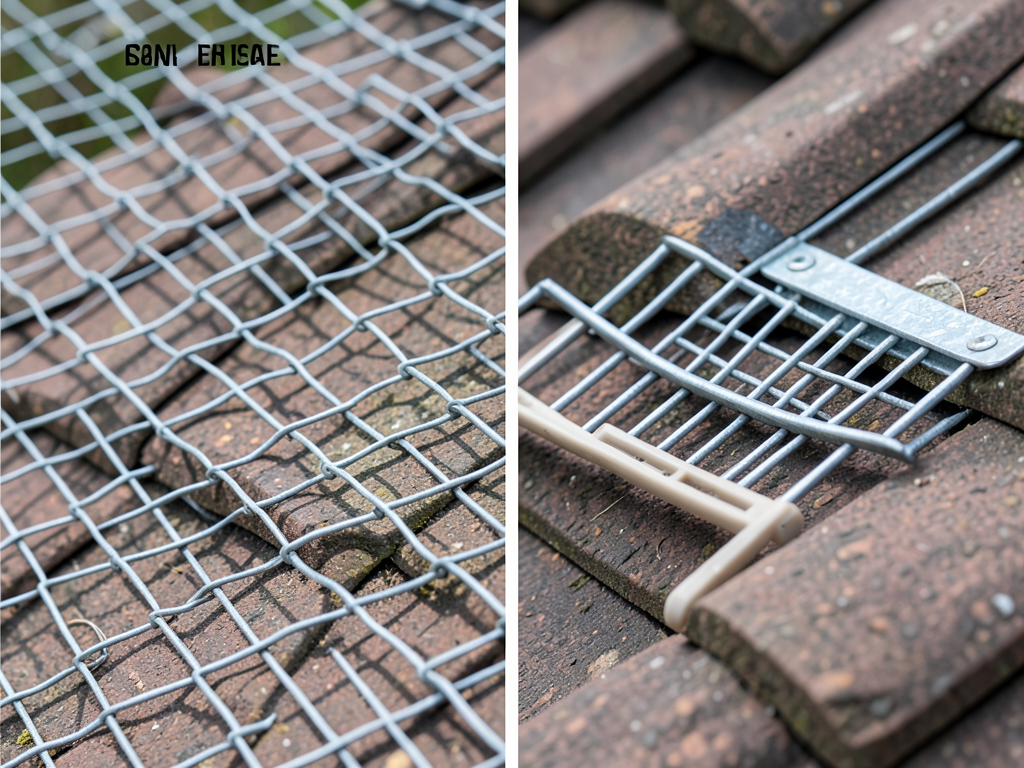
Professional installation uses galvanized steel mesh or stainless steel guards that resist Florida’s salt air and UV exposure. These materials last 15-20 years compared to plastic options that crack within 5 years in our climate. The right bird guard system pays for itself by preventing costly repairs to damaged underlayment and decking. EPA National Pollutant Discharge Elimination System.
Call (656) 245-0955 today to schedule your inspection and protect your Plant City home from bird damage.
Why Plant City Tile Roofs Need Bird Protection
Plant City’s Mediterranean-style homes feature barrel tiles and S-tiles that create gaps perfect for pest nesting. These gaps form when tiles overlap during installation, leaving spaces that birds exploit for shelter. The problem intensifies during spring nesting season when birds seek protected areas.
Birds nesting in tile eaves cause multiple problems. Acidic droppings eat through asphalt underlayment, creating leaks that damage ceilings and walls. Nesting debris blocks ventilation, causing heat buildup that ages roofing materials prematurely. Rodents attracted to bird food scraps can chew through wiring and create fire hazards. Choosing the Best Roofing Contractor for Your Westchase Home.
Plant City’s humid climate makes these problems worse. Moisture trapped by nesting materials creates ideal conditions for mold growth on roof decking. The combination of heat, humidity, and trapped debris accelerates deterioration of roofing components. Homes near agricultural areas face additional pressure from birds seeking grain and seed sources.. Read more about Roofing Solutions for Agricultural Barns and Outbuildings in Thonotosassa.
Older homes in Plant City’s historic districts often lack modern eave closure systems. These roofs were built before pest exclusion became standard practice. The absence of proper barriers means birds can enter through multiple points along the roof perimeter. Once established, birds return to the same nesting sites annually. Preserving the Historic Charm of Seminole Heights Roofs During a Replacement.
Professional bird guards solve these problems by creating physical barriers that block entry while maintaining ventilation. The guards install under the tile edge, preventing birds from accessing the gap while allowing air to flow freely. This approach protects your roof without compromising its designed performance.
Plant City building codes require proper roof ventilation to prevent moisture damage. Bird guards support code compliance by maintaining airflow while blocking pest entry. This dual benefit makes them essential for protecting tile roofs in our climate.

Types of Bird Guards for Tile Roofs
Several bird guard options work for Plant City’s tile roofs. Each material offers different benefits for our climate and architectural styles. Understanding these options helps you choose the right protection for your home.
Galvanized steel mesh represents the most common bird guard material. The zinc coating resists corrosion in Florida’s humid climate. Steel mesh installs easily under tile edges and provides excellent pest exclusion. The material costs less than stainless steel but still offers 10-15 years of protection in our environment.
Stainless steel guards offer superior longevity for coastal areas. The material resists salt air corrosion that affects galvanized options. Stainless guards maintain their appearance longer and provide 20+ years of protection. The higher initial cost pays off through extended service life and better appearance retention.
Plastic bird combs work for some applications but struggle in Florida’s UV exposure. UV rays make plastic brittle within 3-5 years, causing guards to crack and fail. The material also becomes less flexible in heat, making proper installation difficult. Plastic options work best in shaded areas away from direct sun.
Foam eave closures provide insulation benefits but offer limited pest protection. Rodents can chew through foam, and birds can remove pieces for nesting. The material works better as supplemental insulation than as primary bird exclusion. Foam options suit homes where pest pressure is minimal.
Aluminum bird guards combine corrosion resistance with light weight. The material installs easily and resists rust in humid conditions. Aluminum costs more than galvanized steel but less than stainless. The material works well for homes near water features or in areas with salt spray exposure.
Copper bird guards offer premium protection with natural antimicrobial properties. The material develops a patina that many homeowners find attractive. Copper resists corrosion indefinitely and provides 30+ years of service. The high cost limits use to luxury homes or historic preservation projects.
Material selection depends on your home’s location, budget, and aesthetic preferences. Coastal homes benefit from stainless steel or aluminum. Inland properties can use galvanized steel for cost-effective protection. Historic homes may require copper to match existing materials.
Professional Installation Process
Professional bird guard installation follows specific steps to ensure proper protection. The process begins with a thorough roof inspection to identify entry points and assess existing damage. This evaluation determines the scope of work and material requirements.
Inspection reveals nesting patterns, damage locations, and ventilation issues. Technicians look for signs of previous infestations, including droppings, nesting materials, and entry holes. The assessment identifies areas where guards need special attention due to unique tile configurations or roof features.
Tile cleaning removes debris that could interfere with guard installation. Pressure washing eliminates bird droppings and nesting materials while preparing the surface for new guards. This step prevents contamination of new materials and ensures proper adhesion where needed.
Custom fitting adapts guards to your specific tile profile. S-tiles and barrel tiles have different dimensions that require tailored solutions. Technicians cut guards to fit precisely under each tile edge, creating continuous protection without gaps. This customization prevents birds from finding alternate entry points. Finding a Reliable Tile Roof Repair Specialist in South Tampa.
Securing guards uses specialized fasteners that resist wind uplift in our hurricane-prone area. Installation methods vary by material type and roof configuration. Stainless steel guards may use clips, while galvanized mesh often tucks under tile edges. The securing method ensures guards stay in place during storms.
Final inspection verifies complete coverage and proper ventilation. Technicians check for gaps, loose sections, and ventilation blockages. This quality control step ensures the system functions as designed. The inspection also identifies any additional repairs needed to address existing damage.
Post-installation cleanup removes all debris and materials from your property. This includes old nesting materials, broken tile pieces, and installation waste. The cleanup leaves your home looking better than before the work began.
Documentation provides warranty information and maintenance recommendations. You receive details about material specifications, installation methods, and care instructions. This information helps you understand your new system and its maintenance requirements.
Professional installation typically completes in one day for average homes. Larger properties or those with extensive damage may require additional time. The quick turnaround minimizes disruption while providing immediate protection.
Call (656) 245-0955 to schedule your professional bird guard installation and protect your Plant City home.
Cost Factors and ROI for Bird Guards
Bird guard installation costs vary based on several factors specific to Plant City homes. Understanding these variables helps you budget effectively while recognizing the long-term value of professional protection.
Home size directly affects material requirements and labor time. Larger roofs need more guards and longer installation periods. A 2,000 square foot home might need $800-$1,200 in materials, while a 4,000 square foot home could require $1,500-$2,500.
Tile type influences installation complexity and material selection. Barrel tiles require different guards than S-tiles or flat tiles. Specialty profiles may need custom fabrication, increasing costs. The tile profile also affects how guards attach, impacting labor time.
Existing damage adds to project costs through necessary repairs. Removing old nesting materials, replacing damaged underlayment, or fixing broken tiles increases the scope. These repairs prevent future problems but add to initial investment.
Material selection creates significant price differences. Galvanized steel guards cost $2-$4 per linear foot installed. Stainless steel doubles that price but lasts twice as long. Premium materials like copper can exceed $10 per foot but provide lifetime protection.
Labor rates in Plant City average $75-$125 per hour for roofing work. Installation complexity affects total hours needed. Simple installations on accessible roofs take 4-6 hours. Complex jobs with multiple stories or steep pitches require 8-12 hours.
ROI calculation considers prevention costs versus repair expenses. Bird damage repairs often cost $2,000-$5,000 for underlayment replacement and leak repairs. Preventing one major repair through bird guards provides immediate return on investment. Affordable Roof Replacement Solutions for Homeowners in Riverview.
Insurance considerations affect long-term value. Some carriers offer premium discounts for proactive maintenance measures. Bird guards may qualify as preventive maintenance, potentially reducing annual premiums. Check with your insurance provider about possible discounts. Navigating Roof Insurance Claims After a Storm in Tampa.
Property value impacts ROI through enhanced curb appeal. Well-maintained roofs with proper bird protection signal good home care to potential buyers. This perception can increase resale value and reduce time on market when selling.
Maintenance costs remain minimal after installation. Annual inspections cost $100-$200 and identify any issues before they become problems. Occasional cleaning removes debris that accumulates over time. These minimal costs contrast with major repair expenses prevented by the system.
Energy efficiency improvements provide additional ROI. Proper ventilation maintained by bird guards helps regulate attic temperatures. This temperature control can reduce cooling costs by 5-10% during hot Florida summers. The savings accumulate annually throughout the system’s lifespan.
Environmental benefits create value beyond direct costs. Preventing bird deaths from entrapment and reducing chemical pest control needs supports local ecosystems. These benefits appeal to environmentally conscious homeowners while providing practical protection.
The initial investment in bird guards typically pays for itself within 3-5 years through prevented damage and energy savings. The 15-20 year lifespan of quality materials means 10+ years of net positive returns after the payback period ends.
Maintenance and Care Guidelines
Proper maintenance extends bird guard life and ensures continued protection. Simple care routines prevent problems and identify issues before they require major repairs. Following these guidelines keeps your system functioning optimally.
Annual inspections check for damage, displacement, or deterioration. Spring inspections catch winter damage before nesting season begins. Fall inspections prepare for hurricane season by ensuring guards remain secure. These twice-yearly checks cost little but prevent expensive problems.
Cleaning removes debris that accumulates on guards and in roof valleys. Leaves, twigs, and dirt can block ventilation if left unchecked. Gentle washing with garden hose pressure removes most debris without damaging guards. Avoid high-pressure washing that could dislodge guards or damage tiles.
Sealant inspection ensures all attachment points remain secure. Weather exposure can degrade sealants over time. Reapplying sealant where needed prevents water infiltration and maintains guard stability. This simple maintenance task prevents many common failure points.
Vegetation management prevents organic growth on guards. Moss and algae thrive in Florida’s humid conditions. These growths can trap moisture and accelerate material deterioration. Trimming nearby trees reduces debris fall and improves air circulation around guards.
Storm preparation includes checking guards before hurricane season. Secure any loose sections and clear debris that could become projectiles in high winds. This preparation prevents damage during storms and ensures guards remain functional afterward.
Post-storm inspection identifies damage from high winds or debris impact. Missing guards or bent sections need immediate replacement to maintain protection. Quick repairs prevent birds from exploiting new entry points created by storm damage.
Material-specific care varies by guard type. Galvanized steel may need occasional rust treatment in coastal areas. Stainless steel requires minimal maintenance beyond cleaning. Copper develops protective patina naturally but may need cleaning to maintain original appearance if desired.
Documentation helps track maintenance history and identify patterns. Recording inspection dates, repairs, and observations creates valuable information for future maintenance decisions. This record also assists with warranty claims if problems arise.
Professional maintenance services provide thorough care for busy homeowners. Annual service contracts typically cost $200-$400 and include inspections, cleaning, and minor repairs. This convenience ensures consistent care without homeowner time investment.
Replacement timing depends on material type and local conditions. Galvanized steel guards typically need replacement after 10-15 years. Stainless steel lasts 20+ years in most conditions. Monitoring guard condition helps plan replacements before complete failure occurs.
Upgrade considerations arise as new materials and technologies become available. Improved designs may offer better protection or easier maintenance. Evaluating upgrades every 5-7 years ensures your system uses current best practices.
DIY maintenance works for simple tasks like debris removal and visual inspection. However, roof work carries safety risks that professionals manage through training and equipment. Consider professional help for tasks requiring ladder use or roof access.
Proper maintenance costs $100-$300 annually but prevents thousands in potential damage. This small investment protects your home while extending the life of your roofing system and bird guards.
Frequently Asked Questions
Do bird guards affect roof ventilation?
Quality bird guards maintain proper ventilation while blocking pest entry. Professional installation ensures guards don’t block soffit vents or ridge vents. The mesh design allows air flow while preventing bird access. Proper ventilation actually improves with guards installed, as nesting debris no longer blocks vents.
How long do stainless steel bird guards last in Tampa’s salt air?
Stainless steel bird guards last 20-25 years in Tampa’s coastal areas. The marine-grade stainless resists salt corrosion that affects other metals. Even in areas with heavy salt spray, stainless guards maintain structural integrity for decades. The material may show surface oxidation but continues functioning properly.
Can I install bird guards myself?
DIY installation works for simple roofs but carries risks. Proper installation requires understanding tile profiles, ventilation requirements, and secure attachment methods. Mistakes can create water infiltration points or leave gaps birds exploit. Professional installation includes warranty protection and ensures code compliance.
Will bird guards prevent all pest problems?
Bird guards prevent most bird and rodent entry through eaves but don’t stop all pest access. Squirrels can still enter through roof vents or damaged areas. The guards work as part of comprehensive pest prevention, which may include other exclusion methods for complete protection.
How much do bird guards cost for a typical Plant City home?
Average Plant City homes need $1,200-$2,000 for complete bird guard installation. This includes materials, labor, and basic repairs. Larger homes or those with complex rooflines cost more. Premium materials like stainless steel add 50-100% to base costs but provide longer service life.
Do bird guards void my roof warranty?
Professional bird guard installation using manufacturer-approved methods doesn’t void roof warranties. In fact, preventing bird damage helps maintain warranty coverage by protecting underlayment and decking. Always use licensed contractors who understand warranty requirements and use proper installation techniques.
When is the best time to install bird guards?
Spring installation prevents nesting before breeding season begins. However, guards work anytime birds aren’t actively nesting. Fall installation prepares for winter when birds seek shelter. The best time is before you notice bird problems, as prevention costs less than removal and repair.
Are bird guards visible from the ground?
Quality bird guards install under tile edges, making them invisible from ground level. The guards match tile color and profile, maintaining your home’s appearance. Only close inspection from the roof reveals their presence. This hidden protection preserves your home’s aesthetic while providing function.
Protecting Your Investment
Tile roofs represent significant home investments that require proper protection. Bird guards provide cost-effective insurance against damage that can cost thousands to repair. The small upfront investment prevents major expenses while maintaining your home’s appearance and function.
Plant City’s climate creates ideal conditions for bird nesting in tile roofs. The combination of warm temperatures, humidity, and available food sources attracts birds year-round. Professional bird guards interrupt this cycle before birds establish permanent nesting sites.
Quality installation makes the difference between temporary fixes and long-term protection. Professional contractors understand local bird behavior, tile profiles, and installation requirements. This expertise ensures guards function as designed while maintaining your roof’s integrity.
Regular maintenance preserves your investment and extends guard life. Simple annual inspections and cleaning prevent minor issues from becoming major problems. This ongoing care costs far less than emergency repairs or premature replacement.
Energy efficiency improvements add value beyond pest protection. Proper ventilation maintained by bird guards helps regulate attic temperatures. This temperature control reduces cooling costs during hot Florida summers while protecting roofing materials from heat damage.
Property value protection represents another benefit of bird guards. Well-maintained roofs with proper pest protection signal good home care to potential buyers. This perception can increase resale value and reduce time on market when selling your home.
Environmental considerations support bird guard installation. Preventing bird deaths from entrapment and reducing chemical pest control needs benefits local ecosystems. These benefits align with growing environmental awareness while providing practical home protection.
Insurance considerations may provide additional value. Some carriers offer premium discounts for preventive maintenance measures. Bird guards may qualify as such maintenance, potentially reducing annual insurance costs.
Peace of mind comes from knowing your home has proper protection. Bird guards eliminate the worry of unexpected damage from pest infestations. This confidence allows you to focus on enjoying your home rather than worrying about potential problems.
Call (656) 245-0955 today to schedule your inspection and protect your Plant City home from bird damage. Professional installation ensures proper protection while maintaining your roof’s integrity and appearance.
Don’t wait until birds cause expensive damage. Pick up the phone and call (656) 245-0955 before the next storm hits. Our experienced technicians will assess your roof and recommend the best protection for your specific situation.
Protect your investment with professional bird guard installation. The small cost now prevents major expenses later while maintaining your home’s value and appearance. Contact us today to learn more about protecting your Plant City home.
{
“@context”: “https://schema.org”,
“@type”: “BlogPosting”,
“headline”: “Keeping Birds and Pests Out of Your Tile Roof Eaves in Plant City”,
“description”: “Protect your Plant City tile roof from bird and pest damage with expert bird guard installation. Learn about materials, costs, and local solutions for Mediterranean-style homes.”,
“wordCount”: 3041,
“datePublished”: “2026-04-06T11:25:00.000Z”,
“dateModified”: “2026-04-06T11:25:00.000Z”,
“inLanguage”: “en-US”,
“mainEntityOfPage”: {
“@type”: “WebPage”,
“@id”: “https://crestlineroofingtampa.com”
},
“publisher”: {
“@type”: “LocalBusiness”,
“name”: “Crestline Roofing Tampa”,
“url”: “https://crestlineroofingtampa.com”
},
“author”: {
“@type”: “Organization”,
“name”: “Crestline Roofing Tampa”,
“url”: “https://crestlineroofingtampa.com”
},
“image”: {
“@type”: “ImageObject”,
“url”: “https://crestlineroofingtampa.com/wp-content/uploads/2026/03/keeping-birds-and-pests-out-of-your-tile-roof-eave-1.png”
}
}
{
“@context”: “https://schema.org”,
“@type”: “RoofingContractor”,
“name”: “Crestline Roofing Tampa”,
“url”: “https://crestlineroofingtampa.com”,
“address”: {
“@type”: “PostalAddress”,
“addressLocality”: “Tampa”
},
“areaServed”: {
“@type”: “City”,
“name”: “Tampa”
}
}
{
“@context”: “https://schema.org”,
“@type”: “FAQPage”,
“mainEntity”: [
{
“@type”: “Question”,
“name”: “Do bird guards affect roof ventilation?”,
“acceptedAnswer”: {
“@type”: “Answer”,
“text”: “Quality bird guards maintain proper ventilation while blocking pest entry. Professional installation ensures guards don’t block soffit vents or ridge vents. The mesh design allows air flow while preventing bird access. Proper ventilation actually improves with guards installed, as nesting debris no longer blocks vents.”
}
},
{
“@type”: “Question”,
“name”: “How long do stainless steel bird guards last in Tampa’s salt air?”,
“acceptedAnswer”: {
“@type”: “Answer”,
“text”: “Stainless steel bird guards last 20-25 years in Tampa’s coastal areas. The marine-grade stainless resists salt corrosion that affects other metals. Even in areas with heavy salt spray, stainless guards maintain structural integrity for decades. The material may show surface oxidation but continues functioning properly.”
}
},
{
“@type”: “Question”,
“name”: “Can I install bird guards myself?”,
“acceptedAnswer”: {
“@type”: “Answer”,
“text”: “DIY installation works for simple roofs but carries risks. Proper installation requires understanding tile profiles, ventilation requirements, and secure attachment methods. Mistakes can create water infiltration points or leave gaps birds exploit. Professional installation includes warranty protection and ensures code compliance.”
}
},
{
“@type”: “Question”,
“name”: “Will bird guards prevent all pest problems?”,
“acceptedAnswer”: {
“@type”: “Answer”,
“text”: “Bird guards prevent most bird and rodent entry through eaves but don’t stop all pest access. Squirrels can still enter through roof vents or damaged areas. The guards work as part of comprehensive pest prevention, which may include other exclusion methods for complete protection.”
}
},
{
“@type”: “Question”,
“name”: “How much do bird guards cost for a typical Plant City home?”,
“acceptedAnswer”: {
“@type”: “Answer”,
“text”: “Average Plant City homes need $1,200-$2,000 for complete bird guard installation. This includes materials, labor, and basic repairs. Larger homes or those with complex rooflines cost more. Premium materials like stainless steel add 50-100% to base costs but provide longer service life.”
}
},
{
“@type”: “Question”,
“name”: “Do bird guards void my roof warranty?”,
“acceptedAnswer”: {
“@type”: “Answer”,
“text”: “Professional bird guard installation using manufacturer-approved methods doesn’t void roof warranties. In fact, preventing bird damage helps maintain warranty coverage by protecting underlayment and decking. Always use licensed contractors who understand warranty requirements and use proper installation techniques.”
}
},
{
“@type”: “Question”,
“name”: “When is the best time to install bird guards?”,
“acceptedAnswer”: {
“@type”: “Answer”,
“text”: “Spring installation prevents nesting before breeding season begins. However, guards work anytime birds aren’t actively nesting. Fall installation prepares for winter when birds seek shelter. The best time is before you notice bird problems, as prevention costs less than removal and repair.”
}
},
{
“@type”: “Question”,
“name”: “Are bird guards visible from the ground?”,
“acceptedAnswer”: {
“@type”: “Answer”,
“text”: “Quality bird guards install under tile edges, making them invisible from ground level. The guards match tile color and profile, maintaining your home’s appearance. Only close inspection from the roof reveals their presence. This hidden protection preserves your home’s aesthetic while providing function.”
}
}
]
}
{
“@context”: “https://schema.org”,
“@type”: “BreadcrumbList”,
“itemListElement”: [
{
“@type”: “ListItem”,
“position”: 1,
“name”: “Home”,
“item”: “https://crestlineroofingtampa.com”
},
{
“@type”: “ListItem”,
“position”: 2,
“name”: “Blog”,
“item”: “https://crestlineroofingtampa.com/blog”
},
{
“@type”: “ListItem”,
“position”: 3,
“name”: “Keeping Birds and Pests Out of Your Tile Roof Eaves in Plant City”
}
]
}
{
“@context”: “https://schema.org”,
“@type”: “Service”,
“serviceType”: “Roofing”,
“provider”: {
“@type”: “LocalBusiness”,
“name”: “Crestline Roofing Tampa”,
“url”: “https://crestlineroofingtampa.com”
},
“areaServed”: {
“@type”: “City”,
“name”: “Tampa”
},
“description”: “Protect your Plant City tile roof from bird and pest damage with expert bird guard installation. Learn about materials, costs, and local solutions for Mediterranean-style homes.”
}