
The Most Common DIY Roof Repair Mistakes That Void Warranties in Hillsborough County
Every year homeowners in Tampa attempt to save money by repairing their own roofs. The humid Florida climate and intense UV exposure make roof maintenance critical. What many homeowners do not realize is that even well-intentioned DIY repairs can void manufacturer warranties, violate Florida Building Code requirements, and lead to expensive secondary damage. In this guide we explore the specific mistakes that cause the most harm and why professional expertise matters in Hillsborough County. Florida Building Code.
The Physical Safety Risk: Beyond the Ladder Fall
Roofing is consistently ranked as one of the most dangerous construction trades. In Florida the risk increases due to extreme heat and humidity. OSHA requires fall protection for any roof work over six feet high. That means harnesses guardrails and safety nets are not optional. Many DIYers skip this equipment to save time. The result can be a fall from a two-story roof or worse. OSHA fall protection standards.
Beyond falls there is heat stroke. Tampa’s summer temperatures often exceed 95 degrees with a heat index above 105. Working on a dark asphalt roof can raise surface temperatures to 150 degrees. Heat exhaustion can set in within 30 minutes without proper hydration and breaks. The physical danger is only part of the equation. A misstep on a weakened deck can cause a sudden collapse sending you through the ceiling below.. Read more about Why Walking on Your Tile Roof in Westchase Can Cause More Damage Than a Storm.
The ‘Warranty Killer’: How DIY Voids Your Coverage
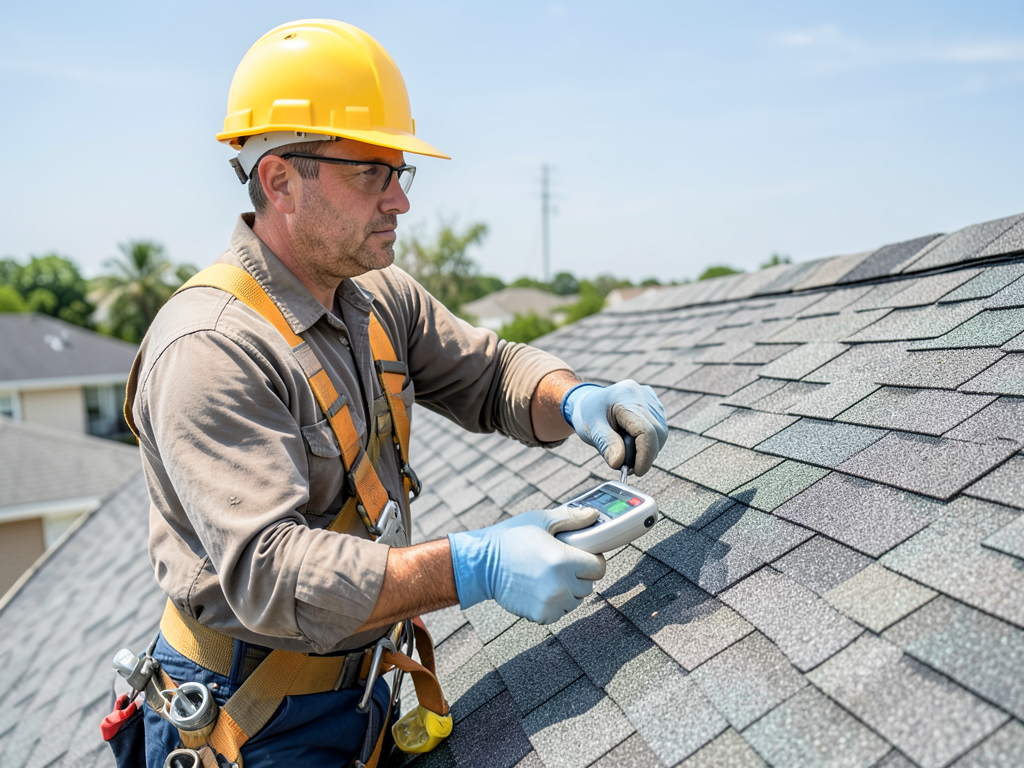
Major shingle manufacturers like GAF and Owens Corning require certified installation to keep warranties valid. That means the work must be done by a licensed contractor familiar with their specific application guidelines. DIY repairs often use incorrect fasteners improper overlap or the wrong underlayment. Even a single misplaced nail can create a leak path that voids years of coverage.
Warranty voidance happens in several ways. First using non-manufacturer approved materials breaks the material compatibility requirements. Second failing to follow the installation manual creates a non-compliant repair. Third performing unpermitted work means the local building department can flag the repair as unsafe which manufacturers treat as grounds for cancellation. In Florida where wind mitigation credits depend on proper installation these mistakes can also raise insurance premiums. Navigating Roof Insurance Claims After a Storm in Tampa.
Tampa-Specific Hazards: Hurricane Resistance and Building Codes
Hillsborough County sits in Florida’s High Velocity Hurricane Zone. The Florida Building Code requires all roofing work to meet strict uplift resistance standards. DIY repairs rarely meet these requirements. For example asphalt shingles must be installed with six nails per tab in HVHZ zones not the standard four. Missing this detail can cause shingles to fail in a tropical storm. Choosing the Best Roofing Contractor for Your Westchase Home.
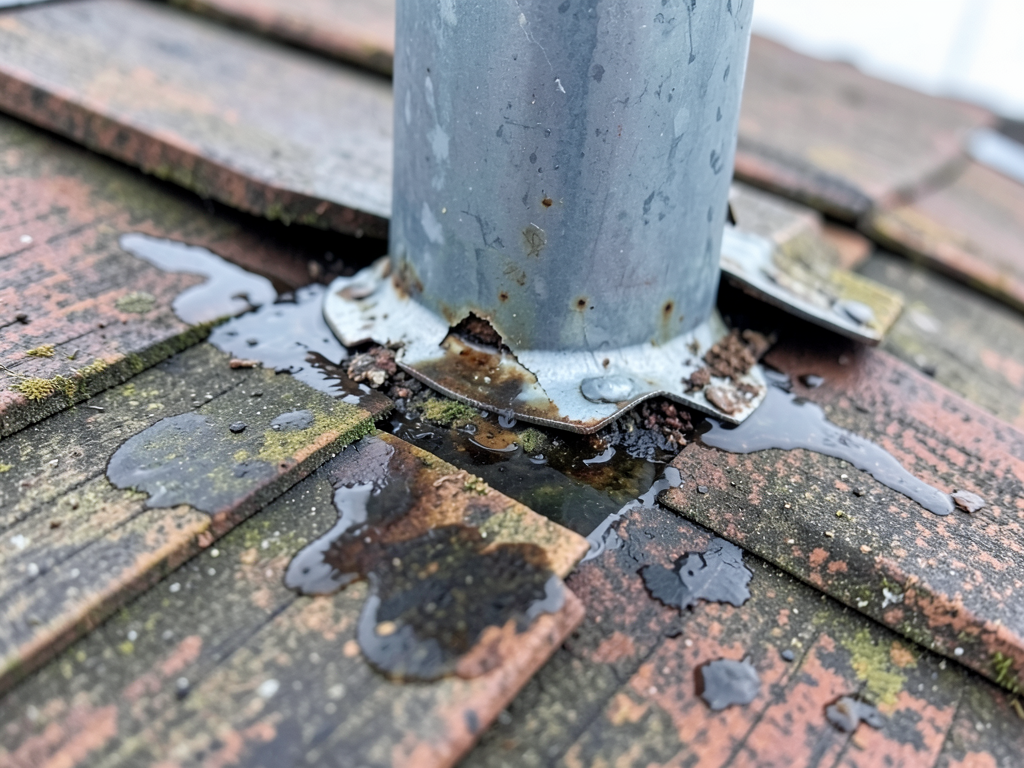
Another common mistake is ignoring flashing details. Roof-to-wall and chimney flashing must be installed with specific sealants and overlaps to resist wind-driven rain. A homeowner sealing flashing with silicone caulk instead of a code-approved membrane creates a leak path that worsens with every storm. In coastal areas like South Tampa salt air accelerates corrosion of DIY patches causing premature failure.
Permitting is another critical factor. Hillsborough County requires permits for most roof repairs over 100 square feet. Unpermitted work can lead to stop-work orders insurance claim denials and even forced removal of the repair at the homeowner’s expense. During a hurricane claim an inspector can spot unpermitted work and deny coverage for the entire roof.
Financial Risks: Why DIY Often Costs More in the Long Run
The initial savings from a DIY repair can disappear quickly. A small leak patched with roofing cement may seem to hold for a few months. Once the patch fails water can travel along rafters and insulation before showing inside. By the time stains appear the damage often includes rotted decking mold in the attic and ruined drywall. Repairing this secondary damage can cost five to ten times the original DIY price. Roofing Dunedin.
Another hidden cost is the need for rework. If a DIY repair fails a professional roofer must remove the amateur patch before making a proper repair. This means paying for labor twice. In some cases the entire roof section must be replaced to meet code compliance. Home resale value can also drop if a home inspector flags unpermitted or non-compliant repairs. Buyers and lenders often demand professional repairs before closing.. Read more about Professional Waterproofing for Commercial Rooftop Decks in Channelside.
The 5 Signs Your Roof Repair Is Not a DIY Project
Some roof problems are too complex or dangerous for DIY repair. Here are five signs you need a professional:
- Structural sagging – If the roof deck feels soft or shows visible dips do not walk on it. This indicates rot or failed supports and requires immediate professional assessment.
- Flashing failure – Damaged or missing flashing around chimneys skylights or vents is a leading cause of leaks. Proper repair requires removing surrounding materials and installing code-approved flashing.
- Extensive granule loss – Finding large piles of asphalt granules in gutters means the shingles are nearing the end of their life. Patching isolated areas will not stop widespread deterioration.
- Mold or water stains in the attic – These signs point to active leaks that may have spread beyond the visible area. A professional uses moisture meters and thermal imaging to locate all affected spots.
- Wind or storm damage – After a tropical storm or hurricane even minor shingle damage can compromise the roof’s wind rating. A licensed roofer can assess uplift resistance and make repairs that restore code compliance.
Diagnostic Tools Professionals Use That DIYers Miss
A professional roof inspection goes far beyond a visual check. Moisture meters detect hidden water in decking and underlayment without removing shingles. Infrared cameras reveal temperature differences that indicate trapped moisture or poor insulation. Drones with high-resolution cameras can safely inspect steep or complex roof planes. These tools help pinpoint problems before they cause interior damage.
Another critical step is checking for proper attic ventilation. Poor airflow traps heat and moisture accelerating shingle aging and creating mold risk. A licensed roofer measures intake and exhaust vent areas to ensure they meet code requirements. DIY repairs rarely address ventilation leaving the roof vulnerable to premature failure.
Local Building Code Compliance Saves Money and Hassle
Hillsborough County follows the Florida Building Code with additional local amendments. For roofing this means specific requirements for underlayment nail patterns and wind ratings. For example in Wind Zone III which covers most of Tampa each shingle tab must have six nails not four. The underlayment must be a self-adhering polymer modified bitumen in the field area not just roofing felt. Roofing Saint Petersburg.
Another code requirement is the drip edge. This metal flashing along eaves and rakes directs water into gutters and prevents wind-driven rain from getting under the underlayment. Skipping drip edge may seem minor but it is a common inspection failure. The cost of adding drip edge during a repair is far less than tearing off a new roof to install it later.
Permitting is not just a legal formality. The permit process ensures the work meets current codes and that the contractor carries proper insurance. It also creates a record for future buyers and insurance carriers. In Florida where hurricane risk affects premiums having permitted repairs can mean lower insurance costs.
Manufacturer Warranty Requirements You Cannot Ignore
Warranty protection starts with material selection. Using non-manufacturer approved underlayment or flashing voids the system warranty. For example GAF’s system warranty requires their Deck-Armor underlayment and StormGuard ice and water shield in specific zones. Substituting a cheaper felt underlayment may save a few dollars but eliminates years of coverage.
Installation technique is equally important. Many warranties require starter shingles along eaves and specific nail patterns. Overdriven or underdriven nails create stress points that lead to leaks. Even sealant choice matters. Using the wrong caulk can cause adhesive failure in high heat. Professionals keep detailed records of materials and methods to support warranty claims.
Insurance Implications of DIY Roof Work
Homeowners insurance carriers in Florida are increasingly strict about roof maintenance. A claim for water damage may be denied if the insurer finds unpermitted or non-compliant repairs. In some cases the entire policy can be canceled. This is especially true in coastal areas where wind mitigation credits depend on proper installation.
Another risk is the impact on future claims. If a DIY repair fails and causes interior damage the insurance adjuster may determine the homeowner contributed to the loss through negligence. This can reduce or eliminate coverage. Keeping receipts and permits for all roof work provides proof of professional care if a claim arises.
Environmental Factors That Accelerate DIY Repair Failure
Tampa’s climate creates unique challenges for roof repairs. High humidity means wood decking stays damp longer increasing rot risk. Salt air in coastal neighborhoods corrodes metal flashing and fasteners. Intense UV exposure breaks down asphalt adhesives faster than in northern climates. A patch that works in a dry climate may fail in months here.
Another factor is thermal shock. Tampa’s sunny days followed by heavy afternoon thunderstorms cause rapid temperature swings. Materials expand and contract creating stress at repair joints. Professional roofers use flexible sealants and allow for movement in their details. DIY patches often use rigid materials that crack under stress.
Why Professional Roofing Is Worth the Investment
A licensed roofing contractor brings more than tools. They bring knowledge of local codes manufacturer requirements and inspection processes. They carry insurance that protects you if someone is injured on your property. They provide written warranties for both materials and labor. Most importantly they offer peace of mind that the repair will last.. Read more about Roofing Solutions for Agricultural Barns and Outbuildings in Thonotosassa.
Professional roofers also have supplier relationships that provide access to high-quality materials at better prices. They can spot problems early before they cause interior damage. In Florida where a roof is your first defense against hurricanes this expertise is not a luxury. It is a necessity.
Call a Professional Before It’s Too Late
Roof problems rarely fix themselves. A small leak today can mean thousands in damage tomorrow. In Tampa’s storm-prone climate waiting is not an option. If you see missing shingles water stains or sagging areas call a licensed roofer immediately. The cost of a professional inspection is far less than the cost of emergency repairs after a storm.
Pick up the phone and call (656) 245-0955 before the next storm hits. Our team serves Hillsborough County with code-compliant repairs backed by manufacturer warranties. Do not risk your home’s safety or your insurance coverage on a DIY patch. Call (656) 245-0955 today to schedule your inspection.
Frequently Asked Questions
Can I repair just one section of my roof without replacing the whole thing?
Yes if the damage is isolated and the rest of the roof is in good condition. A professional can assess whether a repair meets code and matches existing materials for a seamless fix.
Will a DIY repair really void my warranty?
Yes. Most manufacturers require certified installation and specific materials. Even a small non-compliant repair can void the entire system warranty.
How can I tell if my roof repair needs a permit?
In Hillsborough County most repairs over 100 square feet require a permit. If you are replacing underlayment or making structural changes a permit is mandatory. When in doubt check with the local building department.
What is the biggest mistake DIYers make on tile roofs?
Walking on the tiles which can crack them. Tile roofs also require special fasteners and underlayment. Using the wrong materials or techniques can cause leaks and void warranties.
How soon should I call a roofer after storm damage?
Immediately. Even minor damage can lead to leaks if not repaired quickly. In hurricane season delays can mean the difference between a simple fix and major interior damage.
- Visual Inspection from the Ground
Use binoculars to check for missing shingles sagging areas or damaged flashing. Do not climb onto the roof without proper safety equipment.. Read more about Repairing Damaged Scuppers and Drainage Systems on Westshore Commercial Buildings.
- Check the Attic
Look for water stains mold or daylight through the roof deck. These signs indicate active leaks that need immediate attention.
- Document the Damage
Take photos of any visible issues. This helps when discussing repairs with a professional or filing an insurance claim.
- Call a Licensed Roofer
Have a professional assess the damage and provide a written estimate. This ensures the repair meets code and preserves your warranty.
You may also find this helpful. Spotting the Red Flags in an Unusually Low Roofing Quote for Your Old Seminole Heights Home.
{
“@context”: “https://schema.org”,
“@type”: “BlogPosting”,
“headline”: “The Most Common DIY Roof Repair Mistakes That Void Warranties in Hillsborough County”,
“description”: “Learn how DIY roof repairs in Tampa can void warranties and lead to costly damage. Discover the hidden risks, code violations, and why professional roofing matters.”,
“wordCount”: 2054,
“datePublished”: “2026-04-10T15:12:00.000Z”,
“dateModified”: “2026-04-10T15:12:00.000Z”,
“inLanguage”: “en-US”,
“mainEntityOfPage”: {
“@type”: “WebPage”,
“@id”: “https://crestlineroofingtampa.com”
},
“publisher”: {
“@type”: “LocalBusiness”,
“name”: “Crestline Roofing Tampa”,
“url”: “https://crestlineroofingtampa.com”
},
“author”: {
“@type”: “Organization”,
“name”: “Crestline Roofing Tampa”,
“url”: “https://crestlineroofingtampa.com”
},
“image”: {
“@type”: “ImageObject”,
“url”: “https://crestlineroofingtampa.com/wp-content/uploads/2026/03/the-most-common-diy-roof-repair-mistakes-that-void-1.png”
}
}
{
“@context”: “https://schema.org”,
“@type”: “RoofingContractor”,
“name”: “Crestline Roofing Tampa”,
“url”: “https://crestlineroofingtampa.com”,
“address”: {
“@type”: “PostalAddress”,
“addressLocality”: “Tampa”
},
“areaServed”: {
“@type”: “City”,
“name”: “Tampa”
}
}
{
“@context”: “https://schema.org”,
“@type”: “FAQPage”,
“mainEntity”: [
{
“@type”: “Question”,
“name”: “Can I repair just one section of my roof without replacing the whole thing?”,
“acceptedAnswer”: {
“@type”: “Answer”,
“text”: “Yes if the damage is isolated and the rest of the roof is in good condition. A professional can assess whether a repair meets code and matches existing materials for a seamless fix.”
}
},
{
“@type”: “Question”,
“name”: “Will a DIY repair really void my warranty?”,
“acceptedAnswer”: {
“@type”: “Answer”,
“text”: “Yes. Most manufacturers require certified installation and specific materials. Even a small non-compliant repair can void the entire system warranty.”
}
},
{
“@type”: “Question”,
“name”: “How can I tell if my roof repair needs a permit?”,
“acceptedAnswer”: {
“@type”: “Answer”,
“text”: “In Hillsborough County most repairs over 100 square feet require a permit. If you are replacing underlayment or making structural changes a permit is mandatory. When in doubt check with the local building department.”
}
},
{
“@type”: “Question”,
“name”: “What is the biggest mistake DIYers make on tile roofs?”,
“acceptedAnswer”: {
“@type”: “Answer”,
“text”: “Walking on the tiles which can crack them. Tile roofs also require special fasteners and underlayment. Using the wrong materials or techniques can cause leaks and void warranties.”
}
},
{
“@type”: “Question”,
“name”: “How soon should I call a roofer after storm damage?”,
“acceptedAnswer”: {
“@type”: “Answer”,
“text”: “Immediately. Even minor damage can lead to leaks if not repaired quickly. In hurricane season delays can mean the difference between a simple fix and major interior damage.”
}
}
]
}
{
“@context”: “https://schema.org”,
“@type”: “HowTo”,
“name”: “How to Assess Roof Damage Safely”,
“step”: [
{
“@type”: “HowToStep”,
“position”: 1,
“name”: “Visual Inspection from the Ground”,
“text”: “Use binoculars to check for missing shingles sagging areas or damaged flashing. Do not climb onto the roof without proper safety equipment.”
},
{
“@type”: “HowToStep”,
“position”: 2,
“name”: “Check the Attic”,
“text”: “Look for water stains mold or daylight through the roof deck. These signs indicate active leaks that need immediate attention.”
},
{
“@type”: “HowToStep”,
“position”: 3,
“name”: “Document the Damage”,
“text”: “Take photos of any visible issues. This helps when discussing repairs with a professional or filing an insurance claim.”
},
{
“@type”: “HowToStep”,
“position”: 4,
“name”: “Call a Licensed Roofer”,
“text”: “Have a professional assess the damage and provide a written estimate. This ensures the repair meets code and preserves your warranty.”
}
],
“image”: “https://crestlineroofingtampa.com/wp-content/uploads/2026/03/the-most-common-diy-roof-repair-mistakes-that-void-1.png”
}
{
“@context”: “https://schema.org”,
“@type”: “BreadcrumbList”,
“itemListElement”: [
{
“@type”: “ListItem”,
“position”: 1,
“name”: “Home”,
“item”: “https://crestlineroofingtampa.com”
},
{
“@type”: “ListItem”,
“position”: 2,
“name”: “Blog”,
“item”: “https://crestlineroofingtampa.com/blog”
},
{
“@type”: “ListItem”,
“position”: 3,
“name”: “The Most Common DIY Roof Repair Mistakes That Void Warranties in Hillsborough County”
}
]
}
{
“@context”: “https://schema.org”,
“@type”: “Service”,
“serviceType”: “Roofing”,
“provider”: {
“@type”: “LocalBusiness”,
“name”: “Crestline Roofing Tampa”,
“url”: “https://crestlineroofingtampa.com”
},
“areaServed”: {
“@type”: “City”,
“name”: “Tampa”
},
“description”: “Learn how DIY roof repairs in Tampa can void warranties and lead to costly damage. Discover the hidden risks, code violations, and why professional roofing matters.”
}