
Buying a home in Forest Hills means understanding every component of the property, especially the roof. Florida’s intense UV exposure, hurricane season, and insurance requirements make knowing your roof’s age critical before closing. A roof that looks fine from the street may be nearing the end of its lifespan, potentially costing you thousands in replacement expenses within years of purchase. Florida Building Code Information.
Roof age affects more than just your budget. Insurance companies in Florida often deny coverage or charge premium rates for roofs over 15 years old, regardless of their condition. The combination of Forest Hills’ mature tree canopy and coastal humidity creates unique aging patterns that can accelerate deterioration in ways that aren’t immediately visible to untrained eyes. Navigating Roof Insurance Claims After a Storm in Tampa.
Before you sign those closing papers, you need to verify the actual age of your roof through multiple reliable methods. This guide walks you through exactly how to determine roof age in Forest Hills, what warning signs to look for, and how to protect yourself from unexpected replacement costs. Finding a Reliable Tile Roof Repair Specialist in South Tampa.
Three Reliable Ways to Verify Roof Age in Forest Hills
The most accurate way to determine roof age starts with official documentation. Forest Hills homes, built primarily between the 1950s and 1980s, often have permit records that reveal when roofing work was completed. Choosing the Best Roofing Contractor for Your Westchase Home.
Search Hillsborough County Property Appraiser Records
Visit the Hillsborough County Property Appraiser website and enter the property address. Look for the “Improvement Details” section where roofing permits are typically listed. Each permit includes the issue date, contractor information, and work description. This database covers permits issued since the late 1980s, though older records may require a visit to the County Records Department.
Most Forest Hills homes received their original roofing between 1960 and 1980, with many undergoing replacement in the early 2000s after Florida adopted stricter building codes following Hurricane Andrew. Homes that received post-2001 permits will have enhanced wind mitigation features that affect both insurance rates and replacement costs. Affordable Roof Replacement Solutions for Homeowners in Riverview.
Review Your Home Inspection and Wind Mitigation Report
Professional home inspectors document roof age based on visual indicators and permit research. The wind mitigation inspection, required by Florida insurance companies, specifically notes the installation date and roofing material. These reports become part of your closing documents and provide third-party verification of roof age. Roofing Dunedin.
During the inspection, ask the inspector to note specific indicators like manufacturer stamps on decking, underlayment type, and fastening patterns. These details help verify the permit information and identify whether the roof meets current Florida Building Code requirements for wind resistance in Hillsborough County.. Read more about Getting Your Wind Mitigation Inspection in New Tampa to Lower Your Premiums.
Check Title and Closing Documents
Sellers often provide roof certification or replacement documentation during the closing process. These documents may include contractor invoices, warranty information, or building department approvals. Even if the roof is original, closing statements sometimes reference major home improvements that include roofing work.. Read more about How to Coordinate a Roof Replacement for Your Townhome in Westchase Without Stressing Your Neighbors.
Request a seller’s property disclosure form that specifically asks about roof age and any known issues. Many Forest Hills homeowners are aware of their roof’s condition since replacement costs in this area range from $8,000 to $15,000 depending on size and material.
Visual Clues: Signs Your Florida Roof is Aging Rapidly
While documentation provides the most reliable age verification, certain visual indicators can help you spot aging patterns specific to Forest Hills’ environment. The combination of mature oak trees, high humidity, and salt air from nearby Tampa Bay creates accelerated wear that affects different roofing materials uniquely.
Granule Loss and Bald Spots from Intense UV Exposure
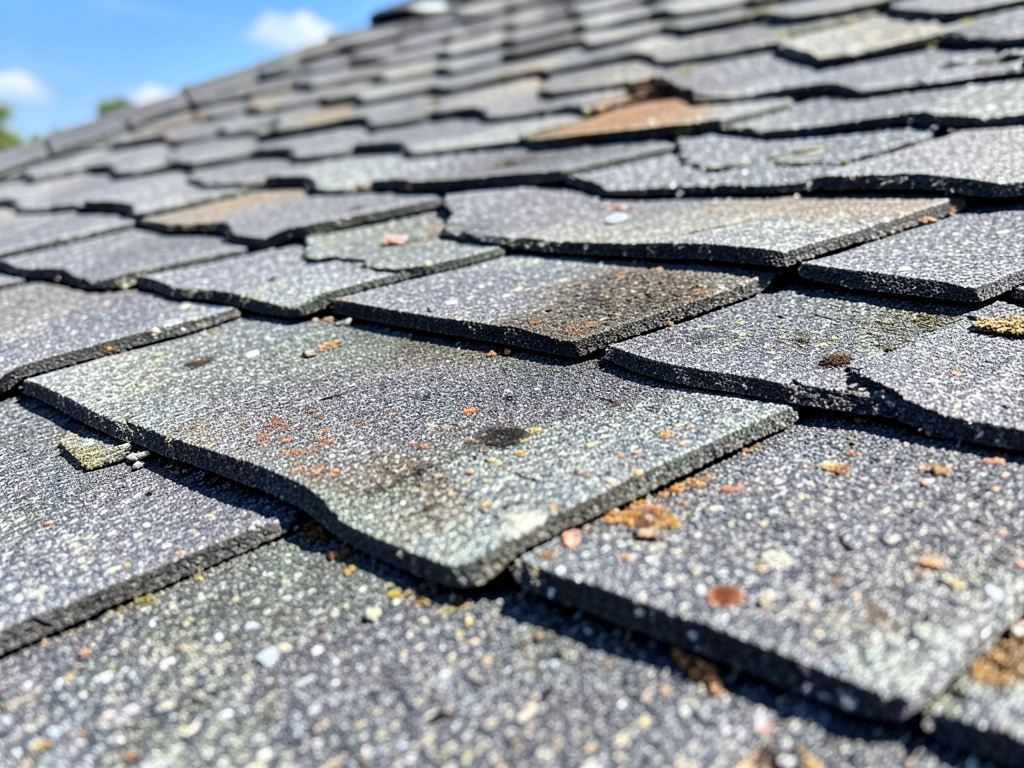
Asphalt shingles in Forest Hills lose protective granules much faster than in northern climates. The intense Florida sun, combined with heat reflection from nearby concrete driveways and streets, causes granules to dislodge within 8-12 years of installation. Look for accumulation of granules in gutters and bald patches where the underlying asphalt becomes visible.
Dark streaks on north-facing slopes often indicate algae growth, particularly Gloeocapsa magma, which thrives in Forest Hills’ humid conditions. While algae itself doesn’t damage shingles, it indicates moisture retention that accelerates aging. Homes near the Alafia River or in lower elevation areas of Forest Hills experience more pronounced algae growth due to higher humidity levels.. Read more about Why Coastal Homes in Rocky Point Need Stainless Steel Roofing Nails to Prevent Rust.
Curling Shingles Due to High Humidity
Florida’s humidity causes asphalt shingles to expand and contract more dramatically than in drier climates. In Forest Hills, where afternoon thunderstorms are common from June through September, this thermal cycling accelerates curling at shingle edges. Curled shingles allow water infiltration under the next course, leading to deck rot that may not be visible from the ground.
Check the south and west-facing slopes first, as these receive the most direct sun exposure and show curling earliest. If you notice widespread curling across multiple slopes, the roof is likely beyond its useful life regardless of documented age.
Cracked or Loose Tiles Common in Older Florida Homes
Many Forest Hills homes built in the 1960s and 1970s feature concrete or clay tiles that become brittle with age. Florida’s temperature fluctuations cause tiles to expand and contract, leading to cracks that worsen each year. Walking on aged tile roofs often causes additional breakage, making professional inspection essential.
Underlayment failure is the primary concern with tile roofs over 20 years old. While tiles may look intact, the felt or synthetic underlayment beneath deteriorates from UV exposure and moisture. A tile roof with failed underlayment requires complete replacement even if the tiles themselves appear salvageable.
The 15-Year Rule: Florida Insurance and Roof Age
Florida insurance companies use roof age as a primary factor in coverage decisions, often requiring replacement after 15-20 years regardless of visible condition. This “15-year rule” affects Forest Hills homeowners more severely than residents in other states due to Florida’s high claim frequency from hurricanes and wind damage.
Insurance carriers typically classify roofs into four categories based on age: 0-5 years (best rates), 6-10 years (slight increase), 11-15 years (moderate increase), and 16+ years (highest rates or denial). Some companies refuse coverage entirely on roofs over 20 years old, forcing homeowners to seek coverage through Citizens Property Insurance or pay significantly higher premiums.
The impact extends beyond simple coverage denial. Homes with older roofs often require wind mitigation inspections that document roof installation dates, attachment methods, and secondary water barriers. If your Forest Hills home lacks these features, even a relatively young roof may not qualify for optimal insurance rates.
Senate Bill 2-D, passed in 2021, prohibits insurance companies from denying coverage based solely on roof age, but allows them to charge differential premiums based on replacement cost and condition. This means a 17-year-old roof in excellent condition may still cost 30-40% more to insure than a new roof.
Average Lifespan of Roofing Materials in Tampa’s Climate
Florida’s unique climate significantly reduces roofing material lifespans compared to national averages. The combination of UV radiation, salt air, high humidity, and hurricane-force winds creates conditions that accelerate deterioration in ways manufacturers don’t always account for in their warranties.
- Asphalt Architectural Shingles
15-20 years in Tampa’s climate versus 20-25 years nationally. The intense UV exposure and thermal cycling common in Forest Hills causes granule loss and curling to accelerate. Look for manufacturer stamps indicating installation date and warranty period.
- Clay or Concrete Tile
30-50 years for tiles, but underlayment typically fails after 20-25 years. The tiles themselves may look fine while the felt beneath deteriorates. Forest Hills’ mature tree canopy increases debris accumulation that can trap moisture against tiles.
- Metal Roofing
40-70 years for standing seam or metal shingles. Salt air near Tampa Bay can cause corrosion in coastal areas of Forest Hills, but proper coating extends lifespan significantly. Metal’s reflective properties actually reduce cooling costs in Florida’s heat.
The Florida Building Code requires specific wind mitigation features for roofs installed after 2001, including enhanced fastening patterns and secondary water barriers. Homes in Forest Hills that received roofing work after Hurricane Charley in 2004 likely have these upgrades, which can extend useful life beyond the age-based insurance thresholds.
Professional Inspection vs. DIY Guesswork
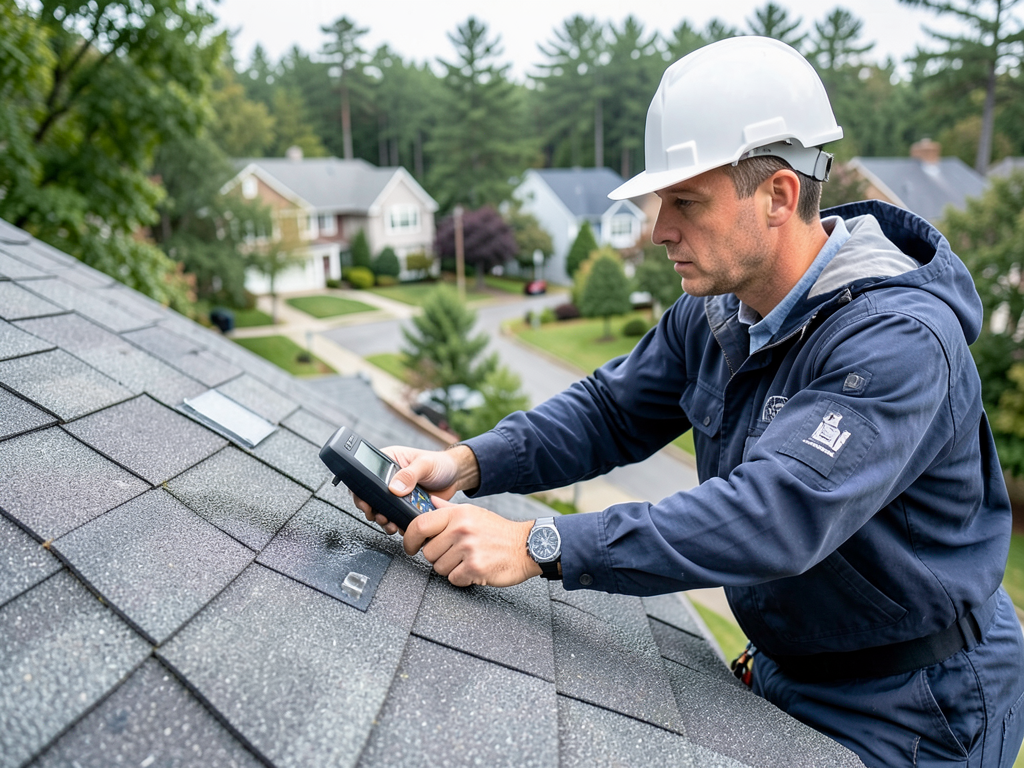
While online research and visual inspection provide valuable information, nothing replaces a professional roof assessment when making a major home purchase. The cost of a professional inspection is minimal compared to the potential expense of replacing a roof shortly after closing.
Professional roofers use moisture meters, infrared cameras, and detailed inspection protocols that identify problems invisible to homeowners. They can determine whether curling is cosmetic or indicates underlying deck rot, whether algae growth is superficial or signals ventilation issues, and whether fastener patterns meet current code requirements.
Ask for a written roof certification that includes specific findings about age, condition, remaining lifespan, and immediate repair needs. This document becomes valuable during negotiations and provides documentation for insurance companies. Some Forest Hills home inspectors offer specialized roof certifications that include drone photography for hard-to-see areas.
The investment in professional inspection typically ranges from $150 to $300 but can save thousands by identifying issues before closing. If the inspection reveals a roof nearing replacement age, you may negotiate repair credits or price reductions that offset the inspection cost multiple times over.
Call (656) 245-0955 today to schedule your professional roof age and health assessment for your Forest Hills home purchase. Our local experts understand the specific aging patterns in your neighborhood and can provide the documentation you need for confident buying decisions.
Frequently Asked Questions
How can I find out when my roof was installed without permits?
Check with previous owners, review closing documents, or hire a professional who can estimate age based on material wear patterns and installation techniques specific to different eras. Some roofing manufacturers stamp installation dates on decking or underlayment.
Does a newer roof always mean better insurance rates in Florida?
Not necessarily. Insurance companies also consider material type, installation quality, and wind mitigation features. A 10-year-old roof with proper hurricane straps and secondary water barriers may qualify for better rates than a 5-year-old roof with basic installation.
What’s the biggest mistake buyers make regarding roof age in Forest Hills?
Assuming the roof looks fine from the ground and skipping professional inspection. Many Forest Hills homes have hidden damage from the 2004 hurricane season that isn’t visible without detailed examination of underlayment and decking.
How long do I have to replace a roof after insurance denies coverage?
Insurance companies typically give 30-60 days to provide proof of repair or replacement plans. Some will continue coverage month-to-month if you show active replacement contracts, but coverage may be canceled if work isn’t completed within the agreed timeframe.
Should I get a roof inspection before or after making an offer?
Include a roof inspection contingency in your offer. This protects you from unexpected replacement costs and gives you negotiating leverage if issues are found. Most sellers expect and accommodate reasonable inspection requests.
Understanding your roof’s true age is essential for making smart home buying decisions in Forest Hills. The combination of Florida’s harsh climate, insurance requirements, and the area’s housing stock age creates unique challenges that require thorough investigation before purchase.
Don’t let roof age uncertainty derail your home buying plans or lead to unexpected expenses. Professional assessment provides the documentation you need for insurance approval, negotiating leverage, and long-term budgeting. The small investment in inspection today prevents major financial surprises tomorrow.
Pick up the phone and call (656) 245-0955 before the next storm hits. Our Forest Hills roofing experts are ready to provide the accurate age verification and professional assessment you need to buy with confidence. Your new home deserves the protection of a properly evaluated roof.
You may also find this helpful. Repairing Leaky Porch Roofs on Historic Seminole Heights Bungalows.
You may also find this helpful. Spotting the Red Flags in an Unusually Low Roofing Quote for Your Old Seminole Heights Home.
You may also find this helpful. Fixing a Sagging Roofline on Older Character Homes in the V.M. Ybor Area.
{
“@context”: “https://schema.org”,
“@type”: “BlogPosting”,
“headline”: “How to Determine the Actual Age of Your Roof When Buying a Home in Forest Hills”,
“description”: “Learn how to verify your roof’s true age in Forest Hills using permit records, inspections, and visual clues. Protect your investment and avoid insurance issues.”,
“wordCount”: 1944,
“datePublished”: “2026-04-15T14:22:00.000Z”,
“dateModified”: “2026-04-15T14:22:00.000Z”,
“inLanguage”: “en-US”,
“mainEntityOfPage”: {
“@type”: “WebPage”,
“@id”: “https://crestlineroofingtampa.com”
},
“publisher”: {
“@type”: “LocalBusiness”,
“name”: “Crestline Roofing Tampa”,
“url”: “https://crestlineroofingtampa.com”
},
“author”: {
“@type”: “Organization”,
“name”: “Crestline Roofing Tampa”,
“url”: “https://crestlineroofingtampa.com”
},
“image”: {
“@type”: “ImageObject”,
“url”: “https://crestlineroofingtampa.com/wp-content/uploads/2026/03/how-to-determine-the-actual-age-of-your-roof-when-1.png”
}
}
{
“@context”: “https://schema.org”,
“@type”: “RoofingContractor”,
“name”: “Crestline Roofing Tampa”,
“url”: “https://crestlineroofingtampa.com”,
“address”: {
“@type”: “PostalAddress”,
“addressLocality”: “Tampa”
},
“areaServed”: {
“@type”: “City”,
“name”: “Tampa”
}
}
{
“@context”: “https://schema.org”,
“@type”: “FAQPage”,
“mainEntity”: [
{
“@type”: “Question”,
“name”: “How can I find out when my roof was installed without permits?”,
“acceptedAnswer”: {
“@type”: “Answer”,
“text”: “Check with previous owners, review closing documents, or hire a professional who can estimate age based on material wear patterns and installation techniques specific to different eras. Some roofing manufacturers stamp installation dates on decking or underlayment.”
}
},
{
“@type”: “Question”,
“name”: “Does a newer roof always mean better insurance rates in Florida?”,
“acceptedAnswer”: {
“@type”: “Answer”,
“text”: “Not necessarily. Insurance companies also consider material type, installation quality, and wind mitigation features. A 10-year-old roof with proper hurricane straps and secondary water barriers may qualify for better rates than a 5-year-old roof with basic installation.”
}
},
{
“@type”: “Question”,
“name”: “What’s the biggest mistake buyers make regarding roof age in Forest Hills?”,
“acceptedAnswer”: {
“@type”: “Answer”,
“text”: “Assuming the roof looks fine from the ground and skipping professional inspection. Many Forest Hills homes have hidden damage from the 2004 hurricane season that isn’t visible without detailed examination of underlayment and decking.”
}
},
{
“@type”: “Question”,
“name”: “How long do I have to replace a roof after insurance denies coverage?”,
“acceptedAnswer”: {
“@type”: “Answer”,
“text”: “Insurance companies typically give 30-60 days to provide proof of repair or replacement plans. Some will continue coverage month-to-month if you show active replacement contracts, but coverage may be canceled if work isn’t completed within the agreed timeframe.”
}
},
{
“@type”: “Question”,
“name”: “Should I get a roof inspection before or after making an offer?”,
“acceptedAnswer”: {
“@type”: “Answer”,
“text”: “Include a roof inspection contingency in your offer. This protects you from unexpected replacement costs and gives you negotiating leverage if issues are found. Most sellers expect and accommodate reasonable inspection requests.”
}
}
]
}
{
“@context”: “https://schema.org”,
“@type”: “HowTo”,
“name”: “Roof Material Lifespan Comparison”,
“step”: [
{
“@type”: “HowToStep”,
“position”: 1,
“name”: “Asphalt Architectural Shingles”,
“text”: “15-20 years in Tampa’s climate versus 20-25 years nationally. The intense UV exposure and thermal cycling common in Forest Hills causes granule loss and curling to accelerate. Look for manufacturer stamps indicating installation date and warranty period.”
},
{
“@type”: “HowToStep”,
“position”: 2,
“name”: “Clay or Concrete Tile”,
“text”: “30-50 years for tiles, but underlayment typically fails after 20-25 years. The tiles themselves may look fine while the felt beneath deteriorates. Forest Hills’ mature tree canopy increases debris accumulation that can trap moisture against tiles.”
},
{
“@type”: “HowToStep”,
“position”: 3,
“name”: “Metal Roofing”,
“text”: “40-70 years for standing seam or metal shingles. Salt air near Tampa Bay can cause corrosion in coastal areas of Forest Hills, but proper coating extends lifespan significantly. Metal’s reflective properties actually reduce cooling costs in Florida’s heat.”
}
],
“image”: “https://crestlineroofingtampa.com/wp-content/uploads/2026/03/how-to-determine-the-actual-age-of-your-roof-when-1.png”
}
{
“@context”: “https://schema.org”,
“@type”: “BreadcrumbList”,
“itemListElement”: [
{
“@type”: “ListItem”,
“position”: 1,
“name”: “Home”,
“item”: “https://crestlineroofingtampa.com”
},
{
“@type”: “ListItem”,
“position”: 2,
“name”: “Blog”,
“item”: “https://crestlineroofingtampa.com/blog”
},
{
“@type”: “ListItem”,
“position”: 3,
“name”: “How to Determine the Actual Age of Your Roof When Buying a Home in Forest Hills”
}
]
}
{
“@context”: “https://schema.org”,
“@type”: “Service”,
“serviceType”: “Roofing”,
“provider”: {
“@type”: “LocalBusiness”,
“name”: “Crestline Roofing Tampa”,
“url”: “https://crestlineroofingtampa.com”
},
“areaServed”: {
“@type”: “City”,
“name”: “Tampa”
},
“description”: “Learn how to verify your roof’s true age in Forest Hills using permit records, inspections, and visual clues. Protect your investment and avoid insurance issues.”
}