
The Best Way to Fix Leaking Valley Flashings on Complex South Tampa Rooflines
Water stains on your ceiling after a summer thunderstorm in South Tampa? That dripping sound in your attic? Those are the classic signs of a failing roof valley. In neighborhoods like Hyde Park and Palma Ceia, where mature oak trees drop leaves year-round and afternoon storms dump inches of rain in minutes, valley flashings take a beating. A compromised valley can leak hundreds of gallons before you notice damage inside. This guide shows you exactly what causes valley leaks in South Tampa homes and how our proven repair process stops water dead in its tracks.
Signs Your South Tampa Home Has a Valley Leak
Water follows the path of least resistance. When a valley fails, that path leads straight to your ceiling. Look for these warning signs:
- Brown ceiling stains near exterior walls, especially after heavy rain
- Granule loss concentrated in valleys where water velocity strips asphalt
- Damp attic insulation with a musty smell after storms
- Peeling paint or bubbling drywall on upper floors
- Visible sagging in the roof deck when viewed from the attic
South Tampa homes near Bayshore Boulevard often show damage first because the salt air accelerates metal corrosion in flashings. If you spot any of these signs, call (656) 245-0955 before the next afternoon thunderstorm turns a small leak into major water damage.
Why Roof Valleys Fail in Florida Climates
Florida’s unique weather pattern creates a perfect storm for valley failure. During summer months, Tampa Bay Area thunderstorms can drop 2-3 inches of rain in an hour. That volume of water, combined with the velocity in a valley, creates forces that test even properly installed flashings. Florida Building Code.
Live oak trees common in Culbreath Isles and Sunset Park shed leaves that mix with pine needles and debris. This organic material forms a dam in valleys, causing water to back up under shingles. When temperatures hit 95 degrees, the underlayment bakes and becomes brittle. Thermal shock from afternoon thunderstorms then causes expansion and contraction that breaks the seal.
The Florida Building Code Section 15 requires secondary water barriers in valley areas, but many South Tampa homes built before 2002 lack this protection. Without ice and water shield membranes, a single compromised shingle can allow water infiltration that travels along rafters before dripping through your ceiling.
Our Step-by-Step Valley Repair Process
Proper valley repair requires precision and the right materials. Here’s exactly how we fix leaking valleys on South Tampa homes:
- Valley Inspection and Moisture Mapping
We use thermal imaging to detect moisture patterns and trace water migration paths. This diagnostic step identifies hidden damage that visual inspection misses.
- Shingle and Debris Removal
Carefully remove shingles from the affected valley without damaging surrounding materials. Clean out all organic debris and check for rot in the decking.
- Decking Assessment
Probe the wood with a moisture meter at multiple depths. Replace any sections showing rot or delamination before proceeding.
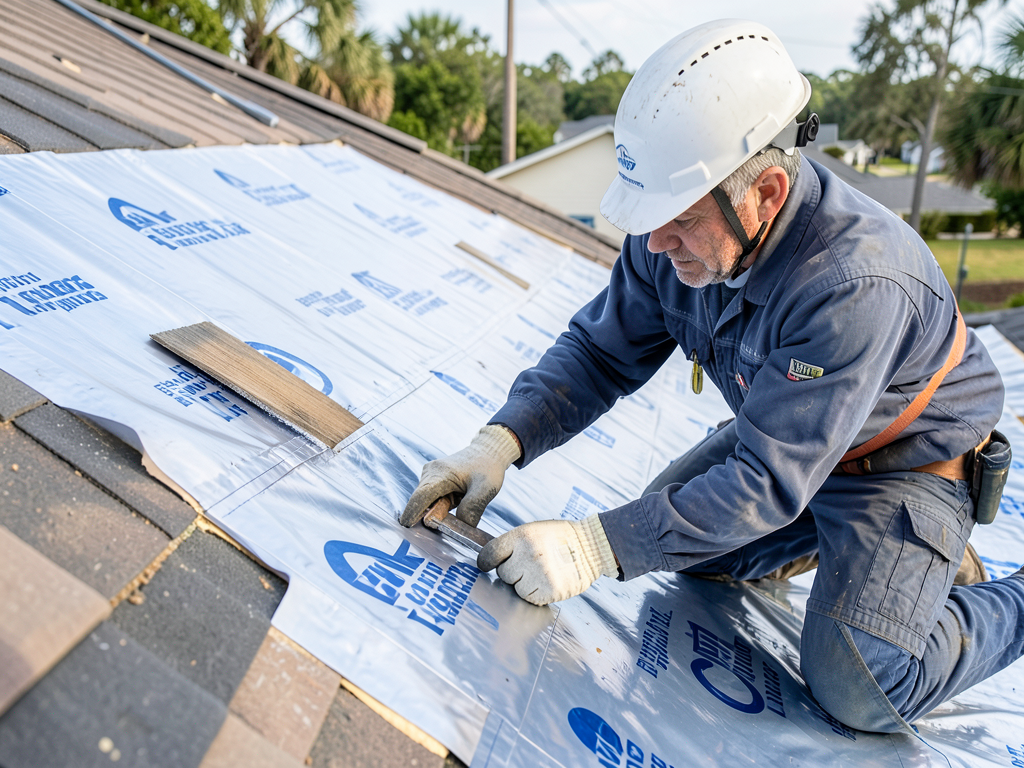
- Ice and Water Shield Installation
Apply self-adhering membrane extending 12 inches beyond the valley centerline on both sides. This creates a secondary barrier against water infiltration.
- Metal Valley Flashing
Install 28-gauge galvanized steel or copper flashing depending on the roof style. Form the flashing to create a smooth channel that directs water flow.
- Shingle Reinstallation
Apply new shingles using the woven or open valley method based on the roof design. Ensure proper overlap and nailing pattern.
- Final Water Testing
Simulate heavy rain with a garden hose to verify the repair before cleanup. Check all interior access points for signs of moisture.
The entire process typically takes 4-6 hours for a standard valley repair. Homes in historic districts like Hyde Park may require additional time to match existing materials and maintain architectural integrity. Preserving the Historic Charm of Seminole Heights Roofs During a Replacement.
South Tampa Historic District Considerations
South Tampa contains several historic districts with strict architectural guidelines. Homes in these areas require specialized knowledge for valley repairs that preserve the original character while meeting modern waterproofing standards. Choosing the Best Roofing Contractor for Your Westchase Home.
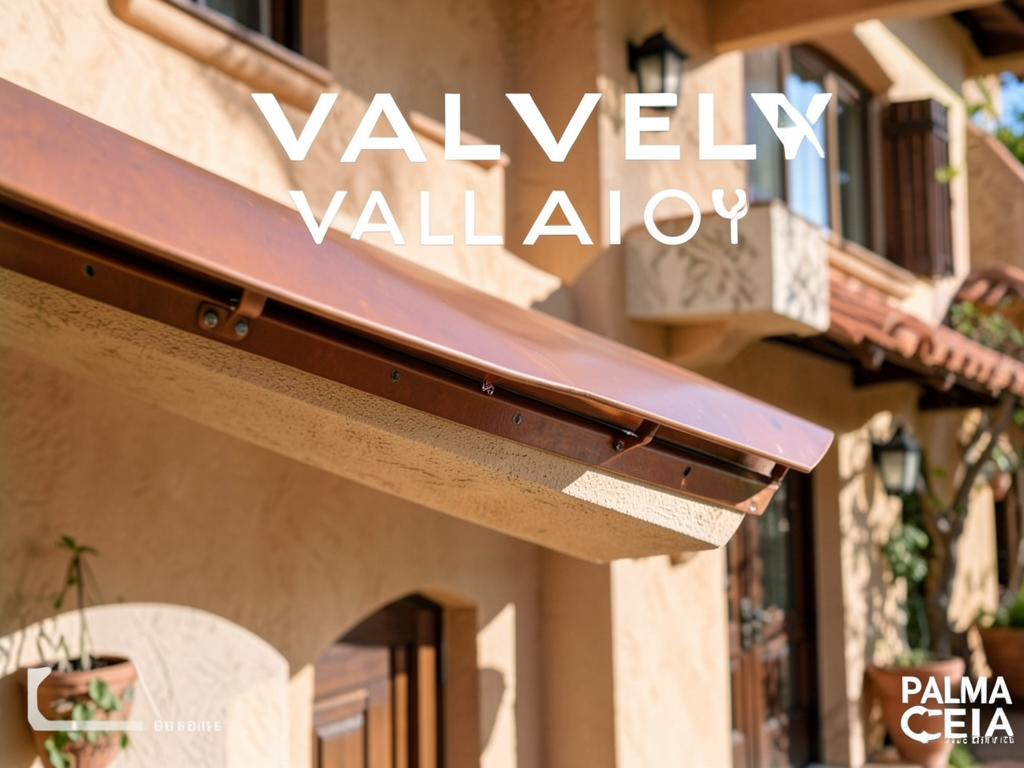
Mediterranean Revival homes common in Palma Ceia often feature barrel tile roofs with open valleys. These require copper flashing that develops a patina matching the existing material. The challenge lies in creating a watertight seal without visible modern materials that would detract from the historic appearance.
Bungalow-style homes in the Hyde Park North Historic District typically have complex rooflines with multiple intersecting valleys. These designs create water flow patterns that standard repairs cannot address. We use custom-fabricated flashing pieces that follow the exact contours of the existing structure.
The City of Tampa Historic Preservation Department requires permits for any roof work affecting more than 25 percent of the surface area. Our team handles all permitting requirements and works directly with preservation officers to ensure compliance while delivering lasting repairs.
Cost Factors for Valley Repair in South Tampa
Valley repair costs vary based on several factors specific to South Tampa homes. Understanding these variables helps you budget accurately for this critical repair.
| Factor | Impact on Cost | South Tampa Example |
|---|---|---|
| Valley Length | $15-25 per linear foot | Typical 20-foot valley: $300-500 |
| Material Type | Standard vs. premium | Copper vs. galvanized steel |
| Decking Damage | $50-150 per sheet | Rotted plywood replacement |
| Historic District | 20-30% premium | Hyde Park permit requirements |
| Emergency Service | $150-300 surcharge | After-hours storm response |
Most South Tampa valley repairs fall between $800 and $2,500 depending on complexity. Homes near the water in Culbreath Isles often require marine-grade materials that increase costs by 15-20 percent but provide superior longevity in the salt-air environment.
Preventing Future Valley Leaks
Once you’ve invested in proper valley repair, protecting that investment makes financial sense. South Tampa’s climate creates ongoing challenges that require proactive maintenance.
Schedule bi-annual valley cleaning during spring and fall. Remove debris accumulation before the summer thunderstorm season and after oak trees drop their leaves in winter. This simple maintenance prevents the damming effect that causes most valley failures.
Install gutter guards on downspouts feeding into valleys. This reduces debris entry and maintains proper water flow during heavy rains. Choose guards with openings small enough to block oak leaves but large enough to prevent clogging.
Consider upgrading to architectural shingles with enhanced granule adhesion in valley areas. These premium shingles resist the granule loss that occurs from high-velocity water flow. The investment typically pays for itself through extended roof life.
Monitor your attic monthly during storm season. Use a flashlight to check for new moisture patterns after each major rain event. Early detection of minor issues prevents major repairs later.
Emergency Tarping Procedures
When a valley fails during a storm, quick action prevents catastrophic damage. Here’s the emergency procedure we recommend for South Tampa homeowners:
- Move valuables away from ceiling stains immediately
- Place buckets under active leaks to prevent floor damage
- Call (656) 245-0955 for 24/7 emergency service
- Avoid walking on wet ceilings which can collapse
- Document damage with photos for insurance claims
Our emergency tarping team typically arrives within 2 hours of your call. We use 20-mil reinforced tarps secured with battens to create a temporary waterproof barrier. This protection holds until permanent repairs can be completed, usually within 48-72 hours.
South Tampa’s afternoon thunderstorm pattern means leaks discovered at 2 PM may worsen significantly by 5 PM when the storms hit. That’s why we maintain crews specifically for emergency valley repairs during storm season.
Choosing the Right Valley Repair Contractor
Not all roofing contractors understand the complexities of South Tampa valley repairs. Here’s what separates qualified professionals from general roofers: Roofing Dunedin.
Experience with historic districts matters. Contractors unfamiliar with Hyde Park or Palma Ceia preservation requirements may use materials or methods that violate local guidelines. This can result in fines and forced rework.
Proper licensing through the Florida Department of Business and Professional Regulation ensures contractors meet state insurance and financial responsibility requirements. Always verify license status before signing any agreement. Navigating Roof Insurance Claims After a Storm in Tampa.
Insurance coverage should include both general liability and workers’ compensation. South Tampa homes often have limited access for equipment, requiring work in confined spaces where injury risks increase.
Manufacturer certifications indicate advanced training in specific roofing systems. GAF Master Elite or Owens Corning Platinum status requires ongoing education and adherence to strict installation standards.
Local references from your specific neighborhood provide the best indication of a contractor’s capabilities. Ask for examples of valley repairs completed within the past year in your area.
Frequently Asked Questions
How long does a valley repair typically last?
Properly installed valley repairs using current materials and methods should last 15-20 years. Factors affecting longevity include material quality, installation technique, and ongoing maintenance. South Tampa’s high humidity and salt air may reduce lifespan by 10-15 percent compared to inland areas.
Can I repair a valley leak myself?
DIY valley repair is not recommended. Valleys handle the highest water volume on your roof and require precise installation to prevent future leaks. Improper repairs often trap water and cause more extensive damage. Professional repair includes moisture detection and structural assessment that DIY methods cannot provide.
Will my insurance cover valley repairs?
Homeowners insurance typically covers valley damage from sudden events like fallen trees or wind damage. However, repairs needed due to normal wear and tear or lack of maintenance are usually not covered. Check your specific policy and document damage thoroughly if filing a claim.
How can I tell if my valley needs repair or replacement?
Minor valley issues like loose flashing or small leaks often require repair. Extensive damage, multiple leak points, or decking rot usually indicates the need for valley replacement. A professional inspection using moisture meters and thermal imaging provides definitive answers. Affordable Roof Replacement Solutions for Homeowners in Riverview.
What’s the difference between open and closed valley systems?
Open valleys use exposed metal flashing where shingles stop short of the valley centerline. Closed valleys weave shingles across the valley. Open systems handle higher water volumes better and are preferred in South Tampa’s heavy rain climate. Closed valleys offer a cleaner appearance but require more maintenance.
Don’t let a small valley leak turn into major water damage. South Tampa’s afternoon thunderstorms won’t wait for convenient repair times. Call (656) 245-0955 today to schedule your valley inspection. Our team understands the unique challenges of complex rooflines in historic districts and modern homes alike. We’ll diagnose the problem, explain your options clearly, and provide lasting repairs that protect your home through every storm. Pick up the phone and call (656) 245-0955 before the next downpour finds your ceiling. For more information, visit International Association of Certified Home Inspectors.
{
“@context”: “https://schema.org”,
“@type”: “BlogPosting”,
“headline”: “The Best Way to Fix Leaking Valley Flashings on Complex South Tampa Rooflines”,
“description”: “Expert roof valley leak repair in South Tampa. Learn how to fix flashing leaks on complex rooflines before the next storm hits. Call (656) 245-0955 today.”,
“wordCount”: 1774,
“datePublished”: “2026-04-25T06:00:00.000Z”,
“dateModified”: “2026-04-25T06:00:00.000Z”,
“inLanguage”: “en-US”,
“mainEntityOfPage”: {
“@type”: “WebPage”,
“@id”: “https://crestlineroofingtampa.com”
},
“publisher”: {
“@type”: “LocalBusiness”,
“name”: “Crestline Roofing Tampa”,
“url”: “https://crestlineroofingtampa.com”
},
“author”: {
“@type”: “Organization”,
“name”: “Crestline Roofing Tampa”,
“url”: “https://crestlineroofingtampa.com”
},
“image”: {
“@type”: “ImageObject”,
“url”: “https://crestlineroofingtampa.com/wp-content/uploads/2026/03/the-best-way-to-fix-leaking-valley-flashings-on-co-1.png”
}
}
{
“@context”: “https://schema.org”,
“@type”: “RoofingContractor”,
“name”: “Crestline Roofing Tampa”,
“url”: “https://crestlineroofingtampa.com”,
“address”: {
“@type”: “PostalAddress”,
“addressLocality”: “Tampa”
},
“areaServed”: {
“@type”: “City”,
“name”: “Tampa”
}
}
{
“@context”: “https://schema.org”,
“@type”: “FAQPage”,
“mainEntity”: [
{
“@type”: “Question”,
“name”: “How long does a valley repair typically last?”,
“acceptedAnswer”: {
“@type”: “Answer”,
“text”: “Properly installed valley repairs using current materials and methods should last 15-20 years. Factors affecting longevity include material quality, installation technique, and ongoing maintenance. South Tampa’s high humidity and salt air may reduce lifespan by 10-15 percent compared to inland areas.”
}
},
{
“@type”: “Question”,
“name”: “Can I repair a valley leak myself?”,
“acceptedAnswer”: {
“@type”: “Answer”,
“text”: “DIY valley repair is not recommended. Valleys handle the highest water volume on your roof and require precise installation to prevent future leaks. Improper repairs often trap water and cause more extensive damage. Professional repair includes moisture detection and structural assessment that DIY methods cannot provide.”
}
},
{
“@type”: “Question”,
“name”: “Will my insurance cover valley repairs?”,
“acceptedAnswer”: {
“@type”: “Answer”,
“text”: “Homeowners insurance typically covers valley damage from sudden events like fallen trees or wind damage. However, repairs needed due to normal wear and tear or lack of maintenance are usually not covered. Check your specific policy and document damage thoroughly if filing a claim.”
}
},
{
“@type”: “Question”,
“name”: “How can I tell if my valley needs repair or replacement?”,
“acceptedAnswer”: {
“@type”: “Answer”,
“text”: “Minor valley issues like loose flashing or small leaks often require repair. Extensive damage, multiple leak points, or decking rot usually indicates the need for valley replacement. A professional inspection using moisture meters and thermal imaging provides definitive answers. Affordable Roof Replacement Solutions for Homeowners in Riverview.”
}
},
{
“@type”: “Question”,
“name”: “What’s the difference between open and closed valley systems?”,
“acceptedAnswer”: {
“@type”: “Answer”,
“text”: “Open valleys use exposed metal flashing where shingles stop short of the valley centerline. Closed valleys weave shingles across the valley. Open systems handle higher water volumes better and are preferred in South Tampa’s heavy rain climate. Closed valleys offer a cleaner appearance but require more maintenance.”
}
}
]
}
{
“@context”: “https://schema.org”,
“@type”: “HowTo”,
“name”: “Valley Repair Process”,
“step”: [
{
“@type”: “HowToStep”,
“position”: 1,
“name”: “Valley Inspection and Moisture Mapping”,
“text”: “We use thermal imaging to detect moisture patterns and trace water migration paths. This diagnostic step identifies hidden damage that visual inspection misses.”
},
{
“@type”: “HowToStep”,
“position”: 2,
“name”: “Shingle and Debris Removal”,
“text”: “Carefully remove shingles from the affected valley without damaging surrounding materials. Clean out all organic debris and check for rot in the decking.”
},
{
“@type”: “HowToStep”,
“position”: 3,
“name”: “Decking Assessment”,
“text”: “Probe the wood with a moisture meter at multiple depths. Replace any sections showing rot or delamination before proceeding.”
},
{
“@type”: “HowToStep”,
“position”: 4,
“name”: “Ice and Water Shield Installation”,
“text”: “Apply self-adhering membrane extending 12 inches beyond the valley centerline on both sides. This creates a secondary barrier against water infiltration.”
},
{
“@type”: “HowToStep”,
“position”: 5,
“name”: “Metal Valley Flashing”,
“text”: “Install 28-gauge galvanized steel or copper flashing depending on the roof style. Form the flashing to create a smooth channel that directs water flow.”
},
{
“@type”: “HowToStep”,
“position”: 6,
“name”: “Shingle Reinstallation”,
“text”: “Apply new shingles using the woven or open valley method based on the roof design. Ensure proper overlap and nailing pattern.”
},
{
“@type”: “HowToStep”,
“position”: 7,
“name”: “Final Water Testing”,
“text”: “Simulate heavy rain with a garden hose to verify the repair before cleanup. Check all interior access points for signs of moisture.”
}
],
“image”: “https://crestlineroofingtampa.com/wp-content/uploads/2026/03/the-best-way-to-fix-leaking-valley-flashings-on-co-1.png”
}
{
“@context”: “https://schema.org”,
“@type”: “BreadcrumbList”,
“itemListElement”: [
{
“@type”: “ListItem”,
“position”: 1,
“name”: “Home”,
“item”: “https://crestlineroofingtampa.com”
},
{
“@type”: “ListItem”,
“position”: 2,
“name”: “Blog”,
“item”: “https://crestlineroofingtampa.com/blog”
},
{
“@type”: “ListItem”,
“position”: 3,
“name”: “The Best Way to Fix Leaking Valley Flashings on Complex South Tampa Rooflines”
}
]
}
{
“@context”: “https://schema.org”,
“@type”: “Service”,
“serviceType”: “Roofing”,
“provider”: {
“@type”: “LocalBusiness”,
“name”: “Crestline Roofing Tampa”,
“url”: “https://crestlineroofingtampa.com”
},
“areaServed”: {
“@type”: “City”,
“name”: “Tampa”
},
“description”: “Expert roof valley leak repair in South Tampa. Learn how to fix flashing leaks on complex rooflines before the next storm hits. Call (656) 245-0955 today.”
}