
Why Water Pools Behind Your Chimney and How a Proper Cricket Saves Your Roof
Water pooling behind your chimney isn’t just annoying—it’s a ticking time bomb for your roof. In Tampa’s tropical climate, where afternoon thunderstorms dump inches of rain in minutes, that trapped water finds the path of least resistance: through your roof deck, into your attic, and eventually into your living room. The solution isn’t complicated, but it’s specific: a properly installed chimney cricket. This small, triangular structure behind your chimney diverts water around the obstruction, preventing the ‘dead valley’ where leaks start. Without it, you’re gambling with thousands in water damage every time a storm rolls through.
The Anatomy of a Chimney Cricket: Materials and Design Standards
A chimney cricket isn’t decorative—it’s engineered water management. The structure consists of a sloped frame that creates a valley on both sides of your chimney, directing water flow away from the dead zone. In Tampa, where building codes account for 140+ mph winds and torrential rainfall, the materials matter significantly.
The frame typically uses pressure-treated lumber rated for exterior exposure. For coastal homes in areas like Dunedin or St. Pete, galvanized steel flashing becomes essential because salt air corrodes standard materials within 5-7 years. The cricket’s slope should be at least half the pitch of your main roof—so a 6:12 pitch roof needs a 3:12 minimum cricket slope. Roofing Dunedin.
Underlayment beneath the cricket requires more than standard felt paper. Florida Building Code mandates ice and water shield in all valleys, extending at least 24 inches past the cricket’s centerline. This self-adhering membrane prevents wind-driven rain from backing up under shingles during tropical storms. Florida Building Code Chapter 9 Roof Assembly.
Signs You Need a Cricket: Addressing Ponding Water and ‘Dead Valley’ Leaks
How do you know if your chimney needs a cricket? The most obvious sign is water staining on your ceiling near the chimney. But by the time you see that stain, the damage has been happening for months—sometimes years.
During our inspections in Tampa neighborhoods like Lutz and Bloomingdale, we look for these diagnostic indicators:
- Algae or moss growth on the chimney’s uphill side—a clear sign of constant moisture exposure
- Curling or missing shingles directly behind the chimney
- Soft spots when walking near the chimney base (indicates rotted decking)
- Water marks on attic rafters or decking visible from inside
The ‘dead valley’ effect is particularly problematic in Tampa because our summer thunderstorms create concentrated water flow. A standard 20-foot chimney on a 6:12 pitch roof can channel hundreds of gallons during a heavy downpour. Without a cricket, that water has nowhere to go but backward.
Step-by-Step Installation Process (from Wood Framing to Flashing and Final Shingling)
Installing a chimney cricket isn’t a weekend DIY project—it requires precision framing and waterproofing that meets Florida Building Code standards. Here’s what professional installation looks like: Choosing the Best Roofing Contractor for Your Westchase Home.
- Frame Assessment and Removal
The existing shingles and underlayment behind the chimney are removed. The roof deck is inspected for rot—if the wood feels spongy or shows water damage, it must be replaced before proceeding.. Read more about How to Spot a Bad Roof Installation Before You Pay the Final Bill.
- Cricket Framing
Pressure-treated 2x lumber creates the cricket’s triangular frame. The peak height depends on chimney width—Florida Building Code R903.2.2 requires crickets for chimneys over 30 inches wide. The frame is secured to the roof rafters for structural integrity.
- Underlayment Application
Ice and water shield extends from the cricket’s peak down both sides, overlapping onto the main roof by at least 12 inches. This creates a waterproof barrier that self-seals around nails.
- Flashing Installation
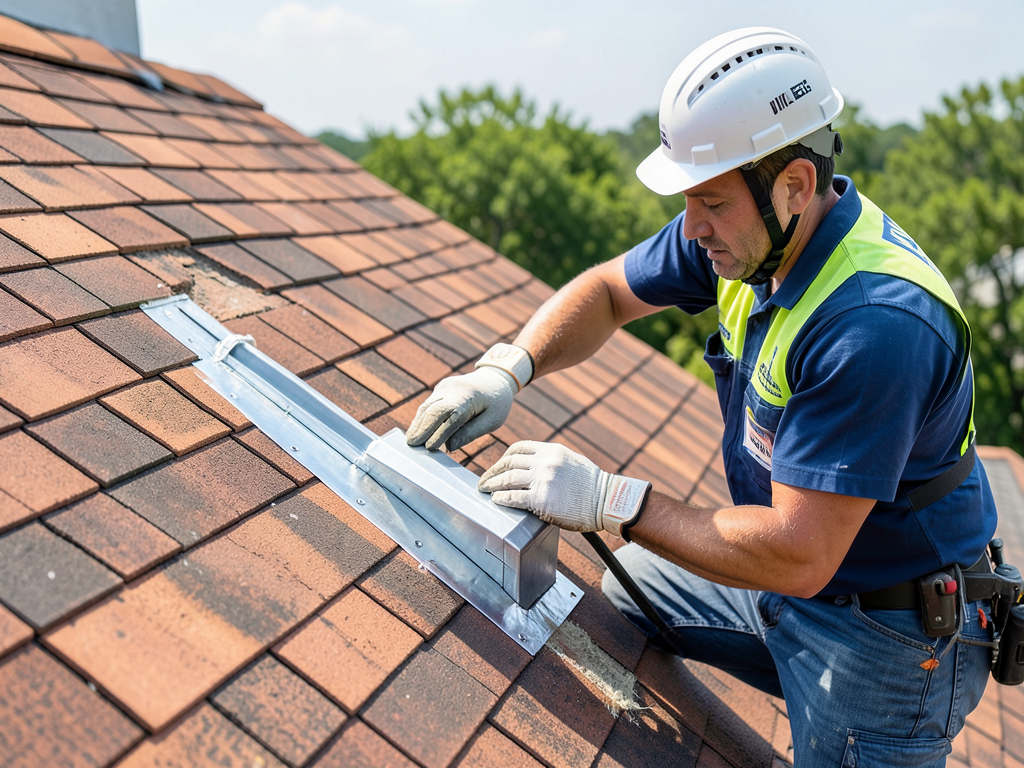
Step flashing integrates with the chimney’s counter-flashing. Each piece of step flashing is woven into the shingle pattern, creating a watertight seal that moves with temperature changes.
- Shingle Integration
New shingles extend across the cricket, maintaining the roof’s original pattern. The cricket should be invisible from street view when complete.
Local Considerations: Florida Building Code Requirements for Chimneys Wider Than 30 Inches
Florida Building Code Section R903.2.2 specifically addresses chimney crickets: ‘A cricket or saddle shall be installed on the ridge side of any chimney or penetration greater than 30 inches wide as measured perpendicular to the slope.’ This isn’t optional—it’s code compliance that affects your home’s wind mitigation inspection.
In Tampa’s High Velocity Hurricane Zone (HVHZ), the requirements go further. The cricket must be designed to withstand uplift forces equal to the main roof structure. This means hurricane ties securing the frame to the roof trusses and corrosion-resistant fasteners rated for coastal exposure.
For homes in flood zones A or V near Tampa Bay, the cricket’s underlayment must meet additional requirements. The ice and water shield should extend up the chimney sides by at least 6 inches, creating a waterproof transition that prevents storm surge-driven rain from entering the chimney chase.. Read more about Managing the Transition from Pitched to Flat Roofs on Your South Tampa Addition.
Cost Factors: Materials, Labor, and Roof Pitch Complexities in the Tampa Market
The cost of installing a chimney cricket in Tampa varies significantly based on several factors. A basic retrofit on a single-story ranch in Bloomingdale might cost $1,200-1,800, while a complex installation on a steep Mediterranean Revival in South Tampa could exceed $3,500.
Key cost drivers include:
| Factor | Cost Impact | Tampa-Specific Considerations |
|---|---|---|
| Chimney Width | Wider = More Materials | 30+ inches triggers code requirements |
| Roof Pitch | Steeper = More Labor | Many Tampa homes have 8:12+ pitches |
| Material Type | Tile vs. Shingle | Tile requires specialized flashing |
| Accessibility | Height/Obstacles | Multi-story homes need additional safety equipment |
Material choices also affect longevity. Galvanized steel flashing costs 30% more than aluminum but lasts 15-20 years versus 7-10 in Tampa’s coastal environment. Copper offers 40+ year lifespan but doubles the material cost.
The Impact of Chimney Crickets on Roof Life Expectancy
A properly installed chimney cricket doesn’t just prevent leaks—it can extend your entire roof’s lifespan by 5-8 years. The dead valley behind an unprotected chimney creates a microclimate of constant moisture that accelerates shingle deterioration across a 6-8 foot radius.
We’ve inspected roofs in East Lake where the shingles within 3 feet of the chimney were failing 10 years before the rest of the roof. The trapped water causes granule loss, warping, and eventually exposes the asphalt to UV damage. Once that protective layer fails, the entire roofing system’s integrity is compromised. Roofing Saint Petersburg.
For homeowners in Tampa’s suburban neighborhoods, this means the difference between replacing your roof at year 20 versus year 28. Given that a typical asphalt shingle roof costs $8,000-15,000, that’s $4,000-6,000 in avoided replacement costs. Affordable Roof Replacement Solutions for Homeowners in Riverview.
Frequently Asked Questions
Can I install a chimney cricket myself?
DIY installation is possible but risky. The flashing integration requires precise angles and overlaps that prevent water infiltration. One misaligned piece can create a leak worse than the original problem. Plus, Florida Building Code compliance requires specific materials and installation methods that most homeowners don’t know.
How long does a chimney cricket last?
A properly installed cricket with quality materials should last the life of your roof—20-30 years in Tampa’s climate. The key is using corrosion-resistant flashing and ensuring the underlayment remains intact. Annual inspections can catch minor issues before they become major problems.
Will my insurance cover cricket installation?
Standard homeowners insurance typically doesn’t cover cricket installation because it’s considered preventive maintenance rather than damage repair. However, some policies offer discounts for wind mitigation features, and a properly installed cricket can help you qualify for those credits. Navigating Roof Insurance Claims After a Storm in Tampa.
What’s the difference between a cricket and a saddle?
Technically, they’re the same thing. ‘Cricket’ is the more common term in North America, while ‘saddle’ is used in some regions and by certain manufacturers. Both refer to the triangular structure that diverts water around a chimney or other roof penetration.
How do I know if my current cricket is failing?
Look for rust stains on the chimney, missing or damaged shingles around the cricket, or water marks on interior walls near the chimney. A professional inspection can identify subtle signs like lifted flashing or deteriorated underlayment that homeowners often miss.
Call (656) 245-0955 today to schedule your inspection. Don’t wait for the next storm to find out if your chimney has a cricket problem. Our Tampa-based team can assess your roof’s water management system and recommend solutions that protect your home for decades.

Water damage from a missing or failing chimney cricket can cost thousands in repairs. The cost of prevention is a fraction of the damage repair. Whether you’re in Dunedin, St. Petersburg, Lutz, or anywhere in the Tampa Bay area, we understand the local building codes and climate challenges that make proper chimney crickets essential. For more information, visit NRCA Roofing Manual.
You may also find this helpful. Why Those Sideways Rainstorms in Northdale Cause Leaks That No One Can Find.
{
“@context”: “https://schema.org”,
“@type”: “BlogPosting”,
“headline”: “Why Water Pools Behind Your Chimney and How a Proper Cricket Saves Your Roof”,
“description”: “Discover why water pools behind chimneys in Tampa homes and how a properly installed cricket prevents costly leaks. Learn Florida Building Code requirements and local solutions.”,
“wordCount”: 1446,
“datePublished”: “2026-05-22T12:06:00.000Z”,
“dateModified”: “2026-05-22T12:06:00.000Z”,
“inLanguage”: “en-US”,
“mainEntityOfPage”: {
“@type”: “WebPage”,
“@id”: “https://crestlineroofingtampa.com”
},
“publisher”: {
“@type”: “LocalBusiness”,
“name”: “Crestline Roofing Tampa”,
“url”: “https://crestlineroofingtampa.com”
},
“author”: {
“@type”: “Organization”,
“name”: “Crestline Roofing Tampa”,
“url”: “https://crestlineroofingtampa.com”
},
“image”: {
“@type”: “ImageObject”,
“url”: “https://crestlineroofingtampa.com/wp-content/uploads/2026/03/why-water-pools-behind-your-chimney-and-how-a-prop-1.png”
}
}
{
“@context”: “https://schema.org”,
“@type”: “RoofingContractor”,
“name”: “Crestline Roofing Tampa”,
“url”: “https://crestlineroofingtampa.com”,
“address”: {
“@type”: “PostalAddress”,
“addressLocality”: “Tampa”
},
“areaServed”: {
“@type”: “City”,
“name”: “Tampa”
}
}
{
“@context”: “https://schema.org”,
“@type”: “FAQPage”,
“mainEntity”: [
{
“@type”: “Question”,
“name”: “Can I install a chimney cricket myself?”,
“acceptedAnswer”: {
“@type”: “Answer”,
“text”: “DIY installation is possible but risky. The flashing integration requires precise angles and overlaps that prevent water infiltration. One misaligned piece can create a leak worse than the original problem. Plus, Florida Building Code compliance requires specific materials and installation methods that most homeowners don’t know.”
}
},
{
“@type”: “Question”,
“name”: “How long does a chimney cricket last?”,
“acceptedAnswer”: {
“@type”: “Answer”,
“text”: “A properly installed cricket with quality materials should last the life of your roof—20-30 years in Tampa’s climate. The key is using corrosion-resistant flashing and ensuring the underlayment remains intact. Annual inspections can catch minor issues before they become major problems.”
}
},
{
“@type”: “Question”,
“name”: “Will my insurance cover cricket installation?”,
“acceptedAnswer”: {
“@type”: “Answer”,
“text”: “Standard homeowners insurance typically doesn’t cover cricket installation because it’s considered preventive maintenance rather than damage repair. However, some policies offer discounts for wind mitigation features, and a properly installed cricket can help you qualify for those credits. Navigating Roof Insurance Claims After a Storm in Tampa.”
}
},
{
“@type”: “Question”,
“name”: “What’s the difference between a cricket and a saddle?”,
“acceptedAnswer”: {
“@type”: “Answer”,
“text”: “Technically, they’re the same thing. ‘Cricket’ is the more common term in North America, while ‘saddle’ is used in some regions and by certain manufacturers. Both refer to the triangular structure that diverts water around a chimney or other roof penetration.”
}
},
{
“@type”: “Question”,
“name”: “How do I know if my current cricket is failing?”,
“acceptedAnswer”: {
“@type”: “Answer”,
“text”: “Look for rust stains on the chimney, missing or damaged shingles around the cricket, or water marks on interior walls near the chimney. A professional inspection can identify subtle signs like lifted flashing or deteriorated underlayment that homeowners often miss.”
}
}
]
}
{
“@context”: “https://schema.org”,
“@type”: “HowTo”,
“name”: “Chimney Cricket Installation Process”,
“step”: [
{
“@type”: “HowToStep”,
“position”: 1,
“name”: “Frame Assessment and Removal”,
“text”: “The existing shingles and underlayment behind the chimney are removed. The roof deck is inspected for rot—if the wood feels spongy or shows water damage, it must be replaced before proceeding.”
},
{
“@type”: “HowToStep”,
“position”: 2,
“name”: “Cricket Framing”,
“text”: “Pressure-treated 2x lumber creates the cricket’s triangular frame. The peak height depends on chimney width—Florida Building Code R903.2.2 requires crickets for chimneys over 30 inches wide. The frame is secured to the roof rafters for structural integrity.”
},
{
“@type”: “HowToStep”,
“position”: 3,
“name”: “Underlayment Application”,
“text”: “Ice and water shield extends from the cricket’s peak down both sides, overlapping onto the main roof by at least 12 inches. This creates a waterproof barrier that self-seals around nails.”
},
{
“@type”: “HowToStep”,
“position”: 4,
“name”: “Flashing Installation”,
“text”: “Step flashing integrates with the chimney’s counter-flashing. Each piece of step flashing is woven into the shingle pattern, creating a watertight seal that moves with temperature changes.”
},
{
“@type”: “HowToStep”,
“position”: 5,
“name”: “Shingle Integration”,
“text”: “New shingles extend across the cricket, maintaining the roof’s original pattern. The cricket should be invisible from street view when complete.”
}
],
“image”: “https://crestlineroofingtampa.com/wp-content/uploads/2026/03/why-water-pools-behind-your-chimney-and-how-a-prop-1.png”
}
{
“@context”: “https://schema.org”,
“@type”: “BreadcrumbList”,
“itemListElement”: [
{
“@type”: “ListItem”,
“position”: 1,
“name”: “Home”,
“item”: “https://crestlineroofingtampa.com”
},
{
“@type”: “ListItem”,
“position”: 2,
“name”: “Blog”,
“item”: “https://crestlineroofingtampa.com/blog”
},
{
“@type”: “ListItem”,
“position”: 3,
“name”: “Why Water Pools Behind Your Chimney and How a Proper Cricket Saves Your Roof”
}
]
}
{
“@context”: “https://schema.org”,
“@type”: “Service”,
“serviceType”: “Roofing”,
“provider”: {
“@type”: “LocalBusiness”,
“name”: “Crestline Roofing Tampa”,
“url”: “https://crestlineroofingtampa.com”
},
“areaServed”: {
“@type”: “City”,
“name”: “Tampa”
},
“description”: “Discover why water pools behind chimneys in Tampa homes and how a properly installed cricket prevents costly leaks. Learn Florida Building Code requirements and local solutions.”
}