
Everything You Need to Know About Roofing an Accessory Dwelling Unit in Seminole Heights
Building an Accessory Dwelling Unit in Seminole Heights requires specialized roofing knowledge that goes beyond standard residential installations. Your ADU roof must match your main home’s aesthetic while meeting Tampa’s strict building codes for hurricane resistance and secondary structures. This comprehensive guide covers everything from material selection to permitting requirements specific to Seminole Heights and the greater Tampa area. Choosing the Best Roofing Contractor for Your Westchase Home.
Why ADU Roofing in Seminole Heights Requires Specialized Expertise
ADU roofing presents unique challenges that demand local expertise. The historic bungalow character of many Seminole Heights homes means your accessory structure needs to complement architectural details while providing modern weather protection. Tampa’s High-Velocity Hurricane Zone requirements apply to all new structures, including ADUs under 500 square feet. City of Tampa Development Services.
The soil composition in Seminole Heights affects foundation depth and roof load calculations. The area’s sandy loam soil requires specific engineering considerations that impact your roofing system’s structural requirements. Additionally, Seminole Heights falls within specific wind zones that dictate uplift resistance ratings for all roofing materials. Roofing Dunedin.
Local permitting through the City of Tampa’s Development Services department includes specialized inspections for secondary structures. Your ADU roof must pass final inspection before occupancy, with particular attention to proper flashing details and tie-in connections to the main structure if attached.
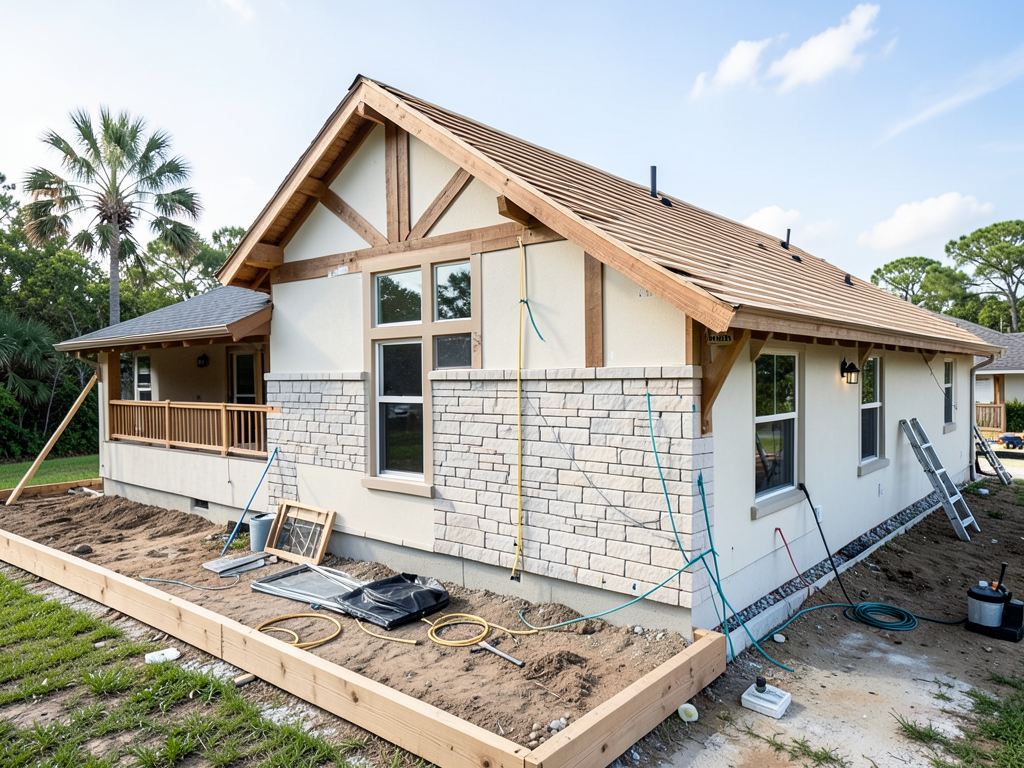
Roofing Material Options for Tampa ADUs
Selecting the right roofing material for your Seminole Heights ADU involves balancing aesthetics, durability, and code compliance. Here’s a detailed comparison of the most suitable options: Roofing Saint Petersburg.
| Material | Cost per Square | Wind Rating | Best For | Maintenance |
|---|---|---|---|---|
| Asphalt Architectural Shingles | $350-450 | 130 mph | Matching existing homes | Low |
| Standing Seam Metal | $600-800 | 160+ mph | Modern designs | Very low |
| TPO Flat Roofing | $450-600 | 120 mph | Studio ADUs | Low |
| Concrete Tiles | $700-900 | 150 mph | Mediterranean styles | Medium |
Asphalt architectural shingles remain the most popular choice for Seminole Heights ADUs due to their ability to match existing home styles while providing adequate hurricane protection. The 130 mph wind rating meets Tampa’s minimum requirements for structures under 2,000 square feet.
Metal roofing offers superior longevity and wind resistance for modern ADU designs. The standing seam profile resists wind uplift better than exposed fastener systems, making it ideal for the exposed locations common in Seminole Heights where wind channeling occurs between buildings.
TPO membrane systems work excellently for flat or low-slope ADU roofs, particularly for garage conversions or modern studio designs. The white reflective surface reduces heat gain in Tampa’s climate, potentially lowering cooling costs for your ADU.
Navigating Tampa Building Codes for ADU Roofing
The Florida Building Code (FBC) Chapter 16 governs all roofing installations in Tampa, with additional requirements for secondary structures in the High-Velocity Hurricane Zone. Seminole Heights falls within Wind Zone III, requiring minimum 130 mph wind resistance for all roofing systems. Florida Building Code.
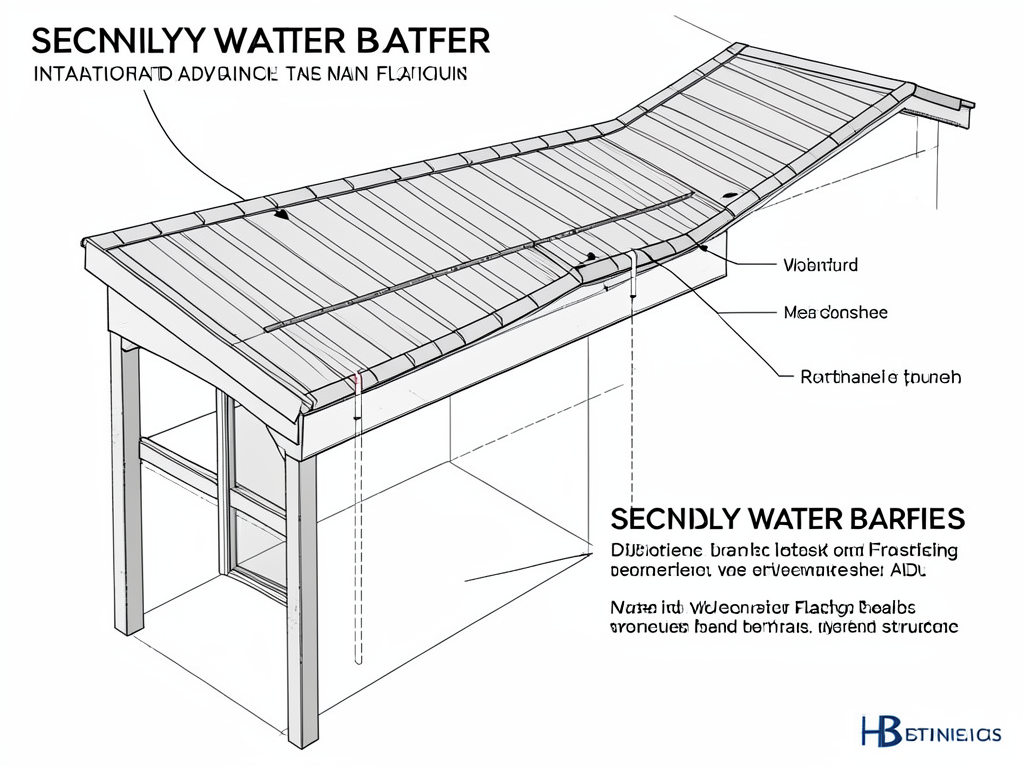
Secondary water barriers are mandatory for all new ADU roofing in Tampa. This self-adhering polymer-modified bitumen membrane must be installed at eaves and valleys to prevent water infiltration if the primary roof covering fails during a hurricane. The barrier extends at least 24 inches up the roof slope from the exterior wall.
Roof-to-wall connections must meet specific uplift resistance requirements. For typical ADU structures in Seminole Heights, this means hurricane clips or straps rated for 500+ pounds of uplift force. The connections must be inspected and approved before final roofing installation.
Roof sheathing requirements vary based on ADU size and location. Structures under 500 square feet typically require minimum 7/16-inch plywood or OSB, while larger ADUs need 19/32-inch sheathing. All sheathing must be properly spaced and nailed according to FBC Table 2304.10.3.
Permitting through the City of Tampa requires detailed roof plans showing material specifications, wind uplift calculations, and tie-in details to the main structure. The process typically takes 2-3 weeks for approval, with final inspections scheduled within 48 hours of completion request.
- Pre-Application Meeting
Meet with Tampa Development Services to review ADU plans and identify specific code requirements for your property.
- Permit Application
Submit detailed roof plans including material specs, wind calculations, and secondary water barrier details.
- Plan Review
City reviewers check compliance with FBC Chapter 16 and HVHZ requirements.
- Permit Issuance
Receive approved permit and pay fees based on ADU square footage.
- Inspections
Schedule framing inspection before roofing, then final inspection after completion.
Matching Your ADU Roof to Your Seminole Heights Home
The architectural character of Seminole Heights ranges from Craftsman bungalows to Mediterranean Revival styles, each requiring specific roofing approaches to maintain neighborhood harmony. Your ADU roof should complement your main home’s architectural details while meeting modern performance standards.
For Craftsman-style homes common in Seminole Heights, architectural asphalt shingles in earth tones provide the best aesthetic match. The dimensional profile mimics the look of wood shakes while providing superior hurricane resistance. Proper color selection is crucial – consult historic district guidelines if your property falls within designated areas. Preserving the Historic Charm of Seminole Heights Roofs During a Replacement.
Mediterranean Revival homes benefit from concrete or clay tile roofing for ADUs. While more expensive, tiles provide authentic appearance and excellent longevity in Tampa’s climate. The weight of tile roofing requires additional structural support but offers superior wind resistance in hurricane conditions.
Modern ADU designs in Seminole Heights often feature flat or low-slope roofs with TPO or modified bitumen systems. These materials provide clean lines that complement contemporary architecture while offering excellent waterproofing and energy efficiency through reflective surfaces.
The roof pitch must consider both aesthetic and functional requirements. A 4:12 pitch provides adequate water drainage while maintaining proportional appearance for most ADU designs. Steeper pitches may be necessary for certain architectural styles but increase material costs and wind exposure.
Flashing details around roof penetrations require special attention in Seminole Heights’ historic district. Copper flashing provides superior longevity and develops an attractive patina that complements older homes. All flashing must be properly integrated with the secondary water barrier to prevent leaks.
Cost Factors for ADU Roofing in Tampa
ADU roofing costs in Seminole Heights vary significantly based on material selection, roof complexity, and permitting requirements. Understanding these cost factors helps you budget accurately for your accessory dwelling unit project.
Material costs represent the largest variable expense. Asphalt shingles typically cost $350-450 per square for ADU applications, while metal roofing runs $600-800 per square. Premium materials like concrete tile can exceed $900 per square but offer superior longevity and aesthetics.
Labor costs for ADU roofing in Seminole Heights average 50-60% of total project costs. The smaller scale of ADU projects means less economy of scale compared to full home roofing, but the work often requires more precision around existing structures and tie-in connections.
Permitting fees through the City of Tampa range from $300-600 for ADU roofing, depending on structure size and complexity. Additional fees may apply for historic district properties or structures requiring special engineering review.
Wind mitigation inspections after roofing completion can qualify your ADU for insurance discounts. The inspection costs $100-200 but may reduce annual premiums by 10-15% if proper hurricane-rated materials and connections are documented. Navigating Roof Insurance Claims After a Storm in Tampa.
Secondary water barrier installation adds $1-2 per square foot to project costs but is mandatory for all new ADU roofing in Tampa. This investment provides crucial protection against water infiltration during severe weather events.
Maintenance Considerations for ADU Roofs in Tampa
ADU roofs in Seminole Heights face unique maintenance challenges due to their smaller size and proximity to larger structures. Understanding these challenges helps you protect your investment and extend roof life in Tampa’s harsh climate.
Gutter systems for ADUs require careful sizing to handle Florida’s intense rainfall. A 400 square foot ADU roof in Seminole Heights needs minimum 5-inch gutters with adequate downspouts to prevent overflow during summer thunderstorms. Regular cleaning prevents debris buildup that can cause water damage.
Debris accumulation is more problematic on smaller ADU roofs due to limited drainage area. Tree debris from mature oaks common in Seminole Heights can trap moisture against roofing materials, accelerating deterioration. Quarterly cleaning prevents these issues.
UV exposure affects ADU roofs differently than main home roofs. The smaller surface area means more concentrated UV damage, particularly on south-facing slopes. Reflective roofing materials or cool roof coatings can reduce heat gain and extend material life in Tampa’s intense sun.
Roof inspections for ADUs should occur twice yearly, focusing on flashing details and tie-in connections to the main structure. The smaller scale means problems can develop more quickly – a small leak in an ADU can cause significant interior damage before detection.
Ventilation requirements for ADU attics differ from main homes. The smaller volume requires careful calculation to prevent moisture buildup while maintaining energy efficiency. Proper ventilation extends roof life by preventing heat and moisture damage to structural components.
Energy Efficiency and Sustainability for ADU Roofs
ADU roofing in Seminole Heights offers excellent opportunities for energy efficiency and sustainability. Florida’s building codes encourage sustainable practices, and ADUs provide a perfect testing ground for innovative roofing solutions.
Cool roofing options significantly reduce heat gain in Tampa’s climate. White TPO membranes reflect up to 85% of solar radiation, while light-colored asphalt shingles can reflect 30-40%. The energy savings can offset higher initial material costs within 3-5 years.
Solar integration for ADU roofs has become increasingly popular in Seminole Heights. The smaller roof area limits total system size but can still provide substantial energy offset for ADU electrical needs. Florida’s net metering laws make solar installations economically attractive for accessory structures.
Rainwater harvesting systems work excellently with ADU roofs due to their smaller collection area and proximity to gardens or landscaping. A 400 square foot ADU roof can collect over 6,000 gallons annually in Tampa’s climate, providing irrigation water for surrounding landscaping.
Recycled content roofing materials are available for environmentally conscious homeowners. Some asphalt shingles contain up to 25% recycled content, while metal roofing often includes significant recycled material and is fully recyclable at end of life.
Green roof systems, while less common for ADUs, provide excellent insulation and stormwater management. The additional weight requires structural reinforcement but can create unique outdoor living spaces for ADUs designed as studios or offices.
Common ADU Roofing Problems and Solutions
Understanding common ADU roofing issues in Seminole Heights helps you prevent problems and recognize when professional intervention is needed. The unique characteristics of accessory structures create specific failure patterns that experienced contractors know to address.
Improper tie-in flashing is the most common ADU roofing failure. The connection between ADU and main home roofs creates vulnerable points where water can penetrate. Proper integration requires overlapping materials and sealed joints that accommodate building movement.
Insufficient slope on ADU roofs causes ponding and premature material failure. Minimum 2:12 pitch is required for most roofing materials, but 3:12 or greater provides better drainage in Tampa’s heavy rainfall. Flat roofs need tapered insulation to ensure positive drainage.
Ventilation problems in ADU attics lead to moisture buildup and material deterioration. The smaller attic spaces require careful calculation of intake and exhaust ventilation to prevent condensation and heat buildup. Improper ventilation can void material warranties.
Flashing deterioration around roof penetrations occurs more quickly on ADUs due to concentrated wear patterns. Plumbing vents, HVAC equipment, and other penetrations require regular inspection and maintenance. Upgrading to EPDM or silicone-based flashing extends service life.
Wind uplift damage is more severe on ADUs due to their smaller size and exposure patterns. Proper fastening patterns and hurricane-rated materials prevent this damage. The Florida Building Code requires specific uplift resistance calculations based on structure size and location.
Choosing the Right ADU Roofing Contractor in Seminole Heights
Selecting a qualified roofing contractor for your Seminole Heights ADU requires careful evaluation of experience, licensing, and local knowledge. The specialized nature of ADU roofing demands contractors who understand both the technical requirements and neighborhood context.
Florida contractor licensing through the Department of Business and Professional Regulation (DBPR) is mandatory for all roofing work. Verify license status and check for any complaints or disciplinary actions. ADU projects require specific experience with secondary structures and tie-in connections.
Local references are crucial for ADU projects. Ask potential contractors for examples of completed ADUs in Seminole Heights or similar historic districts. The ability to match existing architectural styles while meeting modern code requirements demonstrates necessary expertise.
Insurance coverage must include both general liability and workers’ compensation. ADU projects often involve work near occupied structures, requiring adequate insurance to protect both property owner and contractor. Verify coverage amounts and request certificates before work begins.
Warranty offerings vary significantly between contractors. Look for manufacturers who provide system warranties covering both materials and installation. ADU projects benefit from comprehensive warranties that address tie-in details and secondary structures specifically.
Communication skills and project management capabilities are essential for ADU roofing. The smaller scale means tighter tolerances and more precise scheduling. Choose contractors who provide detailed timelines and maintain clear communication throughout the project.
Frequently Asked Questions
How long does ADU roofing installation take in Seminole Heights?
Most ADU roofing projects in Seminole Heights take 2-4 days for material installation, plus 1-2 days for permitting and inspections. Weather delays are common during summer months, so schedule accordingly.
Do I need a separate permit for ADU roofing?
Yes, ADU roofing requires its own building permit through the City of Tampa. The permit process includes plan review for code compliance and inspections before, during, and after installation.
Can I match my ADU roof to my main home’s existing roof?
Absolutely. Most ADU roofing uses the same materials and colors as the main home to maintain architectural consistency. Professional contractors can match existing shingle styles and colors precisely.
What’s the best roofing material for hurricane resistance?
Standing seam metal roofing offers the best hurricane resistance, with ratings exceeding 160 mph wind uplift. However, properly installed architectural asphalt shingles meet Tampa’s minimum requirements and provide good protection at lower cost.
How much does ADU roofing cost in Seminole Heights?
ADU roofing costs in Seminole Heights range from $350-900 per square, depending on material selection. A typical 400 square foot ADU roof costs $4,000-7,000 including materials, labor, and permitting.
Will my ADU roof affect my home insurance?
Properly installed ADU roofing with hurricane-rated materials may qualify for insurance discounts. Wind mitigation inspections after installation can document these features for potential premium reductions.
Do ADUs need special ventilation?
Yes, ADU attics require specific ventilation calculations based on their smaller size. Proper ventilation prevents moisture buildup and extends roof life. The Florida Building Code provides detailed requirements for secondary structures.
Can I install solar panels on my ADU roof?
Yes, solar integration is popular for ADUs in Seminole Heights. The smaller roof area limits system size but can still provide significant energy offset. Florida’s net metering laws make solar installations economically attractive.
What maintenance does an ADU roof require?
ADU roofs need biannual inspections focusing on flashing details, tie-in connections, and debris removal. The smaller size means problems can develop more quickly, so regular maintenance prevents costly repairs.
How do I know if my ADU roof meets code?
Proper permitting and inspections ensure code compliance. Your contractor should provide documentation of wind uplift ratings, secondary water barrier installation, and tie-in connections that meet Florida Building Code requirements.
Ready to Start Your ADU Roofing Project?
ADU roofing in Seminole Heights requires expertise in local building codes, historic preservation, and hurricane-resistant construction. The specialized nature of these projects demands contractors who understand both the technical requirements and neighborhood context.
Don’t risk your investment with inexperienced contractors. Proper installation protects your ADU and main home while ensuring code compliance and insurance eligibility. The right roofing system provides decades of worry-free protection for your accessory dwelling unit.
Call (656) 245-0955 today to schedule your ADU roofing consultation. Our team understands Seminole Heights’ unique requirements and can guide you through material selection, permitting, and installation for a roof that enhances your property’s value and protects your investment.
Pick up the phone and call (656) 245-0955 before the next storm hits. Your ADU deserves the same quality protection as your main home, and our local expertise ensures your project meets all Seminole Heights requirements.
{
“@context”: “https://schema.org”,
“@type”: “BlogPosting”,
“headline”: “Everything You Need to Know About Roofing an Accessory Dwelling Unit in Seminole Heights”,
“description”: “Expert guide to ADU roofing in Seminole Heights. Learn Tampa-specific building codes, material options, and permitting for your accessory dwelling unit roof.”,
“wordCount”: 2696,
“datePublished”: “2026-05-30T07:03:00.000Z”,
“dateModified”: “2026-05-30T07:03:00.000Z”,
“inLanguage”: “en-US”,
“mainEntityOfPage”: {
“@type”: “WebPage”,
“@id”: “https://crestlineroofingtampa.com”
},
“publisher”: {
“@type”: “LocalBusiness”,
“name”: “Crestline Roofing Tampa”,
“url”: “https://crestlineroofingtampa.com”
},
“author”: {
“@type”: “Organization”,
“name”: “Crestline Roofing Tampa”,
“url”: “https://crestlineroofingtampa.com”
},
“image”: {
“@type”: “ImageObject”,
“url”: “https://crestlineroofingtampa.com/wp-content/uploads/2026/03/everything-you-need-to-know-about-roofing-an-acces-1.png”
}
}
{
“@context”: “https://schema.org”,
“@type”: “RoofingContractor”,
“name”: “Crestline Roofing Tampa”,
“url”: “https://crestlineroofingtampa.com”,
“address”: {
“@type”: “PostalAddress”,
“addressLocality”: “Tampa”
},
“areaServed”: {
“@type”: “City”,
“name”: “Tampa”
}
}
{
“@context”: “https://schema.org”,
“@type”: “FAQPage”,
“mainEntity”: [
{
“@type”: “Question”,
“name”: “How long does ADU roofing installation take in Seminole Heights?”,
“acceptedAnswer”: {
“@type”: “Answer”,
“text”: “Most ADU roofing projects in Seminole Heights take 2-4 days for material installation, plus 1-2 days for permitting and inspections. Weather delays are common during summer months, so schedule accordingly.”
}
},
{
“@type”: “Question”,
“name”: “Do I need a separate permit for ADU roofing?”,
“acceptedAnswer”: {
“@type”: “Answer”,
“text”: “Yes, ADU roofing requires its own building permit through the City of Tampa. The permit process includes plan review for code compliance and inspections before, during, and after installation.”
}
},
{
“@type”: “Question”,
“name”: “Can I match my ADU roof to my main home’s existing roof?”,
“acceptedAnswer”: {
“@type”: “Answer”,
“text”: “Absolutely. Most ADU roofing uses the same materials and colors as the main home to maintain architectural consistency. Professional contractors can match existing shingle styles and colors precisely.”
}
},
{
“@type”: “Question”,
“name”: “What’s the best roofing material for hurricane resistance?”,
“acceptedAnswer”: {
“@type”: “Answer”,
“text”: “Standing seam metal roofing offers the best hurricane resistance, with ratings exceeding 160 mph wind uplift. However, properly installed architectural asphalt shingles meet Tampa’s minimum requirements and provide good protection at lower cost.”
}
},
{
“@type”: “Question”,
“name”: “How much does ADU roofing cost in Seminole Heights?”,
“acceptedAnswer”: {
“@type”: “Answer”,
“text”: “ADU roofing costs in Seminole Heights range from $350-900 per square, depending on material selection. A typical 400 square foot ADU roof costs $4,000-7,000 including materials, labor, and permitting.”
}
},
{
“@type”: “Question”,
“name”: “Will my ADU roof affect my home insurance?”,
“acceptedAnswer”: {
“@type”: “Answer”,
“text”: “Properly installed ADU roofing with hurricane-rated materials may qualify for insurance discounts. Wind mitigation inspections after installation can document these features for potential premium reductions.”
}
},
{
“@type”: “Question”,
“name”: “Do ADUs need special ventilation?”,
“acceptedAnswer”: {
“@type”: “Answer”,
“text”: “Yes, ADU attics require specific ventilation calculations based on their smaller size. Proper ventilation prevents moisture buildup and extends roof life. The Florida Building Code provides detailed requirements for secondary structures.”
}
},
{
“@type”: “Question”,
“name”: “Can I install solar panels on my ADU roof?”,
“acceptedAnswer”: {
“@type”: “Answer”,
“text”: “Yes, solar integration is popular for ADUs in Seminole Heights. The smaller roof area limits system size but can still provide significant energy offset. Florida’s net metering laws make solar installations economically attractive.”
}
},
{
“@type”: “Question”,
“name”: “What maintenance does an ADU roof require?”,
“acceptedAnswer”: {
“@type”: “Answer”,
“text”: “ADU roofs need biannual inspections focusing on flashing details, tie-in connections, and debris removal. The smaller size means problems can develop more quickly, so regular maintenance prevents costly repairs.”
}
},
{
“@type”: “Question”,
“name”: “How do I know if my ADU roof meets code?”,
“acceptedAnswer”: {
“@type”: “Answer”,
“text”: “Proper permitting and inspections ensure code compliance. Your contractor should provide documentation of wind uplift ratings, secondary water barrier installation, and tie-in connections that meet Florida Building Code requirements.”
}
},
{
“@type”: “Question”,
“name”: “Ready to Start Your ADU Roofing Project?”,
“acceptedAnswer”: {
“@type”: “Answer”,
“text”: “ADU roofing in Seminole Heights requires expertise in local building codes, historic preservation, and hurricane-resistant construction. The specialized nature of these projects demands contractors who understand both the technical requirements and neighborhood context.”
}
}
]
}
{
“@context”: “https://schema.org”,
“@type”: “HowTo”,
“name”: “ADU Roofing Permit Process”,
“step”: [
{
“@type”: “HowToStep”,
“position”: 1,
“name”: “Pre-Application Meeting”,
“text”: “Meet with Tampa Development Services to review ADU plans and identify specific code requirements for your property.”
},
{
“@type”: “HowToStep”,
“position”: 2,
“name”: “Permit Application”,
“text”: “Submit detailed roof plans including material specs, wind calculations, and secondary water barrier details.”
},
{
“@type”: “HowToStep”,
“position”: 3,
“name”: “Plan Review”,
“text”: “City reviewers check compliance with FBC Chapter 16 and HVHZ requirements.”
},
{
“@type”: “HowToStep”,
“position”: 4,
“name”: “Permit Issuance”,
“text”: “Receive approved permit and pay fees based on ADU square footage.”
},
{
“@type”: “HowToStep”,
“position”: 5,
“name”: “Inspections”,
“text”: “Schedule framing inspection before roofing, then final inspection after completion.”
}
],
“image”: “https://crestlineroofingtampa.com/wp-content/uploads/2026/03/everything-you-need-to-know-about-roofing-an-acces-1.png”
}
{
“@context”: “https://schema.org”,
“@type”: “BreadcrumbList”,
“itemListElement”: [
{
“@type”: “ListItem”,
“position”: 1,
“name”: “Home”,
“item”: “https://crestlineroofingtampa.com”
},
{
“@type”: “ListItem”,
“position”: 2,
“name”: “Blog”,
“item”: “https://crestlineroofingtampa.com/blog”
},
{
“@type”: “ListItem”,
“position”: 3,
“name”: “Everything You Need to Know About Roofing an Accessory Dwelling Unit in Seminole Heights”
}
]
}
{
“@context”: “https://schema.org”,
“@type”: “Service”,
“serviceType”: “Roofing”,
“provider”: {
“@type”: “LocalBusiness”,
“name”: “Crestline Roofing Tampa”,
“url”: “https://crestlineroofingtampa.com”
},
“areaServed”: {
“@type”: “City”,
“name”: “Tampa”
},
“description”: “Expert guide to ADU roofing in Seminole Heights. Learn Tampa-specific building codes, material options, and permitting for your accessory dwelling unit roof.”
}