
Fixing a Sagging Roofline on Older Character Homes in the V.M. Ybor Area
A sagging roofline on your V.M. Ybor home is more than just an eyesore. It signals potential structural failure that could lead to collapse during Tampa’s frequent thunderstorms or hurricane season. The combination of Tampa’s high humidity, salt air exposure, and the age of these historic properties creates unique challenges that require immediate professional attention. Preserving the Historic Charm of Seminole Heights Roofs During a Replacement.
When you notice a dip or curve in your roofline, you’re seeing the result of years of moisture damage, undersized rafters, or failing internal supports. Left untreated, this structural weakness can cause water pooling, accelerated shingle wear, and eventually catastrophic failure. This guide explains the common causes specific to V.M. Ybor homes and why professional assessment is critical before the next storm hits.. Read more about Why Mid-Century Modern Homes in West Terrace Require Specialized Roofing Care.
Common Causes of a Sagging Roof in Tampa
V.M. Ybor’s historic homes face unique structural challenges due to their age and Tampa’s climate. Understanding these causes helps you recognize when your roof needs immediate attention.
Water Damage and Wood Rot
Tampa’s annual rainfall exceeds 46 inches, with high humidity levels creating the perfect environment for wood rot. In V.M. Ybor’s older homes, original pine rafters absorb moisture over decades, causing fungal decay that weakens the structural integrity. You might notice dark staining on your ceiling or a musty smell in your attic – both signs of active moisture damage requiring immediate intervention.. Read more about Why You Might Need to Replace Your Plywood Decking During a Tampa Roof Overhaul.
Undersized Rafters or Internal Support Failure
Many V.M. Ybor homes were built before modern building codes existed. Original rafters often lack the structural capacity for today’s roofing materials and Tampa’s wind loads. When rafters spread apart under weight, they create the characteristic sagging curve you see from the street. This spreading occurs when collar ties fail or when the ridge board can no longer support the roof’s weight. City of Tampa Building Department.
Weight Overload from Multiple Shingle Layers
Florida’s intense UV exposure causes shingles to degrade faster than in northern climates. Many V.M. Ybor homeowners add new layers over old ones rather than removing them, doubling the weight on already compromised structures. A typical asphalt roof weighs 2-3 pounds per square foot, but multiple layers can exceed 6 pounds per square foot – more than many original rafters were designed to support. Florida Building Code.
How to Safely Assess Your Roofline
Before calling a professional, you can perform basic assessments to determine if your sagging roof requires emergency attention. However, never walk on a visibly sagging roof – it may collapse under your weight.
Internal Inspection: The Attic Evaluation
Enter your attic with a bright flashlight during daylight hours. Look for these warning signs: water stains on rafters, daylight visible through roof decking, or rafters that appear to be bending or cracking. Use the screwdriver test – gently press the tip into suspect wood. If it sinks easily, the wood has lost structural integrity and needs immediate replacement. Affordable Roof Replacement Solutions for Homeowners in Riverview.
External Inspection: The Eave and Ridge Test
Stand at a distance from your home and examine the roofline. A healthy roof should appear straight along both the eave (bottom edge) and ridge (top edge). Any visible curve, dip, or wave indicates structural movement. Check where the roof meets the fascia board – separation here often signals rafter spreading. Also inspect for missing or damaged shingles, as these create entry points for water that accelerates rot.
Repair Options: From Reinforcement to Replacement
Professional repair options vary based on the severity of your roofline sag. A structural engineer must evaluate your specific situation before any work begins.
Sistering Rafters for Extra Support
Sistering involves attaching new lumber alongside existing rafters to restore structural strength. This method works when original rafters remain mostly intact but need reinforcement. The new lumber runs the full length of the damaged rafter, creating a composite beam that redistributes weight. This approach preserves your home’s original structure while meeting current Florida Building Code requirements for wind resistance.
Installing New Plywood Sheathing
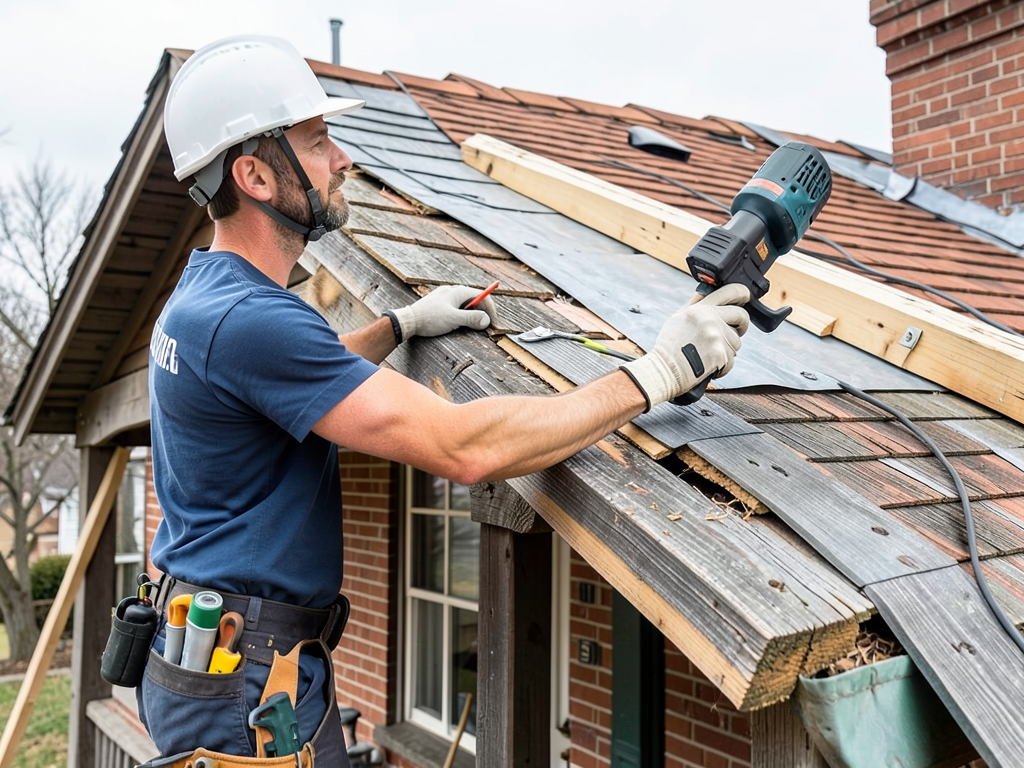
Damaged roof decking creates soft spots that worsen over time. Installing new plywood sheathing (typically 1/2-inch or 5/8-inch CDX grade) provides a solid base for new roofing materials. This process requires removing existing shingles and addressing any underlying moisture damage. In V.M. Ybor’s historic homes, we often discover multiple layers of old decking that must be completely removed to assess the true condition of the structure. Choosing the Best Roofing Contractor for Your Westchase Home.
Replacing Structural Trusses
Severe sagging often requires complete truss replacement. Modern trusses are engineered to handle Tampa’s wind loads and include hurricane clips that tie the roof to the walls. This extensive repair involves temporarily supporting the roof while removing damaged sections, then installing new pre-engineered trusses that meet Florida Building Code Section 1609 for wind resistance. This option provides the most reliable long-term solution for homes with extensive structural damage. Finding a Reliable Tile Roof Repair Specialist in South Tampa.
The Role of Florida Building Codes and Permits
Structural roof repairs in V.M. Ybor require permits from the City of Tampa Building Department. Florida Building Code Section 1609 mandates specific wind resistance requirements for Hillsborough County, which falls in the High Velocity Hurricane Zone. Any repair affecting the roof’s structural members must be engineered and permitted, ensuring your home can withstand winds up to 150 mph during major hurricanes.. Read more about How to Navigate the Roofing Permit Process in Hillsborough County (And What Homeowners Actually Need to Do).
Permit requirements include detailed structural drawings showing how repairs meet current code standards. The city requires inspections at multiple stages: after structural repairs but before new roofing installation, and a final inspection upon completion. Working without permits not only violates code but can void your homeowner’s insurance and create liability issues if the home sells in the future. Navigating Roof Insurance Claims After a Storm in Tampa.
When to Call a Professional (Safety First)
Structural roof repairs are not DIY projects. The combination of height, weight, and potential for collapse makes this extremely dangerous work. Call a professional immediately if you notice any of these conditions: visible sagging of more than 1 inch per 8 feet, cracking sounds from your attic, water actively entering your home, or if your home is over 30 years old with original roofing materials.
Professional roofers use specialized equipment including roof jacks, safety harnesses, and temporary support structures to prevent accidents. They also carry workers’ compensation insurance and liability coverage that protects you from financial responsibility if someone is injured on your property. The cost of professional repair is minimal compared to potential injuries or property damage from DIY attempts.
Estimated Costs for Roofline Repair in Tampa
Repair costs vary significantly based on the extent of damage and required structural work. Simple sistering of individual rafters might cost $500-800 per rafter, while complete truss replacement for an average V.M. Ybor home can range from $15,000-30,000. These costs reflect the specialized labor, engineering requirements, and permit fees specific to structural repairs in historic Tampa neighborhoods.
Insurance may cover some repairs if damage results from covered events like windstorms or fallen trees. However, gradual deterioration from age and moisture typically isn’t covered under standard policies. Many V.M. Ybor homeowners find that addressing structural issues proactively costs less than emergency repairs after a storm causes collapse.
Frequently Asked Questions
How long can I wait to fix a sagging roofline?
Don’t wait. A sagging roofline indicates structural failure that worsens with each passing month. Tampa’s frequent afternoon thunderstorms and hurricane season create immediate risks. The longer you wait, the more expensive repairs become as water damage spreads to interior walls and ceilings.
Will my homeowner’s insurance cover sagging roof repairs?
Insurance typically covers sudden damage from covered perils like windstorms or fallen trees, but not gradual deterioration from age or moisture. If your sagging roof results from a recent storm, document the damage with photos and contact your insurance company immediately. Many policies require professional inspections to process claims.
Can I install new shingles over a sagging roof?
No. Installing new roofing materials over a sagging structure only masks the problem and adds weight that accelerates failure. The underlying structural issues must be addressed first. Otherwise, you’re wasting money on materials that will fail prematurely and potentially creating dangerous conditions that could lead to roof collapse.
How do I know if my V.M. Ybor home needs a structural engineer?
Any roof sag exceeding 1 inch per 8 feet of run requires engineering evaluation. Also call an engineer if you notice cracking sounds, visible separation at roof-wall connections, or if your home is over 50 years old with original structural members. Engineers provide stamped drawings required for permits and ensure repairs meet current wind load requirements.
What permits are required for roofline repairs in V.M. Ybor?
Hillsborough County requires permits for any structural roof repairs, including sistering rafters, replacing trusses, or installing new decking. The City of Tampa Building Department issues these permits and requires inspections at multiple stages. Work without permits violates Florida Building Code and can result in fines, insurance issues, and problems when selling your home.

Call (656) 245-0955 today to schedule your professional structural roof inspection. Our team understands the unique challenges of V.M. Ybor’s historic homes and can provide engineered solutions that protect your investment for decades to come. Don’t wait for the next storm to reveal your roof’s weaknesses – contact us now for a comprehensive assessment.
Pick up the phone and call (656) 245-0955 before the next storm hits. Every day you wait allows moisture to spread deeper into your home’s structure, increasing repair costs and risking catastrophic failure during hurricane season. Our licensed professionals will evaluate your roof’s condition and provide a detailed plan to restore its structural integrity.
You may also find this helpful. Managing the Transition from Pitched to Flat Roofs on Your South Tampa Addition.
{
“@context”: “https://schema.org”,
“@type”: “BlogPosting”,
“headline”: “Fixing a Sagging Roofline on Older Character Homes in the V.M. Ybor Area”,
“description”: “Learn how to identify and fix a sagging roofline on your historic Ybor home. Discover the structural causes, local building codes, and professional repair solutions specific to Tampa’s humid climate.”,
“wordCount”: 1623,
“datePublished”: “2026-05-11T06:09:00.000Z”,
“dateModified”: “2026-05-11T06:09:00.000Z”,
“inLanguage”: “en-US”,
“mainEntityOfPage”: {
“@type”: “WebPage”,
“@id”: “https://crestlineroofingtampa.com”
},
“publisher”: {
“@type”: “LocalBusiness”,
“name”: “Crestline Roofing Tampa”,
“url”: “https://crestlineroofingtampa.com”
},
“author”: {
“@type”: “Organization”,
“name”: “Crestline Roofing Tampa”,
“url”: “https://crestlineroofingtampa.com”
},
“image”: {
“@type”: “ImageObject”,
“url”: “https://crestlineroofingtampa.com/wp-content/uploads/2026/03/fixing-a-sagging-roofline-on-older-character-homes-1.png”
}
}
{
“@context”: “https://schema.org”,
“@type”: “RoofingContractor”,
“name”: “Crestline Roofing Tampa”,
“url”: “https://crestlineroofingtampa.com”,
“address”: {
“@type”: “PostalAddress”,
“addressLocality”: “Tampa”
},
“areaServed”: {
“@type”: “City”,
“name”: “Tampa”
}
}
{
“@context”: “https://schema.org”,
“@type”: “FAQPage”,
“mainEntity”: [
{
“@type”: “Question”,
“name”: “How long can I wait to fix a sagging roofline?”,
“acceptedAnswer”: {
“@type”: “Answer”,
“text”: “Don’t wait. A sagging roofline indicates structural failure that worsens with each passing month. Tampa’s frequent afternoon thunderstorms and hurricane season create immediate risks. The longer you wait, the more expensive repairs become as water damage spreads to interior walls and ceilings.”
}
},
{
“@type”: “Question”,
“name”: “Will my homeowner’s insurance cover sagging roof repairs?”,
“acceptedAnswer”: {
“@type”: “Answer”,
“text”: “Insurance typically covers sudden damage from covered perils like windstorms or fallen trees, but not gradual deterioration from age or moisture. If your sagging roof results from a recent storm, document the damage with photos and contact your insurance company immediately. Many policies require professional inspections to process claims.”
}
},
{
“@type”: “Question”,
“name”: “Can I install new shingles over a sagging roof?”,
“acceptedAnswer”: {
“@type”: “Answer”,
“text”: “No. Installing new roofing materials over a sagging structure only masks the problem and adds weight that accelerates failure. The underlying structural issues must be addressed first. Otherwise, you’re wasting money on materials that will fail prematurely and potentially creating dangerous conditions that could lead to roof collapse.”
}
},
{
“@type”: “Question”,
“name”: “How do I know if my V.M. Ybor home needs a structural engineer?”,
“acceptedAnswer”: {
“@type”: “Answer”,
“text”: “Any roof sag exceeding 1 inch per 8 feet of run requires engineering evaluation. Also call an engineer if you notice cracking sounds, visible separation at roof-wall connections, or if your home is over 50 years old with original structural members. Engineers provide stamped drawings required for permits and ensure repairs meet current wind load requirements.”
}
},
{
“@type”: “Question”,
“name”: “What permits are required for roofline repairs in V.M. Ybor?”,
“acceptedAnswer”: {
“@type”: “Answer”,
“text”: “Hillsborough County requires permits for any structural roof repairs, including sistering rafters, replacing trusses, or installing new decking. The City of Tampa Building Department issues these permits and requires inspections at multiple stages. Work without permits violates Florida Building Code and can result in fines, insurance issues, and problems when selling your home.”
}
}
]
}
{
“@context”: “https://schema.org”,
“@type”: “BreadcrumbList”,
“itemListElement”: [
{
“@type”: “ListItem”,
“position”: 1,
“name”: “Home”,
“item”: “https://crestlineroofingtampa.com”
},
{
“@type”: “ListItem”,
“position”: 2,
“name”: “Blog”,
“item”: “https://crestlineroofingtampa.com/blog”
},
{
“@type”: “ListItem”,
“position”: 3,
“name”: “Fixing a Sagging Roofline on Older Character Homes in the V.M. Ybor Area”
}
]
}
{
“@context”: “https://schema.org”,
“@type”: “Service”,
“serviceType”: “Roofing”,
“provider”: {
“@type”: “LocalBusiness”,
“name”: “Crestline Roofing Tampa”,
“url”: “https://crestlineroofingtampa.com”
},
“areaServed”: {
“@type”: “City”,
“name”: “Tampa”
},
“description”: “Learn how to identify and fix a sagging roofline on your historic Ybor home. Discover the structural causes, local building codes, and professional repair solutions specific to Tampa’s humid climate.”
}