
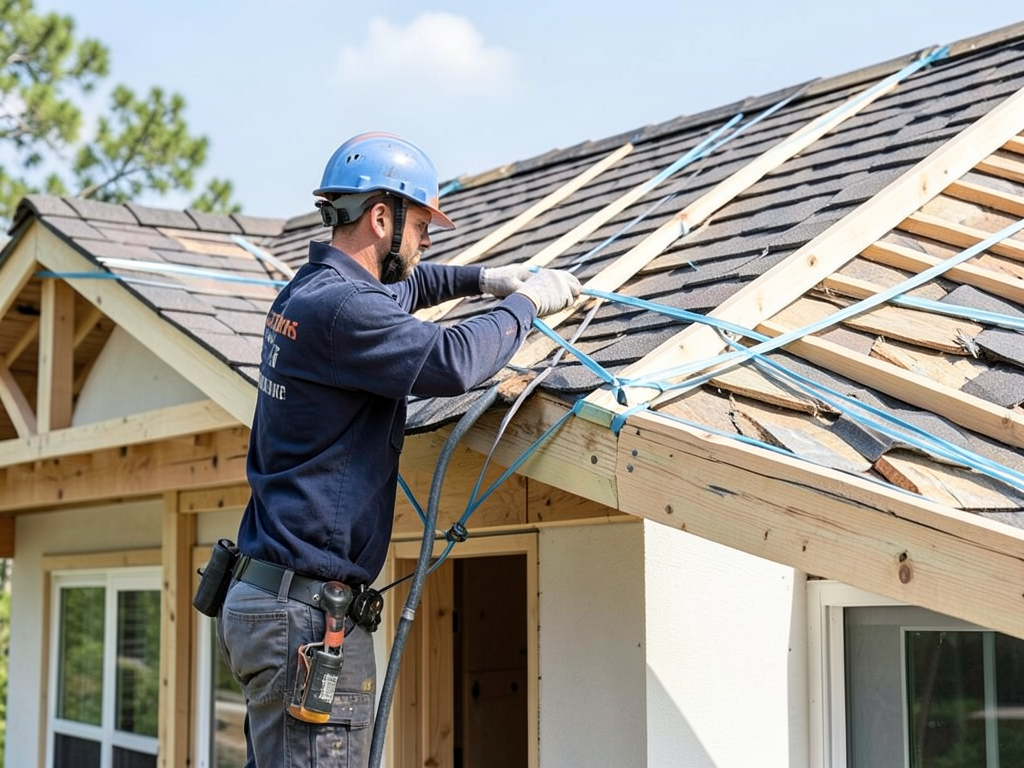
How the My Safe Florida Home Grant Helps Pay for Your New Tampa Roof in 2026
If your Tampa roof shows signs of age or storm damage you might qualify for the My Safe Florida Home grant program. This state-funded initiative covers up to $10,000 for hurricane-resistant roof improvements through a 2-for-1 matching system. Tampa homeowners in the wind-borne debris region can receive matching funds for approved wind mitigation upgrades like secondary water barriers and enhanced roof-to-wall connections.
The grant process starts with a free wind mitigation inspection from a certified Florida inspector. After approval you work with an authorized MSFH contractor to complete the upgrades. The state reimburses you after final inspection. With Tampa’s hurricane risk and rising insurance costs this grant can make roof replacement more affordable while strengthening your home against future storms. Navigating Roof Insurance Claims After a Storm in Tampa.
What is the My Safe Florida Home (MSFH) Program?
The My Safe Florida Home program is a state-funded initiative managed by the Florida Department of Financial Services. It provides matching grants to homeowners for hurricane mitigation improvements. The program uses a 2-for-1 matching structure meaning the state contributes $2 for every $1 you spend on approved upgrades up to a maximum of $10,000.
The grant specifically covers wind mitigation improvements that protect homes during hurricanes. These include secondary water barriers enhanced roof-to-wall connections and impact-resistant roofing materials. The program aims to reduce property damage during storms while potentially lowering insurance premiums for participants. Choosing the Best Roofing Contractor for Your Westchase Home.
Funding availability changes annually based on state budget allocations. The 2026 cycle continues to prioritize homes in high-risk coastal areas like Tampa where hurricane exposure is greatest. Applications are processed on a first-come first-served basis until funds are exhausted.
Eligibility Requirements for Tampa Homeowners
To qualify for the MSFH grant in Tampa your home must meet several requirements. First the property must be your primary residence and have a homestead exemption with the Hillsborough County Property Appraiser. The home must be located within the wind-borne debris region which includes all of Tampa and surrounding areas.
Your home’s value must fall below the program’s income-adjusted threshold which varies based on household size and income. The roof must be in need of repair or replacement with visible signs of wear missing shingles or water damage. Mobile homes townhomes and condominiums are generally not eligible. Affordable Roof Replacement Solutions for Homeowners in Riverview.
Age restrictions apply in some cases. Homes built before certain building code updates may qualify for additional priority consideration. You must also be current on property taxes and mortgage payments. The program requires that all work be completed by a Florida-licensed contractor with MSFH authorization.
Step-by-Step: How to Apply and Get Your Grant
The MSFH application process involves several steps that take 2-4 months to complete. Here’s how Tampa homeowners navigate the system:
- Free Wind Mitigation Inspection
Schedule a no-cost inspection with a state-certified inspector. The inspector evaluates your roof’s current condition and identifies eligible mitigation improvements. This inspection typically takes 1-2 hours and provides a detailed report of recommended upgrades.
- Grant Application Submission
Submit your application through the My Safe Florida Home portal. Include your inspection report proof of homestead exemption and income documentation. The state reviews applications within 30-45 days and notifies you of approval or denial.
- Contractor Selection and Bidding
Choose an MSFH-authorized contractor in Tampa. Get at least three bids for the recommended work. Your contractor must be licensed in Florida and have completed MSFH contractor training. Review bids carefully to ensure all required improvements are included.
- Construction and Final Inspection
Complete the approved roof improvements. Your contractor schedules the final inspection with the state inspector. The inspector verifies that all work meets program requirements and local building codes. This inspection ensures your roof provides maximum hurricane protection.
- Reimbursement Processing
After passing final inspection submit your paid invoices to the state. The Florida Department of Financial Services processes reimbursements within 30-60 days. You receive a check for the approved grant amount which can be up to $10,000 for eligible improvements.
Approved Roof Mitigations for Florida Hurricanes
The MSFH program covers specific hurricane-resistant improvements that strengthen your roof against high winds and water intrusion. These upgrades follow Florida Building Code requirements for the High Velocity Hurricane Zone.
Secondary water barriers are a primary eligible improvement. This self-adhering underlayment creates a secondary drainage plane beneath your primary roofing material. During a hurricane if shingles blow off the barrier prevents water from reaching your home’s interior. Installation requires removing existing roofing to apply the barrier directly to the roof deck. Roofing Dunedin.
Enhanced roof-to-wall connections strengthen the structural attachment between your roof and home frame. Hurricane straps or clips tie the roof trusses to the wall structure preventing uplift during high winds. Many older Tampa homes lack these connections making them vulnerable during storms. The grant covers the cost of adding or upgrading these critical hardware components.
Impact-resistant shingles provide another eligible improvement. These shingles meet Class 4 impact standards surviving impacts from flying debris at high speeds. They offer better wind resistance than standard shingles and may qualify for insurance premium discounts. The grant covers the price difference between standard and impact-resistant materials.
Why Choose a Local Tampa MSFH-Approved Roofer?
Working with a Tampa-based MSFH-approved roofer provides critical advantages during the grant process. Local contractors understand Hillsborough County building permit requirements and inspection procedures. They know how to navigate the specific challenges of Tampa’s coastal climate and building stock.
Tampa roofers familiar with the MSFH program can accurately interpret inspection reports and recommend cost-effective improvements. They understand which upgrades provide the best return on investment for your specific home. Local contractors also have relationships with state inspectors potentially reducing delays in the approval process.
MSFH-approved contractors in Tampa stay current on program changes and funding availability. They can advise whether waiting for additional funding rounds makes sense or if immediate action is better. Local roofers also understand Tampa’s unique architectural styles from historic Ybor City homes to modern South Tampa developments. Preserving the Historic Charm of Seminole Heights Roofs During a Replacement.
Choosing a local contractor means faster response times for inspections and repairs. Tampa-based companies can mobilize quickly when weather threatens or when grant deadlines approach. They also provide better warranty service and can address any issues that arise after project completion.
Frequently Asked Questions
How long does the MSFH grant process take?
The complete process typically takes 2-4 months from initial inspection to final reimbursement. The inspection itself takes 1-2 hours. Application processing requires 30-45 days. Construction timing varies based on contractor availability and project scope. Final inspection and reimbursement processing add another 30-60 days.
Can I use any roofer for the grant work?
No. Only contractors with MSFH authorization can perform grant-funded work. These contractors complete specific training on program requirements and inspection standards. Using an unauthorized contractor voids your grant eligibility. Your MSFH inspector can provide a list of approved contractors in the Tampa area.
What if my roof needs more than $10,000 in work?
The grant covers up to $10,000 in matching funds. If your roof needs $15,000 in improvements you pay the first $5,000 and the state matches the next $10,000. You cannot receive more than the total project cost. The grant cannot be used for non-mitigation improvements like cosmetic upgrades.
Does the grant affect my homeowners insurance?
Completing MSFH-approved improvements may lower your insurance premiums. Many insurers offer discounts for hurricane mitigation upgrades. The improvements can also reduce your risk of damage claims during storms. Document all completed work and share it with your insurance carrier for potential premium reductions.
What happens if I sell my home after getting the grant?
The grant benefits transfer to the new owner. You must disclose the completed improvements during the sale. The new owner receives any remaining warranty coverage and insurance benefits. Some buyers view hurricane mitigation improvements as valuable selling points in Tampa’s coastal market.
Comparing Roof Materials and Insurance Impact
| Roof Material | MSFH Eligibility | Insurance Premium Impact | Lifespan in Tampa Climate | Best For Tampa Neighborhoods |
|---|---|---|---|---|
| Asphalt Shingles (Standard) | Impact-resistant only | 5-10% reduction | 15-20 years | Hyde Park Davis Islands |
| Impact-Resistant Shingles | Fully eligible | 15-25% reduction | 20-25 years | Channelside Palma Ceia |
| Metal Roofing | Fully eligible | 20-30% reduction | 40-50 years | Westshore Beach Park |
| Tile Roofing | Secondary barrier only | 10-15% reduction | 30-40 years | Ybor City Seminole Heights |
Material selection affects both grant eligibility and long-term costs. Impact-resistant shingles cost more upfront but provide the best combination of MSFH coverage and insurance savings. Metal roofing offers superior durability but requires a larger initial investment. Tile works well in Tampa’s Spanish-style homes but has limited MSFH eligibility.
Consider your home’s architectural style when selecting materials. Historic districts may restrict certain options. Also factor in weight limitations especially for older homes. Your MSFH-approved contractor can recommend materials that balance grant benefits insurance savings and aesthetic requirements.
Protecting Your Investment After Grant Completion
After completing MSFH improvements maintain your roof to preserve both the grant benefits and your insurance discounts. Schedule annual inspections to catch minor issues before they become major problems. Tampa’s intense UV exposure and frequent storms can accelerate wear on even the best roofing systems.
Clean your gutters regularly to prevent water backup during heavy rains. Check for loose or damaged shingles after storms. Trim tree branches that could fall on your roof during high winds. Address small leaks immediately to prevent water damage to your home’s structure.
Keep all documentation related to your MSFH improvements. This includes inspection reports contractor invoices and final approval letters. These documents prove your roof meets current building codes and may be required for future insurance claims or home sales.
Consider additional improvements beyond MSFH requirements. Hurricane shutters reinforced garage doors and impact-resistant windows complement your new roof’s protection. These improvements may qualify for additional insurance discounts and further strengthen your home against storm damage.
Common Grant Application Mistakes to Avoid
Many Tampa homeowners make simple errors that delay or derail their MSFH applications. Understanding these common pitfalls helps you navigate the process smoothly.
Missing documentation is the most frequent problem. Applicants often forget to include proof of homestead exemption or recent tax statements. Double-check that you’ve provided all required documents before submitting your application. Incomplete applications can add weeks to processing time.
Choosing the wrong contractor causes significant delays. Some homeowners select contractors based solely on price without verifying MSFH authorization. Always confirm your contractor’s MSFH status before signing any agreements. Unapproved contractors cannot perform grant work forcing you to restart the process.
Ignoring inspection recommendations leads to failed final inspections. The wind mitigation report specifies exactly what improvements qualify for the grant. Don’t let your contractor substitute different work without state approval. Unauthorized changes can result in denied reimbursement or required rework.
Delaying construction after approval risks losing your grant. MSFH funding is limited and allocated on a first-come basis. If you wait too long funds may be exhausted before you begin work. Start the contractor selection process immediately after grant approval to secure your funding.
Current MSFH Funding Status for 2026
The 2026 MSFH funding cycle began January 2 with an initial allocation of $50 million for statewide distribution. Tampa and surrounding Hillsborough County received priority consideration due to high hurricane risk. As of March 2026 approximately 60% of initial funds have been committed to approved projects.
Senior homeowners and those with limited incomes receive priority processing. These applicants typically receive approval within 2-3 weeks compared to 4-6 weeks for standard applications. The state periodically adds supplemental funding based on program demand and remaining balances.
Application volume peaks during spring months as homeowners prepare for hurricane season. Early application increases your chances of securing funding before seasonal demand creates backlogs. The state updates funding availability weekly on the MSFH website.
Additional funding announcements typically occur in June and September based on program performance and remaining balances. These supplemental rounds often include expanded eligibility criteria or increased maximum grant amounts. Check the official MSFH website regularly for updates on funding status and application deadlines.
Local Building Code Requirements for Grant Projects
MSFH improvements must comply with Hillsborough County and City of Tampa building codes. These requirements ensure your roof provides maximum protection during hurricanes while meeting local safety standards.
The Florida Building Code (FBC) Section 1609 governs wind load requirements for the Tampa area. Homes must withstand winds up to 150 mph in most of Hillsborough County. Coastal areas closer to the bay may require higher wind resistance ratings. Your MSFH improvements must meet or exceed these minimum standards.
Hillsborough County requires building permits for all roof replacements and major repairs. The permit process includes plan review to ensure compliance with current codes. Your MSFH-approved contractor handles permit applications and scheduling inspections with county building officials.
Secondary water barriers must meet specific thickness and adhesion requirements outlined in FBC Section 15. The barrier must cover all eave edges and extend a minimum distance from roof edges. Proper installation prevents water intrusion even if primary roofing materials fail during a storm.
Roof-to-wall connections must use approved hurricane straps or clips meeting ASTM standards. The spacing and attachment methods depend on your home’s construction type and roof design. Older homes often require additional framing modifications to accommodate modern hurricane hardware.
Insurance Premium Reduction Potential
MSFH improvements can significantly reduce your homeowners insurance premiums. The Office of Insurance Regulation (OIR) establishes discount schedules based on completed improvements. These discounts apply to windstorm coverage which represents the largest portion of coastal insurance premiums.
Secondary water barriers typically qualify for 5-10% premium reductions. Enhanced roof-to-wall connections can provide 10-15% discounts. Impact-resistant roofing materials may offer 15-20% savings. The total discount depends on your insurer’s specific rating methodology and your home’s overall risk profile.
You must submit documentation of completed improvements to your insurance carrier. This includes the MSFH final inspection report and contractor invoices showing the specific upgrades installed. Some insurers require an updated wind mitigation inspection to process the discounts.
Discounts vary by insurance company and policy type. Some carriers offer larger reductions for homes with comprehensive mitigation improvements. Others provide smaller discounts but include additional benefits like waived deductibles for hurricane claims. Compare quotes from multiple insurers after completing MSFH improvements.
The premium savings often offset a significant portion of your out-of-pocket costs for improvements beyond the grant amount. Calculate potential insurance savings when deciding whether to expand your project beyond minimum MSFH requirements. The long-term financial benefits can justify additional upfront investment.
Making Your Decision: Next Steps
Ready to explore the MSFH grant for your Tampa home? Start with a free wind mitigation inspection to determine your eligibility and potential grant amount. This inspection costs you nothing and provides valuable information about your roof’s condition and hurricane vulnerability.
Call (656) 245-0955 today to schedule your inspection. Our MSFH-authorized inspectors will evaluate your roof and explain exactly what improvements qualify for the grant. We’ll provide a clear written report showing your options and estimated costs.
Don’t wait until hurricane season is here. MSFH funding is limited and allocated on a first-come basis. Early applicants have the best chance of securing grants before funds are exhausted. Plus completing improvements before June gives you maximum protection during the most active part of hurricane season.
Your Tampa home deserves the best protection against hurricanes. The MSFH grant makes this protection affordable through matching funds for critical improvements. Call (656) 245-0955 now to learn if you qualify and start the process of making your home safer and more resilient.
Pick up the phone and call (656) 245-0955 before the next storm hits. Our team will guide you through every step of the MSFH process from initial inspection to final reimbursement. Don’t miss this opportunity to strengthen your home while saving money on both improvements and insurance premiums.
Additional Resources
For more information about the My Safe Florida Home program visit these official resources:
- Florida Department of Financial Services MSFH Program
- MSFH Application Portal
- Hillsborough County Building Services
These sites provide current program information application forms and updates on funding availability. Always verify information through official sources before making decisions about your roof replacement project.