
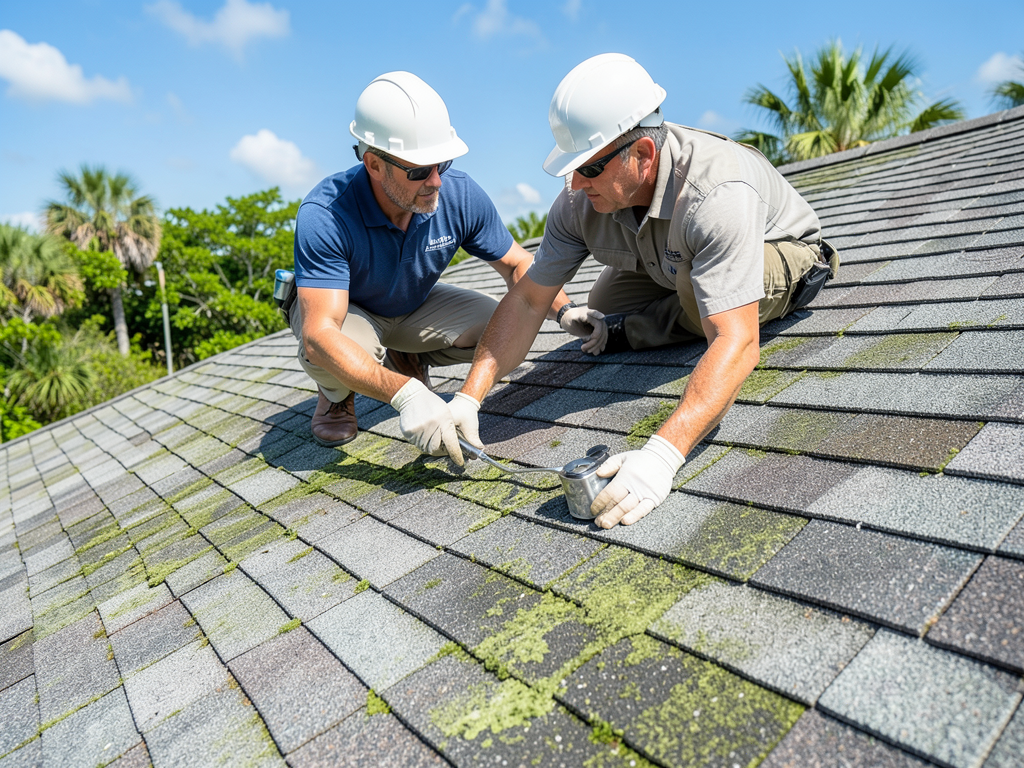
How to Keep Your Tampa Roof from Rotting in the Florida Humidity
Your Tampa roof faces a relentless enemy every day: Florida’s tropical humidity. The combination of salty coastal air, intense UV exposure, and hurricane season creates a perfect storm for roof deterioration. Without proper maintenance, moisture seeps into wood decking, asphalt shingles curl prematurely, and algae turns your roof into a black-streaked eyesore. The good news is that you can protect your investment with the right approach to roof care. Florida Building Code requirements.
The first step is understanding that Tampa’s climate is unique. While a roof might last 25 years in a dry climate, the same roof in Tampa typically needs replacement after 15-20 years due to our extreme weather conditions. Humidity levels regularly exceed 80% during summer months, creating constant moisture exposure that accelerates wood rot and material degradation. Add in the salt air from Tampa Bay and the Gulf of Mexico, and you have conditions that break down roofing materials faster than almost anywhere else in the country. Choosing the Best Roofing Contractor for Your Westchase Home.
Regular maintenance is your best defense against these environmental challenges. A well-maintained roof in Tampa can easily add five years to its lifespan, saving you thousands in premature replacement costs. The key is catching problems early before they become expensive disasters. Missing shingles, clogged gutters, and small leaks might seem minor, but in our humid climate they quickly escalate into major structural issues. Affordable Roof Replacement Solutions for Homeowners in Riverview.
Understanding Tampa’s Unique Roofing Challenges
Tampa’s subtropical climate creates specific problems that homeowners in other regions never encounter. The combination of heat, humidity, and salt air affects every roofing material differently. Asphalt shingles, which make up about 80% of Tampa homes, face accelerated UV degradation. The granules that protect the asphalt break down faster in our intense sunlight, exposing the underlying material to moisture damage.
Metal roofs, while resistant to rot, face a different threat in coastal areas. Salt air causes corrosion that eats through protective coatings over time. Even stainless steel components eventually show signs of pitting and deterioration. Tile roofs, popular in many Tampa neighborhoods, can crack from thermal expansion and contraction as temperatures swing between hot days and cooler nights.
The most insidious threat is actually invisible to the naked eye. Gloeocapsa magma, a type of blue-green algae, thrives in our humid climate. It feeds on the limestone filler in asphalt shingles and creates those ugly black streaks that make roofs look old and neglected. Once established, this algae spreads rapidly across roof surfaces, holding moisture against the shingles and accelerating deterioration.
Wind is another major factor in Tampa roof damage. Our location makes us vulnerable to tropical storms and hurricanes from June through November. Even a Category 1 hurricane can generate winds over 75 mph, powerful enough to lift shingles, tear off flashing, and send debris crashing into roof structures. The constant threat of severe weather means Tampa roofs need to be built and maintained to higher standards than roofs in less vulnerable areas.
Essential Roof Maintenance Schedule for Tampa Homes
Creating a maintenance schedule is crucial for protecting your roof from Florida’s harsh conditions. The ideal timeline focuses on preparing for hurricane season while addressing year-round humidity issues. Spring maintenance, typically in April or May, gets your roof ready for the most dangerous weather months. Fall maintenance, in October or November, addresses any damage from summer storms and prepares for the cooler, drier winter months. EPA mold and moisture guidelines.
Monthly visual inspections can catch problems before they escalate. Walk around your property and look for missing or damaged shingles, sagging areas, and signs of algae growth. Pay special attention after any major storm, as wind and debris can cause immediate damage that worsens quickly in humid conditions.
Professional inspections should happen at least twice per year in Tampa. A certified roofer can spot issues that homeowners miss, such as subtle signs of moisture intrusion, deteriorating flashing, or early stages of wood rot in the roof deck. These inspections typically cost between $150 and $300 but can save you thousands by catching problems early.
Seasonal tasks vary throughout the year. Summer requires vigilance about algae growth and ensuring proper attic ventilation to prevent heat buildup. Fall focuses on cleaning gutters and checking for storm damage. Winter, while milder here than in northern states, still requires checking for any freeze-related cracking in tile or concrete roofs. Spring is all about hurricane preparation and addressing any winter wear.. Read more about Why Your Gutter System Matters Just as Much as Your Roof in Hillsborough County.
Common Signs Your Tampa Roof Needs Attention
Recognizing the early warning signs of roof problems can prevent minor issues from becoming major expenses. One of the most obvious indicators is algae growth. Those black streaks running down your roof aren’t just cosmetic issues; they indicate moisture problems that can lead to material deterioration. If you see these streaks, especially on the north-facing side of your roof where moisture tends to accumulate, it’s time for professional cleaning.
Curling or buckling shingles are another red flag. In Tampa’s heat, asphalt shingles can warp and lose their protective granules. When you see shingles that are no longer lying flat, they’ve likely lost their ability to shed water effectively. This creates entry points for moisture that can damage the underlying roof structure.
Interior signs often appear before exterior problems become obvious. Water stains on ceilings or walls indicate that moisture has already penetrated your roof system. By the time you see these stains, the damage inside your attic or roof deck is likely more extensive than what’s visible from inside your home.
Granule loss is another critical indicator. Those tiny rock-like particles that cover asphalt shingles protect the underlying material from UV damage. If you find granules in your gutters or notice bare spots on your shingles, your roof is losing its protective layer. This accelerates aging and makes your roof more vulnerable to moisture damage.
Flashing problems around chimneys, vents, and skylights are common in Tampa due to our thermal expansion and contraction cycles. Cracked or separated flashing allows water to enter around these vulnerable penetration points. Even small gaps can let in enough moisture to cause significant damage over time.
Professional Maintenance Services That Protect Your Investment
While some roof maintenance tasks are DIY-friendly, professional services provide the thorough care that Tampa roofs need. A comprehensive maintenance package typically includes several critical services that go beyond basic cleaning and inspection.
Professional roof cleaning removes algae, moss, and debris without damaging your roofing materials. Unlike pressure washing, which can strip granules from asphalt shingles, professional cleaning uses soft washing techniques that kill organic growth while preserving your roof’s protective layers. This service alone can extend your roof’s life by several years. Preserving the Historic Charm of Seminole Heights Roofs During a Replacement.
Gutter cleaning and repair might seem unrelated to roof health, but they’re actually crucial. Clogged gutters cause water to back up under shingles, leading to rot and leaks. In Tampa’s heavy rain seasons, this backup can cause immediate damage. Professional gutter service includes cleaning, repairing any damage, and ensuring proper drainage away from your foundation.
Flashing inspection and repair addresses one of the most vulnerable parts of your roof system. Professionals check all penetration points, seal any gaps, and replace damaged flashing. This prevents the water intrusion that leads to costly interior damage and structural problems.
Attic ventilation assessment is often overlooked but critical in Tampa. Poor ventilation traps heat and moisture in your attic, accelerating roof deterioration from the inside out. Professionals check for proper airflow, adequate insulation, and signs of moisture problems that could be damaging your roof deck.
Minor repair services catch small problems before they become expensive emergencies. This might include replacing a few damaged shingles, sealing small leaks, or repairing minor flashing issues. The cost of these preventive repairs is always less than emergency repairs after a major leak develops.
DIY Maintenance Tasks You Can Handle Safely
While major roof work requires professional expertise, several maintenance tasks are safe for homeowners to handle. These DIY tasks can help you stay on top of roof health between professional inspections.
Gutter cleaning is one of the most important DIY tasks. Remove leaves, twigs, and debris from gutters and downspouts at least twice per year, more often if you have many trees near your home. Ensure water flows freely and drains at least five feet away from your foundation. This prevents water backup that can damage both your roof and your home’s structure.
Trimming overhanging tree branches prevents multiple problems. Branches that touch your roof can scrape and damage shingles during wind. They also drop leaves that trap moisture against your roof surface. Keep all branches at least six feet away from your roof to prevent these issues.
Checking attic ventilation from inside your home is another DIY task. Look for signs of moisture, such as water stains, mold growth, or rusty nails. Ensure vents aren’t blocked by insulation and that air can flow freely through your attic space. Proper ventilation prevents heat and moisture buildup that damages your roof from the inside.
Inspecting your roof from the ground with binoculars can reveal obvious problems. Look for missing or damaged shingles, sagging areas, and signs of algae growth. Pay special attention after storms for any new damage that needs professional attention.
Cleaning debris from roof valleys and low areas prevents water pooling. Leaves and twigs trap moisture against your roof surface, accelerating deterioration. Use a leaf blower or soft broom to remove this debris, being careful not to damage shingles in the process.
The Cost-Benefit Analysis of Regular Roof Maintenance
Many homeowners hesitate to invest in regular roof maintenance, not realizing that preventive care actually saves money over time. Understanding the real costs of neglect versus the benefits of maintenance helps make this financial decision clearer.
The average cost of professional roof maintenance in Tampa ranges from $200 to $600 per visit, depending on your roof’s size and complexity. Twice-yearly maintenance costs $400 to $1,200 annually. While this might seem expensive, compare it to the cost of premature roof replacement, which typically runs $8,000 to $20,000 for an average home.
Most importantly, regular maintenance can extend your roof’s life by five to seven years. If a roof would normally last 15 years in Tampa, proper maintenance can push that to 20-22 years. This extra lifespan alone can save you the cost of one full roof replacement over your lifetime as a homeowner.
Insurance considerations also factor into the cost-benefit analysis. Many insurance companies offer premium discounts for homes with well-maintained roofs. Some even require documentation of regular maintenance to keep coverage in force. The savings on insurance premiums can offset a significant portion of maintenance costs. Navigating Roof Insurance Claims After a Storm in Tampa.
Emergency repair costs provide another compelling financial argument. A small leak caught during routine maintenance might cost $200 to $500 to repair. The same leak left undetected can cause thousands in interior damage before you notice it. Water damage to ceilings, walls, insulation, and personal property escalates quickly once moisture enters your home.
Property value impacts represent a long-term financial consideration. A well-maintained roof protects your home’s value and curb appeal. When it’s time to sell, buyers and appraisers notice roof condition. A roof that looks old and neglected can reduce your home’s market value by thousands of dollars.
Special Considerations for Different Roof Types in Tampa
Different roofing materials require different maintenance approaches in Tampa’s unique climate. Understanding these specific needs helps you provide the right care for your particular roof type.
Asphalt shingle roofs, the most common in Tampa, need regular algae treatment and granule inspection. The heat and humidity accelerate granule loss, so checking for bare spots is crucial. These roofs also need frequent checks for wind damage after storms, as lifted shingles create water entry points.
Tile roofs, popular in many Tampa neighborhoods for their Spanish-style appearance, require different care. While tile itself doesn’t rot, the underlayment beneath it can deteriorate from moisture exposure. Tile roofs need inspection for cracked or broken tiles that expose the underlayment. The weight of tile also means any structural issues become more serious, so checking for sagging is critical.
Metal roofs offer excellent longevity but face unique challenges in coastal Tampa. Salt air causes corrosion that requires regular inspection and protective coating maintenance. Fastener checks are also important, as thermal expansion and contraction can loosen screws over time. Metal roofs need cleaning to prevent debris accumulation in seams and around penetrations.
Flat roofs, common on commercial buildings and some modern homes, face drainage challenges that require special attention. Standing water is the enemy of flat roofs, so ensuring proper slope and drainage is crucial. These roofs need frequent inspection of seams, flashing, and any rooftop equipment mounts that create penetration points.
Wood shake roofs, while less common now due to fire codes, require intensive maintenance in Tampa’s humid climate. These roofs are particularly vulnerable to rot, mold, and insect damage. They need regular cleaning, treatment with preservatives, and inspection for signs of deterioration that could lead to structural problems.
Preparing Your Roof for Hurricane Season
Hurricane preparation is essential for Tampa homeowners, as our location makes us vulnerable to tropical storms from June through November. A roof that’s ready for hurricane season can mean the difference between minor damage and major destruction.
Pre-season inspection should happen in May or early June, before the height of hurricane season. This inspection focuses on identifying and repairing any vulnerabilities. Check for loose shingles, damaged flashing, and any areas where wind might get underneath roofing materials. Pay special attention to roof edges and corners, which are most vulnerable to wind uplift.
Gutter and downspout preparation is crucial for hurricane readiness. Clean all debris and ensure water can flow freely. Consider installing gutter guards if you don’t already have them, as clogged gutters during a hurricane can cause severe water damage. Ensure downspouts direct water at least five feet from your foundation.
Tie-down and reinforcement might be necessary for some roof types. Older roofs or those in particularly vulnerable locations might benefit from hurricane straps or other reinforcement. A professional can assess whether your roof needs additional tie-downs to meet current building codes for high-wind areas.
Emergency repair materials should be on hand before hurricane season begins. Keep tarps, roofing cement, and basic repair tools available for quick temporary fixes if damage occurs during a storm. While major repairs require professionals, being able to cover holes or secure loose materials can prevent further damage until help arrives.
Post-storm inspection is just as important as pre-season preparation. After any tropical storm or hurricane, inspect your roof for damage as soon as it’s safe to do so. Even if your home appears undamaged, high winds can cause subtle problems that worsen over time. Document any damage with photos for insurance purposes.
Environmental Factors Affecting Roof Longevity in Tampa
Understanding the environmental factors that affect your roof helps you make informed decisions about maintenance and replacement. Tampa’s unique combination of climate conditions creates challenges that require specific solutions.
UV radiation is one of the most damaging factors for Tampa roofs. Our location means intense sunlight year-round, which breaks down roofing materials through a process called photodegradation. Asphalt shingles lose flexibility and become brittle. Colors fade, and protective coatings deteriorate. UV-blocking treatments and regular maintenance can slow this process.
Humidity creates constant moisture exposure that many roofing materials aren’t designed to handle long-term. Wood rot, metal corrosion, and adhesive failure all accelerate in high-humidity environments. Proper ventilation becomes crucial for allowing moisture to escape rather than accumulating in your roof structure.
Salt air affects homes even several miles inland from the coast. Salt carries in the air and settles on roof surfaces, where it attracts moisture and accelerates corrosion. Metal components, in particular, need protective coatings that resist salt damage. Even asphalt shingles can deteriorate faster in salty air due to the moisture salt attracts.
Thermal cycling, the daily heating and cooling of your roof, causes materials to expand and contract. In Tampa’s climate, where temperatures can swing dramatically between day and night, this cycling puts stress on all roofing materials. Over time, it can cause fasteners to loosen, adhesives to fail, and materials to crack or warp.
Biological growth thrives in our humid climate. Algae, moss, and lichen all grow on roof surfaces, holding moisture against materials and accelerating deterioration. These organisms also create the dark streaks that make roofs look old and poorly maintained. Regular cleaning and treatment prevent this biological growth from establishing itself.
Pollution and environmental contaminants, while less obvious than other factors, also affect roof longevity. Industrial areas, traffic corridors, and even areas near agricultural operations can experience chemical fallout that degrades roofing materials. Regular cleaning removes these contaminants before they can cause damage.
Building Code Requirements for Tampa Roofs
Florida’s building codes are among the strictest in the nation, particularly for roofing in hurricane-prone areas. Understanding these requirements helps ensure your roof meets safety standards and maintains its warranty coverage.
The Florida Building Code requires specific wind ratings for roofing materials based on location. In most of Tampa, roofs must withstand winds of at least 150 mph. This requirement affects everything from the type of underlayment used to the nailing patterns for shingles. Homes in coastal evacuation zones face even higher requirements.
Secondary water barriers are now required under Florida building codes for new roofs or major replacements. This secondary layer of protection prevents water intrusion if high winds damage the primary roof covering. It’s an additional cost during roof replacement but provides crucial protection during storms.
Roof deck attachment requirements have also strengthened in recent code updates. The connection between your roof deck and the trusses or rafters must now withstand specific uplift forces. This often means using ring-shank nails or screws instead of standard nails, and placing them at closer intervals than in older construction.
Flashing and penetration requirements are detailed in the building code. All roof penetrations must be flashed to prevent water intrusion, and the flashing must meet specific standards for height, overlap, and sealing. This includes everything from plumbing vents to skylights to solar panel mounts.
Ventilation requirements ensure your attic doesn’t trap moisture that could damage your roof from the inside. The building code specifies minimum ventilation area based on your attic’s square footage. Proper ventilation also helps keep your home cooler and reduces energy costs.
Material ratings for fire resistance, impact resistance, and wind uplift are all specified in the building code. When replacing your roof, you must use materials that meet current standards, even if your old roof used older, less stringent materials. This ensures your new roof provides maximum protection.
Insurance Considerations for Tampa Homeowners
Homeowner’s insurance in Tampa comes with specific considerations related to your roof’s condition and age. Understanding these requirements can help you avoid coverage problems and potentially save money on premiums.
Many insurance companies now require roof inspections for homes over 15 years old. They may deny coverage or charge significantly higher premiums for roofs that appear to be in poor condition. Some insurers even require documentation of regular maintenance to keep coverage in force.
Wind mitigation discounts can save you substantial money on insurance premiums. These discounts reward features that make your home more resistant to hurricane damage. A well-maintained roof with proper underlayment, hurricane straps, and impact-resistant materials can qualify for significant discounts.
Roof age affects insurability more than in many other parts of the country. While a 20-year-old roof might be acceptable in a mild climate, many Tampa insurers consider roofs over 15-20 years old to be at higher risk for failure. This can lead to non-renewal notices or the requirement for roof replacement to maintain coverage.
Claims history also affects how insurance companies view your roof. If you’ve had multiple claims for roof damage, insurers may require a full roof replacement before offering coverage. This makes preventive maintenance even more important, as it reduces the likelihood of needing to file claims.
Documentation of maintenance and repairs can be crucial when dealing with insurance. Keep records of all professional inspections, cleanings, and repairs. These records demonstrate that you’ve properly maintained your roof, which can be important if you need to file a claim or if your insurer questions your roof’s condition.
Replacement cost versus actual cash value coverage is an important distinction. Replacement cost coverage pays to replace your roof without deducting for age or depreciation. Actual cash value coverage deducts for depreciation, which can leave you with a significant out-of-pocket expense for a roof replacement, especially on older roofs.
Choosing the Right Roofing Contractor in Tampa
Selecting a qualified roofing contractor is crucial for ensuring your roof receives proper care and meets all local requirements. Not all contractors have the same level of expertise or commitment to quality work.
License and insurance verification should be your first step. In Florida, roofing contractors must be licensed by the state and carry both liability insurance and worker’s compensation coverage. Ask to see current certificates and verify them with the issuing companies. This protects you from liability if someone is injured while working on your roof.
Local experience matters significantly in Tampa due to our unique climate challenges. A contractor who primarily works in other regions may not understand the specific requirements for hurricane resistance, humidity management, and salt air protection that Tampa roofs need. Look for contractors with at least five years of experience working in the Tampa Bay area.
References and portfolio review provide insight into a contractor’s work quality. Ask for references from recent customers with similar roofing types and request to see photos of completed projects. Pay attention to how long ago the work was completed, as this shows how well their work holds up over time in our climate.
Warranty offerings indicate a contractor’s confidence in their work. Look for contractors who offer both manufacturer warranties on materials and workmanship warranties on installation. Be wary of contractors who can’t explain the differences between various warranty options or who offer unusually long warranties that seem too good to be true.
Communication and professionalism during the sales process often predict the quality of work you’ll receive. A good contractor should be willing to explain their recommendations, provide detailed written estimates, and answer all your questions thoroughly. Avoid contractors who use high-pressure sales tactics or who can’t provide clear answers about their processes.
Written contracts are essential for protecting both you and the contractor. The contract should detail the scope of work, materials to be used, timeline, payment schedule, and warranty information. Never proceed with work based on verbal agreements alone, no matter how trustworthy the contractor seems.
Post-installation service shows a contractor’s commitment to customer satisfaction. Ask about their policy for addressing any issues that arise after the work is completed. A reputable contractor should be willing to return to fix any problems that result from their work within the warranty period.
Frequently Asked Questions
How often should I have my Tampa roof professionally inspected?
Professional roof inspections should be conducted at least twice per year in Tampa – typically in spring before hurricane season and in fall after summer storms. Additionally, have your roof inspected after any major storm or if you notice signs of damage like water stains or missing shingles.
What’s the average lifespan of a roof in Tampa’s climate?
Most roofs in Tampa last 15-20 years, significantly less than in milder climates due to our intense UV exposure, high humidity, and hurricane threats. With proper maintenance, you can extend your roof’s life to 20-22 years, potentially saving thousands in premature replacement costs.
Can I pressure wash my roof to remove algae and debris?
No, pressure washing damages asphalt shingles by stripping away protective granules and can force water under roofing materials. Professional soft washing uses low pressure and specialized cleaning solutions that kill algae and clean your roof without causing damage.
How much does professional roof maintenance cost in Tampa?
Professional roof maintenance in Tampa typically costs between $200 and $600 per visit, depending on your roof’s size and complexity. Twice-yearly maintenance runs $400 to $1,200 annually, which is far less than the cost of premature replacement or major repairs from neglected maintenance.
What are the signs that my roof needs immediate professional attention?
Immediate attention is needed for missing or severely damaged shingles, water stains on interior ceilings or walls, sagging roof areas, large amounts of granule loss in gutters, or visible damage after a major storm. These issues can worsen quickly in Tampa’s humid climate.
Does regular roof maintenance really prevent the need for early replacement?
Yes, regular maintenance can extend your roof’s life by 5-7 years in Tampa’s climate. This means a roof that might need replacement at 15 years could last 20-22 years with proper care. The cost of maintenance is far less than the cost of premature replacement.
Are there specific building code requirements for Tampa roofs?
Yes, Florida Building Code requires Tampa roofs to withstand at least 150 mph winds, with secondary water barriers, specific underlayment requirements, and enhanced fastening systems. These requirements are stricter than in most other parts of the country due to our hurricane risk.
How does humidity specifically damage roofs in Tampa?
Humidity causes multiple problems: it promotes algae and mold growth that damages roofing materials, it allows moisture to penetrate under shingles leading to wood rot, it causes metal components to corrode faster, and it accelerates the breakdown of adhesives and sealants used in roofing systems.
Conclusion
Protecting your Tampa roof from the damaging effects of Florida’s humidity and extreme weather requires a proactive approach. The combination of intense UV exposure, salt air, high humidity, and hurricane threats creates conditions that break down roofing materials faster than in most other parts of the country. However, with proper maintenance and care, you can significantly extend your roof’s life and protect your home from water damage and other moisture-related problems.
The key to successful roof maintenance in Tampa is consistency and attention to detail. Regular inspections, timely repairs, and professional cleaning services work together to prevent the small issues that often lead to major problems. Remember that the cost of preventive maintenance is always less than the cost of emergency repairs or premature roof replacement.
Your roof is your home’s first line of defense against Florida’s harsh climate. By understanding the specific challenges Tampa roofs face and taking appropriate preventive measures, you can ensure your roof provides reliable protection for your home and family for many years to come. Don’t wait until you see water stains on your ceiling or missing shingles after a storm. Start a regular maintenance program today to protect your investment and avoid costly repairs down the road. Finding a Reliable Tile Roof Repair Specialist in South Tampa.
If you’re concerned about your roof’s condition or want to establish a maintenance program, professional help is just a phone call away. Call (656) 245-0955 today to schedule your comprehensive roof inspection and take the first step toward protecting your Tampa home from the damaging effects of Florida’s extreme climate.
{
“@context”: “https://schema.org”,
“@type”: “BlogPosting”,
“headline”: “How to Keep Your Tampa Roof from Rotting in the Florida Humidity”,
“description”: “Protect your Tampa roof from Florida’s extreme humidity with expert maintenance tips. Learn how to prevent rot, algae, and costly damage in our humid climate.”,
“wordCount”: 4535,
“datePublished”: “2026-02-28T10:50:00.000Z”,
“dateModified”: “2026-02-28T10:50:00.000Z”,
“inLanguage”: “en-US”,
“mainEntityOfPage”: {
“@type”: “WebPage”,
“@id”: “https://crestlineroofingtampa.com”
},
“publisher”: {
“@type”: “LocalBusiness”,
“name”: “Crestline Roofing Tampa”,
“url”: “https://crestlineroofingtampa.com”
},
“author”: {
“@type”: “Organization”,
“name”: “Crestline Roofing Tampa”,
“url”: “https://crestlineroofingtampa.com”
},
“image”: {
“@type”: “ImageObject”,
“url”: “https://crestlineroofingtampa.com/wp-content/uploads/2026/03/how-to-keep-your-tampa-roof-from-rotting-in-the-fl-1.png”
}
}
{
“@context”: “https://schema.org”,
“@type”: “RoofingContractor”,
“name”: “Crestline Roofing Tampa”,
“url”: “https://crestlineroofingtampa.com”,
“address”: {
“@type”: “PostalAddress”,
“addressLocality”: “Tampa”
},
“areaServed”: {
“@type”: “City”,
“name”: “Tampa”
}
}
{
“@context”: “https://schema.org”,
“@type”: “FAQPage”,
“mainEntity”: [
{
“@type”: “Question”,
“name”: “How often should I have my Tampa roof professionally inspected?”,
“acceptedAnswer”: {
“@type”: “Answer”,
“text”: “Professional roof inspections should be conducted at least twice per year in Tampa – typically in spring before hurricane season and in fall after summer storms. Additionally, have your roof inspected after any major storm or if you notice signs of damage like water stains or missing shingles.”
}
},
{
“@type”: “Question”,
“name”: “What’s the average lifespan of a roof in Tampa’s climate?”,
“acceptedAnswer”: {
“@type”: “Answer”,
“text”: “Most roofs in Tampa last 15-20 years, significantly less than in milder climates due to our intense UV exposure, high humidity, and hurricane threats. With proper maintenance, you can extend your roof’s life to 20-22 years, potentially saving thousands in premature replacement costs.”
}
},
{
“@type”: “Question”,
“name”: “Can I pressure wash my roof to remove algae and debris?”,
“acceptedAnswer”: {
“@type”: “Answer”,
“text”: “No, pressure washing damages asphalt shingles by stripping away protective granules and can force water under roofing materials. Professional soft washing uses low pressure and specialized cleaning solutions that kill algae and clean your roof without causing damage.”
}
},
{
“@type”: “Question”,
“name”: “How much does professional roof maintenance cost in Tampa?”,
“acceptedAnswer”: {
“@type”: “Answer”,
“text”: “Professional roof maintenance in Tampa typically costs between $200 and $600 per visit, depending on your roof’s size and complexity. Twice-yearly maintenance runs $400 to $1,200 annually, which is far less than the cost of premature replacement or major repairs from neglected maintenance.”
}
},
{
“@type”: “Question”,
“name”: “What are the signs that my roof needs immediate professional attention?”,
“acceptedAnswer”: {
“@type”: “Answer”,
“text”: “Immediate attention is needed for missing or severely damaged shingles, water stains on interior ceilings or walls, sagging roof areas, large amounts of granule loss in gutters, or visible damage after a major storm. These issues can worsen quickly in Tampa’s humid climate.”
}
},
{
“@type”: “Question”,
“name”: “Does regular roof maintenance really prevent the need for early replacement?”,
“acceptedAnswer”: {
“@type”: “Answer”,
“text”: “Yes, regular maintenance can extend your roof’s life by 5-7 years in Tampa’s climate. This means a roof that might need replacement at 15 years could last 20-22 years with proper care. The cost of maintenance is far less than the cost of premature replacement.”
}
},
{
“@type”: “Question”,
“name”: “Are there specific building code requirements for Tampa roofs?”,
“acceptedAnswer”: {
“@type”: “Answer”,
“text”: “Yes, Florida Building Code requires Tampa roofs to withstand at least 150 mph winds, with secondary water barriers, specific underlayment requirements, and enhanced fastening systems. These requirements are stricter than in most other parts of the country due to our hurricane risk.”
}
},
{
“@type”: “Question”,
“name”: “How does humidity specifically damage roofs in Tampa?”,
“acceptedAnswer”: {
“@type”: “Answer”,
“text”: “Humidity causes multiple problems: it promotes algae and mold growth that damages roofing materials, it allows moisture to penetrate under shingles leading to wood rot, it causes metal components to corrode faster, and it accelerates the breakdown of adhesives and sealants used in roofing systems.”
}
}
]
}
{
“@context”: “https://schema.org”,
“@type”: “BreadcrumbList”,
“itemListElement”: [
{
“@type”: “ListItem”,
“position”: 1,
“name”: “Home”,
“item”: “https://crestlineroofingtampa.com”
},
{
“@type”: “ListItem”,
“position”: 2,
“name”: “Blog”,
“item”: “https://crestlineroofingtampa.com/blog”
},
{
“@type”: “ListItem”,
“position”: 3,
“name”: “How to Keep Your Tampa Roof from Rotting in the Florida Humidity”
}
]
}
{
“@context”: “https://schema.org”,
“@type”: “Service”,
“serviceType”: “Roofing”,
“provider”: {
“@type”: “LocalBusiness”,
“name”: “Crestline Roofing Tampa”,
“url”: “https://crestlineroofingtampa.com”
},
“areaServed”: {
“@type”: “City”,
“name”: “Tampa”
},
“description”: “Protect your Tampa roof from Florida’s extreme humidity with expert maintenance tips. Learn how to prevent rot, algae, and costly damage in our humid climate.”
}