
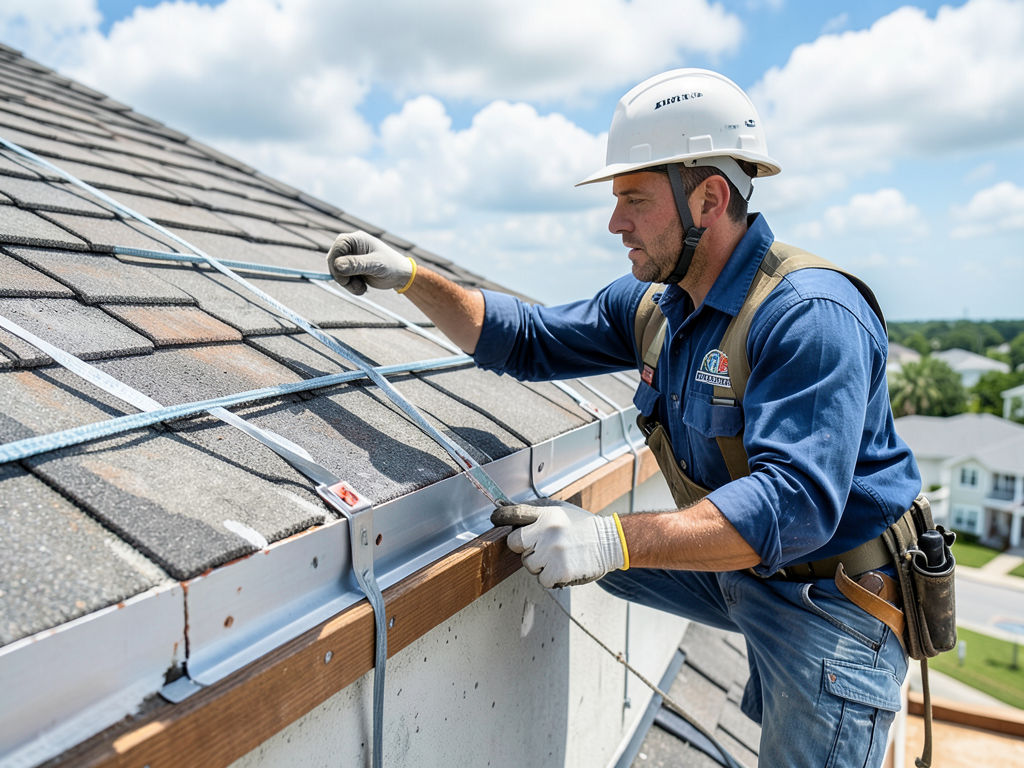
How to Navigate the My Safe Florida Home Re-Inspection Process in 2026
Getting your My Safe Florida Home inspection completed is just the first step toward protecting your Tampa home and lowering your insurance premiums. The re-inspection process in 2026 involves specific requirements that many homeowners overlook, potentially costing them thousands in missed insurance discounts and grant funding. This guide breaks down exactly what you need to know about the re-inspection process, from understanding your initial inspection report to completing the final verification after your roofing upgrades. My Safe Florida Home official portal.
The My Safe Florida Home program offers Tampa homeowners up to $10,000 in matching grants for wind mitigation improvements, but the benefits only materialize if you navigate the re-inspection process correctly. Many homeowners complete their roof upgrades but forget the crucial final step that activates their insurance premium discounts and secures their grant reimbursement. Florida Statute 627.712 on wind mitigation inspections.
Understanding Your Initial Inspection Results
Your initial wind mitigation inspection creates the baseline for everything that follows. The inspector evaluates seven key areas of your home’s wind resistance, with particular focus on roof-to-wall connections, secondary water resistance, and opening protection. In Tampa’s Wind Zone III classification, these factors become even more critical for both safety and insurance savings. Navigating Roof Insurance Claims After a Storm in Tampa.
The inspection report uses the Uniform Mitigation Verification Inspection Form (OIR-B1-1802), which insurance companies specifically require. Each positive feature on this form translates to premium discounts, with roof-to-wall connections and secondary water barriers typically providing the largest savings. Understanding these results helps you prioritize which upgrades will deliver the best return on your investment.
Key Inspection Findings That Trigger Re-Inspection:
- Missing or inadequate roof-to-wall connectors
- Lack of secondary water resistance (SWR)
- Non-impact rated openings
- Missing gable-end bracing
- Insufficient wall construction type
The Grant Application Timeline You Need to Follow
Timing becomes critical when working through the My Safe Florida Home process. After your initial inspection, you have 180 days to complete your grant application through the official portal at mysafeflhome.com. Missing this window means losing your spot in the current funding cycle, which has already distributed over $193 million to Florida homeowners as of 2026. Florida Division of Emergency Management wind mitigation resources.
Once approved, you’ll receive a notification allowing you to proceed with your roofing contractor. The contractor must be licensed and registered with the Florida Department of Financial Services, and they need to understand the specific documentation requirements for MSFH projects. This is where many homeowners stumble – not all roofing contractors are familiar with the grant paperwork and inspection verification process. Choosing the Best Roofing Contractor for Your Westchase Home.
After your roof installation, the re-inspection becomes mandatory. This final verification ensures all grant-funded improvements meet the program’s standards and that your home now qualifies for the maximum insurance discounts. The re-inspector compares your completed work against the original inspection report and verifies that all improvements were installed according to Florida Building Code requirements.
What the Re-Inspector Looks For
The re-inspection focuses on verifying that your wind mitigation improvements were installed correctly and completely. For roofing projects, this means checking that all grant-funded upgrades meet specific technical standards that directly impact your home’s storm resistance. Roofing Dunedin.
Roof-to-wall connections receive intense scrutiny during re-inspection. The inspector verifies that connectors are properly spaced, correctly installed, and meet the spacing requirements outlined in the Florida Building Code. In Tampa’s coastal areas, these connections must often exceed standard requirements due to the higher wind loads in Zone III.. Read more about How to Read a Tampa Roofing Estimate Without Getting Confused by the Jargon.
Secondary water resistance installation gets particular attention because it provides crucial protection if your roof covering fails during a storm. The inspector checks that the SWR material extends across the entire roof deck and that all penetrations are properly sealed. This layer becomes your home’s last defense against water intrusion during severe weather events.
Re-Inspection Checklist:
- Verification of all installed connectors and their spacing
- Confirmation that SWR material covers entire roof deck
- Check for proper nailing patterns on new roofing materials
- Verification of any impact-resistant features
- Confirmation that all work meets current building codes
Insurance Premium Benefits After Re-Inspection
The re-inspection directly impacts your insurance premiums through the Florida Office of Insurance Regulation’s discount schedule. Homes that meet higher wind mitigation standards can see premium reductions of 15-40%, depending on the combination of improvements completed. These discounts apply annually, making them a significant long-term benefit beyond the initial grant funding.
Your updated Uniform Mitigation Verification Inspection Form becomes the key document for insurance discounts. After the re-inspection, you’ll receive this form showing your home’s new wind mitigation rating. Submit this to your insurance carrier to activate your premium discounts, which typically take effect at your next renewal cycle.
In Tampa’s competitive insurance market, homes with strong wind mitigation ratings often qualify for coverage more easily and at better rates. Some insurance carriers even offer additional discounts for homes that meet Fortified Home Gold or equivalent standards, which exceed basic MSFH requirements.
Common Re-Inspection Pitfalls to Avoid
Many homeowners encounter delays or complications during the re-inspection process due to preventable issues. Understanding these common pitfalls helps you prepare properly and avoid costly setbacks that can delay your insurance discounts and grant reimbursement.
Incomplete documentation ranks as the top cause of re-inspection delays. Your roofing contractor must provide detailed invoices showing which improvements were grant-funded and which were paid privately. The MSFH program requires clear separation of these costs for reimbursement processing, and missing documentation can halt your entire claim. Roofing Saint Petersburg.
Code compliance issues often emerge during re-inspection when contractors cut corners or use outdated installation methods. Tampa’s building inspectors and MSFH re-inspectors look for current Florida Building Code compliance, not just the minimum standards from when your home was built. This means some upgrades may require additional work to meet 2026 standards.
Scheduling conflicts between your roofing completion and the re-inspection can create gaps in coverage. The re-inspector needs to verify that all grant-funded improvements are fully installed and operational, which means waiting until all work is complete rather than scheduling too early in the process.. Read more about Why Your Oldsmar Home Needs a Roof That Can Handle Salt Spray and High Winds.
Working With Your Roofing Contractor
Choosing the right roofing contractor becomes crucial for successfully navigating the MSFH re-inspection process. Not all contractors understand the specific requirements and documentation needed for grant-funded projects, and working with an inexperienced contractor can lead to failed inspections and delayed reimbursements.
Your contractor should provide a detailed scope of work that clearly identifies which improvements qualify for MSFH funding. This scope becomes part of your grant application and must align with what the inspector verifies during re-inspection. Any discrepancies between the proposed work and completed improvements can trigger additional inspections or documentation requests.
Communication between your contractor, the grant administrators, and the re-inspector needs to be seamless. The best contractors act as project managers, ensuring all parties have the information they need and that your project stays on schedule for timely completion and verification.
Questions to Ask Your Contractor:
- How many MSFH projects have you completed in Tampa?
- Are you familiar with the current re-inspection requirements?
- Can you provide references from past MSFH projects?
- What documentation will you provide for the grant reimbursement?
- How do you handle code compliance issues that arise during installation?
Timeline Expectations for Tampa Homeowners
Understanding the realistic timeline helps you plan your project and manage expectations about when you’ll see insurance savings and grant reimbursement. The entire process from initial inspection to final reimbursement typically takes 4-6 months, though this can vary based on contractor availability and inspection scheduling.
Initial inspection scheduling usually occurs within 1-2 weeks of your request, with the actual inspection taking about an hour for most homes. Your inspection report arrives within 3-5 business days, giving you the information needed to decide on grant application.
Grant application processing by the Florida Department of Financial Services takes approximately 30-45 days, though this can extend during peak application periods. Once approved, you have 180 days to complete your improvements, though most homeowners finish within 60-90 days depending on contractor availability and weather conditions.
The re-inspection typically occurs within 2 weeks of project completion, with final documentation and reimbursement processing taking an additional 30-45 days. Your insurance premium discounts should appear on your next renewal statement, usually within 2-3 billing cycles after submitting your updated inspection form.
Maximizing Your Investment Returns
Strategic planning of your wind mitigation improvements can significantly increase your return on investment beyond the basic MSFH grant. Understanding which improvements provide the best insurance premium reductions helps you allocate your resources for maximum benefit.
Roof-to-wall connections typically offer the highest insurance premium reductions per dollar invested, often reducing premiums by $3-5 annually for every dollar spent on improvements. Secondary water resistance provides excellent protection but slightly lower premium reductions, while impact-resistant openings offer moderate savings but significant storm protection benefits.
Consider bundling improvements to maximize both grant funding and insurance discounts. For example, combining roof replacement with upgraded connectors and SWR might qualify for the full $10,000 grant while also qualifying for the highest insurance premium discount tiers. This comprehensive approach often delivers better long-term value than addressing improvements piecemeal. Affordable Roof Replacement Solutions for Homeowners in Riverview.
Energy efficiency improvements can sometimes be combined with wind mitigation upgrades, providing additional utility savings beyond insurance benefits. Cool roof coatings, proper attic ventilation, and high-reflectivity materials can reduce cooling costs while also meeting wind mitigation requirements.
Frequently Asked Questions
How long does the My Safe Florida Home re-inspection take?
The re-inspection typically takes 30-45 minutes for a standard single-family home. The inspector will verify all completed improvements against the original inspection report and check for code compliance on all grant-funded work.
Can I use my own inspector for the re-inspection?
No, the My Safe Florida Home program requires re-inspections to be performed by inspectors certified through the Florida Department of Financial Services. These inspectors understand the specific grant requirements and documentation needed for reimbursement.
What happens if I fail the re-inspection?
If improvements don’t meet program requirements, you’ll receive a detailed report of deficiencies. You can correct these issues and request a follow-up inspection. Some minor issues might be documented for insurance purposes while still qualifying for partial grant reimbursement.
How do I submit my updated inspection form to insurance?
Submit your updated Uniform Mitigation Verification Inspection Form directly to your insurance carrier. Most companies accept electronic submissions, though some may require mailed copies. Your insurance agent can guide you through their specific submission process.
What if my contractor made a mistake on the grant-funded work?
Document any issues immediately with photos and written communication to your contractor. Most MSFH contractors are licensed and insured, and they should correct mistakes at their expense. The grant reimbursement typically isn’t affected by contractor errors if they’re corrected properly.
Next Steps for Your MSFH Project
Ready to start your My Safe Florida Home journey? The process begins with scheduling your initial wind mitigation inspection. This free inspection creates the roadmap for your grant application and helps you understand exactly which improvements will benefit your home most.
Don’t wait until hurricane season approaches to begin this process. The earlier you start, the more options you’ll have for contractor scheduling and the better prepared your home will be for Florida’s storm season. Plus, spreading the work over several months can make the financial impact easier to manage.
Call (656) 245-0955 today to schedule your initial inspection and learn more about how the My Safe Florida Home program can protect your Tampa home while saving you money on insurance premiums. Our team understands the complete MSFH process from initial inspection through final reimbursement, and we’ll guide you through every step to ensure you maximize your benefits.
Don’t let confusion about the re-inspection process cost you thousands in missed insurance discounts and grant funding. Pick up the phone and call (656) 245-0955 before the next storm hits. Your home’s protection and your wallet will thank you.
Additional Resources
For more information about wind mitigation and home protection in Tampa, explore these related topics:
Understanding Wind Mitigation Credits for Tampa Insurance Premiums
Choosing Hurricane-Resistant Roofing Materials for Florida Homes
The Importance of Secondary Water Resistance in Coastal Areas
Navigating Roof Insurance Claims After a Storm in Tampa
{
“@context”: “https://schema.org”,
“@type”: “BlogPosting”,
“headline”: “How to Navigate the My Safe Florida Home Re-Inspection Process in 2026”,
“description”: “Complete guide to the My Safe Florida Home re-inspection process in Tampa. Learn about wind mitigation grants, inspection requirements, and how to maximize your roofing benefits in 2026.”,
“wordCount”: 2046,
“datePublished”: “2026-06-07T12:44:00.000Z”,
“dateModified”: “2026-06-07T12:44:00.000Z”,
“inLanguage”: “en-US”,
“mainEntityOfPage”: {
“@type”: “WebPage”,
“@id”: “https://crestlineroofingtampa.com”
},
“publisher”: {
“@type”: “LocalBusiness”,
“name”: “Crestline Roofing Tampa”,
“url”: “https://crestlineroofingtampa.com”
},
“author”: {
“@type”: “Organization”,
“name”: “Crestline Roofing Tampa”,
“url”: “https://crestlineroofingtampa.com”
},
“image”: {
“@type”: “ImageObject”,
“url”: “https://crestlineroofingtampa.com/wp-content/uploads/2026/03/how-to-navigate-the-my-safe-florida-home-re-inspec-1.png”
}
}
{
“@context”: “https://schema.org”,
“@type”: “RoofingContractor”,
“name”: “Crestline Roofing Tampa”,
“url”: “https://crestlineroofingtampa.com”,
“address”: {
“@type”: “PostalAddress”,
“addressLocality”: “Tampa”
},
“areaServed”: {
“@type”: “City”,
“name”: “Tampa”
}
}
{
“@context”: “https://schema.org”,
“@type”: “FAQPage”,
“mainEntity”: [
{
“@type”: “Question”,
“name”: “How long does the My Safe Florida Home re-inspection take?”,
“acceptedAnswer”: {
“@type”: “Answer”,
“text”: “The re-inspection typically takes 30-45 minutes for a standard single-family home. The inspector will verify all completed improvements against the original inspection report and check for code compliance on all grant-funded work.”
}
},
{
“@type”: “Question”,
“name”: “Can I use my own inspector for the re-inspection?”,
“acceptedAnswer”: {
“@type”: “Answer”,
“text”: “No, the My Safe Florida Home program requires re-inspections to be performed by inspectors certified through the Florida Department of Financial Services. These inspectors understand the specific grant requirements and documentation needed for reimbursement.”
}
},
{
“@type”: “Question”,
“name”: “What happens if I fail the re-inspection?”,
“acceptedAnswer”: {
“@type”: “Answer”,
“text”: “If improvements don’t meet program requirements, you’ll receive a detailed report of deficiencies. You can correct these issues and request a follow-up inspection. Some minor issues might be documented for insurance purposes while still qualifying for partial grant reimbursement.”
}
},
{
“@type”: “Question”,
“name”: “How do I submit my updated inspection form to insurance?”,
“acceptedAnswer”: {
“@type”: “Answer”,
“text”: “Submit your updated Uniform Mitigation Verification Inspection Form directly to your insurance carrier. Most companies accept electronic submissions, though some may require mailed copies. Your insurance agent can guide you through their specific submission process.”
}
},
{
“@type”: “Question”,
“name”: “What if my contractor made a mistake on the grant-funded work?”,
“acceptedAnswer”: {
“@type”: “Answer”,
“text”: “Document any issues immediately with photos and written communication to your contractor. Most MSFH contractors are licensed and insured, and they should correct mistakes at their expense. The grant reimbursement typically isn’t affected by contractor errors if they’re corrected properly.”
}
}
]
}
{
“@context”: “https://schema.org”,
“@type”: “BreadcrumbList”,
“itemListElement”: [
{
“@type”: “ListItem”,
“position”: 1,
“name”: “Home”,
“item”: “https://crestlineroofingtampa.com”
},
{
“@type”: “ListItem”,
“position”: 2,
“name”: “Blog”,
“item”: “https://crestlineroofingtampa.com/blog”
},
{
“@type”: “ListItem”,
“position”: 3,
“name”: “How to Navigate the My Safe Florida Home Re-Inspection Process in 2026”
}
]
}
{
“@context”: “https://schema.org”,
“@type”: “Service”,
“serviceType”: “Roofing”,
“provider”: {
“@type”: “LocalBusiness”,
“name”: “Crestline Roofing Tampa”,
“url”: “https://crestlineroofingtampa.com”
},
“areaServed”: {
“@type”: “City”,
“name”: “Tampa”
},
“description”: “Complete guide to the My Safe Florida Home re-inspection process in Tampa. Learn about wind mitigation grants, inspection requirements, and how to maximize your roofing benefits in 2026.”
}