
How to Protect Your Keystone Estate from Lightning Damage to the Roof
Lightning strikes are a serious threat to Tampa Bay homeowners, especially in rural areas like Keystone where large estates often feature metal roofing systems. The good news is that metal roofs do not attract lightning any more than other materials. In fact, they offer superior protection because they are non-combustible and can safely conduct electricity to the ground when properly installed. This guide explains the science behind lightning protection, Florida-specific building requirements, and practical steps you can take to protect your property. Choosing the Best Roofing Contractor for Your Westchase Home.
The first step is understanding that lightning seeks the highest point in an area, not a specific material. A metal roof is just as likely to be struck as asphalt shingles if it’s on the highest structure. The difference lies in what happens after the strike. Metal conducts electricity efficiently, which means it can channel the energy safely away from your home if you have the right grounding system in place.
Understanding Tampa’s Lightning Risk
Tampa sits in what meteorologists call “Lightning Alley,” the corridor between Tampa and Titusville that experiences the highest frequency of cloud-to-ground lightning strikes in North America. The area sees an average of 25 to 30 lightning days per year, with each storm potentially producing dozens of strikes within a few miles of your property.
Keystone’s rural setting with open fields and scattered trees creates an environment where lightning can strike anywhere. Large estates often have taller structures than surrounding properties, which can make them more likely targets. The Florida Building Code requires specific lightning protection measures for residential properties in high-risk areas, including proper grounding and surge protection systems.
According to the National Weather Service, lightning can heat the air around a strike to 50,000 degrees Fahrenheit – five times hotter than the surface of the sun. This extreme heat can cause immediate structural damage and secondary fires if your roof material is combustible. Metal roofs eliminate this fire risk entirely. National Weather Service lightning safety information.
The Science of Lightning Protection
Lightning protection is based on the principle of providing a low-resistance path to ground. When lightning strikes, it follows the path of least resistance to reach the earth. A properly designed system includes air terminals (lightning rods), main conductors, and a grounding system that can handle the massive electrical surge.
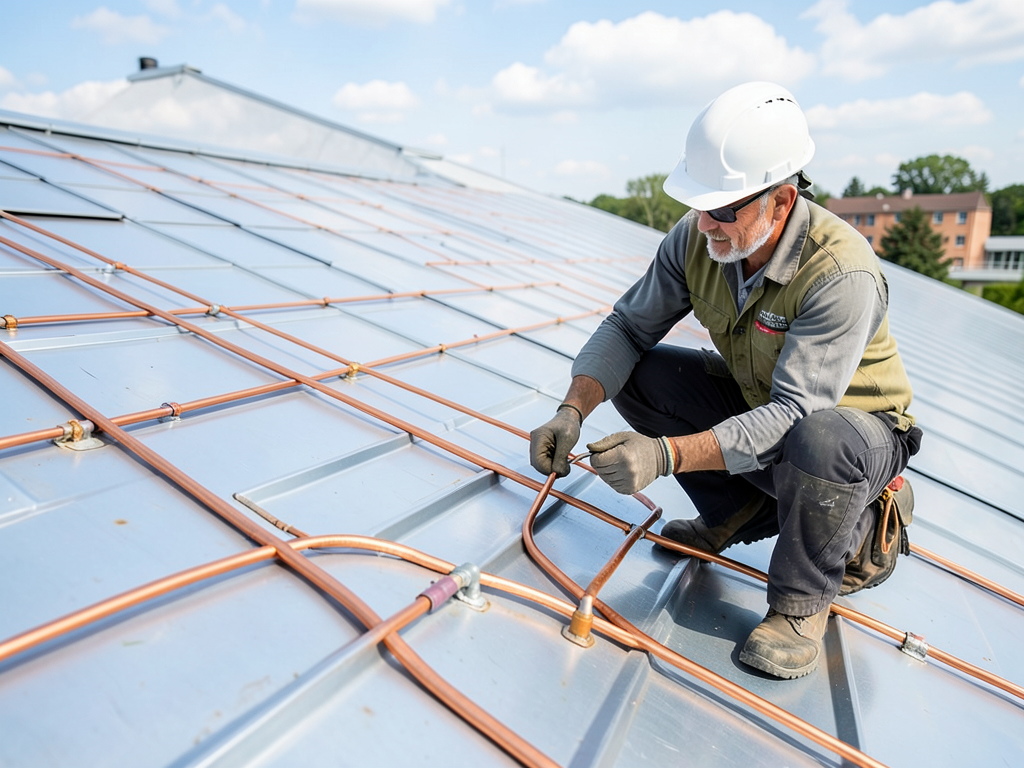
Metal roofing acts as a natural conductor, but it needs to be part of a complete lightning protection system. The roof panels themselves should be bonded together electrically so the entire surface becomes one conductive unit. This prevents side flashes – dangerous arcs of electricity that can jump between unconnected metal parts. Roofing Dunedin.
Grounding is critical. The National Fire Protection Association’s NFPA 780 standard requires lightning protection systems to have a grounding resistance of less than 25 ohms. In Florida’s sandy soil, achieving this often requires multiple ground rods driven deep into the earth and connected with heavy-gauge copper conductors. NFPA 780 lightning protection standards.
Metal Roofing Benefits During Lightning Strikes
Metal roofs offer several advantages when lightning strikes. First, they are non-combustible with a Class A fire rating, meaning they won’t catch fire from direct flame or extreme heat. This is crucial in Florida where lightning-caused fires are common.
Second, metal roofs are durable enough to withstand the physical impact of a lightning strike. While the strike may cause cosmetic damage like pitting or discoloration, the structural integrity of the roof remains intact. This is unlike asphalt shingles, which can be completely destroyed by a direct hit.
Third, metal roofs can help protect your home’s electronics and appliances. When properly grounded, the electrical surge from a lightning strike travels through the roof system and into the ground, rather than through your home’s wiring where it could damage sensitive equipment.
Florida Building Code Requirements
The Florida Building Code Section 1609.6 addresses wind and lightning protection requirements for residential structures. For homes in areas with high lightning activity, the code mandates that lightning protection systems comply with NFPA 780 standards.
Key requirements include using copper or aluminum conductors with minimum sizes of 17 AWG for main conductors and 12 AWG for down conductors. All metal roofing panels must be electrically bonded to prevent potential differences that could cause side flashes. Roofing Saint Petersburg.
The code also requires surge protection devices for electrical service entrances. These devices protect your home’s electrical system from the voltage spikes that occur when lightning strikes nearby. Without this protection, a strike to your roof could send a surge through your home’s wiring, damaging everything from your HVAC system to your smart home devices.
Grounding Systems for Residential Properties
A proper grounding system for a metal roof involves more than just driving a rod into the ground. In Florida’s sandy soil, you typically need at least two 8-foot ground rods spaced 10 feet apart. These rods should be connected with a continuous copper conductor that bonds to all metal roofing components.
The grounding system should also connect to your home’s main electrical ground, plumbing system, and any other metallic structures on your property. This creates an equipotential zone where all metal parts are at the same electrical potential, preventing dangerous voltage differences.
For large estates in Keystone, you might need additional grounding points around the perimeter of your home. The specific requirements depend on your home’s size, the height of your roof, and local soil conditions. A professional assessment can determine the optimal grounding configuration for your property.
Surge Protection for Your Home Electronics
Lightning protection isn’t just about the roof – it’s also about protecting what’s inside your home. Whole-house surge protectors installed at your main electrical panel provide the first line of defense against voltage spikes from lightning strikes.
These devices can absorb surges up to 20,000 amps and clamp voltage to safe levels before it enters your home’s wiring. They’re particularly important in Florida, where lightning storms are frequent and can cause repeated small surges that degrade electronics over time.
For maximum protection, combine whole-house surge protection with point-of-use surge protectors for sensitive electronics like computers, televisions, and smart home systems. This layered approach ensures that even if a surge gets past the main protector, your valuable equipment remains safe.
Post-Strike Inspection Checklist
After a lightning strike, even if you don’t see obvious damage, you should have your roof inspected. Lightning can cause invisible damage to electrical systems and structural components that might not be apparent immediately.
Look for these signs of lightning damage: melted or discolored metal panels, damaged or missing lightning rods, burned or melted wiring in your attic, tripped circuit breakers that won’t reset, or appliances that suddenly stop working. Also check for water stains on ceilings, which could indicate that the strike damaged waterproofing components.
A professional inspection should include checking all electrical connections, testing grounding system integrity, and examining the roof structure for hidden damage. In Florida, where lightning strikes are common, many homeowners schedule annual lightning damage inspections as part of their routine maintenance.
Aluminum vs. Steel Roofing in Coastal Environments
Coastal properties in areas like Clearwater or Dunedin face additional challenges when it comes to lightning protection. Salt air can accelerate corrosion of metal roofing components, potentially compromising the electrical conductivity needed for effective lightning protection.
Aluminum roofing offers excellent corrosion resistance in coastal environments but has lower electrical conductivity than steel. This means aluminum roofs might need larger conductors or additional grounding points to provide the same level of lightning protection as steel roofs.
Steel roofing, particularly galvanized or Galvalume-coated steel, provides better electrical conductivity and can be more cost-effective. However, it requires more frequent maintenance in coastal areas to prevent corrosion from compromising the lightning protection system.
Insurance Considerations for Metal Roofs
Many Florida insurance companies offer premium discounts for homes with metal roofs and certified lightning protection systems. The non-combustible nature of metal roofing and the added protection of a proper grounding system can reduce your risk profile significantly. Navigating Roof Insurance Claims After a Storm in Tampa.
When installing a new metal roof, ask your contractor about lightning protection certification. Some insurance companies require documentation that your lightning protection system meets NFPA 780 standards before they’ll apply premium discounts.
Also consider that metal roofs can help protect against other types of storm damage. Their durability against high winds and impact from debris makes them an excellent choice for Florida’s hurricane-prone climate, potentially lowering your overall insurance costs.
Maintenance for Long-Term Protection
Lightning protection systems require regular maintenance to remain effective. In Florida’s humid climate, connections can corrode, ground rods can become less effective as soil conditions change, and physical damage can occur from wind or debris.
Annual maintenance should include checking all electrical connections for corrosion, testing ground rod resistance, inspecting lightning rods for damage, and verifying that all metal components remain properly bonded. Any vegetation growing near ground rods should be cleared to maintain proper soil contact.
For Keystone estates with extensive metal roofing, consider quarterly inspections during the rainy season when lightning activity is highest. This proactive approach can identify and fix minor issues before they compromise your lightning protection system.
Emergency Response After a Strike
If your home is struck by lightning, your first priority is safety. Evacuate if you smell smoke or see flames. Once it’s safe, check your main electrical panel for tripped breakers and look for any signs of fire or water intrusion.
Document everything with photos and videos. This documentation is crucial for insurance claims and can help your contractor identify the extent of the damage. Even if you don’t see obvious damage, have a professional inspect your roof and electrical systems as soon as possible.
Many roofing contractors in Tampa offer 24/7 emergency response for lightning damage. Quick action can prevent secondary damage from water intrusion and ensure that any electrical issues are addressed before they cause further problems.
Cost Factors for Lightning Protection
The cost of adding lightning protection to a new metal roof typically ranges from $2,000 to $5,000 for an average-sized home, depending on the complexity of your roof design and local soil conditions. This includes air terminals, conductors, grounding system, and surge protection devices.
For existing homes, retrofitting lightning protection can cost more, especially if your current roof needs modifications to accommodate the system. The age and condition of your existing electrical system also affects the cost, as older homes might need electrical panel upgrades to support modern surge protection.
While this might seem like a significant investment, consider that a single lightning strike can cause tens of thousands of dollars in damage to your home’s structure and electronics. The cost of protection is minimal compared to the potential losses from an unprotected strike.
Choosing the Right Contractor
Not all roofing contractors have experience with lightning protection systems. Look for contractors who are certified by the Lightning Protection Institute or who have specific training in NFPA 780 standards. They should be able to provide references for similar projects in your area.
Ask potential contractors about their experience with metal roofing installations in Florida’s coastal climate. They should understand the unique challenges of corrosion, thermal expansion, and high-wind requirements that affect both the roofing system and the lightning protection components.
A qualified contractor will also help you navigate the permitting process, as lightning protection systems typically require permits and inspections in Florida. They should coordinate with your local building department to ensure all work meets current code requirements.
Future-Proofing Your Protection System
As homes become more connected with smart devices and solar panels, lightning protection needs to evolve. Modern systems can include data line protection for internet and cable connections, protection for solar panel arrays, and integration with home automation systems.
Consider future expansion when designing your lightning protection system. If you plan to add solar panels or a pool in the next few years, your initial installation should account for these additions to avoid costly retrofits later.
Technology is also improving lightning protection. New materials and designs offer better conductivity, corrosion resistance, and ease of installation. Working with a contractor who stays current with these developments ensures you get the most effective protection available.
Peace of Mind Through Professional Installation
Protecting your Keystone estate from lightning damage requires expertise in both roofing and electrical systems. A properly designed and installed lightning protection system provides peace of mind during Florida’s frequent thunderstorms.
The combination of a non-combustible metal roof, proper grounding, surge protection, and regular maintenance creates multiple layers of defense against lightning damage. This comprehensive approach protects not just your roof, but your entire home and everything in it.
Don’t wait until after a lightning strike to think about protection. The time to install proper lightning protection is during your next roof replacement or as a proactive upgrade to your existing system. Your investment today can save you from catastrophic losses tomorrow. Affordable Roof Replacement Solutions for Homeowners in Riverview.
Frequently Asked Questions
Does a metal roof really attract lightning?
No, metal roofs do not attract lightning any more than other roofing materials. Lightning seeks the highest point in an area, not a specific material. Metal roofs actually offer better protection because they are non-combustible and can safely conduct electricity to ground when properly installed.
How much does lightning protection for a metal roof cost in Florida?
Lightning protection for a metal roof typically costs between $2,000 and $5,000 for an average-sized home. This includes air terminals, grounding system, surge protection devices, and professional installation. The exact cost depends on your home’s size, roof complexity, and local soil conditions.
Is lightning protection required by Florida building codes?
The Florida Building Code requires lightning protection systems for homes in high-risk areas to comply with NFPA 780 standards. While not every home must have lightning protection, homes in areas with frequent lightning strikes need proper grounding and surge protection for electrical systems.
How often should lightning protection systems be inspected?
Lightning protection systems should be inspected annually at minimum, with quarterly inspections recommended during Florida’s rainy season when lightning activity is highest. Inspections should check all connections, ground rod resistance, and overall system integrity to ensure continued effectiveness.
Can lightning damage electronics even if it doesn’t strike my house?
Yes, lightning can cause damage to electronics even when it strikes nearby. A strike within a mile can create voltage spikes in power lines and data cables that enter your home. This is why whole-house surge protection is important even if you have a complete lightning protection system.
- Assess Your Risk
Evaluate your property’s lightning exposure based on height, location in Tampa’s Lightning Alley, and surrounding terrain. Consider your home’s value and contents when deciding on protection levels.
- Choose the Right Metal Roofing
Select a metal roofing system that’s compatible with lightning protection. Consider aluminum for coastal properties or steel for better conductivity and cost-effectiveness in inland areas.
- Install Proper Grounding
Work with a qualified contractor to design a grounding system that meets NFPA 780 standards. This typically includes multiple ground rods, proper conductor sizing, and bonding to all metal components.
- Add Surge Protection
Install whole-house surge protectors at your main electrical panel and point-of-use protectors for sensitive electronics. This layered approach provides comprehensive protection against voltage spikes.
- Schedule Regular Maintenance
Arrange annual inspections of your lightning protection system, with more frequent checks during storm season. Address any corrosion or damage immediately to maintain system effectiveness.
Protecting your Keystone estate from lightning damage requires expertise in both roofing and electrical systems. The combination of a non-combustible metal roof, proper grounding, surge protection, and regular maintenance creates multiple layers of defense against lightning damage. This comprehensive approach protects not just your roof, but your entire home and everything in it.
Don’t wait until after a lightning strike to think about protection. The time to install proper lightning protection is during your next roof replacement or as a proactive upgrade to your existing system. Your investment today can save you from catastrophic losses tomorrow.
Call (656) 245-0955 today to schedule your lightning protection assessment and ensure your Keystone estate is ready for Florida’s next thunderstorm. Our experienced team understands the unique challenges of protecting high-value properties in Tampa’s lightning-prone environment.
{
“@context”: “https://schema.org”,
“@type”: “BlogPosting”,
“headline”: “How to Protect Your Keystone Estate from Lightning Damage to the Roof”,
“description”: “Learn how to safeguard your Keystone estate from lightning strikes with expert metal roofing installation, grounding systems, and Florida Building Code compliance. Call (656) 245-0955.”,
“wordCount”: 2712,
“datePublished”: “2026-05-27T06:54:00.000Z”,
“dateModified”: “2026-05-27T06:54:00.000Z”,
“inLanguage”: “en-US”,
“mainEntityOfPage”: {
“@type”: “WebPage”,
“@id”: “https://crestlineroofingtampa.com”
},
“publisher”: {
“@type”: “LocalBusiness”,
“name”: “Crestline Roofing Tampa”,
“url”: “https://crestlineroofingtampa.com”
},
“author”: {
“@type”: “Organization”,
“name”: “Crestline Roofing Tampa”,
“url”: “https://crestlineroofingtampa.com”
},
“image”: {
“@type”: “ImageObject”,
“url”: “https://crestlineroofingtampa.com/wp-content/uploads/2026/03/how-to-protect-your-keystone-estate-from-lightning-1.png”
}
}
{
“@context”: “https://schema.org”,
“@type”: “RoofingContractor”,
“name”: “Crestline Roofing Tampa”,
“url”: “https://crestlineroofingtampa.com”,
“address”: {
“@type”: “PostalAddress”,
“addressLocality”: “Tampa”
},
“areaServed”: {
“@type”: “City”,
“name”: “Tampa”
}
}
{
“@context”: “https://schema.org”,
“@type”: “FAQPage”,
“mainEntity”: [
{
“@type”: “Question”,
“name”: “Does a metal roof really attract lightning?”,
“acceptedAnswer”: {
“@type”: “Answer”,
“text”: “No, metal roofs do not attract lightning any more than other roofing materials. Lightning seeks the highest point in an area, not a specific material. Metal roofs actually offer better protection because they are non-combustible and can safely conduct electricity to ground when properly installed.”
}
},
{
“@type”: “Question”,
“name”: “How much does lightning protection for a metal roof cost in Florida?”,
“acceptedAnswer”: {
“@type”: “Answer”,
“text”: “Lightning protection for a metal roof typically costs between $2,000 and $5,000 for an average-sized home. This includes air terminals, grounding system, surge protection devices, and professional installation. The exact cost depends on your home’s size, roof complexity, and local soil conditions.”
}
},
{
“@type”: “Question”,
“name”: “Is lightning protection required by Florida building codes?”,
“acceptedAnswer”: {
“@type”: “Answer”,
“text”: “The Florida Building Code requires lightning protection systems for homes in high-risk areas to comply with NFPA 780 standards. While not every home must have lightning protection, homes in areas with frequent lightning strikes need proper grounding and surge protection for electrical systems.”
}
},
{
“@type”: “Question”,
“name”: “How often should lightning protection systems be inspected?”,
“acceptedAnswer”: {
“@type”: “Answer”,
“text”: “Lightning protection systems should be inspected annually at minimum, with quarterly inspections recommended during Florida’s rainy season when lightning activity is highest. Inspections should check all connections, ground rod resistance, and overall system integrity to ensure continued effectiveness.”
}
},
{
“@type”: “Question”,
“name”: “Can lightning damage electronics even if it doesn’t strike my house?”,
“acceptedAnswer”: {
“@type”: “Answer”,
“text”: “Yes, lightning can cause damage to electronics even when it strikes nearby. A strike within a mile can create voltage spikes in power lines and data cables that enter your home. This is why whole-house surge protection is important even if you have a complete lightning protection system.”
}
}
]
}
{
“@context”: “https://schema.org”,
“@type”: “HowTo”,
“name”: “How to Protect Your Keystone Estate from Lightning Damage”,
“step”: [
{
“@type”: “HowToStep”,
“position”: 1,
“name”: “Assess Your Risk”,
“text”: “Evaluate your property’s lightning exposure based on height, location in Tampa’s Lightning Alley, and surrounding terrain. Consider your home’s value and contents when deciding on protection levels.”
},
{
“@type”: “HowToStep”,
“position”: 2,
“name”: “Choose the Right Metal Roofing”,
“text”: “Select a metal roofing system that’s compatible with lightning protection. Consider aluminum for coastal properties or steel for better conductivity and cost-effectiveness in inland areas.”
},
{
“@type”: “HowToStep”,
“position”: 3,
“name”: “Install Proper Grounding”,
“text”: “Work with a qualified contractor to design a grounding system that meets NFPA 780 standards. This typically includes multiple ground rods, proper conductor sizing, and bonding to all metal components.”
},
{
“@type”: “HowToStep”,
“position”: 4,
“name”: “Add Surge Protection”,
“text”: “Install whole-house surge protectors at your main electrical panel and point-of-use protectors for sensitive electronics. This layered approach provides comprehensive protection against voltage spikes.”
},
{
“@type”: “HowToStep”,
“position”: 5,
“name”: “Schedule Regular Maintenance”,
“text”: “Arrange annual inspections of your lightning protection system, with more frequent checks during storm season. Address any corrosion or damage immediately to maintain system effectiveness.”
}
],
“image”: “https://crestlineroofingtampa.com/wp-content/uploads/2026/03/how-to-protect-your-keystone-estate-from-lightning-1.png”
}
{
“@context”: “https://schema.org”,
“@type”: “BreadcrumbList”,
“itemListElement”: [
{
“@type”: “ListItem”,
“position”: 1,
“name”: “Home”,
“item”: “https://crestlineroofingtampa.com”
},
{
“@type”: “ListItem”,
“position”: 2,
“name”: “Blog”,
“item”: “https://crestlineroofingtampa.com/blog”
},
{
“@type”: “ListItem”,
“position”: 3,
“name”: “How to Protect Your Keystone Estate from Lightning Damage to the Roof”
}
]
}
{
“@context”: “https://schema.org”,
“@type”: “Service”,
“serviceType”: “Roofing”,
“provider”: {
“@type”: “LocalBusiness”,
“name”: “Crestline Roofing Tampa”,
“url”: “https://crestlineroofingtampa.com”
},
“areaServed”: {
“@type”: “City”,
“name”: “Tampa”
},
“description”: “Learn how to safeguard your Keystone estate from lightning strikes with expert metal roofing installation, grounding systems, and Florida Building Code compliance. Call (656) 245-0955.”
}