
How to Read a Tampa Roofing Estimate Without Getting Confused by the Jargon
Getting multiple roofing quotes in Tampa can feel overwhelming when every contractor uses different terms and formats. You might see line items for “squares,” “underlayment,” or “flashing” and wonder what they actually mean for your home. This guide breaks down a typical Tampa roofing estimate into clear, understandable sections so you can compare quotes confidently and spot potential red flags before signing a contract. Choosing the Best Roofing Contractor for Your Westchase Home.
A transparent estimate is your best protection against overpaying or getting incomplete work. In Tampa’s hurricane-prone climate, understanding what each line item covers helps you verify that your contractor follows Florida Building Code requirements and includes essential weatherproofing features that protect your investment. Florida Building Code.
Understanding the Basics: What’s in a Roofing Estimate?
Every roofing estimate contains several core components that directly affect your final price. The largest portion typically covers materials, followed by labor costs, permit fees, and disposal charges. Additional line items might include unexpected repairs discovered during the project or specialized features like secondary water barriers required by Florida insurance companies. Navigating Roof Insurance Claims After a Storm in Tampa.
Material costs vary significantly based on your choice of shingles, tile, or metal roofing. Labor rates in Tampa-St. Petersburg-Clearwater metro area reflect the specialized skills needed for Florida’s high-velocity hurricane zone requirements. Permit fees depend on your location within Hillsborough County and whether your home sits in a flood zone. Hillsborough County permitting.
Understanding these basics helps you identify whether a quote seems reasonable or if certain items might be missing. A complete estimate should break down every major cost category rather than providing a single lump sum figure.
Material Costs: What You’re Actually Paying For
Roofing materials make up 40-50% of your total estimate. In Tampa, you’ll encounter several common options, each with different price points and performance characteristics suited to our climate. Roofing Dunedin.
Asphalt architectural shingles remain the most popular choice for Tampa homes. These dimensional shingles cost more than basic 3-tab varieties but offer better wind resistance and longer warranties. A typical 2,000-square-foot roof requires about 20 squares of shingles, with each square covering 100 square feet.. Read more about Everything You Need to Know About Roofing an Accessory Dwelling Unit in Seminole Heights.
Tile roofing, common in Mediterranean-style homes throughout South Tampa and Davis Islands, costs significantly more but lasts 50+ years. The weight requires additional structural support, which can increase your estimate if your home needs reinforcement.
Metal roofing, increasingly popular in newer Tampa developments, offers excellent hurricane resistance and energy efficiency. While the upfront cost is higher, metal roofs can reduce cooling costs by 20-30% in Florida’s heat.
Underlayment serves as your roof’s secondary water barrier. Florida Building Code now requires synthetic underlayment or felt with specific ratings for high-velocity hurricane zones. This layer protects your home if shingles blow off during a storm.
Drip edge and flashing materials prevent water from seeping under your roofing system at vulnerable points like valleys, chimneys, and roof edges. Quality contractors use corrosion-resistant metals that withstand Tampa’s salt air and heavy rainfall.
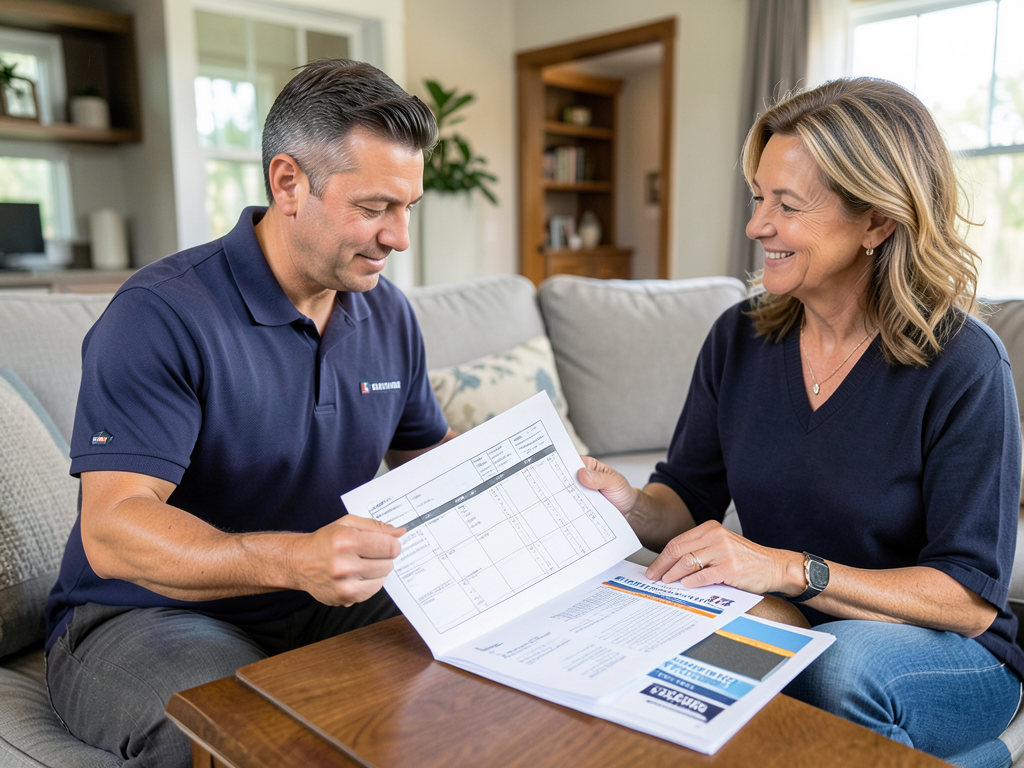
Diagram showing roofing material layers including shingles, underlayment, drip edge, and flashing components.
Labor Costs: What the Crew Actually Does
Labor typically accounts for 30-40% of your roofing estimate. Tampa contractors must follow specific installation techniques required by Florida Building Code, which affects labor time and costs.
Roof pitch significantly impacts labor costs. A steep 12:12 pitch roof takes twice as long to install as a standard 4:12 pitch and requires additional safety equipment. Homes in areas like Palma Ceia or Hyde Park often have steeper pitches that increase labor hours.
Complex roof designs with multiple valleys, dormers, or skylights require more precise cutting and fitting. Each additional penetration point adds labor time for proper flashing installation.
Wind mitigation techniques required in Tampa’s HVHZ area include specific nailing patterns, adhesive application, and secondary water barriers. These additional steps protect your home but increase installation time compared to non-coastal areas.
Removal of existing roofing adds labor costs. Most Tampa estimates include tear-off of one layer of existing shingles. If your roof has multiple layers or requires complete deck replacement, expect additional charges. Affordable Roof Replacement Solutions for Homeowners in Riverview.
Local Tampa Variables: Permits and Code Requirements
Hillsborough County permit fees range from $250 to $800 depending on your roof size and location. Homes in coastal flood zones or historic districts may require additional inspections or documentation. Preserving the Historic Charm of Seminole Heights Roofs During a Replacement.
Florida Building Code Section 1609.21 requires specific wind resistance ratings for roofing in coastal areas. Your estimate should reference compliance with these requirements, especially if you live in evacuation zones or areas prone to storm surge.
Secondary water barrier installation, required by Florida Statute 553.509 for insurance premium discounts, adds $500-$1,500 to most estimates. This self-adhering membrane prevents water intrusion if shingles fail during a hurricane.
Wind mitigation inspections, required by insurance companies for premium discounts, may be included in your estimate. These inspections verify proper installation techniques and can save you 15-30% on annual insurance premiums.
Disposal fees for old roofing materials typically range from $200 to $500 in Tampa. This covers dumpster rental and landfill charges for asphalt shingles, which cannot be recycled in most Florida counties.
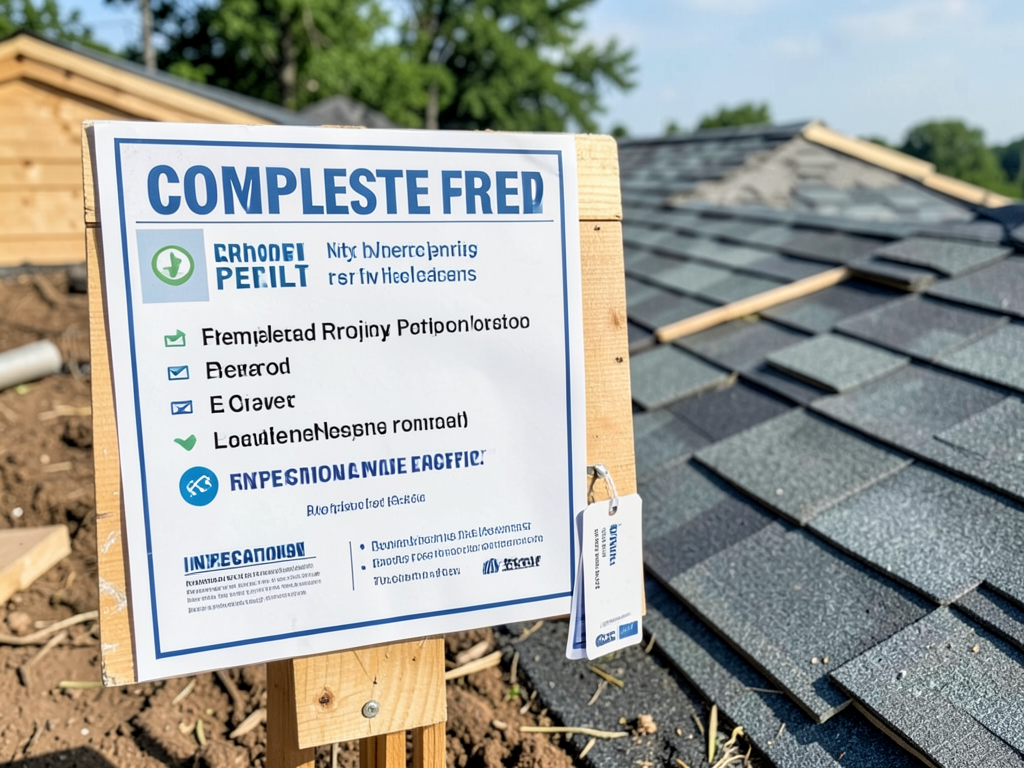
Photo showing a completed roofing permit posted on a job site with inspection tags visible.
Overhead and Warranty: The Business Costs You Pay
Contractor overhead includes insurance, licensing, equipment maintenance, and administrative costs. Reputable Tampa roofers carry general liability and workers’ compensation insurance, which protects you from liability if someone is injured on your property.
Manufacturer warranties cover defects in roofing materials for 20-50 years depending on the product. Workmanship warranties, provided by your contractor, typically cover installation errors for 5-10 years. Both should be clearly listed in your estimate.
Transportation costs for materials and equipment factor into your estimate. Tampa’s traffic patterns and the distance from suppliers to your neighborhood can affect delivery charges, especially for homes in outlying areas like Valrico or Brandon.
Office overhead includes estimate preparation, project management, and warranty administration. While these costs seem intangible, they ensure you have proper documentation and support throughout your roofing project.
Hidden Variables: What Might Increase Your Final Cost
Wood rot in roof decking is the most common unexpected cost in Tampa roofing projects. Our humid climate causes gradual deterioration that’s not visible until old shingles are removed. Contractors often include a “contingency” line item for decking repairs, typically $500-$1,500 for average homes.
Flashing damage around chimneys, skylights, or roof valleys frequently requires replacement during re-roofing. Old flashing becomes brittle in Florida’s UV exposure and often fails when disturbed. This can add $300-$800 to your estimate.
Ventilation upgrades may be necessary to meet current building codes. Ridge vents, soffit vents, or attic fans improve airflow and prevent moisture buildup, but add $200-$600 to your project cost.
Structural repairs sometimes become necessary when removing old roofing. If your roof deck shows signs of sagging or damage, you might need joist reinforcement, adding $1,000-$3,000 to your total.
Tree removal or trimming near your roof might be required for safe installation. Overhanging branches can damage new shingles and create debris problems during installation.
Comparing Estimates: Apples to Apples Checklist
When you receive multiple quotes, use this checklist to ensure you’re comparing identical scopes of work. Different contractors might include or exclude critical items, making direct price comparisons misleading.
Verify material specifications match exactly. Two contractors quoting “architectural shingles” might be offering products with different wind ratings, warranties, or thicknesses. Ask for exact manufacturer and model numbers.
Check permit inclusion. Some contractors quote separately for permits while others include them in the total. Missing permit costs can make a low quote appear more attractive than it actually is.
Confirm tear-off specifications. Some estimates include removal of only one layer while others specify complete removal of all existing roofing. Multiple layers require additional labor and disposal fees.
Review warranty terms carefully. Manufacturer warranties vary by product line, and workmanship warranties differ significantly between contractors. A longer warranty might justify a higher initial price.
Ask about payment schedules and financing options. Some contractors require larger upfront deposits, while others offer payment plans that might better fit your budget.
Side-by-side comparison of two roofing estimates showing material specifications, labor costs, and warranty terms.
Red Flags: When to Walk Away from an Estimate
Extremely low estimates often indicate missing critical components or the use of inferior materials. If a quote seems too good to be true, it probably is. Tampa’s building code requirements create a baseline cost that legitimate contractors cannot significantly undercut.
Estimates that don’t specify materials by manufacturer and model number lack the detail needed for proper comparison. You cannot verify quality or warranty coverage without specific product information.
Contractors who refuse to provide written estimates or pressure you to sign immediately may not be operating legitimately. Reputable Tampa roofers provide detailed written quotes and allow time for comparison.
Missing permit costs or vague references to “standard installation” without code compliance details suggest the contractor might cut corners. Florida’s HVHZ requirements are specific and non-negotiable.
Estimates that don’t include basic components like drip edge, starter strips, or proper underlayment indicate incomplete scope. These items are essential for code compliance and long-term performance.
Making Your Final Decision
After comparing detailed estimates using the checklist above, consider the contractor’s reputation, warranty offerings, and your comfort level with their communication. The lowest price rarely provides the best long-term value when it comes to protecting your home from Tampa’s severe weather.
Ask each contractor for references from recent projects in your area. Verify their license status with the Florida Department of Business and Professional Regulation and check their insurance coverage directly with their carriers.
Consider scheduling a final meeting to discuss any questions about your chosen estimate. A quality contractor will explain every line item and help you understand how their proposal addresses your specific home’s needs.
Remember that your roof protects everything inside your home. Investing in quality materials and proper installation from a reputable Tampa contractor provides peace of mind during hurricane season and can prevent costly water damage repairs.
Frequently Asked Questions
How long should a roofing estimate take to receive?
Most reputable Tampa contractors provide detailed estimates within 24-48 hours after inspecting your roof. Estimates requiring special order materials or complex structural assessments might take 3-5 days.
Should I get multiple estimates?
Yes, obtaining 3-4 estimates helps you understand the market rate and identify unusually high or suspiciously low quotes. However, avoid letting multiple contractors inspect your roof within a short timeframe as this can cause confusion.
What if I find problems after the roof is installed?
Document any issues immediately and contact your contractor under the workmanship warranty. Most Tampa contractors offer 5-10 year workmanship warranties that cover installation errors and material defects.
Can I negotiate the price on a roofing estimate?
Material costs are generally fixed, but you might negotiate on payment terms, timeline flexibility, or minor scope adjustments. Avoid pressuring contractors to lower prices below their cost of doing business properly.
How do I know if the estimate includes everything required by code?
Ask the contractor to specify which Florida Building Code sections their installation meets. A legitimate estimate should reference wind mitigation requirements, underlayment specifications, and flashing standards appropriate for your location.
- Gather Multiple Quotes
Obtain 3-4 detailed estimates from licensed Tampa contractors, ensuring each includes a complete material and labor breakdown.
- Verify Material Specifications
Compare exact manufacturer names, model numbers, and specifications to ensure you’re comparing identical quality products.
- Check Permit and Code Compliance
Confirm each estimate includes necessary permits and references Florida Building Code requirements for your area.
- Review Warranty Terms
Compare both manufacturer material warranties and contractor workmanship warranties, noting coverage duration and limitations.
- Calculate Total Value
Consider not just price but also contractor reputation, warranty length, and included services to determine best overall value.
Ready to get a transparent, detailed roofing estimate for your Tampa home? Call (656) 245-0955 today to schedule your inspection. Our experienced team will walk you through every line item and answer all your questions before you commit to any work.
Don’t let confusing roofing jargon cost you thousands in unexpected expenses. Pick up the phone and call (656) 245-0955 before the next storm hits. We’ll provide a clear, comprehensive estimate that protects your home and your budget.