
7 Warning Signs of Poor Roof Installation in Tampa
Walking onto your property after a new roof installation should feel like a relief. Instead you find crooked shingle lines, missing drip edges, and that sinking feeling that something went wrong. In Tampa’s intense heat and hurricane-prone climate a bad installation can cost thousands in repairs and insurance headaches. This guide shows you exactly what to look for before you hand over that final check. Navigating Roof Insurance Claims After a Storm in Tampa.
Visual Red Flags from the Ground
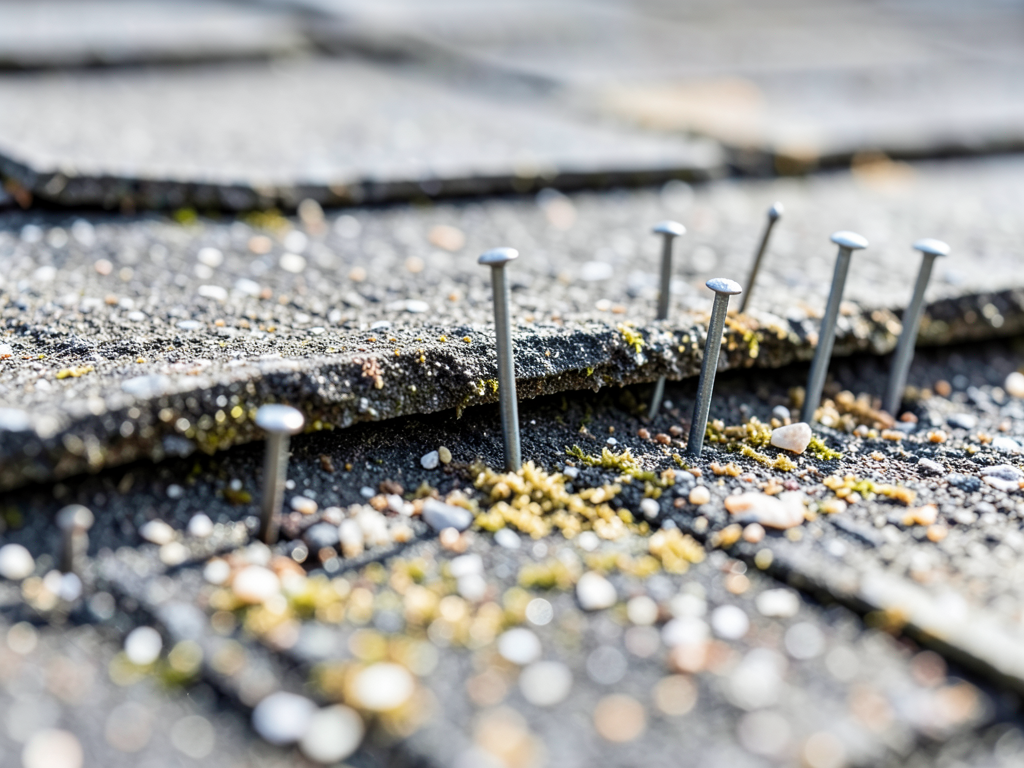
Start with the obvious. Step back and scan your roof from across the street. Are the shingle courses perfectly straight or do they wander like a drunken sailor? In Tampa’s coastal humidity even a quarter-inch misalignment can trap water and accelerate granule loss. Look for exposed nail heads that should have been covered by the next shingle. Those shiny dots are more than cosmetic flaws they are entry points for wind-driven rain.. Read more about Why Your Tampa Roof Might Be Sweating (And How to Stop the Attic Condensation).
Check the drip edge along the eaves and rakes. This metal flashing should extend at least 0.25 inches beyond the fascia and be fastened every 12 inches. Missing drip edge means rainwater will seep behind the fascia and rot the wooden deck. In Dunedin’s salt-air environment that rot spreads twice as fast. Roofing Dunedin.
Reused flashing is another giveaway. Old step flashing around chimneys and walls should be replaced during a tear-off. Reusing bent corroded metal is like patching a leaky boat with duct tape. Tampa’s afternoon thunderstorms will find those weak spots.. Read more about How to Read a Tampa Roofing Estimate Without Getting Confused by the Jargon.
Technical Failures: What Lies Beneath the Shingles
The most expensive mistakes hide under the surface. Grab a ladder and inspect a few shingle tabs. Over-driven nails sink below the surface breaking the seal strip. High-nailed shingles sit proud of the surface catching wind like tiny sails. Both patterns violate Florida Building Code 7th Edition Section 1609 which requires nails to penetrate at least 0.75 inches into the deck. Florida Building Code.
Starter shingles are non-negotiable in Tampa’s wind zone. Without that first row of adhesive-backed material wind can lift the bottom course and peel the entire roof like a banana. Look for the faint adhesive strip along the eave edge. If it is missing demand an explanation.
Underlayment matters more than most homeowners realize. Synthetic felt should overlap horizontally by at least 4 inches and vertically by 6 inches. In the High-Velocity Hurricane Zone synthetic underlayment is mandatory because it resists tearing when shingles blow off. Felt paper can tear away exposing the deck to tropical downpours.
The Tampa Factor: Florida Building Code Violations
Tampa sits in the High-Velocity Hurricane Zone where Chapter 16 of the Florida Building Code governs roof design. HVHZ requirements include enhanced fastening patterns tie-downs and sealed roof decks. A common violation is spacing nails more than 6 inches apart on the perimeter. In a Category 2 wind that gap can mean the difference between intact shingles and a blue tarp. Florida DBPR license lookup.
Attic ventilation is another code blind spot. Florida’s heat cooks poorly vented attics to 150 degrees Fahrenheit. That bakes shingles from below causing premature curling and granule loss. Soffit and ridge vents must provide at least 1 square foot of net free area per 150 square feet of attic floor. Blocked soffits or missing ridge vents trap heat and moisture leading to mold growth on the underside of the deck.
Roof decking inspection is critical. In older Tampa neighborhoods like Seminole Heights original 1×6 boards may still be under your shingles. Building code now requires 7/16-inch OSB or plywood minimum. If the contractor skipped replacing rotted boards you are paying for a roof that will fail in months.
Interior Warning Signs
Go into the attic with a flashlight during daylight. If you see pinpoints of light around the perimeter the drip edge is not sealed. Those holes let in more than light they let in humid air that condenses on cold A/C ducts and rots insulation.
Touch the underside of the decking. It should feel dry and firm. Soft spots or dark streaks indicate moisture intrusion. In Tampa’s climate even a small leak breeds mold within 48 hours. Sniff for musty odors. If the attic smells like a wet towel the underlayment is breached.
Check for proper insulation clearance at the eaves. Insulation should not block soffit vents. Blocked vents create hot spots that bake shingles and raise cooling costs. Use a screwdriver to probe the insulation. If it feels damp or clumps together it has absorbed moisture from the roof assembly.
How to Resolve a Bad Installation
Document everything before confronting the contractor. Take clear photos of crooked lines exposed nails and missing components. Note dates and weather conditions. This evidence is critical if you need to file a complaint with the Florida Department of Business and Professional Regulation.
Request a written punch list of deficiencies. A reputable roofer will correct minor issues under warranty. If they refuse or delay consider hiring a third-party inspector certified by the Roofing Contractors Association of Tampa Bay. An independent report carries weight with manufacturers when you file a warranty claim. Choosing the Best Roofing Contractor for Your Westchase Home.
Know your recourse. Florida law requires roofing contractors to carry general liability and workers’ compensation insurance. Verify coverage through the DBPR online license lookup. If the contractor is unlicensed or uninsured you may need to file a claim with your own homeowner’s insurance or consult an attorney specializing in construction defects. Roofing Saint Petersburg.
Time is critical. Most workmanship warranties expire one year after installation. Document defects immediately. If a storm damages a roof with pre-existing flaws your insurer may deny the claim. A post-installation inspection now can save you from a denied claim later.
Frequently Asked Questions
How long should I wait before inspecting a new roof?
Inspect within the first 30 days while the crew is still on the schedule. Seasonal storms can reveal weaknesses quickly. Document any issues before the final payment clears.
Can I withhold the final payment for repairs?
Florida law allows retention of up to 10 percent until substantial completion. Withholding more requires a written agreement. Always get repair commitments in writing before releasing funds.
What if the contractor installed the wrong shingle type?
Asphalt shingles carry a wind rating measured in miles per hour. In HVHZ zones the minimum is often 130 mph. Installing a 90-mph shingle violates code and may void your insurance. Demand replacement with the correct product. Affordable Roof Replacement Solutions for Homeowners in Riverview.
Should I hire my own inspector?
Yes if you notice multiple red flags or feel uncertain. A certified inspector costs $200 to $400 but can identify $5000 worth of hidden defects. Think of it as cheap insurance.
Does a bad installation affect my home insurance?
Absolutely. Insurers inspect roofs for age and condition. Missing code compliance or visible defects can lead to non-renewal or higher premiums. A failed wind mitigation inspection costs you every year.
What is the most common code violation in Tampa?
Incorrect fastener spacing in the HVHZ zone. Nails placed more than 6 inches apart on the perimeter fail under high winds. This single mistake can void your entire roof warranty.
How do I verify a contractor’s license?
Visit www.myfloridalicense.com and enter the license number. Confirm it is active and matches the name on your contract. Unlicensed work leaves you with no recourse if something goes wrong.
Can I file a complaint if the work is poor?
Yes. The DBPR accepts complaints about unlicensed activity and code violations. Include dated photos and a written description. The state can issue fines and force corrective action.
What if the roof leaks during the warranty period?
Document the leak with photos and call the contractor immediately. Most workmanship warranties cover leaks for one year. Delay can void coverage if the contractor claims you caused the damage.
How do I know if underlayment was installed correctly?
Look for synthetic felt extending at least 6 inches up the roof slope from the eave. Check for overlaps of 4 inches horizontally. If you see bare wood or felt tears the underlayment is substandard.
What should I do if I find defects?
Notify the contractor in writing with photos. Request a repair plan within 7 days. If they refuse hire an independent inspector and consider legal counsel. Do not pay the final balance until defects are corrected.
Does poor installation affect resale value?
Yes. A bad roof is a red flag for buyers and appraisers. It can reduce your home’s value by thousands and delay a sale. Fixing it now protects your investment.
Can I do the inspection myself?
You can spot obvious issues but miss hidden defects. A professional inspector uses moisture meters, infrared cameras, and code checklists. For peace of mind hire a pro for the final walk-through.
What if the contractor used leftover materials?
Mixing shingle lots creates color variations and can void the warranty. All materials should come from the same production run. Demand an itemized receipt showing the exact products installed.
How do I protect myself before signing a contract?
Verify license and insurance. Ask for references from recent local jobs. Get a detailed scope of work with product specs. Never pay more than 30 percent upfront. A solid contract prevents most disputes.
What is the biggest red flag?
A contractor who avoids questions about code compliance or refuses to show you manufacturer installation manuals. Transparency is non-negotiable in the HVHZ zone.
Should I be present during the final inspection?
Yes. Walk the roof with the contractor and note any issues on the spot. Your presence signals you expect quality and gives you immediate leverage for corrections.
What if the roof looks fine but feels wrong?
Trust your instincts. Subtle issues like improper underlayment or inadequate fasteners may not be visible but will fail under stress. A professional inspection can confirm your suspicion.
Can I get a second opinion?
Absolutely. A second opinion from a certified inspector or another reputable roofer costs little compared to the risk of a failing roof. Use it as leverage for repairs.
What documentation should I keep?
Save the contract, payment receipts, product specifications, and all correspondence. Take dated photos before, during, and after the job. This paper trail is your best protection if disputes arise.
Conclusion
A new roof is a major investment that protects your home from Tampa’s brutal sun and storms. Catching installation problems before the final payment can save you thousands in repairs and insurance headaches. If you see crooked lines, missing drip edges, or suspect code violations do not wait. Document the issues, contact the contractor, and get a professional inspection if needed. Your home deserves a roof that meets Florida’s strict building standards and keeps you safe through every hurricane season. Call (656) 245-0955 today to schedule your post-installation inspection and ensure your new roof is built to last.
{
“@context”: “https://schema.org”,
“@type”: “BlogPosting”,
“headline”: “How to Spot a Bad Roof Installation Before You Pay the Final Bill”,
“description”: “Learn the warning signs of poor roof installation in Tampa. Spot flashing failures, improper nailing, and code violations before your final payment.”,
“wordCount”: 1823,
“datePublished”: “2026-06-01T15:19:00.000Z”,
“dateModified”: “2026-06-01T15:19:00.000Z”,
“inLanguage”: “en-US”,
“mainEntityOfPage”: {
“@type”: “WebPage”,
“@id”: “https://crestlineroofingtampa.com”
},
“publisher”: {
“@type”: “LocalBusiness”,
“name”: “Crestline Roofing Tampa”,
“url”: “https://crestlineroofingtampa.com”
},
“author”: {
“@type”: “Organization”,
“name”: “Crestline Roofing Tampa”,
“url”: “https://crestlineroofingtampa.com”
},
“image”: {
“@type”: “ImageObject”,
“url”: “https://crestlineroofingtampa.com/wp-content/uploads/2026/03/how-to-spot-a-bad-roof-installation-before-you-pay-1.png”
}
}
{
“@context”: “https://schema.org”,
“@type”: “RoofingContractor”,
“name”: “Crestline Roofing Tampa”,
“url”: “https://crestlineroofingtampa.com”,
“address”: {
“@type”: “PostalAddress”,
“addressLocality”: “Tampa”
},
“areaServed”: {
“@type”: “City”,
“name”: “Tampa”
}
}
{
“@context”: “https://schema.org”,
“@type”: “FAQPage”,
“mainEntity”: [
{
“@type”: “Question”,
“name”: “How long should I wait before inspecting a new roof?”,
“acceptedAnswer”: {
“@type”: “Answer”,
“text”: “Inspect within the first 30 days while the crew is still on the schedule. Seasonal storms can reveal weaknesses quickly. Document any issues before the final payment clears.”
}
},
{
“@type”: “Question”,
“name”: “Can I withhold the final payment for repairs?”,
“acceptedAnswer”: {
“@type”: “Answer”,
“text”: “Florida law allows retention of up to 10 percent until substantial completion. Withholding more requires a written agreement. Always get repair commitments in writing before releasing funds.”
}
},
{
“@type”: “Question”,
“name”: “What if the contractor installed the wrong shingle type?”,
“acceptedAnswer”: {
“@type”: “Answer”,
“text”: “Asphalt shingles carry a wind rating measured in miles per hour. In HVHZ zones the minimum is often 130 mph. Installing a 90-mph shingle violates code and may void your insurance. Demand replacement with the correct product. Affordable Roof Replacement Solutions for Homeowners in Riverview.”
}
},
{
“@type”: “Question”,
“name”: “Should I hire my own inspector?”,
“acceptedAnswer”: {
“@type”: “Answer”,
“text”: “Yes if you notice multiple red flags or feel uncertain. A certified inspector costs $200 to $400 but can identify $5000 worth of hidden defects. Think of it as cheap insurance.”
}
},
{
“@type”: “Question”,
“name”: “Does a bad installation affect my home insurance?”,
“acceptedAnswer”: {
“@type”: “Answer”,
“text”: “Absolutely. Insurers inspect roofs for age and condition. Missing code compliance or visible defects can lead to non-renewal or higher premiums. A failed wind mitigation inspection costs you every year.”
}
},
{
“@type”: “Question”,
“name”: “What is the most common code violation in Tampa?”,
“acceptedAnswer”: {
“@type”: “Answer”,
“text”: “Incorrect fastener spacing in the HVHZ zone. Nails placed more than 6 inches apart on the perimeter fail under high winds. This single mistake can void your entire roof warranty.”
}
},
{
“@type”: “Question”,
“name”: “How do I verify a contractor’s license?”,
“acceptedAnswer”: {
“@type”: “Answer”,
“text”: “Visit www.myfloridalicense.com and enter the license number. Confirm it is active and matches the name on your contract. Unlicensed work leaves you with no recourse if something goes wrong.”
}
},
{
“@type”: “Question”,
“name”: “Can I file a complaint if the work is poor?”,
“acceptedAnswer”: {
“@type”: “Answer”,
“text”: “Yes. The DBPR accepts complaints about unlicensed activity and code violations. Include dated photos and a written description. The state can issue fines and force corrective action.”
}
},
{
“@type”: “Question”,
“name”: “What if the roof leaks during the warranty period?”,
“acceptedAnswer”: {
“@type”: “Answer”,
“text”: “Document the leak with photos and call the contractor immediately. Most workmanship warranties cover leaks for one year. Delay can void coverage if the contractor claims you caused the damage.”
}
},
{
“@type”: “Question”,
“name”: “What should I do if I find defects?”,
“acceptedAnswer”: {
“@type”: “Answer”,
“text”: “Notify the contractor in writing with photos. Request a repair plan within 7 days. If they refuse hire an independent inspector and consider legal counsel. Do not pay the final balance until defects are corrected.”
}
},
{
“@type”: “Question”,
“name”: “Does poor installation affect resale value?”,
“acceptedAnswer”: {
“@type”: “Answer”,
“text”: “Yes. A bad roof is a red flag for buyers and appraisers. It can reduce your home’s value by thousands and delay a sale. Fixing it now protects your investment.”
}
},
{
“@type”: “Question”,
“name”: “Can I do the inspection myself?”,
“acceptedAnswer”: {
“@type”: “Answer”,
“text”: “You can spot obvious issues but miss hidden defects. A professional inspector uses moisture meters, infrared cameras, and code checklists. For peace of mind hire a pro for the final walk-through.”
}
},
{
“@type”: “Question”,
“name”: “What if the contractor used leftover materials?”,
“acceptedAnswer”: {
“@type”: “Answer”,
“text”: “Mixing shingle lots creates color variations and can void the warranty. All materials should come from the same production run. Demand an itemized receipt showing the exact products installed.”
}
},
{
“@type”: “Question”,
“name”: “How do I protect myself before signing a contract?”,
“acceptedAnswer”: {
“@type”: “Answer”,
“text”: “Verify license and insurance. Ask for references from recent local jobs. Get a detailed scope of work with product specs. Never pay more than 30 percent upfront. A solid contract prevents most disputes.”
}
},
{
“@type”: “Question”,
“name”: “What is the biggest red flag?”,
“acceptedAnswer”: {
“@type”: “Answer”,
“text”: “A contractor who avoids questions about code compliance or refuses to show you manufacturer installation manuals. Transparency is non-negotiable in the HVHZ zone.”
}
},
{
“@type”: “Question”,
“name”: “Should I be present during the final inspection?”,
“acceptedAnswer”: {
“@type”: “Answer”,
“text”: “Yes. Walk the roof with the contractor and note any issues on the spot. Your presence signals you expect quality and gives you immediate leverage for corrections.”
}
},
{
“@type”: “Question”,
“name”: “What if the roof looks fine but feels wrong?”,
“acceptedAnswer”: {
“@type”: “Answer”,
“text”: “Trust your instincts. Subtle issues like improper underlayment or inadequate fasteners may not be visible but will fail under stress. A professional inspection can confirm your suspicion.”
}
},
{
“@type”: “Question”,
“name”: “Can I get a second opinion?”,
“acceptedAnswer”: {
“@type”: “Answer”,
“text”: “Absolutely. A second opinion from a certified inspector or another reputable roofer costs little compared to the risk of a failing roof. Use it as leverage for repairs.”
}
},
{
“@type”: “Question”,
“name”: “What documentation should I keep?”,
“acceptedAnswer”: {
“@type”: “Answer”,
“text”: “Save the contract, payment receipts, product specifications, and all correspondence. Take dated photos before, during, and after the job. This paper trail is your best protection if disputes arise.”
}
}
]
}
{
“@context”: “https://schema.org”,
“@type”: “BreadcrumbList”,
“itemListElement”: [
{
“@type”: “ListItem”,
“position”: 1,
“name”: “Home”,
“item”: “https://crestlineroofingtampa.com”
},
{
“@type”: “ListItem”,
“position”: 2,
“name”: “Blog”,
“item”: “https://crestlineroofingtampa.com/blog”
},
{
“@type”: “ListItem”,
“position”: 3,
“name”: “How to Spot a Bad Roof Installation Before You Pay the Final Bill”
}
]
}
{
“@context”: “https://schema.org”,
“@type”: “Service”,
“serviceType”: “Roofing”,
“provider”: {
“@type”: “LocalBusiness”,
“name”: “Crestline Roofing Tampa”,
“url”: “https://crestlineroofingtampa.com”
},
“areaServed”: {
“@type”: “City”,
“name”: “Tampa”
},
“description”: “Learn the warning signs of poor roof installation in Tampa. Spot flashing failures, improper nailing, and code violations before your final payment.”
}