
Managing the Transition from Pitched to Flat Roofs on Your South Tampa Addition
Your roof transition creates the most vulnerable point on your entire roofing system. This junction experiences constant stress from thermal expansion heavy rainfall and wind-driven water that can force its way under even properly installed materials. In South Tampa’s humid subtropical climate with 50+ inches of annual rainfall these transition areas fail more often than any other roof section. Choosing the Best Roofing Contractor for Your Westchase Home.
Most South Tampa bungalows built in the 1940s through 1960s now have flat-roof additions from the 1970s through 1990s. These additions often use different materials than the original pitched roof creating a complex junction that requires specialized knowledge to repair correctly. The physics are simple but unforgiving: water always seeks the path of least resistance and your roof transition provides exactly that.
Why the Transition Point is Your Roof’s Weakest Link
The transition from pitched to flat roofing creates multiple failure points simultaneously. The pitched roof sheds water rapidly while the flat roof collects and drains slowly. This difference in water velocity creates hydraulic pressure that pushes water backward under flashing and into joints. Add South Tampa’s afternoon thunderstorms that dump several inches of rain in under an hour and you have a recipe for catastrophic failure.
Thermal expansion compounds the problem. Your flat roof membrane expands and contracts at a different rate than your shingle roof materials. In Tampa’s climate this cycle happens daily as temperatures swing from morning lows in the 70s to afternoon highs in the 90s. The flashing that bridges these two materials must accommodate movement without creating gaps.
Another critical factor is capillary action. Water can travel upward through tiny gaps between materials against gravity. At your roof transition even a 1/32-inch gap can allow water to climb several inches during heavy rain eventually finding its way into your attic space. Finding a Reliable Tile Roof Repair Specialist in South Tampa.
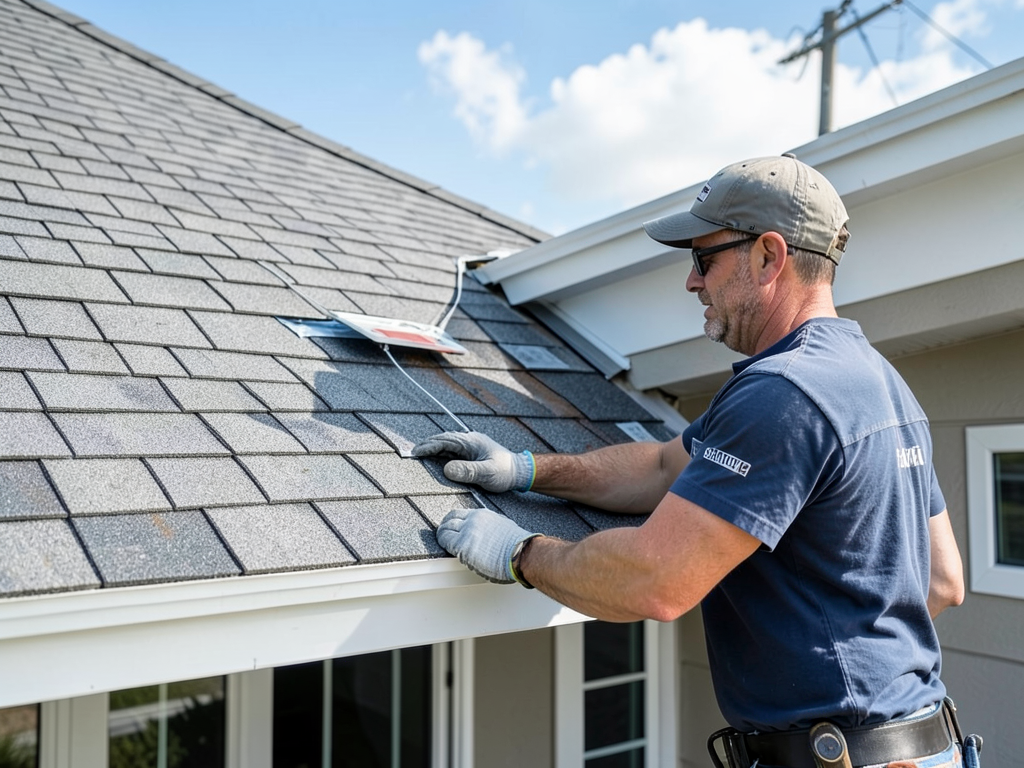
Common Causes of Transition Leaks (Florida Weather Factors)
South Tampa’s climate creates unique challenges for roof transitions. The combination of high humidity intense UV exposure and frequent storms accelerates material degradation. Modified bitumen membranes commonly used for flat roof additions begin to lose their plasticizers after just 5-7 years in our climate. This makes them brittle and prone to cracking at transition points.
Wind-driven rain during tropical storms forces water horizontally across your roof surface. Standard step flashing designed for vertical water flow cannot handle this lateral pressure. During Hurricane season sustained winds of 40+ mph create uplift forces that separate even properly installed transition materials.
Algae and moss growth in shaded transition areas trap moisture against roofing materials. This creates a constantly wet environment that breaks down adhesives and flashing sealants. The dark green or black staining you see on many South Tampa roofs indicates this problem and suggests the transition area underneath may already be compromised.
Settling is another major factor. Many South Tampa homes sit on sandy soil that shifts over time. This differential settling causes the flat addition to sink slightly relative to the original structure. The transition flashing that was once perfectly aligned now has gaps that allow water infiltration.. Read more about Why Mid-Century Modern Homes in West Terrace Require Specialized Roofing Care.
Different Transition Types: Shingle Tile and Flat Membranes
Shingle-to-flat transitions represent the most common scenario in South Tampa. The original asphalt shingle roof meets a modified bitumen or TPO flat addition. This requires a two-step flashing system: base flashing integrated into the flat roof membrane and counter-flashing that overlaps the shingle edge. The counter-flashing must extend at least 4 inches up the shingle surface and be sealed with a compatible sealant.
Tile-to-flat transitions present different challenges. Spanish-style clay tiles common in South Tampa require special handling because they cannot be cut cleanly at transition points. Instead a metal edge strip secures the tile ends and a modified bitumen membrane extends underneath. The key is ensuring the tile edge doesn’t create a dam that holds water against the flat roof surface.
Flat-to-flat transitions occur when a low-slope addition meets an even lower-slope main roof. These require tapered insulation systems to ensure proper drainage away from the junction. Without proper slope water ponds at the transition and accelerates material degradation through constant moisture exposure.
Metal roof transitions need different treatment. Standing seam metal roofs expand more than asphalt shingles requiring larger movement joints at transition points. The flashing details must accommodate this movement without creating stress points that lead to fatigue cracking.

The Right Way vs. The Wrong Way to Seal a Roof Pitch Change
The wrong way to seal a roof transition involves caulk and hope. Many homeowners see a gap and reach for silicone caulk expecting it to solve the problem. This fails within 6-18 months in our climate. Caulk cannot accommodate the thermal movement and hydrostatic pressure that roof transitions experience.. Read more about What Every Condo Owner in Channelside Should Know About Shared Roof Maintenance.
The right way starts with proper material selection. For shingle-to-flat transitions use a self-adhering modified bitumen membrane that extends at least 24 inches onto the flat roof surface. This provides a watertight barrier even if the top flashing fails. The membrane should be installed over a clean dry surface and rolled to ensure proper adhesion.
Flashing installation requires precision. Step flashing pieces must overlap by at least 4 inches and be integrated with the flat roof membrane. The top edge of each flashing piece gets sealed with a compatible sealant that remains flexible after curing. This allows for movement without creating gaps.
Counter-flashing installation is critical. This piece secures the top of the step flashing and prevents water from running behind it. The counter-flashing should extend at least 6 inches up the vertical surface and be mechanically fastened with roofing nails or screws every 12 inches.
Sealant selection matters enormously. Use a polyurethane or silicone sealant specifically formulated for roofing applications. These products maintain flexibility in our temperature range and resist UV degradation. Avoid latex or acrylic caulks that become brittle and crack within one rainy season.
Repair vs. Replacement: What Tampa Homeowners Need to Know
Deciding between repairing or replacing your roof transition depends on several factors. Age is the primary consideration. If your flat roof addition is over 15 years old the underlying membrane likely needs replacement regardless of the transition condition. The cost of removing and replacing old materials often justifies a complete replacement. Affordable Roof Replacement Solutions for Homeowners in Riverview.
Extent of damage determines the approach. Small localized leaks at transition points can often be repaired if the surrounding materials are in good condition. However if you see multiple failure points or widespread material degradation replacement becomes more cost-effective long-term.
Building code requirements influence the decision. Florida Building Code Section 1507.2.8 mandates specific flashing details for roof transitions. If your existing installation doesn’t meet current standards repairs must bring the entire transition up to code. This often means removing more material than initially anticipated. Florida Building Code Section 1507.2.8.
Insurance considerations matter. Many South Tampa homeowners have discovered their insurance won’t cover transition repairs if the roof is over 15 years old. In these cases replacement with a new warranty provides better protection than patching an aging system. Navigating Roof Insurance Claims After a Storm in Tampa.
Future plans affect the economics. If you’re planning a kitchen remodel or room addition within the next 5 years timing your roof work with other construction can save significant money. Coordinating trades prevents multiple mobilization costs and ensures proper integration of all building components.
Why Florida Building Code Matters for Your Transition Repair
Florida Building Code Section 1507.2.8 specifically addresses roof-to-wall and roof-to-roof transitions. The code requires a secondary water barrier in high-velocity hurricane zones which includes all of Hillsborough County. This means your transition repair must include an ice and water shield membrane that extends at least 24 inches past the interior wall line. Hillsborough County permitting requirements.
The code also mandates specific fastener patterns for transition flashing. In wind zones 2 and 3 which covers South Tampa step flashing must be nailed on both sides with nails spaced no more than 12 inches apart. This prevents uplift during tropical storms that could separate the flashing from the roof deck.
Valley flashing requirements apply to some transition configurations. If your pitched roof drains toward the flat addition through a valley the code requires a minimum 20-inch-wide metal valley with specific underlayment requirements. Many older South Tampa homes have inadequate valley flashing that creates leak points.
Permitting requirements have tightened significantly. Since 2020 all roof replacements over 100 square feet require a permit in Hillsborough County. This includes transition repairs that involve removing existing materials. The permit process ensures your repair meets current wind mitigation standards which can affect your insurance rates.. Read more about Understanding the Permitting Timeline for a New Roof in the City of Tampa.
Energy code compliance affects material choices. Florida Energy Code requires specific thermal emittance and solar reflectance values for low-slope roofing. If you’re replacing your flat roof membrane you may need to select a material that meets these requirements to pass inspection.
Step-by-Step Professional Transition Repair Process
- Initial Inspection and Moisture Mapping
Technicians use infrared cameras and moisture meters to identify all wet areas in the roof assembly. This reveals hidden damage that isn’t visible from the surface. The inspection includes checking the attic for water stains mold growth and compromised insulation.
- Material Removal and Deck Assessment
Old flashing membrane and damaged decking come out next. The roofer checks for rot delamination or structural damage. Any compromised wood gets replaced to provide a solid foundation for new materials. This step often reveals more extensive damage than visible from outside.
- Secondary Water Barrier Installation
Self-adhering ice and water shield installs over the entire transition area. This rubberized asphalt membrane provides protection even if primary flashing fails. The barrier extends at least 24 inches onto the flat roof and up the wall surface behind new siding or stucco.
- Flashing and Membrane Integration
Base flashing integrates with the flat roof membrane through heat welding or adhesive bonding. Step flashing installs in the shingle area with proper overlaps. Counter-flashing secures the top edge. All joints get sealed with compatible polyurethane sealant that remains flexible for decades.
- Final Inspection and Testing
Technicians flood the repaired area with water to verify watertightness. They check all seams joints and flashings for leaks. The inspection includes verifying fastener patterns meet code requirements and that all materials are properly integrated.
Cost Factors for Professional Transition Repairs in Tampa Bay
Transition repair costs vary significantly based on damage extent and material choices. A simple flashing repair for a small leak might cost $800-$1500. This involves removing and replacing localized flashing without disturbing the main roof areas.
Moderate repairs addressing flashing and minor deck damage typically run $2500-$4500. These projects involve removing 50-100 square feet of material to access and repair the transition properly. The cost includes new flashing underlayment and sealing materials.
Major repairs or replacements cost $5000-$12000. These involve extensive material removal deck replacement and complete reinstallation of the transition system. The high end of this range includes premium materials like TPO membrane or modified bitumen with extended warranties.
Several factors increase costs. Accessibility issues like second-story transitions or areas surrounded by landscaping add labor time. Historic districts may require specific materials or installation methods that increase expenses. Emergency repairs during rainy season command premium pricing due to urgent scheduling. Preserving the Historic Charm of Seminole Heights Roofs During a Replacement.
Permit fees add $150-$300 to most professional repairs. The permitting process ensures code compliance but adds time to project scheduling. Some contractors include this in their quotes while others list it as a separate line item.
Frequently Asked Questions
Can I use caulk to fix a transition leak?
No. Caulk provides only temporary relief and often makes the problem worse by trapping water. Professional repairs require proper flashing integration and compatible sealants that accommodate thermal movement. Caulk typically fails within 6-18 months in Tampa’s climate.
How long should a roof transition repair last?
A properly installed transition repair should last 15-20 years with professional installation and quality materials. The key factors are proper integration between different roofing materials adequate flashing overlap and using sealants compatible with both surfaces. Regular maintenance extends service life.
Will my insurance cover transition repairs?
Coverage depends on your policy and the damage cause. Most policies cover sudden damage from storms but exclude wear and tear. If your roof is over 15 years old many insurers won’t cover any transition repairs. Check your policy or call your agent for specifics.
How can I tell if my transition is failing?
Signs include water stains on interior walls near the transition visible gaps in flashing cracked or missing sealant and algae growth in the transition area. During rain check your attic for water intrusion. Early detection prevents expensive structural damage.
Should I repair or replace my entire roof?
If your main roof is over 15 years old or showing widespread wear replacement often makes more sense than patching the transition. The cost difference between repair and partial replacement narrows when you factor in the age and condition of surrounding materials.
What’s the best material for flat roof additions in Tampa?
TPO membrane offers the best balance of durability energy efficiency and cost for Tampa’s climate. It reflects heat resists UV damage and handles thermal expansion well. Modified bitumen provides good performance at lower cost but requires more maintenance. PVC offers premium performance but at higher cost.
Call (656) 245-0955 today to schedule your inspection. Our technicians can assess your specific transition issues and provide a detailed repair plan that addresses both immediate leaks and long-term durability concerns.
Pick up the phone and call (656) 245-0955 before the next storm hits. Every day you wait allows water to damage your home’s structure insulation and interior finishes. Our emergency repair team can stop active leaks and prevent further damage to your South Tampa home.
{
“@context”: “https://schema.org”,
“@type”: “BlogPosting”,
“headline”: “Managing the Transition from Pitched to Flat Roofs on Your South Tampa Addition”,
“description”: “Learn how to fix roof transitions between pitched and flat sections in South Tampa homes. Expert repair methods for our humid climate and frequent storms.”,
“wordCount”: 2310,
“datePublished”: “2026-05-16T12:37:00.000Z”,
“dateModified”: “2026-05-16T12:37:00.000Z”,
“inLanguage”: “en-US”,
“mainEntityOfPage”: {
“@type”: “WebPage”,
“@id”: “https://crestlineroofingtampa.com”
},
“publisher”: {
“@type”: “LocalBusiness”,
“name”: “Crestline Roofing Tampa”,
“url”: “https://crestlineroofingtampa.com”
},
“author”: {
“@type”: “Organization”,
“name”: “Crestline Roofing Tampa”,
“url”: “https://crestlineroofingtampa.com”
},
“image”: {
“@type”: “ImageObject”,
“url”: “https://crestlineroofingtampa.com/wp-content/uploads/2026/03/managing-the-transition-from-pitched-to-flat-roofs-1.png”
}
}
{
“@context”: “https://schema.org”,
“@type”: “RoofingContractor”,
“name”: “Crestline Roofing Tampa”,
“url”: “https://crestlineroofingtampa.com”,
“address”: {
“@type”: “PostalAddress”,
“addressLocality”: “Tampa”
},
“areaServed”: {
“@type”: “City”,
“name”: “Tampa”
}
}
{
“@context”: “https://schema.org”,
“@type”: “FAQPage”,
“mainEntity”: [
{
“@type”: “Question”,
“name”: “Can I use caulk to fix a transition leak?”,
“acceptedAnswer”: {
“@type”: “Answer”,
“text”: “No. Caulk provides only temporary relief and often makes the problem worse by trapping water. Professional repairs require proper flashing integration and compatible sealants that accommodate thermal movement. Caulk typically fails within 6-18 months in Tampa’s climate.”
}
},
{
“@type”: “Question”,
“name”: “How long should a roof transition repair last?”,
“acceptedAnswer”: {
“@type”: “Answer”,
“text”: “A properly installed transition repair should last 15-20 years with professional installation and quality materials. The key factors are proper integration between different roofing materials adequate flashing overlap and using sealants compatible with both surfaces. Regular maintenance extends service life.”
}
},
{
“@type”: “Question”,
“name”: “Will my insurance cover transition repairs?”,
“acceptedAnswer”: {
“@type”: “Answer”,
“text”: “Coverage depends on your policy and the damage cause. Most policies cover sudden damage from storms but exclude wear and tear. If your roof is over 15 years old many insurers won’t cover any transition repairs. Check your policy or call your agent for specifics.”
}
},
{
“@type”: “Question”,
“name”: “How can I tell if my transition is failing?”,
“acceptedAnswer”: {
“@type”: “Answer”,
“text”: “Signs include water stains on interior walls near the transition visible gaps in flashing cracked or missing sealant and algae growth in the transition area. During rain check your attic for water intrusion. Early detection prevents expensive structural damage.”
}
},
{
“@type”: “Question”,
“name”: “Should I repair or replace my entire roof?”,
“acceptedAnswer”: {
“@type”: “Answer”,
“text”: “If your main roof is over 15 years old or showing widespread wear replacement often makes more sense than patching the transition. The cost difference between repair and partial replacement narrows when you factor in the age and condition of surrounding materials.”
}
},
{
“@type”: “Question”,
“name”: “What’s the best material for flat roof additions in Tampa?”,
“acceptedAnswer”: {
“@type”: “Answer”,
“text”: “TPO membrane offers the best balance of durability energy efficiency and cost for Tampa’s climate. It reflects heat resists UV damage and handles thermal expansion well. Modified bitumen provides good performance at lower cost but requires more maintenance. PVC offers premium performance but at higher cost.”
}
}
]
}
{
“@context”: “https://schema.org”,
“@type”: “HowTo”,
“name”: “Professional Roof Transition Repair Process”,
“step”: [
{
“@type”: “HowToStep”,
“position”: 1,
“name”: “Initial Inspection and Moisture Mapping”,
“text”: “Technicians use infrared cameras and moisture meters to identify all wet areas in the roof assembly. This reveals hidden damage that isn’t visible from the surface. The inspection includes checking the attic for water stains mold growth and compromised insulation.”
},
{
“@type”: “HowToStep”,
“position”: 2,
“name”: “Material Removal and Deck Assessment”,
“text”: “Old flashing membrane and damaged decking come out next. The roofer checks for rot delamination or structural damage. Any compromised wood gets replaced to provide a solid foundation for new materials. This step often reveals more extensive damage than visible from outside.”
},
{
“@type”: “HowToStep”,
“position”: 3,
“name”: “Secondary Water Barrier Installation”,
“text”: “Self-adhering ice and water shield installs over the entire transition area. This rubberized asphalt membrane provides protection even if primary flashing fails. The barrier extends at least 24 inches onto the flat roof and up the wall surface behind new siding or stucco.”
},
{
“@type”: “HowToStep”,
“position”: 4,
“name”: “Flashing and Membrane Integration”,
“text”: “Base flashing integrates with the flat roof membrane through heat welding or adhesive bonding. Step flashing installs in the shingle area with proper overlaps. Counter-flashing secures the top edge. All joints get sealed with compatible polyurethane sealant that remains flexible for decades.”
},
{
“@type”: “HowToStep”,
“position”: 5,
“name”: “Final Inspection and Testing”,
“text”: “Technicians flood the repaired area with water to verify watertightness. They check all seams joints and flashings for leaks. The inspection includes verifying fastener patterns meet code requirements and that all materials are properly integrated.”
}
],
“image”: “https://crestlineroofingtampa.com/wp-content/uploads/2026/03/managing-the-transition-from-pitched-to-flat-roofs-1.png”
}
{
“@context”: “https://schema.org”,
“@type”: “BreadcrumbList”,
“itemListElement”: [
{
“@type”: “ListItem”,
“position”: 1,
“name”: “Home”,
“item”: “https://crestlineroofingtampa.com”
},
{
“@type”: “ListItem”,
“position”: 2,
“name”: “Blog”,
“item”: “https://crestlineroofingtampa.com/blog”
},
{
“@type”: “ListItem”,
“position”: 3,
“name”: “Managing the Transition from Pitched to Flat Roofs on Your South Tampa Addition”
}
]
}
{
“@context”: “https://schema.org”,
“@type”: “Service”,
“serviceType”: “Roofing”,
“provider”: {
“@type”: “LocalBusiness”,
“name”: “Crestline Roofing Tampa”,
“url”: “https://crestlineroofingtampa.com”
},
“areaServed”: {
“@type”: “City”,
“name”: “Tampa”
},
“description”: “Learn how to fix roof transitions between pitched and flat sections in South Tampa homes. Expert repair methods for our humid climate and frequent storms.”
}