
Picking a Shingle Color That Hides Florida Humidity Stains Better Than Others
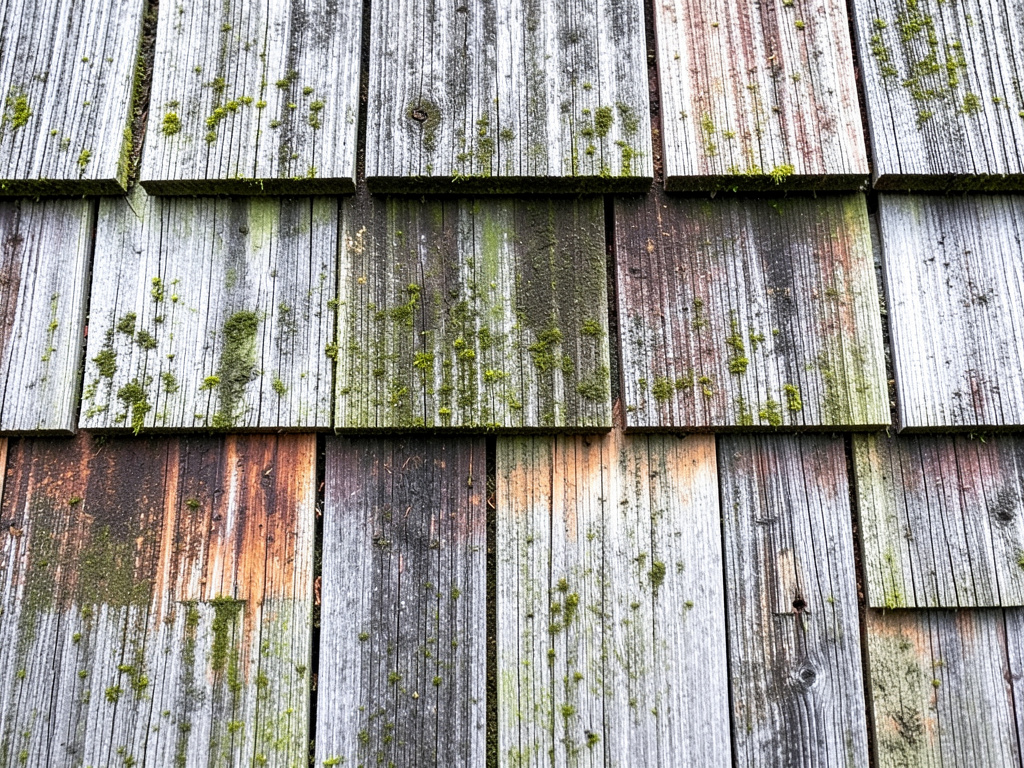
Florida humidity creates perfect conditions for black streaks and algae stains on roofs. The dark discoloration comes from Gloeocapsa magma a cyanobacteria that thrives in warm moist environments. In Tampa’s climate where humidity often exceeds 70% and afternoon thunderstorms are common this biological growth can appear within two years on light-colored shingles. Choosing the right shingle color helps camouflage these stains while maintaining your home’s curb appeal. Florida Building Code requirements.
Multi-tonal shingles with varied color patterns naturally hide discoloration better than solid light colors. Weathered wood driftwood and charcoal blends create visual depth that masks black streaks. Dark browns and greys work especially well because they blend with the natural appearance of algae growth. Lighter colors like tan or white show every streak immediately making maintenance more visible.. Read more about Architectural Shingles vs Luxury Designer Shingles for Boosting Curb Appeal in Culbreath Isles.
Beyond aesthetics modern shingles offer built-in protection. Copper-infused granules in algae-resistant shingles release trace amounts of copper when wet creating an environment where Gloeocapsa magma cannot survive. Brands like GAF’s StainGuard Plus and Owens Corning’s StreakGuard provide 10-year warranties against blue-green algae. These technologies work best when combined with the right color selection. GAF StainGuard Plus algae-resistant shingles.
Tampa’s coastal location adds another factor. Salt air accelerates shingle deterioration and can create a film that traps moisture. Homes in neighborhoods like Beach Park or Culbreath Isles face higher exposure to salt corrosion. Darker multi-tonal shingles not only hide algae but also show less weathering from salt exposure over time. Tampa Electric energy efficiency programs.
Roof pitch affects how visible stains become. Lower-pitched roofs (4:12 to 6:12) hold moisture longer and show algae more prominently. Steeper roofs (8:12 and above) shed water faster but can still develop streaks in shaded areas. The direction your roof faces matters too. North-facing slopes in Tampa receive less direct sunlight and stay damp longer creating ideal conditions for algae growth.. Read more about Why Soft Wash Roof Cleaning is the Only Safe Way to Remove Algae in Greater Northdale.
Professional soft-washing removes algae without damaging shingles. Unlike pressure washing which can strip protective granules soft-washing uses specialized cleaners that kill biological growth at the source. This process works best when combined with algae-resistant shingles in colors that camouflage any remaining discoloration.. Read more about Picking the Perfect Roof Color for a Mediterranean Style Home in Snell Isle.
Energy efficiency creates another consideration. Dark shingles absorb more heat which can increase attic temperatures by 10-15 degrees in Florida’s climate. This heat gain forces air conditioners to work harder during Tampa’s long cooling season. Light-colored reflective shingles can reduce cooling costs by 10-15% but show algae stains immediately. The compromise is choosing medium-toned multi-color shingles that balance heat reflection with stain camouflage. Choosing the Best Roofing Contractor for Your Westchase Home.
HOA restrictions often limit color choices in Tampa neighborhoods. Many communities require specific color palettes that may not include the darkest options for hiding stains. Before selecting shingles check your HOA guidelines. Some associations now approve algae-resistant shingles in specific colors that meet both aesthetic and practical requirements.
Installation timing affects long-term performance. Shingles installed during Tampa’s rainy season face immediate moisture exposure. Proper underlayment and ventilation become critical. Without adequate airflow moisture gets trapped under shingles accelerating algae growth regardless of color. Ridge vents and soffit ventilation help maintain dry conditions that discourage biological growth.. Read more about How the Florida Heat Impacts the Installation Process of Your Pebble Creek Roof.
Annual inspections catch problems early. A technician can identify algae formation before it becomes widespread. Early intervention with zinc or copper strips along roof ridges creates a protective barrier. As rainwater flows over these metal strips it carries trace metals down the roof surface creating conditions hostile to algae growth.
Cost considerations vary significantly. Standard three-tab shingles cost $80-100 per square while architectural shingles with algae resistance run $120-180 per square. Premium designer shingles with enhanced color variation and algae protection can exceed $200 per square. The investment often pays for itself through reduced cleaning costs and extended roof life in Tampa’s challenging climate.
Climate change affects long-term performance. Tampa experiences more frequent high-humidity days and intense rainfall events. These conditions accelerate algae growth cycles. Selecting shingles rated for high-humidity environments with enhanced UV protection helps maintain appearance despite increasing environmental stress.
Local building codes require specific underlayment in Florida. The Florida Building Code mandates felt paper or synthetic underlayment rated for high-wind zones. In coastal areas additional requirements may apply. These codes ensure proper moisture barriers regardless of shingle color choice.
Maintenance frequency depends on your specific location. Homes near water bodies or in heavily wooded areas like New Tampa or Carrollwood need more frequent cleaning. Tree canopy creates shade and drops organic debris that feeds algae. Choosing the right color helps manage appearance between professional cleanings.
Professional installation makes a difference. Proper nailing patterns correct overlap and adequate ventilation all affect how well shingles resist moisture infiltration. Even the best algae-resistant shingles fail if installed incorrectly. Look for contractors certified by shingle manufacturers who understand Florida’s specific installation requirements.
Energy rebates may offset costs. Some utility companies offer incentives for cool-roof technology. While these programs often focus on light-colored reflective shingles some now include medium-toned options that balance energy efficiency with stain resistance. Check with Tampa Electric or Duke Energy about current programs.
Insurance considerations matter. Some carriers offer premium discounts for roofs with enhanced algae resistance or reflective properties. Others may require replacement if algae growth becomes severe enough to affect roof integrity. Choosing shingles that resist both biological growth and UV degradation can help maintain insurability. Navigating Roof Insurance Claims After a Storm in Tampa.
DIY cleaning attempts often cause more harm than good. Household bleach can kill algae but also damages shingles and surrounding landscaping. Pressure washing strips protective granules and voids warranties. Professional soft-washing uses the right chemical concentrations and application methods to clean without damage.
Color fading occurs naturally over time. Even the best shingles lose some vibrancy after 10-15 years in Florida sun. Multi-tonal shingles show fading less dramatically than solid colors. This gradual change can actually help maintain the camouflage effect against algae stains that develop later in the roof’s life.
Local success stories demonstrate the value of proper selection. Neighborhoods in South Tampa where homeowners chose dark multi-tonal algae-resistant shingles show significantly less visible staining after five years compared to areas with standard light-colored shingles. The initial investment in better materials pays dividends in reduced maintenance and better appearance.
Technology continues to improve. New shingle formulations incorporate copper and zinc in ways that provide longer-lasting protection. Some manufacturers now offer lifetime algae warranties on premium products. These advances make it easier to find options that combine excellent camouflage with robust biological resistance.
Environmental impact deserves consideration. Some cleaning chemicals used to remove algae can harm local waterways. Choosing shingles that resist growth reduces the need for harsh chemicals. Additionally some manufacturers now offer recycling programs for old shingles reducing landfill impact when replacement becomes necessary. Affordable Roof Replacement Solutions for Homeowners in Riverview.
Regional variations affect recommendations. While this guide focuses on Tampa’s specific conditions homeowners in neighboring areas like Brandon or Plant City face similar challenges with different intensity levels. Local roofing contractors understand these nuances and can provide area-specific recommendations. Roofing Dunedin.
The right choice depends on your priorities. If camouflage is most important choose dark multi-tonal shingles. If energy efficiency matters more consider medium-toned reflective options. For maximum protection select premium algae-resistant shingles in colors that balance both concerns. Your specific home’s orientation local HOA rules and budget all factor into the final decision.
Professional consultation helps narrow options. A qualified roofer can assess your home’s specific conditions review local requirements and recommend colors that meet both practical and aesthetic needs. They can also show actual samples and explain warranty terms for different product lines.
Making the wrong choice leads to frustration. Light-colored shingles that show every stain require frequent cleaning. Dark shingles without algae resistance eventually develop visible growth. Understanding these trade-offs helps homeowners make informed decisions that provide long-term satisfaction.
Future trends point toward smarter materials. Some manufacturers are developing shingles with embedded sensors that detect moisture levels and biological growth. While not yet mainstream these technologies suggest a future where roofs can alert homeowners to developing problems before they become visible.
The investment in quality pays off. While premium algae-resistant shingles cost more upfront they typically last 5-10 years longer than standard products in Florida’s climate. This extended lifespan combined with reduced cleaning costs and better appearance often justifies the higher initial price.
Your home’s specific conditions determine the best approach. Consider your roof’s pitch orientation surrounding vegetation and local climate patterns. Factor in HOA restrictions energy efficiency goals and long-term maintenance preferences. With these considerations in mind you can select shingles that provide both excellent camouflage and lasting protection against Florida’s challenging humidity.
Frequently Asked Questions
What shingle color hides algae stains best in Tampa?
Dark multi-tonal colors like weathered wood driftwood and charcoal blends hide algae stains most effectively. These colors create visual depth that camouflages black streaks from Gloeocapsa magma growth.
How long do algae-resistant shingles last in Florida humidity?
Quality algae-resistant shingles typically last 20-25 years in Tampa’s climate when properly installed. Premium products with enhanced copper-infused granules can exceed 30 years with regular maintenance.
Can I pressure wash algae off my roof?
No. Pressure washing damages shingles by stripping protective granules and can void warranties. Professional soft-washing uses specialized cleaners that kill algae without harming roofing materials. Roofing Saint Petersburg.
Do dark shingles increase cooling costs in Tampa?
Yes. Dark shingles can increase attic temperatures by 10-15 degrees forcing AC systems to work harder. Medium-toned multi-color shingles offer a compromise between stain camouflage and heat reflection.
How often should I clean my roof in Tampa?
Most Tampa homes need professional soft-washing every 2-3 years. Homes near water or in wooded areas may require annual cleaning to manage algae growth effectively.
You may also find this helpful. The Hidden Dangers of Moss and Lichen on Shady Roofs in Temple Terrace.
{
“@context”: “https://schema.org”,
“@type”: “BlogPosting”,
“headline”: “Picking a Shingle Color That Hides Florida Humidity Stains Better Than Others”,
“description”: “Learn which shingle colors hide algae stains best in Tampa’s humid climate. Compare multi-tonal vs. solid colors and discover algae-resistant options.”,
“wordCount”: 1625,
“datePublished”: “2026-05-12T06:30:00.000Z”,
“dateModified”: “2026-05-12T06:30:00.000Z”,
“inLanguage”: “en-US”,
“mainEntityOfPage”: {
“@type”: “WebPage”,
“@id”: “https://crestlineroofingtampa.com”
},
“publisher”: {
“@type”: “LocalBusiness”,
“name”: “Crestline Roofing Tampa”,
“url”: “https://crestlineroofingtampa.com”
},
“author”: {
“@type”: “Organization”,
“name”: “Crestline Roofing Tampa”,
“url”: “https://crestlineroofingtampa.com”
},
“image”: {
“@type”: “ImageObject”,
“url”: “https://crestlineroofingtampa.com/wp-content/uploads/2026/03/picking-a-shingle-color-that-hides-florida-humidit-1.png”
}
}
{
“@context”: “https://schema.org”,
“@type”: “RoofingContractor”,
“name”: “Crestline Roofing Tampa”,
“url”: “https://crestlineroofingtampa.com”,
“address”: {
“@type”: “PostalAddress”,
“addressLocality”: “Tampa”
},
“areaServed”: {
“@type”: “City”,
“name”: “Tampa”
}
}
{
“@context”: “https://schema.org”,
“@type”: “FAQPage”,
“mainEntity”: [
{
“@type”: “Question”,
“name”: “What shingle color hides algae stains best in Tampa?”,
“acceptedAnswer”: {
“@type”: “Answer”,
“text”: “Dark multi-tonal colors like weathered wood driftwood and charcoal blends hide algae stains most effectively. These colors create visual depth that camouflages black streaks from Gloeocapsa magma growth.”
}
},
{
“@type”: “Question”,
“name”: “How long do algae-resistant shingles last in Florida humidity?”,
“acceptedAnswer”: {
“@type”: “Answer”,
“text”: “Quality algae-resistant shingles typically last 20-25 years in Tampa’s climate when properly installed. Premium products with enhanced copper-infused granules can exceed 30 years with regular maintenance.”
}
},
{
“@type”: “Question”,
“name”: “Can I pressure wash algae off my roof?”,
“acceptedAnswer”: {
“@type”: “Answer”,
“text”: “No. Pressure washing damages shingles by stripping protective granules and can void warranties. Professional soft-washing uses specialized cleaners that kill algae without harming roofing materials. Roofing Saint Petersburg.”
}
},
{
“@type”: “Question”,
“name”: “Do dark shingles increase cooling costs in Tampa?”,
“acceptedAnswer”: {
“@type”: “Answer”,
“text”: “Yes. Dark shingles can increase attic temperatures by 10-15 degrees forcing AC systems to work harder. Medium-toned multi-color shingles offer a compromise between stain camouflage and heat reflection.”
}
},
{
“@type”: “Question”,
“name”: “How often should I clean my roof in Tampa?”,
“acceptedAnswer”: {
“@type”: “Answer”,
“text”: “Most Tampa homes need professional soft-washing every 2-3 years. Homes near water or in wooded areas may require annual cleaning to manage algae growth effectively.”
}
}
]
}
{
“@context”: “https://schema.org”,
“@type”: “BreadcrumbList”,
“itemListElement”: [
{
“@type”: “ListItem”,
“position”: 1,
“name”: “Home”,
“item”: “https://crestlineroofingtampa.com”
},
{
“@type”: “ListItem”,
“position”: 2,
“name”: “Blog”,
“item”: “https://crestlineroofingtampa.com/blog”
},
{
“@type”: “ListItem”,
“position”: 3,
“name”: “Picking a Shingle Color That Hides Florida Humidity Stains Better Than Others”
}
]
}
{
“@context”: “https://schema.org”,
“@type”: “Service”,
“serviceType”: “Roofing”,
“provider”: {
“@type”: “LocalBusiness”,
“name”: “Crestline Roofing Tampa”,
“url”: “https://crestlineroofingtampa.com”
},
“areaServed”: {
“@type”: “City”,
“name”: “Tampa”
},
“description”: “Learn which shingle colors hide algae stains best in Tampa’s humid climate. Compare multi-tonal vs. solid colors and discover algae-resistant options.”
}