
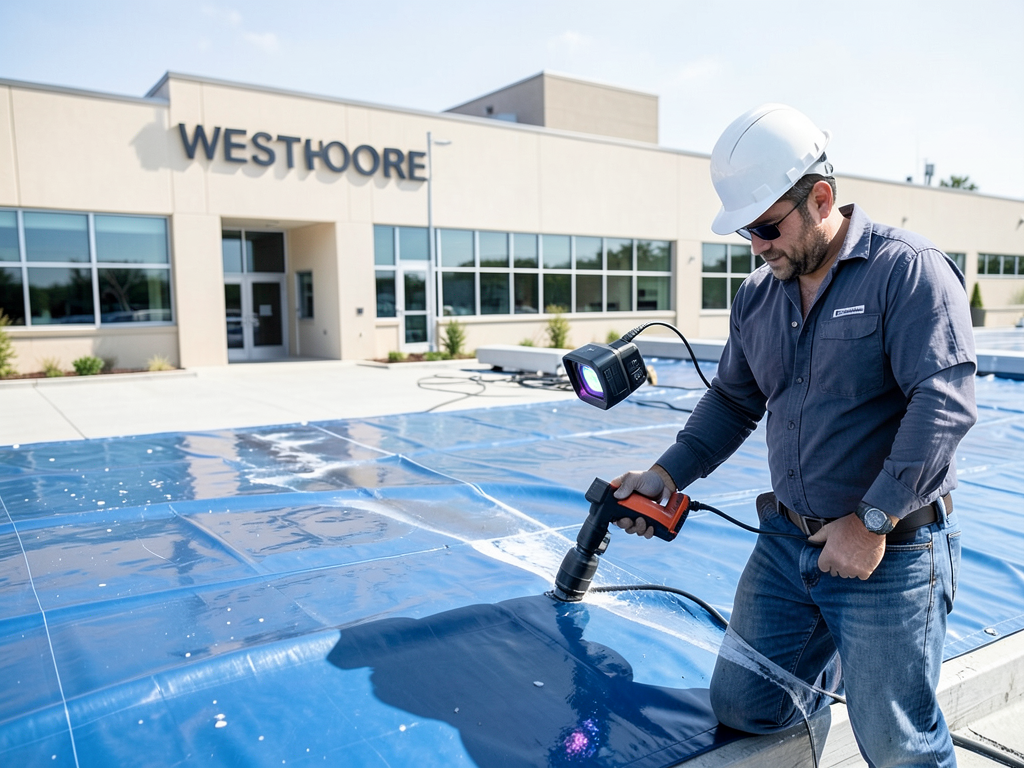
Repairing Damaged Scuppers and Drainage Systems on Westshore Commercial Buildings
Standing water on your flat roof causes serious problems. During Tampa’s summer storms ponding water adds thousands of pounds of weight to your building structure and creates perfect conditions for leaks. When scuppers clog or internal drains fail damage spreads quickly through your roof membrane insulation and even into your interior walls.
Crestline Roofing specializes in repairing commercial drainage systems for Westshore’s high-rise office buildings medical centers and retail properties. Our technicians understand Florida’s High Velocity Hurricane Zone requirements and the specific drainage needs of large flat-roof commercial structures. Florida Building Code Section 1503.4.
Call (656) 245-0955 today to schedule your inspection. Quick action prevents expensive interior damage and keeps your building operational during Tampa’s next storm.
Common Commercial Drainage Systems We Repair
Commercial buildings in Westshore use several drainage system types each with specific failure points. Understanding which system your building uses helps diagnose problems faster.
| Drainage System Type | Common Materials | Failure Points |
|---|---|---|
| Internal Drains | Cast iron PVC copper | Clogged strainers corroded bowls failed flashing |
| Scuppers | Aluminum stainless steel copper | Debris blockage membrane separation corrosion |
| Gutters Downspouts | Aluminum galvanized steel | Sagging sections separated joints ice damming in rare freezes |
| Siphonic Systems | Engineered plastic | Airlock failures vacuum breaker malfunctions |
Signs Your Tampa Building Has Drainage Issues
Early detection prevents major structural damage. Watch for these warning signs on your Westshore commercial property:
- Standing water that remains more than 48 hours after rain
- Water stains on interior ceilings or walls below roof level
- Mold or mildew growth in ceiling corners
- Sagging roof sections or visible depressions
- Overflowing scuppers during moderate rain
- Unusual odors from ceiling spaces
The smell of damp insulation or musty air often indicates water has penetrated your roof system. This moisture weakens structural components and creates health hazards for building occupants.
Our Repair Process From Thermal Imaging to Slope Correction
We follow a systematic approach to diagnose and repair drainage failures. Our process begins with non-destructive testing to locate the exact source of water intrusion.
- Thermal Imaging Scan
Using infrared cameras we detect temperature differences that reveal moisture trapped beneath your roof membrane. This shows us exactly where water collects and how far it has spread.
- Core Sampling
We extract small sections of your roof to examine the layers beneath the surface. This reveals the extent of water damage to insulation and structural decking.
- Drainage System Inspection
We test each drain scupper and overflow system for proper flow rates. Clogged strainers or collapsed pipes become obvious during this phase.
- Slope Correction
If your roof lacks proper drainage slope we install tapered insulation crickets or saddles to direct water toward drains. Florida Building Code 1503.4 requires positive drainage to prevent ponding.
- Membrane Repair
We seal separations between your roof membrane and drainage components using compatible materials for your specific roofing system (TPO EPDM or modified bitumen). Choosing the Best Roofing Contractor for Your Westchase Home.
Compliance with Florida Building Code Requirements
Tampa commercial buildings must meet strict drainage requirements under Florida Building Code Section 1503.4. This code mandates that roof areas drain within 24 hours of rainfall and that secondary overflow systems prevent structural damage if primary drains fail.
High Velocity Hurricane Zone standards add another layer of complexity. Your drainage system must withstand wind-driven rain and debris impact during storms. We install reinforced scupper frames and use hurricane-rated fasteners on all drainage components.
Secondary overflow scuppers are required when roof area exceeds 1000 square feet or when internal drains serve more than 10000 square feet. These emergency drains activate when primary systems clog preventing catastrophic water accumulation.
Westshore Case Study Recent Drainage Overhaul
A 45000-square-foot office building near Westshore Mall experienced chronic ponding that caused ceiling leaks in six different suites. Our thermal imaging revealed three interconnected problems: undersized internal drains negative slope toward the building center and clogged overflow scuppers.
We replaced all four internal drains with larger 8-inch diameter units installed tapered insulation to create positive slope and added two new overflow scuppers. The total project took five days with minimal disruption to tenants. Post-repair testing showed water draining completely within 90 minutes of simulated rainfall.
Preventative Maintenance for Tampa Monsoon Season
Regular maintenance prevents emergency repairs during Florida’s rainy season. Schedule these services before June:
- Drain strainer cleaning and inspection
- Scupper debris removal and flashing check
- Membrane seam inspection around drainage points
- Overflow system testing
- Roof slope verification using water level
Debris from Westshore’s mature oak trees often clogs scuppers before storm season peaks. Monthly inspections during summer prevent backup failures.
Emergency Storm Water Ponding Solutions
When severe storms overwhelm your drainage system we provide immediate relief. Our emergency response includes:
- Water removal using commercial pumps
- Temporary roof patching to stop active leaks
- Installation of emergency overflow drains
- Coverage coordination with your insurance carrier
We maintain 24/7 emergency service for Westshore commercial properties. Call (656) 245-0955 immediately if you notice active ponding during a storm.
Roof Drain Flashing and Membrane Integration
Proper integration between your drainage system and roof membrane prevents the most common leak source. We use manufacturer-approved adhesives and sealants specific to your roofing material. Roofing Dunedin.
For TPO roofs we weld new flashing directly to the membrane. EPDM systems require adhesive bonding with compatible rubber compounds. Modified bitumen uses heat-welded connections for maximum durability.
Flashing height matters in Westshore’s heavy rain. We install drain bowls at least 4 inches above the roof surface to prevent backflow during extreme events.
TPO and EPDM Drainage Compatibility
Not all drainage components work with every roofing membrane. Using incompatible materials creates leak paths. Roofing Saint Petersburg.
| Roof Membrane | Compatible Drain Materials | Sealant Type |
|---|---|---|
| TPO | Aluminum stainless steel | Heat-welded TPO strips |
| EPDM | Cast iron copper | EPDM adhesive uncured rubber |
| Modified Bitumen | Galvanized steel | Asphalt mastic heat welding |
Mixing materials creates galvanic corrosion. We always match drain components to your existing roof system.
Secondary Overflow Drainage System Requirements
Florida Building Code requires secondary overflow systems when roof area exceeds specific thresholds. These systems activate when primary drains clog preventing structural damage from water weight.
Overflow scuppers must be placed at least 2 inches above the primary drain invert. This height ensures they only activate during emergencies. We install debris guards to prevent the overflow itself from clogging.
Secondary systems need visible indicators. We install water level markers that show when overflow drains are active alerting building management to drainage problems.
Debris Management for Flat Roof Drains
Westshore’s combination of mature trees and coastal location creates unique debris challenges. Pine needles oak leaves and wind-blown trash accumulate rapidly on flat roofs.
We install raised drain strainers that sit 6 inches above the roof surface. This elevation prevents debris from directly entering the drain while still allowing water flow. The strainers feature removable baskets for easy cleaning.
Regular cleaning schedule: monthly during fall quarterly during other seasons. After major storms immediate inspection prevents backup damage.
Cost Factors for Commercial Drainage Repair
Repair costs vary based on several factors:
- Roof accessibility and height
- Number of drains requiring service
- Extent of water damage to underlying structure
- Need for slope correction or additional drains
- Emergency vs scheduled service timing
Simple drain cleaning starts around $500. Complete drainage system replacement for a 10000-square-foot roof typically ranges from $8000 to $15000 depending on complexity. Affordable Roof Replacement Solutions for Homeowners in Riverview.
Insurance Considerations for Drainage Failures
Most commercial property insurance policies cover sudden drainage failures but exclude damage from lack of maintenance. Document regular inspections to support claims. Navigating Roof Insurance Claims After a Storm in Tampa.
Water damage from clogged drains often affects multiple floors. We work directly with insurance adjusters providing detailed damage assessments and repair documentation.
Frequently Asked Questions
How quickly should standing water drain from my commercial roof?
Florida Building Code requires complete drainage within 24 hours. However standing water beyond 48 hours indicates a problem. For most commercial buildings water should drain within 2-4 hours after rain stops.
Can I clean my own roof drains to save money?
While basic debris removal is possible commercial drainage systems require specialized knowledge. Incorrect cleaning can damage flashing or create new leak paths. Professional inspection also identifies developing problems before they cause major damage.
What causes scuppers to fail during storms?
Most scupper failures result from debris blockage membrane separation at the connection point or corrosion of the scupper material. Westshore’s combination of heavy rain and tree debris makes regular cleaning essential.
How often should commercial roof drains be inspected?
Quarterly inspections are minimum. Monthly checks during rainy season prevent emergency situations. After major storms immediate inspection identifies any damage or blockage.
Does slope correction require replacing the entire roof?
No. We can install tapered insulation over your existing roof to create proper drainage slope. This process called re-sloping adds 1-2 inches of height while maintaining your current roof membrane.
Call (656) 245-0955 today to schedule your commercial roof drainage inspection. Don’t wait for the next Tampa storm to reveal your drainage problems. Quick action prevents expensive interior damage and keeps your building operational year-round. For more information, visit FEMA drainage design guidelines.
You may also find this helpful. Upgrading to 6-Inch Seamless Gutters to Handle Heavy Rainfall in Riverview.
{
“@context”: “https://schema.org”,
“@type”: “BlogPosting”,
“headline”: “Repairing Damaged Scuppers and Drainage Systems on Westshore Commercial Buildings”,
“description”: “Fix ponding water and drainage failures on Westshore commercial roofs. Expert scupper repair and code-compliant drainage solutions. Call (656) 245-0955.”,
“wordCount”: 1518,
“datePublished”: “2026-04-21T06:15:00.000Z”,
“dateModified”: “2026-04-21T06:15:00.000Z”,
“inLanguage”: “en-US”,
“mainEntityOfPage”: {
“@type”: “WebPage”,
“@id”: “https://crestlineroofingtampa.com”
},
“publisher”: {
“@type”: “LocalBusiness”,
“name”: “Crestline Roofing Tampa”,
“url”: “https://crestlineroofingtampa.com”
},
“author”: {
“@type”: “Organization”,
“name”: “Crestline Roofing Tampa”,
“url”: “https://crestlineroofingtampa.com”
},
“image”: {
“@type”: “ImageObject”,
“url”: “https://crestlineroofingtampa.com/wp-content/uploads/2026/03/repairing-damaged-scuppers-and-drainage-systems-on-1.png”
}
}
{
“@context”: “https://schema.org”,
“@type”: “RoofingContractor”,
“name”: “Crestline Roofing Tampa”,
“url”: “https://crestlineroofingtampa.com”,
“address”: {
“@type”: “PostalAddress”,
“addressLocality”: “Tampa”
},
“areaServed”: {
“@type”: “City”,
“name”: “Tampa”
}
}
{
“@context”: “https://schema.org”,
“@type”: “FAQPage”,
“mainEntity”: [
{
“@type”: “Question”,
“name”: “How quickly should standing water drain from my commercial roof?”,
“acceptedAnswer”: {
“@type”: “Answer”,
“text”: “Florida Building Code requires complete drainage within 24 hours. However standing water beyond 48 hours indicates a problem. For most commercial buildings water should drain within 2-4 hours after rain stops.”
}
},
{
“@type”: “Question”,
“name”: “Can I clean my own roof drains to save money?”,
“acceptedAnswer”: {
“@type”: “Answer”,
“text”: “While basic debris removal is possible commercial drainage systems require specialized knowledge. Incorrect cleaning can damage flashing or create new leak paths. Professional inspection also identifies developing problems before they cause major damage.”
}
},
{
“@type”: “Question”,
“name”: “What causes scuppers to fail during storms?”,
“acceptedAnswer”: {
“@type”: “Answer”,
“text”: “Most scupper failures result from debris blockage membrane separation at the connection point or corrosion of the scupper material. Westshore’s combination of heavy rain and tree debris makes regular cleaning essential.”
}
},
{
“@type”: “Question”,
“name”: “How often should commercial roof drains be inspected?”,
“acceptedAnswer”: {
“@type”: “Answer”,
“text”: “Quarterly inspections are minimum. Monthly checks during rainy season prevent emergency situations. After major storms immediate inspection identifies any damage or blockage.”
}
},
{
“@type”: “Question”,
“name”: “Does slope correction require replacing the entire roof?”,
“acceptedAnswer”: {
“@type”: “Answer”,
“text”: “No. We can install tapered insulation over your existing roof to create proper drainage slope. This process called re-sloping adds 1-2 inches of height while maintaining your current roof membrane.”
}
}
]
}
{
“@context”: “https://schema.org”,
“@type”: “HowTo”,
“name”: “Commercial Drainage Repair Process”,
“step”: [
{
“@type”: “HowToStep”,
“position”: 1,
“name”: “Thermal Imaging Scan”,
“text”: “Using infrared cameras we detect temperature differences that reveal moisture trapped beneath your roof membrane. This shows us exactly where water collects and how far it has spread.”
},
{
“@type”: “HowToStep”,
“position”: 2,
“name”: “Core Sampling”,
“text”: “We extract small sections of your roof to examine the layers beneath the surface. This reveals the extent of water damage to insulation and structural decking.”
},
{
“@type”: “HowToStep”,
“position”: 3,
“name”: “Drainage System Inspection”,
“text”: “We test each drain scupper and overflow system for proper flow rates. Clogged strainers or collapsed pipes become obvious during this phase.”
},
{
“@type”: “HowToStep”,
“position”: 4,
“name”: “Slope Correction”,
“text”: “If your roof lacks proper drainage slope we install tapered insulation crickets or saddles to direct water toward drains. Florida Building Code 1503.4 requires positive drainage to prevent ponding.”
},
{
“@type”: “HowToStep”,
“position”: 5,
“name”: “Membrane Repair”,
“text”: “We seal separations between your roof membrane and drainage components using compatible materials for your specific roofing system (TPO EPDM or modified bitumen). Choosing the Best Roofing Contractor for Your Westchase Home.”
}
],
“image”: “https://crestlineroofingtampa.com/wp-content/uploads/2026/03/repairing-damaged-scuppers-and-drainage-systems-on-1.png”
}
{
“@context”: “https://schema.org”,
“@type”: “BreadcrumbList”,
“itemListElement”: [
{
“@type”: “ListItem”,
“position”: 1,
“name”: “Home”,
“item”: “https://crestlineroofingtampa.com”
},
{
“@type”: “ListItem”,
“position”: 2,
“name”: “Blog”,
“item”: “https://crestlineroofingtampa.com/blog”
},
{
“@type”: “ListItem”,
“position”: 3,
“name”: “Repairing Damaged Scuppers and Drainage Systems on Westshore Commercial Buildings”
}
]
}
{
“@context”: “https://schema.org”,
“@type”: “Service”,
“serviceType”: “Roofing”,
“provider”: {
“@type”: “LocalBusiness”,
“name”: “Crestline Roofing Tampa”,
“url”: “https://crestlineroofingtampa.com”
},
“areaServed”: {
“@type”: “City”,
“name”: “Tampa”
},
“description”: “Fix ponding water and drainage failures on Westshore commercial roofs. Expert scupper repair and code-compliant drainage solutions. Call (656) 245-0955.”
}