
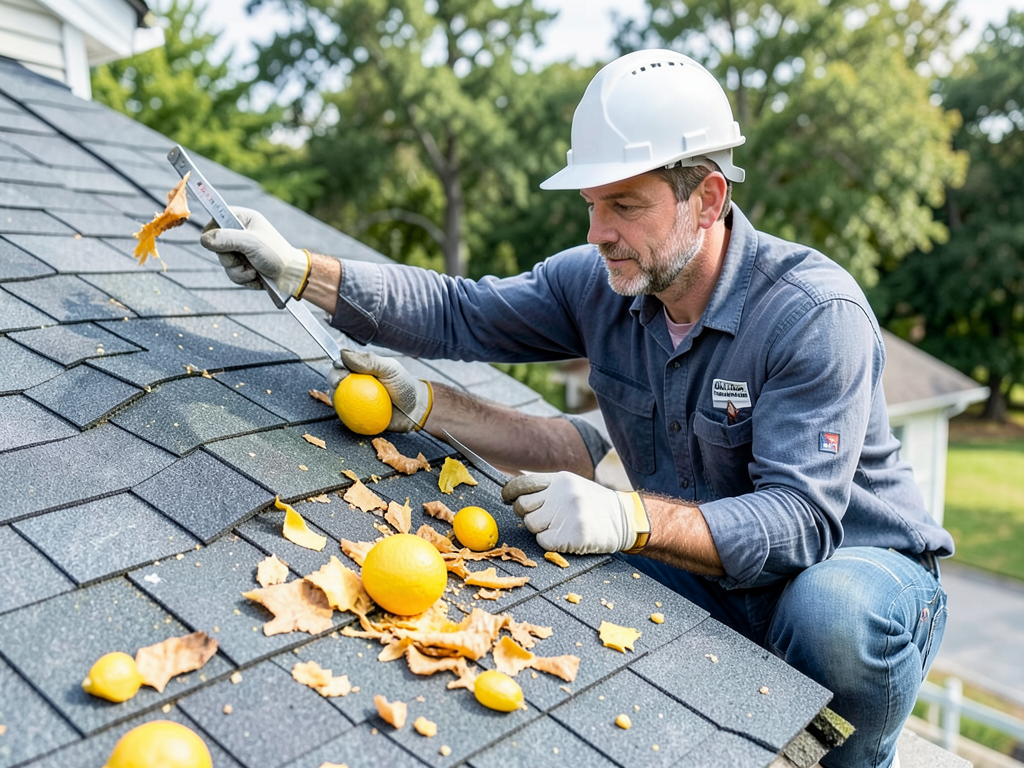
The Impact of Falling Citrus and Fruit on Your Roof in Rural Hillsborough County
Living in rural Hillsborough County means enjoying lush citrus groves and mature fruit trees right in your backyard. But those beautiful trees can wreak havoc on your roof. Falling citrus and fruit create acidic damage that eats away at roofing materials while heavy impacts from oranges grapefruits and mangoes can crack tiles or tear shingles. The combination of Florida’s intense sun and humid climate accelerates this deterioration turning your peaceful grove into a costly maintenance problem. Hillsborough County Environmental Protection Commission.
Many homeowners in areas like Valrico Seffner and Thonotosassa face this challenge daily. The acidic juice from rotting fruit creates permanent stains and weakens protective granules on asphalt shingles. During summer storms falling fruit becomes dangerous projectiles that can puncture roofing membranes or dent metal panels. Understanding these risks helps you protect your investment and avoid expensive emergency repairs. Asphalt Roofing Manufacturers Association.
Call (656) 245-0955 today to schedule your inspection before the next storm hits.
Types of Roof Damage from Falling Fruit in Tampa
Different fruits create different types of damage on Tampa roofs. Citrus fruits like oranges and grapefruits contain high levels of citric acid that break down roofing materials over time. When these fruits fall and burst on your roof the acidic juice seeps into shingle granules causing them to loosen and wash away during rain. This exposes the asphalt layer underneath to UV damage and accelerates aging. Choosing the Best Roofing Contractor for Your Westchase Home.
Mangoes and avocados create impact damage due to their size and weight. A falling mango can crack clay tiles or dent metal roofing panels. These impacts often go unnoticed until water leaks appear inside your home weeks later. The dark spots from fruit impacts also absorb more heat creating hot spots that stress your roofing system. Roofing Dunedin.
Pineapples and coconuts from decorative landscaping pose similar risks. Their tough outer shells can scratch protective coatings off metal roofs while their weight creates concentrated impact points. In coastal areas like Apollo Beach and Ruskin salt spray combined with fruit acid creates a corrosive cocktail that destroys roofing materials twice as fast as normal. Roofing Saint Petersburg.
Why Florida’s Climate Makes Fruit Damage Worse
Tampa’s subtropical climate creates perfect conditions for accelerated roof damage from falling fruit. High humidity levels typically 70-90% year-round keep fruit acids active on your roof surface for days instead of hours. This extended exposure time allows acids to penetrate deeper into roofing materials before rain washes them away.
Intense UV radiation averaging 250 sunny days per year bakes fruit residue onto roof surfaces. The heat activates chemical reactions between fruit acids and roofing materials creating permanent stains and structural weakening. During summer months when temperatures exceed 95 degrees these reactions happen within hours instead of days.
Afternoon thunderstorms common in Hillsborough County wash acidic fruit juice into roof valleys and around flashing points. This creates hidden damage in areas already vulnerable to leaks. The combination of acid water and Florida’s high water table means moisture gets trapped under damaged areas promoting mold growth and wood rot in your roof deck.
Common Fruit Trees That Threaten Tampa Roofs
Citrus trees dominate rural Hillsborough County landscapes. Valencia oranges known for their sweet juice grow up to 30 feet tall with heavy fruit clusters that fall without warning. Their acidic juice contains citric acid concentrations of 5-6% strong enough to dissolve limestone and severely damage asphalt shingles within months.
Mango trees popular in South Tampa and Brandon neighborhoods produce fruit weighing up to 2 pounds each. When ripe mangoes fall from 40-foot heights they hit roofs with impact forces exceeding 50 pounds per square inch. This force easily cracks concrete tiles or creates punctures in membrane roofing systems.
Avocado trees increasingly common in newer developments create unique problems. Their oily fruit flesh creates slippery conditions on roof surfaces while the large pits can clog gutters and downspouts. During heavy fruit drop seasons avocados can completely block drainage systems causing water backup and interior leaks.
Signs of Fruit Damage You Can See from the Ground
Identifying fruit damage early saves thousands in repair costs. Look for dark brown or black spots on your roof that don’t match surrounding areas. These spots indicate where acidic fruit juice has eaten through protective granules or coatings. During dry weather these spots often appear slightly depressed compared to surrounding areas.
Check for missing or loose granules in your gutters and downspouts. Fruit acid dissolves the adhesive holding granules to shingles causing them to wash away during rain. You’ll notice this as sandy buildup in gutter bottoms or downspout extensions. This granule loss exposes your roof to UV damage and accelerates aging.
Inspect your roof edges for cracks or chips in tiles or shingles. Falling fruit creates concentrated impact points that damage materials at specific locations rather than spreading damage evenly. These impact sites often develop into leaks within 6-12 months as water finds its way through compromised areas.
Preventative Measures for Fruit Tree Owners
Proper tree maintenance prevents most fruit-related roof damage. Trim branches to maintain at least 10 feet of clearance between tree canopy and roof surface. This distance allows fruit to fall harmlessly to the ground rather than impacting your roof with full force. Professional trimming costs $200-500 but prevents thousands in roof repairs.
Install fruit-catching nets under high-risk trees during peak harvest seasons. These nets available at most Tampa garden centers catch falling fruit before it reaches your roof. They cost $50-150 per tree but protect your roof investment. Remove nets promptly after harvest to prevent debris buildup.
Consider tree relocation for problematic specimens. Many Tampa homeowners move fruit trees away from structures during new construction or major renovations. This proactive approach eliminates ongoing maintenance costs and protects your roof from future damage. Local nurseries can recommend suitable relocation distances based on tree species and mature size.
Cleaning and Maintenance Schedule
Establish a regular cleaning routine to minimize fruit damage. Remove fallen fruit from your roof within 24 hours of discovery. This prevents acid from penetrating roofing materials and eliminates the risk of fruit becoming projectiles during storms. Use a soft-bristle broom rather than pressure washing which can damage already-compromised areas.
Clean your gutters monthly during fruit drop seasons. Clogged gutters overflow during rain sending water under roof edges and into your home. Pay special attention to downspout screens which trap fruit debris and create backup points. Consider installing gutter guards designed for Florida conditions to reduce maintenance frequency.
Schedule professional roof inspections twice yearly ideally in spring and fall. These inspections catch early signs of fruit damage before they become major problems. Professional roofers can identify subtle damage patterns and recommend targeted repairs rather than complete roof replacement. Affordable Roof Replacement Solutions for Homeowners in Riverview.
When to Call a Professional Roofer
Certain signs indicate you need immediate professional help. Water stains on interior ceilings or walls suggest roof damage has progressed beyond simple maintenance. These stains often appear 2-3 months after the initial damage occurred meaning the problem has been worsening undetected.
Cracked or missing tiles especially after fruit impact events require professional assessment. What looks like minor damage often masks underlying structural problems. A professional roofer can determine if you need spot repairs or complete replacement based on damage extent and roofing material age.
If you notice increased energy bills without explanation fruit damage might be the cause. Damaged roofing materials lose their insulating properties forcing your HVAC system to work harder. This hidden cost often exceeds the price of professional repairs within a single cooling season.
Insurance Considerations for Fruit Damage
Florida homeowners insurance typically covers sudden accidental damage but not gradual deterioration. If a falling fruit creates an immediate puncture during a storm your claim will likely be approved. However damage from months of acidic exposure usually falls under maintenance exclusions leaving you responsible for repair costs. Navigating Roof Insurance Claims After a Storm in Tampa.
Document all fruit damage with photos and maintenance records. Insurance companies often deny claims for lack of preventative maintenance. Keep receipts for tree trimming fruit removal and professional inspections. These records demonstrate responsible homeownership and strengthen your position if you need to file a claim.
Review your policy’s wind mitigation requirements. Some insurance companies offer discounts for specific roofing materials or installation methods that resist impact damage. Upgrading to impact-resistant materials might cost more initially but provides long-term savings through reduced maintenance and insurance premiums.
Emergency Response After Fruit Impact
Quick action minimizes damage after fruit impact events. If you witness fruit falling on your roof inspect the area within 24 hours. Look for visible damage like cracked tiles or torn shingles. Even if damage isn’t immediately apparent acidic juice may be slowly eating away at roofing materials.
Place temporary tarps over suspected damage areas to prevent water intrusion. Use heavy-duty tarps secured with roofing nails or screws rather than duct tape which fails in Florida humidity. This temporary protection buys time for professional assessment but isn’t a substitute for proper repairs.
Contact a licensed roofer immediately after discovering damage. Most reputable companies offer 24/7 emergency services for situations like this. Quick professional assessment prevents minor damage from becoming major structural problems. Remember water damage costs increase exponentially with each passing rain shower.
Comparing Roofing Materials for Fruit-Prone Areas
| Material | Impact Resistance | Acid Resistance | Lifespan in Fruit Areas | Cost per Square |
|---|---|---|---|---|
| Asphalt Shingles | Low | Moderate | 10-15 years | $100-150 |
| Concrete Tiles | High | High | 25-30 years | $300-400 |
| Metal Panels | Very High | Very High | 40-50 years | $350-450 |
| Clay Tiles | Moderate | High | 20-25 years | $250-350 |
| Membrane Roofing | Low | Low | 15-20 years | $200-300 |
Long-term Solutions for Rural Properties
Consider roof design modifications during replacement or major renovations. Install steeper roof pitches in fruit-heavy areas. Low-pitched roofs trap falling fruit and acidic juice while steeper pitches allow debris to slide off before damage occurs. A 6:12 pitch or greater significantly reduces fruit accumulation.
Choose roofing materials specifically engineered for impact resistance. Class 4 impact-rated shingles withstand falling fruit impacts without cracking. These materials cost 20-30% more than standard options but provide superior protection in fruit-prone areas. The investment typically pays for itself through extended roof life and reduced maintenance.
Install protective barriers in high-risk zones. Roof-mounted fruit guards similar to snow guards but designed for impact protection absorb the force of falling fruit before it reaches your roofing material. These guards cost $5-10 per linear foot but prevent thousands in potential damage.
Local Regulations and Permitting
Hillsborough County requires permits for tree removal affecting protected species. Citrus trees while not protected often grow near protected oak trees or within designated tree conservation areas. Check with the Hillsborough County Environmental Protection Commission before removing problematic trees near your home.
Local ordinances in cities like Plant City and Brandon regulate tree trimming near utility lines. These regulations affect your ability to maintain proper clearance between fruit trees and your roof. Violations can result in fines up to $500 per incident and mandatory restoration of improperly trimmed trees.
Stormwater management regulations impact how you handle fruit debris. Dumping large quantities of fruit waste in storm drains violates county codes and can result in environmental fines. Use designated yard waste collection services or composting facilities for proper disposal of fallen fruit.
Cost Analysis of Prevention vs. Repair
Annual tree maintenance costs $200-500 but prevents $5000-15000 in roof repairs. This 10:1 return on investment makes preventative maintenance the most cost-effective approach for fruit tree owners. Monthly fruit removal during harvest seasons adds another $100-200 annually but extends roof life by 5-7 years.
Roof replacement due to fruit damage costs $8000-20000 depending on home size and material choice. This expense becomes necessary every 10-15 years without proper maintenance but extends to 20-25 years with preventative measures. The lifetime cost difference exceeds $15000 for most homeowners.
Insurance deductibles typically range from $1000-2500. Multiple claims for fruit damage can increase premiums by 15-30% or result in policy non-renewal. The long-term financial impact of neglected fruit damage often exceeds the cost of professional maintenance services.
Professional Assessment Services
Professional roof assessments identify hidden fruit damage before it becomes visible. Trained inspectors use moisture meters to detect water intrusion in areas where fruit acid has compromised roofing materials. These assessments cost $150-300 but can reveal problems that would cost $3000-8000 to repair if left undetected.
Many roofing companies offer free estimates for fruit damage assessment. However these estimates often focus on selling complete roof replacement rather than targeted repairs. Request detailed damage reports and second opinions before committing to major work. Reputable companies provide written assessments with photographic evidence.
Look for contractors with specific experience in fruit damage repair. Not all roofers understand the unique challenges of acidic fruit exposure and impact damage. Ask about their experience with similar properties in your area and request references from satisfied customers in fruit-heavy neighborhoods.
Frequently Asked Questions
How long does it take for fruit acid to damage my roof?
Fruit acid begins breaking down roofing materials within 24-48 hours of contact. Under Florida’s intense sun and humidity significant damage can occur within 3-6 months of repeated exposure. The exact timeline depends on fruit type with citrus causing damage faster than avocados or mangoes.
Can I pressure wash fruit stains off my roof?
Pressure washing damages roofing materials and often voids manufacturer warranties. The high-pressure water forces water under shingles and can crack already-compromised areas. Use a soft-bristle brush and mild detergent instead or hire professionals with experience in gentle roof cleaning methods.
Will my homeowners insurance cover fruit damage?
Insurance typically covers sudden accidental damage but not gradual deterioration from fruit exposure. If falling fruit creates an immediate puncture you likely have coverage. However damage from months of acidic exposure usually falls under maintenance exclusions making you responsible for repair costs.
How much does professional fruit damage repair cost?
Repair costs range from $500 for minor spot repairs to $8000+ for extensive damage requiring partial or complete roof replacement. The final cost depends on damage extent roofing material and whether underlying structure needs repair. Most homeowners spend $1500-3000 on average fruit damage repairs.
What’s the best roofing material for areas with fruit trees?
Metal roofing offers the best protection against fruit damage with impact resistance and acid resistance far exceeding other materials. Concrete tiles provide good protection at a lower cost while impact-rated asphalt shingles offer a budget-friendly option with moderate protection. Avoid membrane roofing in fruit-heavy areas.
Take Action Today
Don’t wait for the next storm to discover fruit damage on your roof. The acidic juice from fallen citrus and the impact from heavy mangoes create a perfect storm of roofing problems that worsen with each passing day. Professional assessment can identify hidden damage before it leads to costly interior repairs.
Call (656) 245-0955 today to schedule your inspection. Our experienced team understands the unique challenges of rural Hillsborough County properties and can recommend targeted solutions to protect your home. Whether you need minor repairs preventative maintenance or complete roof replacement we provide honest assessments and quality workmanship backed by our satisfaction guarantee.
Pick up the phone and call (656) 245-0955 before the next storm hits. Your roof protects everything you value most and professional care ensures it continues doing its job for years to come. For more information, visit Miami-Dade County Building Code Compliance.