
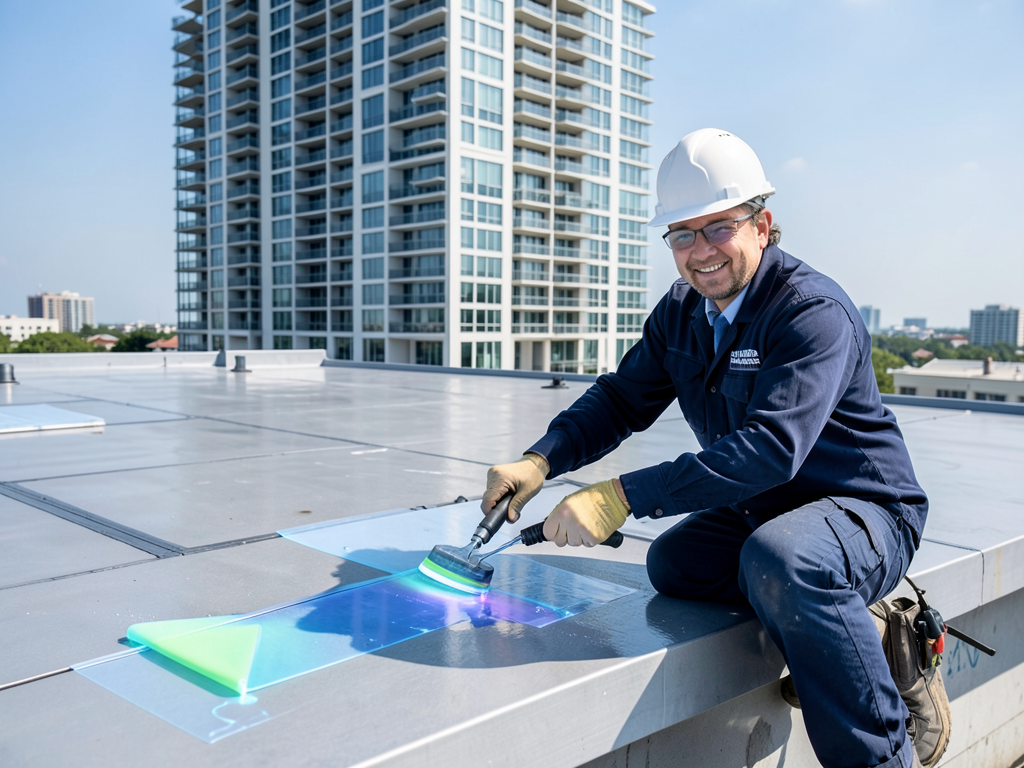
What Every Condo Owner in Channelside Should Know About Shared Roof Maintenance
Living in a condo in Channelside means sharing responsibility for critical building systems, and your roof is arguably the most important. Unlike single-family homes, condo roof maintenance involves navigating HOA bylaws, Florida building codes, and the unique challenges of high-density urban living. Understanding these complexities can save you thousands in unexpected repairs and protect your investment from Tampa’s harsh climate. Florida Building Code.
The roof over your head in Channelside faces intense UV exposure, salt-air corrosion from Tampa Bay, and the constant threat of tropical storms. With Florida’s new Milestone Inspection requirements under Senate Bill 4-D, condo associations must now conduct structural assessments every 30 years, making proactive roof maintenance more critical than ever. Florida Senate Bill 4-D.
Understanding Condo Roof Responsibilities in Channelside
Before diving into maintenance specifics, it’s essential to understand who’s responsible for what. In most Channelside condo associations, the HOA covers the roof structure and waterproofing membrane, while individual unit owners handle interior ceiling finishes and any damage caused by roof leaks. This division creates a complex web of responsibilities that requires clear communication and documented agreements. Choosing the Best Roofing Contractor for Your Westchase Home.
The first step is reviewing your condo documents. Look for sections on common elements, maintenance obligations, and insurance requirements. Many Channelside buildings have specific provisions about roof access, repair scheduling, and cost allocation that can affect how maintenance is performed. Navigating Roof Insurance Claims After a Storm in Tampa.
Common Roof Systems in Channelside Condos
Channelside’s modern high-rise and mid-rise buildings typically feature flat or low-slope roofing systems designed for urban density and hurricane resistance. The most common systems include: Roofing Dunedin.
| Roofing System | Average Lifespan | Wind Rating | Best For |
|---|---|---|---|
| TPO (Thermoplastic Polyolefin) | 20-25 years | Up to 150 mph | Energy efficiency |
| PVC Membrane | 25-30 years | Up to 160 mph | Chemical resistance |
| Modified Bitumen | 15-20 years | Up to 130 mph | Budget-conscious |
| Standing Seam Metal | 40-50 years | Up to 180 mph | Hurricane zones |
Each system has specific maintenance requirements. TPO roofs need regular seam inspections to prevent delamination, while PVC membranes require specialized cleaning to maintain their reflective properties. Metal roofs need fastener checks and coating applications every 5-7 years to prevent corrosion in Tampa’s salt-air environment.
Florida Building Code Requirements for Condo Roofs
Tampa’s High Velocity Hurricane Zone (HVHZ) requirements mean condo roofs must meet stringent wind uplift resistance standards. The Florida Building Code mandates specific attachment methods, material ratings, and installation techniques that vary by building height and proximity to the coast.
For Channelside buildings, this typically means:
- Wind uplift ratings of 150+ mph for structures under 75 feet
- Enhanced perimeter and corner zone attachment
- Class A fire ratings for all roofing materials
- Energy efficiency compliance with Florida’s building envelope requirements
The code also requires specific underlayment systems, including self-adhering polymer-modified bitumen sheets in high-wind zones. These requirements directly impact maintenance scheduling and repair costs, as non-compliant repairs can void warranties and insurance coverage.
Common Roof Problems in Channelside Condos
Understanding typical failure patterns helps condo owners recognize issues early. In Channelside’s urban environment, several problems occur more frequently than in suburban areas:
Ponding Water Issues – Flat roofs in high-density areas often develop low spots where water collects. In Tampa’s humid climate, standing water accelerates membrane deterioration and creates breeding grounds for mosquitoes. The Florida Building Code limits ponding to 48 hours maximum.
Penetration Failures – HVAC units, vent stacks, and roof access points create numerous penetration points. Each requires proper flashing and sealing. In Channelside’s older buildings, these penetrations often become the first points of failure during heavy rains.
UV and Heat Damage – Tampa’s intense sun breaks down roofing materials faster than in northern climates. White TPO and PVC membranes help reflect heat but still require UV protectant applications every 3-5 years to maintain their reflective properties.
Preventative Maintenance Schedule for Condo Associations
A structured maintenance program can extend roof life by 5-10 years and prevent costly emergency repairs. Here’s a recommended schedule for Channelside condo associations:
- Quarterly Inspections
Check for debris accumulation, membrane damage, and ponding water. Document all findings with photos and moisture readings. Finding a Reliable Tile Roof Repair Specialist in South Tampa.
- Bi-Annual Cleaning
Remove debris, clean drainage systems, and apply UV protectant to reflective membranes. Schedule during dry season to avoid weather delays.
- Annual Professional Inspection
Certified roofing contractor conducts comprehensive assessment, including infrared scanning for moisture intrusion and core sampling of membrane thickness.
- 5-Year Major Assessment
Complete roof evaluation including structural integrity, fastener pull testing, and wind uplift simulation. Aligns with Florida’s Milestone Inspection requirements.
Documenting these inspections creates a maintenance history that’s invaluable for insurance claims and future repair planning. Many Channelside associations now use digital platforms to track roof conditions and maintenance schedules.
Navigating Hurricane Season with Condo Roofs
Tampa’s hurricane season requires specific preparation steps that go beyond standard maintenance. Channelside buildings need coordinated hurricane readiness plans that include:
- Pre-season inspection of all roof-mounted equipment and penetrations
- Verification of wind uplift ratings and attachment methods
- Emergency tarping materials and contractor agreements in place
- Communication protocols for residents during storm events
The key is preparation before the first storm watch. Waiting until a hurricane approaches means competing with every other building in Tampa for emergency services and materials. Having a pre-approved contractor agreement ensures faster response times when storms threaten.
Cost Considerations for Shared Roof Maintenance
Understanding the financial aspects helps condo owners advocate for proper maintenance budgets. Roof maintenance costs in Channelside typically range from $0.15 to $0.35 per square foot annually for preventative maintenance, with major repairs costing $3 to $8 per square foot depending on the roofing system.
Factors affecting costs include:
- Building height and accessibility requirements
- Roof complexity and number of penetrations
- Material type and warranty requirements
- Local permitting and inspection fees
Many Channelside associations establish roof reserve funds based on engineering studies that project replacement costs over 20-30 year periods. These studies factor in inflation, material cost increases, and Tampa’s specific climate challenges. Affordable Roof Replacement Solutions for Homeowners in Riverview.
Working with Your HOA Board on Roof Issues
Effective communication with your HOA board is crucial for addressing roof concerns. Here’s how to approach board members about roof maintenance:
- Document your specific concerns with photos and dates
- Request to be added to the agenda for the next board meeting
- Present your concerns factually, focusing on building protection and cost savings
- Offer to help gather information from other concerned owners
- Follow up in writing after the meeting to confirm action items
Remember that board members are volunteers who may not have roofing expertise. Providing clear, factual information helps them make informed decisions about maintenance priorities and budget allocations.
Insurance Considerations for Condo Roofs
Insurance for condo roofs in Tampa has become increasingly complex due to climate risks and regulatory changes. Most condo associations carry master policies that cover the building structure, including the roof, while individual owners need separate policies for interior improvements and personal property.
Key insurance considerations include:
- Windstorm coverage requirements for HVHZ zones
- Named storm deductibles that can be 2-5% of coverage amounts
- Water damage exclusions for maintenance-related leaks
- Documentation requirements for claims processing
Proper maintenance documentation can significantly impact insurance claims outcomes. Insurance companies increasingly require proof of regular maintenance and compliance with local building codes when processing roof-related claims.
When to Call a Professional Roofing Contractor
Recognizing when professional help is needed can prevent minor issues from becoming major problems. Call a licensed roofing contractor if you notice:
- Visible membrane damage or punctures
- Persistent ponding water beyond 48 hours
- Interior water stains or mold growth
- Damaged or missing flashing around penetrations
- Excessive granule loss on modified bitumen roofs
Professional contractors should be licensed in Florida (CCC license), carry general liability and workers’ compensation insurance, and have experience with multi-family buildings in Tampa’s HVHZ. Always verify credentials and request references from similar projects.
Emergency Response Protocols for Roof Leaks
Having a clear emergency response plan minimizes damage when roof leaks occur. Every Channelside condo association should have:
- 24/7 emergency contact information for roofing contractors
- Temporary tarping materials stored on-site
- Communication protocols for notifying affected residents
- Insurance claim procedures and documentation requirements
Quick response is critical. Water can travel horizontally across ceilings before finding a path down, making the visible leak point different from the actual roof penetration. Professional moisture detection equipment can locate the true source of leaks.
Future Trends in Condo Roof Technology
The roofing industry continues to evolve with new technologies that benefit condo owners. Current trends in Tampa include:
- Cool roof coatings that reflect up to 85% of solar radiation
- Integrated solar roofing systems that maintain aesthetic appeal
- Smart sensors that detect moisture and temperature changes
- Sustainable materials with recycled content and longer lifespans
These technologies can reduce energy costs, extend roof life, and provide better protection against Tampa’s climate challenges. However, they often require specialized installation and maintenance expertise.
Building a Long-Term Roof Management Strategy
Successful condo roof management requires a long-term perspective that balances immediate repairs with future replacement planning. A comprehensive strategy includes:
- Detailed roof asset inventory and condition assessments
- Multi-year maintenance and repair budgets
- Regular communication with residents about roof issues
- Coordination with other building systems (HVAC, electrical)
This strategic approach transforms roof maintenance from a reactive expense to a proactive investment in building preservation and resident satisfaction.
Frequently Asked Questions
How often should condo association roofs be inspected?
Professional inspections should occur annually, with quarterly visual checks by building staff. Florida’s Milestone Inspection requirements also mandate comprehensive assessments every 30 years for buildings over 3 stories.
Who pays for roof repairs in a condo association?
The HOA typically covers repairs to the roof structure and waterproofing membrane as common elements. Individual owners may be responsible for interior damage if they caused the leak or failed to report issues promptly.
What’s the average lifespan of a condo roof in Tampa?
Most modern roofing systems last 20-30 years with proper maintenance, though Tampa’s harsh climate can reduce this by 5-10 years without regular upkeep. Metal roofs can last 40-50 years.
Take Action to Protect Your Investment
Understanding your condo roof’s maintenance needs is the first step toward protecting your Channelside investment. Whether you’re dealing with a current leak or planning for future maintenance, professional expertise makes all the difference. Don’t wait for the next storm to discover your roof’s vulnerabilities.
Call (656) 245-0955 today to schedule a comprehensive roof inspection. Our team specializes in multi-family buildings throughout Channelside and understands the unique challenges of Tampa’s urban condo environment. Early detection and proper maintenance can save your association thousands in emergency repairs and extend your roof’s useful life by years.
Pick up the phone and call (656) 245-0955 before the next storm hits. Your roof protects everything beneath it – make sure it’s ready for whatever Tampa’s weather brings.
{
“@context”: “https://schema.org”,
“@type”: “BlogPosting”,
“headline”: “What Every Condo Owner in Channelside Should Know About Shared Roof Maintenance”,
“description”: “Learn how Channelside condo owners can navigate shared roof maintenance, understand Florida building codes, and protect their investment from hurricane damage.”,
“wordCount”: 1813,
“datePublished”: “2026-06-05T09:39:00.000Z”,
“dateModified”: “2026-06-05T09:39:00.000Z”,
“inLanguage”: “en-US”,
“mainEntityOfPage”: {
“@type”: “WebPage”,
“@id”: “https://crestlineroofingtampa.com”
},
“publisher”: {
“@type”: “LocalBusiness”,
“name”: “Crestline Roofing Tampa”,
“url”: “https://crestlineroofingtampa.com”
},
“author”: {
“@type”: “Organization”,
“name”: “Crestline Roofing Tampa”,
“url”: “https://crestlineroofingtampa.com”
},
“image”: {
“@type”: “ImageObject”,
“url”: “https://crestlineroofingtampa.com/wp-content/uploads/2026/03/what-every-condo-owner-in-channelside-should-know-1.png”
}
}
{
“@context”: “https://schema.org”,
“@type”: “RoofingContractor”,
“name”: “Crestline Roofing Tampa”,
“url”: “https://crestlineroofingtampa.com”,
“address”: {
“@type”: “PostalAddress”,
“addressLocality”: “Tampa”
},
“areaServed”: {
“@type”: “City”,
“name”: “Tampa”
}
}
{
“@context”: “https://schema.org”,
“@type”: “FAQPage”,
“mainEntity”: [
{
“@type”: “Question”,
“name”: “How often should condo association roofs be inspected?”,
“acceptedAnswer”: {
“@type”: “Answer”,
“text”: “Professional inspections should occur annually, with quarterly visual checks by building staff. Florida’s Milestone Inspection requirements also mandate comprehensive assessments every 30 years for buildings over 3 stories.”
}
},
{
“@type”: “Question”,
“name”: “Who pays for roof repairs in a condo association?”,
“acceptedAnswer”: {
“@type”: “Answer”,
“text”: “The HOA typically covers repairs to the roof structure and waterproofing membrane as common elements. Individual owners may be responsible for interior damage if they caused the leak or failed to report issues promptly.”
}
},
{
“@type”: “Question”,
“name”: “What’s the average lifespan of a condo roof in Tampa?”,
“acceptedAnswer”: {
“@type”: “Answer”,
“text”: “Most modern roofing systems last 20-30 years with proper maintenance, though Tampa’s harsh climate can reduce this by 5-10 years without regular upkeep. Metal roofs can last 40-50 years.”
}
}
]
}
{
“@context”: “https://schema.org”,
“@type”: “HowTo”,
“name”: “Condo Roof Maintenance Schedule”,
“step”: [
{
“@type”: “HowToStep”,
“position”: 1,
“name”: “Quarterly Inspections”,
“text”: “Check for debris accumulation, membrane damage, and ponding water. Document all findings with photos and moisture readings. Finding a Reliable Tile Roof Repair Specialist in South Tampa.”
},
{
“@type”: “HowToStep”,
“position”: 2,
“name”: “Bi-Annual Cleaning”,
“text”: “Remove debris, clean drainage systems, and apply UV protectant to reflective membranes. Schedule during dry season to avoid weather delays.”
},
{
“@type”: “HowToStep”,
“position”: 3,
“name”: “Annual Professional Inspection”,
“text”: “Certified roofing contractor conducts comprehensive assessment, including infrared scanning for moisture intrusion and core sampling of membrane thickness.”
},
{
“@type”: “HowToStep”,
“position”: 4,
“name”: “5-Year Major Assessment”,
“text”: “Complete roof evaluation including structural integrity, fastener pull testing, and wind uplift simulation. Aligns with Florida’s Milestone Inspection requirements.”
}
],
“image”: “https://crestlineroofingtampa.com/wp-content/uploads/2026/03/what-every-condo-owner-in-channelside-should-know-1.png”
}
{
“@context”: “https://schema.org”,
“@type”: “BreadcrumbList”,
“itemListElement”: [
{
“@type”: “ListItem”,
“position”: 1,
“name”: “Home”,
“item”: “https://crestlineroofingtampa.com”
},
{
“@type”: “ListItem”,
“position”: 2,
“name”: “Blog”,
“item”: “https://crestlineroofingtampa.com/blog”
},
{
“@type”: “ListItem”,
“position”: 3,
“name”: “What Every Condo Owner in Channelside Should Know About Shared Roof Maintenance”
}
]
}
{
“@context”: “https://schema.org”,
“@type”: “Service”,
“serviceType”: “Roofing”,
“provider”: {
“@type”: “LocalBusiness”,
“name”: “Crestline Roofing Tampa”,
“url”: “https://crestlineroofingtampa.com”
},
“areaServed”: {
“@type”: “City”,
“name”: “Tampa”
},
“description”: “Learn how Channelside condo owners can navigate shared roof maintenance, understand Florida building codes, and protect their investment from hurricane damage.”
}