
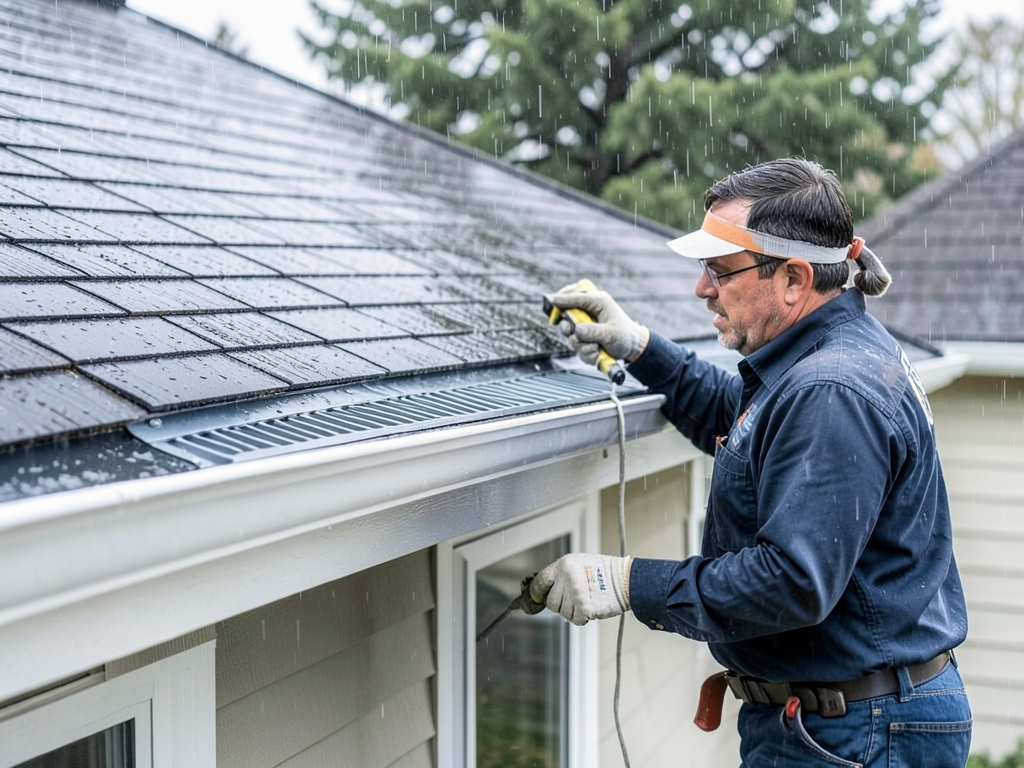
Why Those Sideways Rainstorms in Northdale Cause Leaks That No One Can Find
Those sudden sideways rainstorms in Northdale don’t just soak your lawn—they push water through your roof in ways normal rain never could. When wind speeds exceed 35 mph during Tampa’s afternoon thunderstorms, the pressure differential forces water under shingles, through ridge vents, and into soffit intakes that remain dry during vertical rainfall. This creates the frustrating scenario where your roof appears perfectly intact until the next tropical storm hits.
The science is simple but devastating. Wind-driven rain creates a positive pressure zone on the windward side of your home while generating negative pressure on the leeward side. This pressure differential, combined with the horizontal velocity of the water, allows moisture to travel upward and sideways against gravity—exactly what standard roof designs aren’t built to handle. In Northdale’s older neighborhoods, where many homes were constructed before the 2007 Florida Building Code updates, this phenomenon causes leaks that remain completely invisible during routine inspections. Florida Building Code requirements.
Northdale’s specific geography makes it particularly vulnerable. The neighborhood sits in a transition zone between coastal influences and inland heat patterns, creating perfect conditions for those sudden microbursts that catch homeowners off guard. The combination of Gulf moisture, afternoon heating, and the area’s subtle elevation changes produces wind patterns that drive rain horizontally into roof vents, gable ends, and flashing transitions that would otherwise stay bone dry.
Common Entry Points During Wind-Driven Rain Events
Understanding where wind-driven rain enters your home is the first step to stopping it. Unlike standard leaks that occur through failed underlayment or damaged shingles, wind-driven rain exploits the very features designed to ventilate your attic and protect your home.
Soffit vents become primary entry points when wind speeds exceed 25 mph. The positive pressure forces water through the vent screens and into the attic cavity. In Northdale homes with continuous soffit venting systems, this can allow hundreds of gallons of water to enter during a single severe storm. The water then travels along rafters and insulation before dripping through ceiling drywall days or weeks later—long after the storm has passed.
Ridge vents face a similar fate but with even more dramatic results. When wind hits your roof at the correct angle, it creates a venturi effect that actually sucks water up and under the ridge cap. This is particularly problematic in Northdale where many homes feature the popular “shingle-over” ridge vents that lack the baffled design of more modern systems. The water enters the vent cavity and travels down into the attic, often pooling in areas far from the actual entry point.
Gable end vents, common in Northdale’s ranch-style homes from the 1970s and 1980s, can act like wind tunnels during severe storms. Water is forced through the vent openings and can travel horizontally across the attic space before finding a path to the interior. This explains why many homeowners report water stains on interior walls that don’t align with any visible roof penetration. Finding a Reliable Tile Roof Repair Specialist in South Tampa.
Flashing transitions around chimneys, skylights, and plumbing vents become critical failure points during wind-driven rain. The horizontal force of the water can overcome the surface tension that normally keeps these areas dry. In Northdale’s older homes, where step flashing may have deteriorated or was never properly installed to begin with, these areas become prime suspects for mystery leaks.
The Florida Building Code Factor
The Florida Building Code (FBC) recognizes wind-driven rain as a legitimate threat and has specific requirements for High Velocity Hurricane Zones (HVHZ). Section 1609.4 of the FBC mandates that all new construction in designated wind-borne debris regions must include secondary water barriers. These barriers, typically self-adhering polymer-modified bitumen sheets, provide an additional layer of protection when primary roofing materials fail. Choosing the Best Roofing Contractor for Your Westchase Home.
However, many Northdale homes were built before these requirements took effect in 2007. The older homes rely solely on traditional felt underlayment, which can allow wind-driven rain to penetrate during severe storms. The code also requires specific testing for roof vents under TAS 100(A), which subjects ventilation products to wind-driven rain simulation. Many older vent styles simply don’t meet these modern standards.
The FBC’s wind mitigation inspection form (OIR-B1-1802) specifically addresses wind-driven rain vulnerability. Homes that lack proper secondary water barriers, have outdated vent styles, or show signs of previous wind damage may receive lower wind mitigation credits. This directly impacts insurance premiums, with some Northdale homeowners seeing annual savings of $500-$1,200 simply by upgrading to code-compliant roofing systems. Navigating Roof Insurance Claims After a Storm in Tampa.
Insurance Coverage: Wind-Driven Rain vs. Seepage
Here’s where things get complicated for Northdale homeowners. Most standard homeowners insurance policies cover wind-driven rain damage, but they draw a hard line at seepage or gradual water intrusion. The distinction often comes down to timing and cause. If water enters during a named storm or when wind speeds exceed certain thresholds, it’s typically covered. If the same leak appears during a gentle rain three weeks later, it may be classified as a maintenance issue.
The National Hurricane Center defines tropical storm-force winds as sustained speeds of 39-73 mph. Many insurance policies use this threshold to determine whether wind-driven rain damage is covered. In Northdale, where summer thunderstorms can produce localized gusts exceeding 60 mph, this creates a gray area. A storm that doesn’t meet the “named storm” criteria might still produce wind-driven rain conditions that cause legitimate damage. National Hurricane Center wind definitions.
Documentation becomes crucial for insurance claims. Photos showing water entry during the actual storm, moisture meter readings from affected areas, and professional inspection reports can make the difference between approval and denial. Insurance adjusters look for evidence that the damage resulted from a covered peril rather than long-term deterioration. This is why timing matters—delaying repairs after a severe storm can give insurers grounds to deny coverage.
Preventative Solutions for Northdale Homes
Upgrading your Northdale home to withstand wind-driven rain doesn’t always require a complete roof replacement. Several targeted improvements can dramatically reduce your vulnerability to these mysterious leaks. Affordable Roof Replacement Solutions for Homeowners in Riverview.
Replacing standard ridge vents with baffled designs is one of the most cost-effective improvements. These vents use internal baffles that block horizontal water entry while still allowing proper attic ventilation. The baffles work on the same principle as a chimney cap—they disrupt the direct path of wind-driven rain while maintaining airflow. For Northdale homes with gable roofs, this single upgrade can eliminate 70-80% of wind-driven rain entry points.
Installing secondary water barriers in critical areas provides an additional layer of protection. While full secondary water barrier installation is typically done during roof replacement, you can add self-adhering underlayment to vulnerable areas like valleys, eaves, and around penetrations. This peel-and-stick membrane creates a waterproof barrier that remains intact even if shingles are damaged or displaced during a storm.
Upgrading to wind-rated shingles makes a significant difference. Florida requires shingles to meet ASTM D3161 Class F standards (110 mph wind resistance) for most of the state, but Class H shingles (130 mph) provide additional protection in wind-prone areas. The difference in cost is typically $200-$400 per square, but the added protection can prevent thousands in water damage during severe storms.
Sealing and reinforcing flashing transitions prevents wind-driven rain from exploiting these vulnerable areas. This involves removing old caulk, cleaning the surfaces, and applying polyurethane sealant designed for roofing applications. For Northdale’s older homes, where original flashing may have deteriorated, this maintenance step can prevent leaks for another 10-15 years. Roofing Dunedin.
Installing wind-resistant soffit vents with integrated baffles stops water entry while maintaining proper attic ventilation. These vents use a series of internal baffles that direct water away from the vent opening while still allowing air to flow through. The cost is typically $15-$25 per linear foot, making it an affordable upgrade for most Northdale homes.
Local Case Study: The Mystery Leak That Wasn’t
Last summer, a Northdale homeowner contacted us about water stains appearing on their living room ceiling after every afternoon thunderstorm. The roof was only seven years old, and a previous inspection had found no obvious damage. The mystery deepened when the leak only appeared during storms with strong westerly winds—the direction that drives rain directly into their home’s gable end.
Our diagnostic process revealed the true culprit. The home’s original ridge vent, a now-discontinued style with no internal baffling, was allowing wind-driven rain to enter during specific wind conditions. The water traveled down the vent cavity, pooled at a low point in the attic, and eventually found its way through a small gap in the ceiling insulation. The leak was actually occurring 15 feet away from where the water was entering.
We replaced the ridge vent with a modern baffled design and added secondary underlayment in the affected area. The homeowner hasn’t seen a single water stain since, despite several severe storms that would have previously caused leaks. The total cost was $2,800—significantly less than the $8,500 roof replacement they had been considering.
Post-Storm Inspection Checklist for Northdale Homeowners
After a severe storm with wind-driven rain, knowing what to look for can help you catch problems before they become major damage. This checklist is specifically designed for Northdale’s common roof styles and weather patterns.
Check your attic immediately after the storm while it’s still raining. Use a flashlight to look for active water entry points. Pay special attention to areas around vents, chimneys, and where different roof planes meet. Water often travels along rafters before dripping, so the entry point may be several feet away from where you see water.
Examine your ceiling for new water stains the day after the storm. These often appear as yellowish-brown spots that grow larger over 24-48 hours. Don’t assume a stain that appears days after a storm is unrelated—wind-driven rain can take time to manifest as visible damage inside your home.
Inspect your roof vents from the ground using binoculars. Look for signs of damage like bent or missing vent covers, displaced shingles around vent bases, or debris accumulation that could block proper drainage. Even minor damage to vent components can allow significant water entry during the next storm.
Check your gutters and downspouts for proper drainage. Clogged gutters can cause water to back up under shingles at the roof edge, compounding any wind-driven rain issues. Ensure downspouts direct water at least 5-6 feet away from your foundation to prevent basement or crawl space moisture problems.
Document everything with photos and notes. If you do discover damage, having a timeline and visual record will be invaluable for insurance claims. Note the date, time, and weather conditions when you discovered each issue.
When to Call a Professional
While some wind-driven rain issues can be addressed with DIY solutions, certain situations require professional expertise. Understanding when to call in a specialist can save you money and prevent further damage.
Call a professional if you discover active leaks during or immediately after a storm. Water entering your home requires immediate attention to prevent structural damage, mold growth, and electrical hazards. A professional can implement temporary solutions to stop the water entry while permanent repairs are planned.
Schedule an inspection if you notice recurring water stains that appear after specific weather patterns. This pattern often indicates wind-driven rain issues rather than standard roof leaks. A professional with experience in wind-driven rain diagnostics can identify the specific entry points and recommend targeted solutions.
Seek professional help if your home is over 15 years old and has never had its roof vents inspected or upgraded. Building codes and vent designs have evolved significantly, and older homes are particularly vulnerable to wind-driven rain entry. A professional inspection can identify code compliance issues and recommend modern alternatives.
Consider professional assessment if you’re planning to file an insurance claim for wind-driven rain damage. Insurance companies often require detailed inspection reports from licensed contractors, and a professional can help document the damage in a way that supports your claim.
Professional inspection is recommended if you’re unsure about the extent of damage or the best repair approach. Wind-driven rain can cause hidden damage that isn’t immediately visible, and a professional can use moisture meters, thermal imaging, and other diagnostic tools to identify all affected areas.
The Cost of Inaction
Ignoring wind-driven rain leaks in your Northdale home can lead to escalating costs that far exceed the price of preventative repairs. What starts as a small mystery leak can quickly become a major structural and financial problem.
Water damage to attic insulation reduces its R-value by up to 40%, forcing your HVAC system to work harder and increasing energy bills. Wet insulation also becomes a breeding ground for mold and mildew, which can spread throughout your home’s ventilation system. The cost to replace damaged insulation and address mold remediation often exceeds $3,000-$5,000.
Structural damage to roof decking occurs when water repeatedly saturates wood materials. This leads to rot, warping, and eventual failure of the roof structure. Replacing damaged decking on a typical Northdale home can cost $1,500-$3,000, not including the cost of addressing any resulting ceiling or wall damage.
Mold and mildew growth in attics and wall cavities creates health hazards for your family. Professional mold remediation costs average $15-$30 per square foot, with whole-house remediation often exceeding $10,000. The health impacts, including respiratory issues and allergic reactions, create additional costs in medical expenses and lost productivity.
Decreased property value results from visible water damage and the knowledge that a home has persistent leak issues. Appraisers typically deduct 5-10% from a home’s value when water damage history is discovered, potentially costing you thousands in equity when you decide to sell.
Insurance premium increases or policy cancellations can result from repeated claims or the discovery of unrepaired damage. Some insurance companies may refuse to renew policies for homes with a history of wind-driven rain issues, forcing you to seek coverage from high-risk insurers at significantly higher rates.
Building a Wind-Resistant Roof Strategy
Creating a comprehensive strategy to protect your Northdale home from wind-driven rain involves multiple layers of defense. This approach addresses both immediate vulnerabilities and long-term resilience.
Start with a professional inspection to identify your home’s specific vulnerabilities. Every roof is different, and the solution that works for your neighbor may not be appropriate for your situation. A qualified inspector can assess your roof’s age, condition, vent types, and local wind patterns to recommend targeted improvements.
Prioritize upgrades based on your budget and the severity of identified issues. If you’re experiencing active leaks, addressing those takes precedence over preventative improvements. However, if you’re planning a roof replacement within the next few years, consider bundling all recommended upgrades into a single project to maximize efficiency and cost-effectiveness.
Consider the timing of your improvements relative to hurricane season. Making upgrades in early spring ensures your home is protected before the peak storm months of August and September. Many contractors offer off-season discounts, making early preparation both safer and more economical.
Factor in the potential insurance savings when evaluating the cost of improvements. Many wind mitigation upgrades qualify for insurance discounts that can offset a significant portion of the investment. A professional familiar with local insurance requirements can help you identify which improvements will provide the best return on investment.
Plan for ongoing maintenance to protect your investment. Even the best wind-resistant roof requires periodic inspection and maintenance to remain effective. Schedule annual inspections, clean gutters regularly, and address any minor issues before they become major problems.
Document all improvements and inspections for insurance and resale purposes. Keep records of dates, costs, contractor information, and before-and-after photos. This documentation can support insurance claims, qualify you for discounts, and provide valuable information to future buyers.
Frequently Asked Questions
How can I tell if my roof leak is from wind-driven rain or a standard roof failure?
Wind-driven rain leaks typically only occur during storms with strong winds from specific directions, while standard roof leaks happen during any rainfall. Wind-driven rain often enters through vents or flashing and travels before dripping inside, creating water stains away from the actual entry point. Standard leaks usually appear as consistent water entry at the same location regardless of wind conditions.
Are wind-driven rain leaks covered by homeowners insurance in Florida?
Most Florida homeowners insurance policies cover wind-driven rain damage if it occurs during a covered wind event like a tropical storm or hurricane. However, if the same leak appears during normal rain, it may be classified as a maintenance issue not covered by insurance. Documentation showing the timing and cause of damage is crucial for claim approval.
How much does it cost to upgrade a roof for wind-driven rain protection?
Costs vary widely depending on the scope of work. Replacing ridge vents with baffled designs typically costs $300-$800. Adding secondary water barriers during a roof replacement adds $500-$1,500 to the project cost. Complete wind mitigation upgrades for an average Northdale home range from $2,000-$5,000, but can provide insurance savings of $500-$1,500 annually.
Can I fix wind-driven rain leaks myself, or do I need a professional?
Simple improvements like sealing minor gaps around vents or cleaning debris from gutters can be DIY projects. However, diagnosing the source of wind-driven rain leaks often requires professional expertise, as water can travel long distances before appearing inside. Professional inspection and repair are recommended for active leaks, recurring issues, or when working on steep roofs or in confined attic spaces.
How often should I have my roof inspected for wind-driven rain vulnerabilities?
Professional inspection every 2-3 years is recommended for most homes, with annual inspections advised for homes over 15 years old or those with a history of wind-driven rain issues. Additionally, inspect your attic after any severe storm with high winds, and check for new water stains or damage the day after significant rainfall events.
What building code requirements apply to wind-driven rain protection in Florida?
The Florida Building Code requires secondary water barriers for new construction in High Velocity Hurricane Zones. Section 1609.4 mandates these barriers, typically self-adhering polymer-modified bitumen sheets, to provide protection when primary roofing materials fail. The code also requires specific testing for roof vents under TAS 100(A) to ensure they can withstand wind-driven rain conditions.
Will upgrading my roof vents help with wind-driven rain issues?
Yes, upgrading to modern baffled vent designs can significantly reduce wind-driven rain entry. These vents use internal baffles that block horizontal water entry while maintaining proper attic ventilation. Replacing standard ridge vents, gable vents, and soffit vents with wind-resistant designs is one of the most cost-effective improvements for addressing wind-driven rain vulnerabilities.
How do I know if my home was built to current wind-driven rain standards?
Homes built before 2007 likely don’t meet current Florida Building Code requirements for wind-driven rain protection. Check your building permit records or ask a professional to inspect your roof’s construction. Key indicators of older construction include felt underlayment instead of secondary water barriers, non-baffled vent designs, and lack of hurricane straps or clips.
Can wind-driven rain cause damage even if I don’t see active leaks?
Absolutely. Wind-driven rain can saturate attic insulation, damage roof decking, and create conditions for mold growth without immediately causing visible interior leaks. This hidden damage can reduce your home’s energy efficiency, compromise structural integrity, and create health hazards. Regular attic inspections and moisture monitoring can identify these issues before they become severe.
What should I do immediately after discovering a wind-driven rain leak?
First, contain the water with buckets or tarps to prevent further interior damage. If safe to do so, inspect your attic to identify the source while it’s still raining. Document everything with photos and notes. Contact a professional roofing contractor immediately—delaying repairs can lead to mold growth, structural damage, and more expensive repairs. If you plan to file an insurance claim, document the damage thoroughly before making any repairs.
Take Action Before the Next Storm Hits
Those mysterious leaks that only appear during sideways rainstorms aren’t just frustrating—they’re warning signs of vulnerabilities that could lead to major damage when the next tropical system hits Tampa Bay. The combination of Northdale’s specific weather patterns and many homes’ pre-2007 construction creates a perfect storm for wind-driven rain damage.
Don’t wait until water is dripping through your ceiling to address these issues. A professional inspection can identify vulnerabilities specific to your home’s construction and local wind patterns. We can recommend targeted improvements that stop wind-driven rain before it enters your home, potentially saving you thousands in water damage repairs and insurance headaches.
Call (656) 245-0955 today to schedule your wind-driven rain vulnerability assessment. Our experienced technicians understand the unique challenges that Northdale’s weather patterns create and can recommend solutions that protect your home without unnecessary replacement costs. Whether you need a simple vent upgrade or a comprehensive wind mitigation strategy, we’ll provide honest recommendations based on your specific situation.
Pick up the phone and call (656) 245-0955 before the next storm hits. The peace of mind that comes from knowing your home is protected from those mysterious sideways rainstorms is worth the call. Don’t let another storm season pass with vulnerable entry points that could cost you thousands in preventable damage.
{
“@context”: “https://schema.org”,
“@type”: “BlogPosting”,
“headline”: “Why Those Sideways Rainstorms in Northdale Cause Leaks That No One Can Find”,
“description”: “Learn why wind-driven rain in Northdale causes mysterious roof leaks that only appear during sideways storms. Discover the science, entry points, and solutions.”,
“wordCount”: 3537,
“datePublished”: “2026-05-28T13:53:00.000Z”,
“dateModified”: “2026-05-28T13:53:00.000Z”,
“inLanguage”: “en-US”,
“mainEntityOfPage”: {
“@type”: “WebPage”,
“@id”: “https://crestlineroofingtampa.com”
},
“publisher”: {
“@type”: “LocalBusiness”,
“name”: “Crestline Roofing Tampa”,
“url”: “https://crestlineroofingtampa.com”
},
“author”: {
“@type”: “Organization”,
“name”: “Crestline Roofing Tampa”,
“url”: “https://crestlineroofingtampa.com”
},
“image”: {
“@type”: “ImageObject”,
“url”: “https://crestlineroofingtampa.com/wp-content/uploads/2026/03/why-those-sideways-rainstorms-in-northdale-cause-l-1.png”
}
}
{
“@context”: “https://schema.org”,
“@type”: “RoofingContractor”,
“name”: “Crestline Roofing Tampa”,
“url”: “https://crestlineroofingtampa.com”,
“address”: {
“@type”: “PostalAddress”,
“addressLocality”: “Tampa”
},
“areaServed”: {
“@type”: “City”,
“name”: “Tampa”
}
}
{
“@context”: “https://schema.org”,
“@type”: “FAQPage”,
“mainEntity”: [
{
“@type”: “Question”,
“name”: “How can I tell if my roof leak is from wind-driven rain or a standard roof failure?”,
“acceptedAnswer”: {
“@type”: “Answer”,
“text”: “Wind-driven rain leaks typically only occur during storms with strong winds from specific directions, while standard roof leaks happen during any rainfall. Wind-driven rain often enters through vents or flashing and travels before dripping inside, creating water stains away from the actual entry point. Standard leaks usually appear as consistent water entry at the same location regardless of wind conditions.”
}
},
{
“@type”: “Question”,
“name”: “Are wind-driven rain leaks covered by homeowners insurance in Florida?”,
“acceptedAnswer”: {
“@type”: “Answer”,
“text”: “Most Florida homeowners insurance policies cover wind-driven rain damage if it occurs during a covered wind event like a tropical storm or hurricane. However, if the same leak appears during normal rain, it may be classified as a maintenance issue not covered by insurance. Documentation showing the timing and cause of damage is crucial for claim approval.”
}
},
{
“@type”: “Question”,
“name”: “How much does it cost to upgrade a roof for wind-driven rain protection?”,
“acceptedAnswer”: {
“@type”: “Answer”,
“text”: “Costs vary widely depending on the scope of work. Replacing ridge vents with baffled designs typically costs $300-$800. Adding secondary water barriers during a roof replacement adds $500-$1,500 to the project cost. Complete wind mitigation upgrades for an average Northdale home range from $2,000-$5,000, but can provide insurance savings of $500-$1,500 annually.”
}
},
{
“@type”: “Question”,
“name”: “Can I fix wind-driven rain leaks myself, or do I need a professional?”,
“acceptedAnswer”: {
“@type”: “Answer”,
“text”: “Simple improvements like sealing minor gaps around vents or cleaning debris from gutters can be DIY projects. However, diagnosing the source of wind-driven rain leaks often requires professional expertise, as water can travel long distances before appearing inside. Professional inspection and repair are recommended for active leaks, recurring issues, or when working on steep roofs or in confined attic spaces.”
}
},
{
“@type”: “Question”,
“name”: “How often should I have my roof inspected for wind-driven rain vulnerabilities?”,
“acceptedAnswer”: {
“@type”: “Answer”,
“text”: “Professional inspection every 2-3 years is recommended for most homes, with annual inspections advised for homes over 15 years old or those with a history of wind-driven rain issues. Additionally, inspect your attic after any severe storm with high winds, and check for new water stains or damage the day after significant rainfall events.”
}
},
{
“@type”: “Question”,
“name”: “What building code requirements apply to wind-driven rain protection in Florida?”,
“acceptedAnswer”: {
“@type”: “Answer”,
“text”: “The Florida Building Code requires secondary water barriers for new construction in High Velocity Hurricane Zones. Section 1609.4 mandates these barriers, typically self-adhering polymer-modified bitumen sheets, to provide protection when primary roofing materials fail. The code also requires specific testing for roof vents under TAS 100(A) to ensure they can withstand wind-driven rain conditions.”
}
},
{
“@type”: “Question”,
“name”: “Will upgrading my roof vents help with wind-driven rain issues?”,
“acceptedAnswer”: {
“@type”: “Answer”,
“text”: “Yes, upgrading to modern baffled vent designs can significantly reduce wind-driven rain entry. These vents use internal baffles that block horizontal water entry while maintaining proper attic ventilation. Replacing standard ridge vents, gable vents, and soffit vents with wind-resistant designs is one of the most cost-effective improvements for addressing wind-driven rain vulnerabilities.”
}
},
{
“@type”: “Question”,
“name”: “How do I know if my home was built to current wind-driven rain standards?”,
“acceptedAnswer”: {
“@type”: “Answer”,
“text”: “Homes built before 2007 likely don’t meet current Florida Building Code requirements for wind-driven rain protection. Check your building permit records or ask a professional to inspect your roof’s construction. Key indicators of older construction include felt underlayment instead of secondary water barriers, non-baffled vent designs, and lack of hurricane straps or clips.”
}
},
{
“@type”: “Question”,
“name”: “Can wind-driven rain cause damage even if I don’t see active leaks?”,
“acceptedAnswer”: {
“@type”: “Answer”,
“text”: “Absolutely. Wind-driven rain can saturate attic insulation, damage roof decking, and create conditions for mold growth without immediately causing visible interior leaks. This hidden damage can reduce your home’s energy efficiency, compromise structural integrity, and create health hazards. Regular attic inspections and moisture monitoring can identify these issues before they become severe.”
}
}
]
}
{
“@context”: “https://schema.org”,
“@type”: “BreadcrumbList”,
“itemListElement”: [
{
“@type”: “ListItem”,
“position”: 1,
“name”: “Home”,
“item”: “https://crestlineroofingtampa.com”
},
{
“@type”: “ListItem”,
“position”: 2,
“name”: “Blog”,
“item”: “https://crestlineroofingtampa.com/blog”
},
{
“@type”: “ListItem”,
“position”: 3,
“name”: “Why Those Sideways Rainstorms in Northdale Cause Leaks That No One Can Find”
}
]
}
{
“@context”: “https://schema.org”,
“@type”: “Service”,
“serviceType”: “Roofing”,
“provider”: {
“@type”: “LocalBusiness”,
“name”: “Crestline Roofing Tampa”,
“url”: “https://crestlineroofingtampa.com”
},
“areaServed”: {
“@type”: “City”,
“name”: “Tampa”
},
“description”: “Learn why wind-driven rain in Northdale causes mysterious roof leaks that only appear during sideways storms. Discover the science, entry points, and solutions.”
}